
Plizio Visual Lab

Kernavė Archaeological Site

Plizio editorial teamData Sources
ruins
—°2
Kernavė Archaeological Site (Lithuania)

Weather…

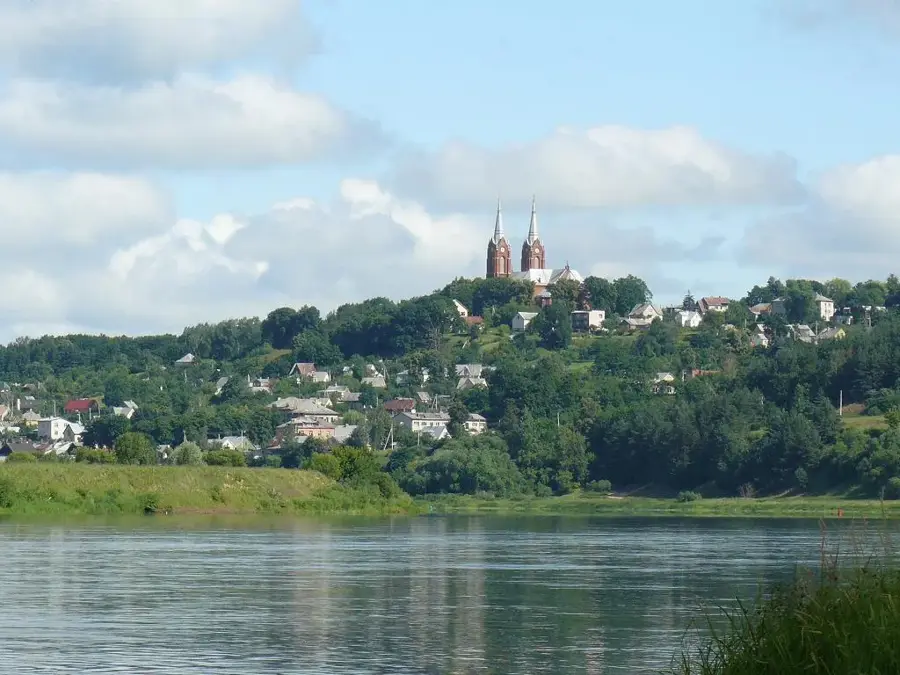
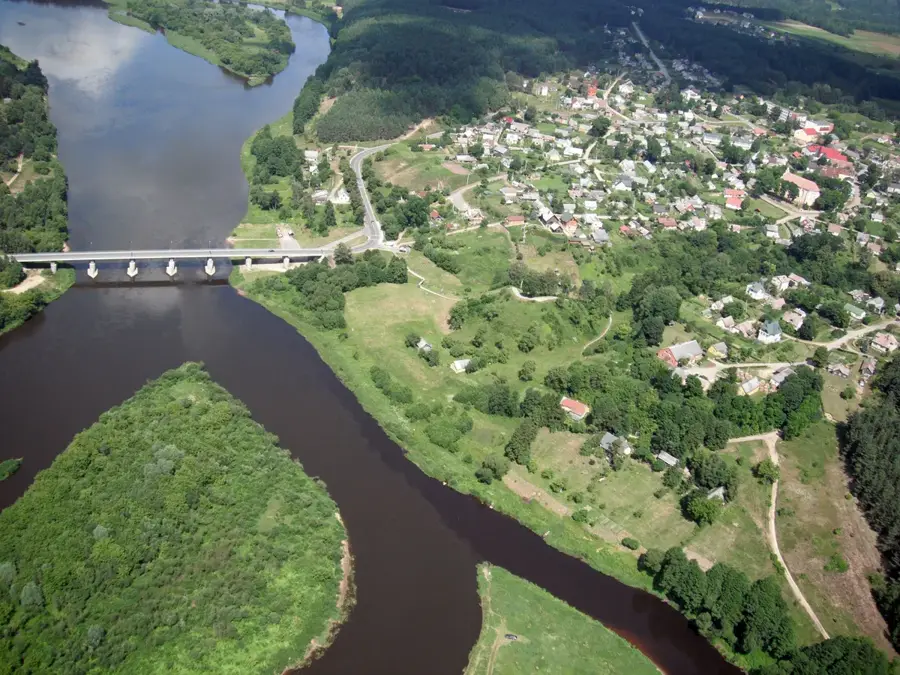
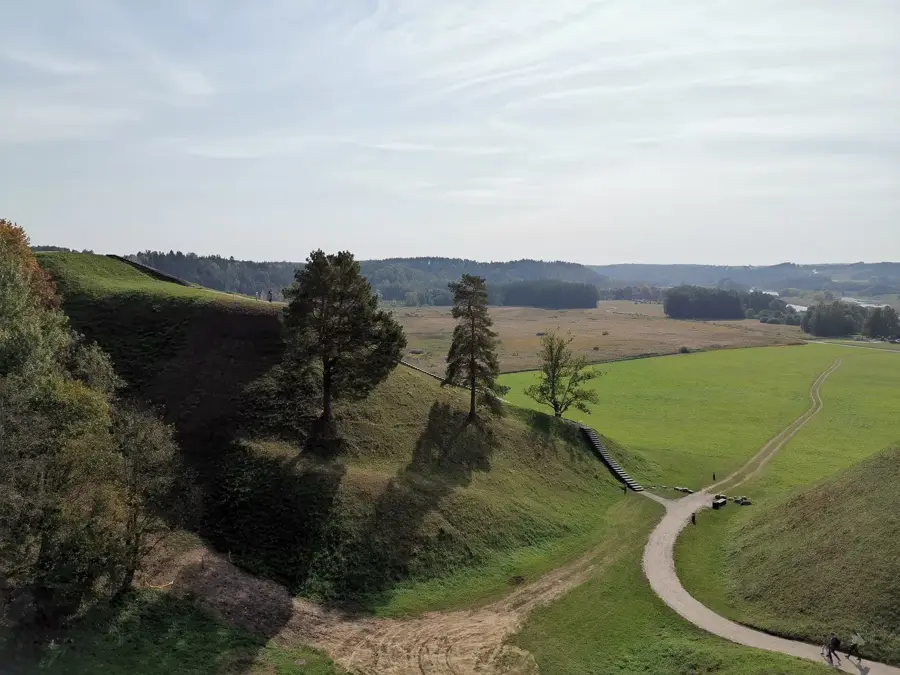
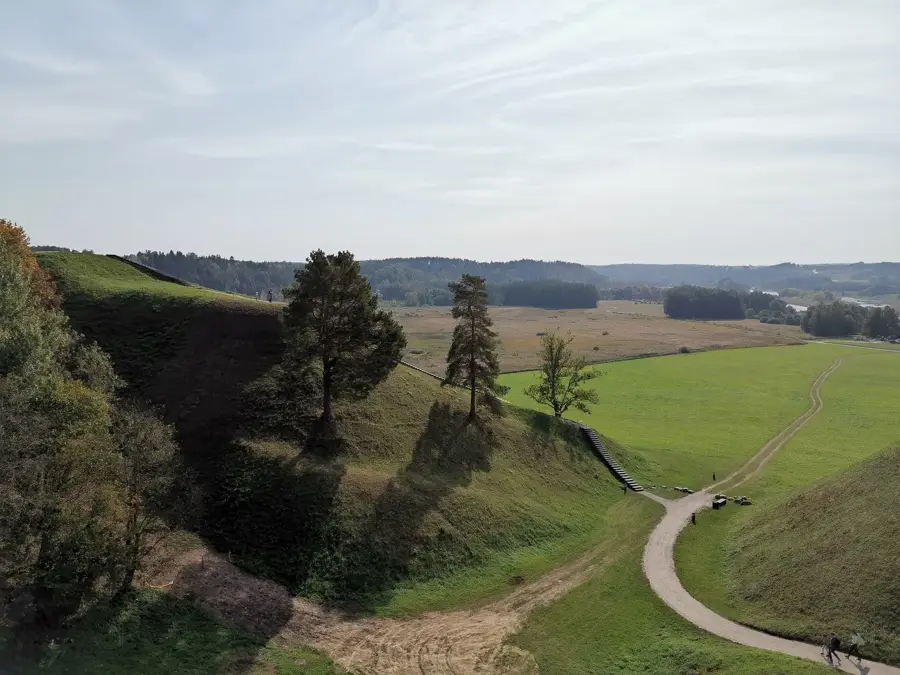
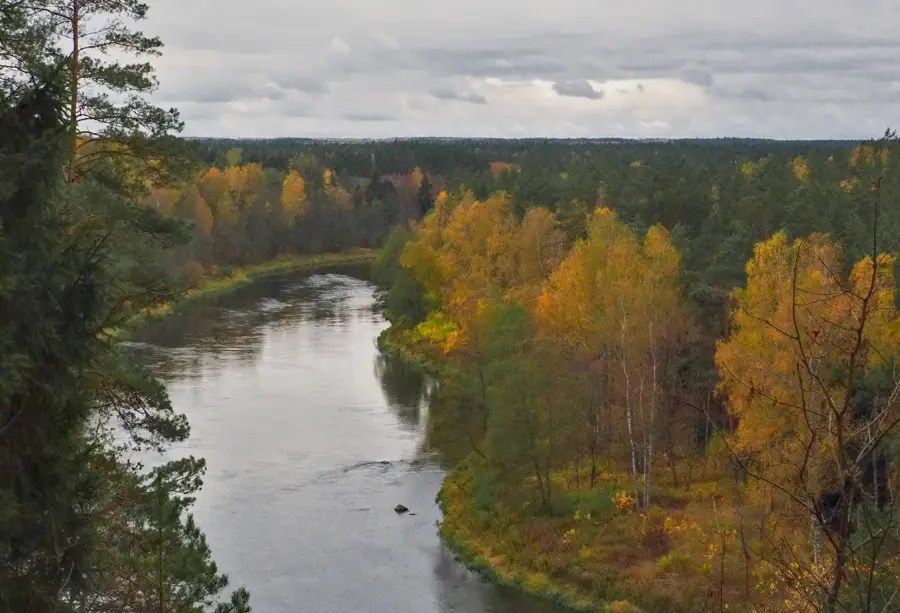
The Kernavė Archaeological Site, often referred to as the 'Troy of Lithuania,' is a UNESCO World Heritage site of exceptional historical significance. Located in the scenic valley of the Neris River, the site spans a history of human settlement dating back to the Epipaleolithic period. During the 13th and 14th centuries, Kernavė was a major political and economic center and served as the first capital of the Grand Duchy of Lithuania. The site is famous for its unique ensemble of five hill-forts, which were once part of a complex defensive system. After its destruction by the Teutonic Order in 1390, the town was abandoned and preserved under layers of silt, making it a paradise for modern archaeologists. Visitors can explore the remains of medieval workshops, residential buildings, and fortifications. The area also serves as a venue for animated living history festivals that celebrate Lithuania's pre-Christian traditions.

Best time to visit & climate

The most pleasant time to visit is Jun–Aug.

JanFebMarAprMayJunJulAugSepOctNovDec
Avg °C-6-506121618171362-3
Rain mm5645464870791018956726057

📋 Practical info

🚪
Visiting
The expansive archaeological site is fully accessible outdoors, allowing visitors to walk among the monumental hillforts, while the nearby museum gives deep historical context indoors.
🕒
Typical hours
The outdoor hillforts and the scenic valley are generally open around the clock throughout the year, but the adjacent archaeological museum operates during standard daytime hours, usually closing on Mondays.
📷
Photography
The elevated hillforts offer spectacular panoramic views over the Pajauta Valley and the Neris River, making wide-angle lenses highly recommended for landscape photography.
⏱️
Time needed
Plan to spend at least two to three hours here to comfortably hike up the various mounds, explore the valley, and take time to visit the indoor archaeological exhibitions.
Combine with
A visit to this site can be excellently combined with a drive through the surrounding regional parks, or paired with a trip to the historic capital of Trakai, which is relatively nearby.
🧭
Getting there
Located about a 40-minute drive from Vilnius, it is best accessed by car or organized tour, with a designated parking area conveniently situated near the museum and the start of the trails.
💡
Insider tip
Wear sturdy, comfortable walking shoes as the wooden stairs leading up to the hillforts can be steep, and exploring the valley involves significant amounts of walking on natural terrain.

Geography

Coordinates
54.88560, 24.85190

Facts

  • Kernavė was inscribed on the UNESCO World Heritage List in 2004.
  • The site covers an area of approximately 194 hectares in the Neris valley.
  • It is the only place in the Baltics featuring five adjacent hill-forts.
  • Archaeological evidence shows human habitation since the 9th millennium BC.
  • The town was completely burned by the Teutonic Knights in 1390.
  • The on-site modern museum displays over 20,000 archaeological exhibits.

Explore nearby

Notable places around

Route planner — Car & Motorhome

Where do you start? We build the route here, with stops and country notes along the way.

Vehicle
Only stops with (optional):

© OpenStreetMap contributors · OpenRouteService

Sights in the town Kernavė Archaeological Site (2)

Kernavės archeologijos ir istorijos muziejus🏛 museum

The museum presents finds from the prehistoric and medieval history of Kernavė.

🕒 Apr-May Tu-Sa 10:00-18:00; Jun-Aug We-Su 10:00-18:00; Sep-Oc

Amatininkų kiemų rekonstrukcija🏛 museum

A reconstruction of medieval craftsmen's courtyards at the Kernavė archaeological site.

Sights nearby

Frequently asked questions

What is Kernavė?
It is a UNESCO World Heritage site featuring five medieval hillforts.
Where is Kernavė located?
It is located about 35 km northwest of Vilnius on the banks of the Neris River.
Is there a museum on site?
Yes, the Archaeological Museum displays finds from 10,000 years of settlement history.
When is the best time to visit?
In July, the 'Days of Living Archaeology' festival takes place.
Is there an entrance fee?
The site is free to enter, while the museum charges an entrance fee of about 5 euros.
Kernavė Archaeological Site: where is it located?
Kernavė Archaeological Site is located in Lithuania.
Kernavė Archaeological Site: what is there to see?
Highlights include Kernavės archeologijos ir istorijos muziejus, Amatininkų kiemų rekonstrukcija.
Kernavė Archaeological Site: when is the best time to visit?
The most pleasant time to visit is Jun, Aug.
Kernavė Archaeological Site: why is it worth visiting?
The Kernavė Archaeological Site, often referred to as the 'Troy of Lithuania,' is a UNESCO World Heritage site of exceptional historical significance.
View on map → The Top 50 Attractions → OpenStreetMap →
Europe
Explore with Plizio Discover more places in Europe
More places in Lithuania →

Nearby cities

History & landmarks