Plizio Visual Lab

Ptolemais
Plizio editorial teamData Sources
Historical site
—°5
Ptolemais (Libya)

Weather…

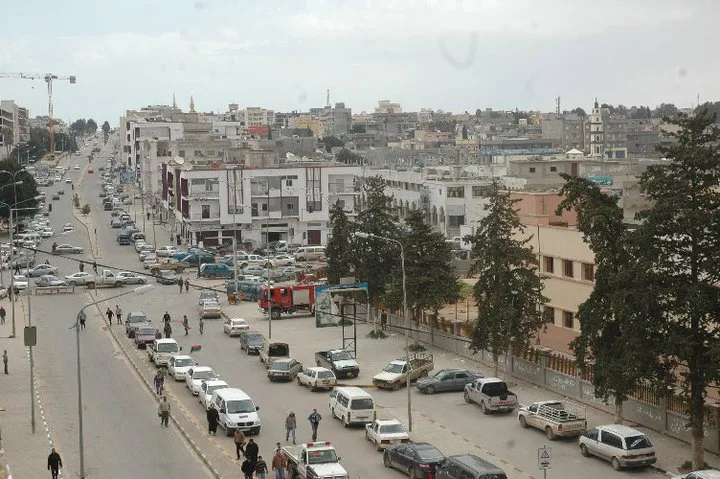
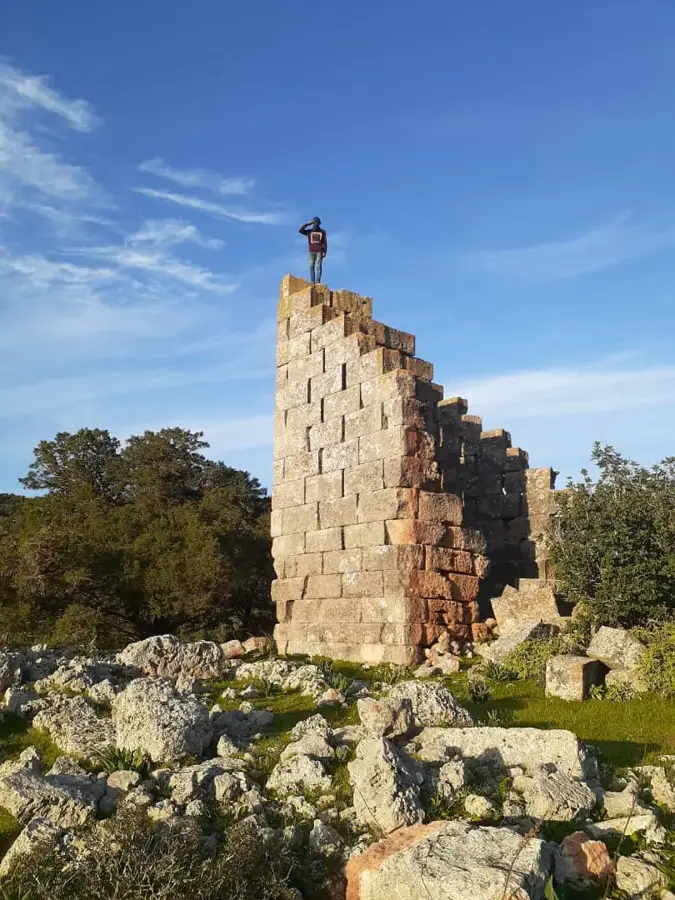
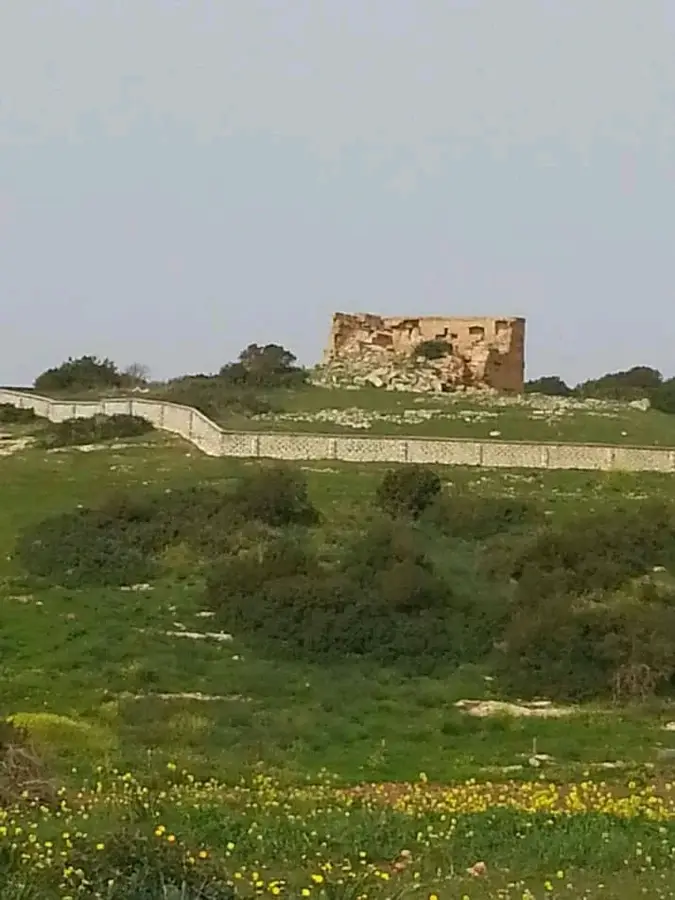
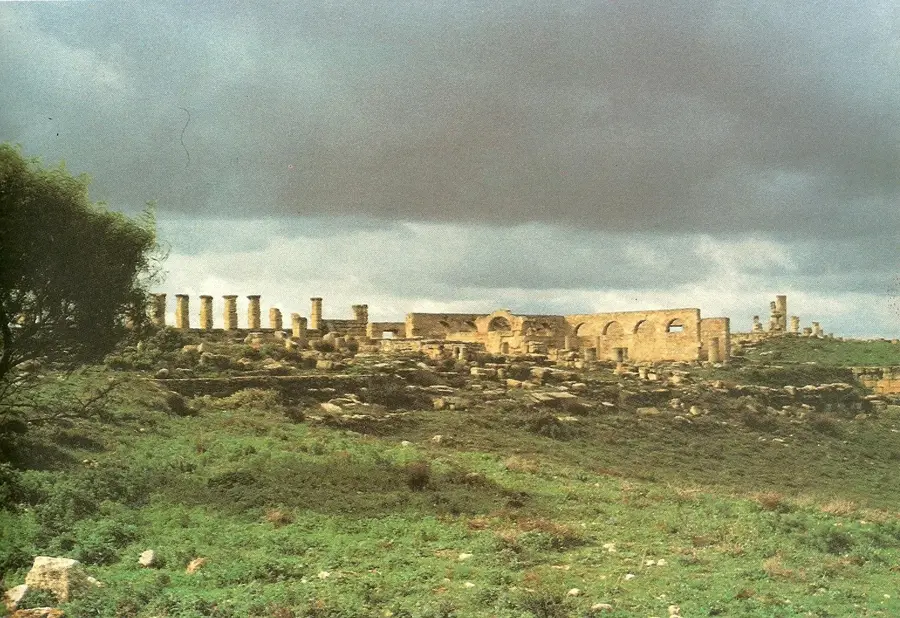
Ptolemais was one of the five major cities of the ancient Cyrenaic Pentapolis, located near the modern village of Tolmeita in northeastern Libya. The city was officially founded in the 3rd century BC by Ptolemy III Euergetes to consolidate Ptolemaic control over the North African coast. During the Roman era, Ptolemais flourished, eventually succeeding Cyrene as the capital of the Libya Superior province in the 4th century AD. A standout engineering feature of the city is its massive underground cistern complex, which was among the largest in the ancient world, designed to ensure a steady water supply in the arid climate. The archaeological site features monumental city gates, a grand colonnade, Roman villas with intricate mosaics such as the 'House of the Four Seasons,' and a Roman odeon. Despite suffering heavy damage from repeated earthquakes, the city remained inhabited until the Arab conquest in 643 AD, after which it gradually fell into ruin and was buried by desert sands.

Best time to visit & climate

The most pleasant time to visit is May, Jun, Oct.

JanFebMarAprMayJunJulAugSepOctNovDec
Avg °C111114172124262625211613
Rain mm565531111030111353892

📋 Practical info

🚪
Visiting
This expansive archaeological site allows visitors to wander freely among the Hellenistic and Roman ruins, including impressive palaces, cisterns, and a theater. Due to the scale of the site, exploring involves walking across uneven, unpaved terrain scattered with ancient artifacts.
🕒
Typical hours
Archaeological sites of this nature are generally open to visitors from early morning until sunset. Access might be casually regulated by local caretakers, so arriving during standard daytime hours is strongly advised.
📷
Photography
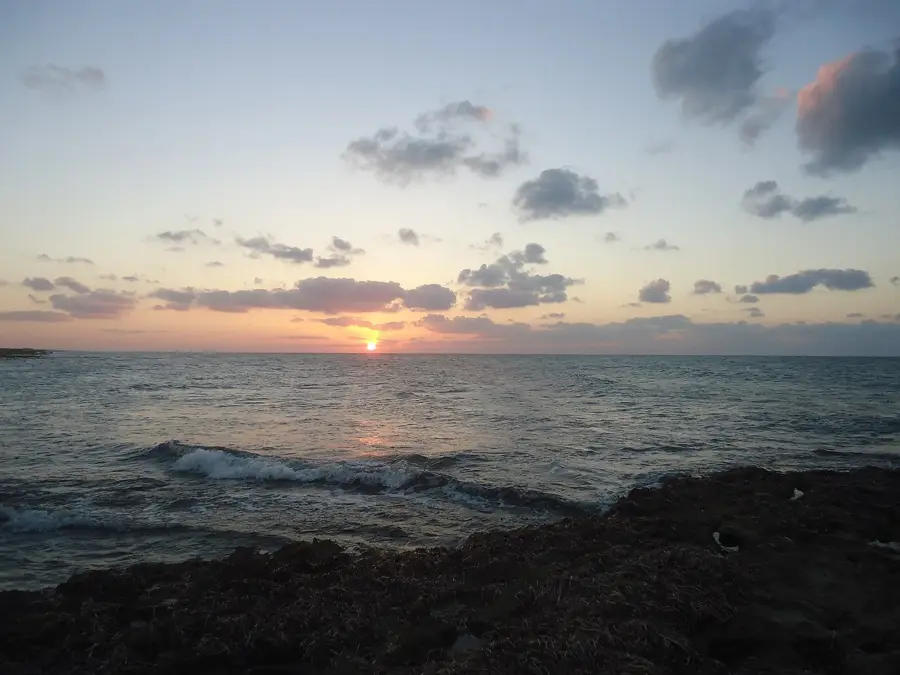
The sprawling ruins set against the Mediterranean coastline offer spectacular landscape shots. Focus your camera on the detailed floor mosaics and the remarkably preserved underground cisterns to capture the city's ancient grandeur.
⏱️
Time needed
Expect to spend at least 2 to 3 hours thoroughly exploring the vast ruins, the monumental Palace of the Columns, and the ancient harbor area. History buffs could easily dedicate a full half-day to the site.
Combine with
Combine your trip with a visit to the nearby coastal town of Tolmeita to see the small local museum containing artifacts from the site. The drive along the coast also has beautiful views of the Mediterranean Sea.
🧭
Getting there
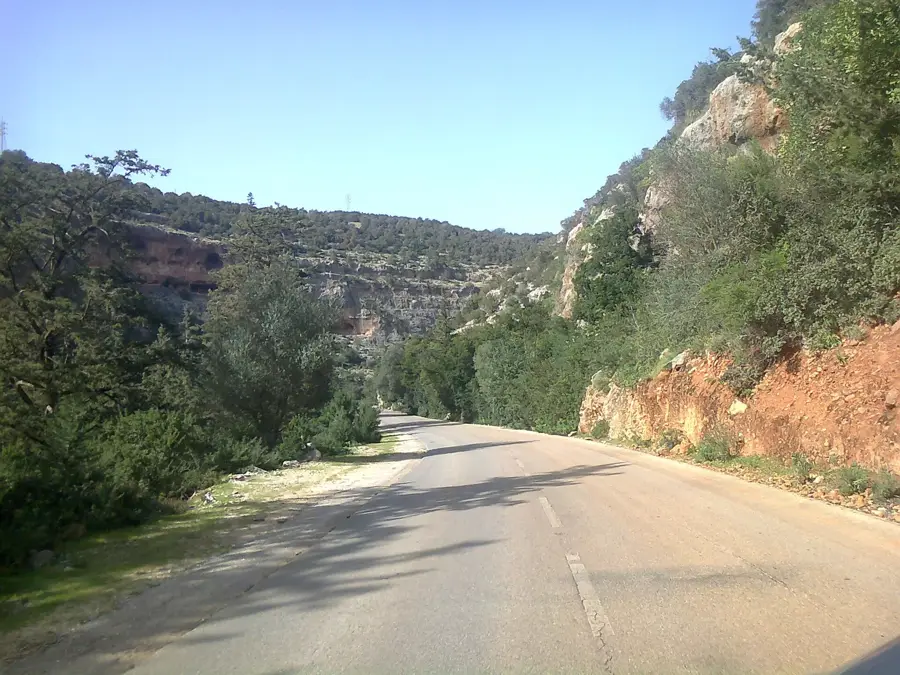
The site is located on the coast, easily accessible by a paved road leading from Al Marj or Benghazi. Once at the entrance, all exploration within the ancient city limits must be done on foot.
💡
Insider tip
Bring a flashlight to fully appreciate the sheer size and engineering of the ancient underground water cisterns. Since there is very little shade and no facilities on site, coming fully prepared with water and snacks is essential.

Geography

Coordinates
32.70600, 20.94500

Facts

  • Ptolemais was established around 250 BC as the coastal gateway for the city of Barca.
  • The city's underground cisterns have a total storage capacity of roughly 7,000 cubic meters.
  • The urban area covered approximately 160 hectares protected by defensive walls.
  • The famous philosopher Synesius served as the Bishop of Ptolemais in the early 5th century.
  • A 450-meter long colonnaded street once connected the major public areas of the city.
  • The site is located near the modern town of Tolmeita, 110 kilometers east of Benghazi.

Explore nearby

Notable places around

Route planner — Car & Motorhome

Where do you start? We build the route here, with stops and country notes along the way.

Vehicle
Only stops with (optional):

© OpenStreetMap contributors · OpenRouteService

Sights in the town Ptolemais (5)

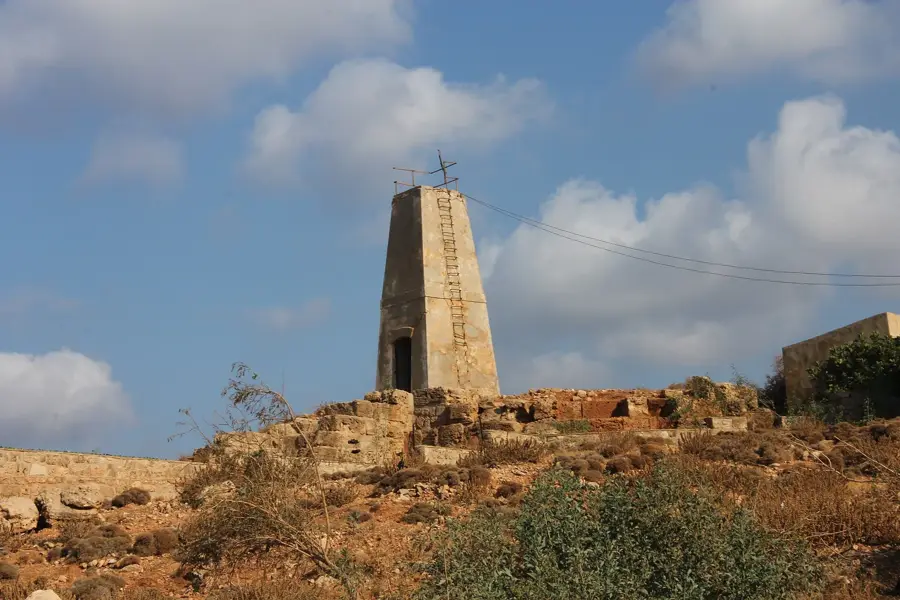
Talamitha lighthouse📍 landmark

This historic lighthouse structure guided maritime traffic along the coast near the ruins of Ptolemais.

Military headquarters🏺 historical

The ruins of an ancient military headquarters serving the strategic city of Ptolemais.

Baptistery🏺 historical

The stone ruins of an early Christian baptistery located within the archaeological site of Ptolemais.

House of Paulus🏺 historical

An excavated ancient residence known as the House of Paulus, showcasing domestic life in historic Ptolemais.

Qurina Beach🎡 recreation

A serene coastal beach situated near the archaeological wonders of Ptolemais.

Sights nearby

Frequently asked questions

Where does the name Ptolemais come from?
The city was named after one of the rulers of the Ptolemaic dynasty of Egypt.
What is special about the Villa of the Four Seasons?
It is famous for its excellent floor mosaics representing the seasons.
Is there an aqueduct in Ptolemais?
Yes, the city had a sophisticated water supply system with a large aqueduct.
How was the city laid out?
Ptolemais followed a strict rectangular street grid, the typical Hippodamian plan.
What can be seen in the Ptolemais Museum?
It houses statues, inscriptions, and architectural fragments found on-site.
Ptolemais: where is it located?
Ptolemais is located in Libya.
Ptolemais: what is there to see?
Highlights include Talamitha lighthouse, Military headquarters, Baptistery.
Ptolemais: when is the best time to visit?
The most pleasant time to visit is May, Jun, Oct.
Ptolemais: why is it worth visiting?
Ptolemais was one of the five major cities of the ancient Cyrenaic Pentapolis, located near the modern village of Tolmeita in northeastern Libya.
View on map → The Top 50 Attractions → OpenStreetMap →
Africa
Explore with Plizio Discover more places in Africa
More places in Libya →

Nearby cities

Nature

More places