Plizio Visual Lab
Qasr Libya
Weather…
Water temperature…
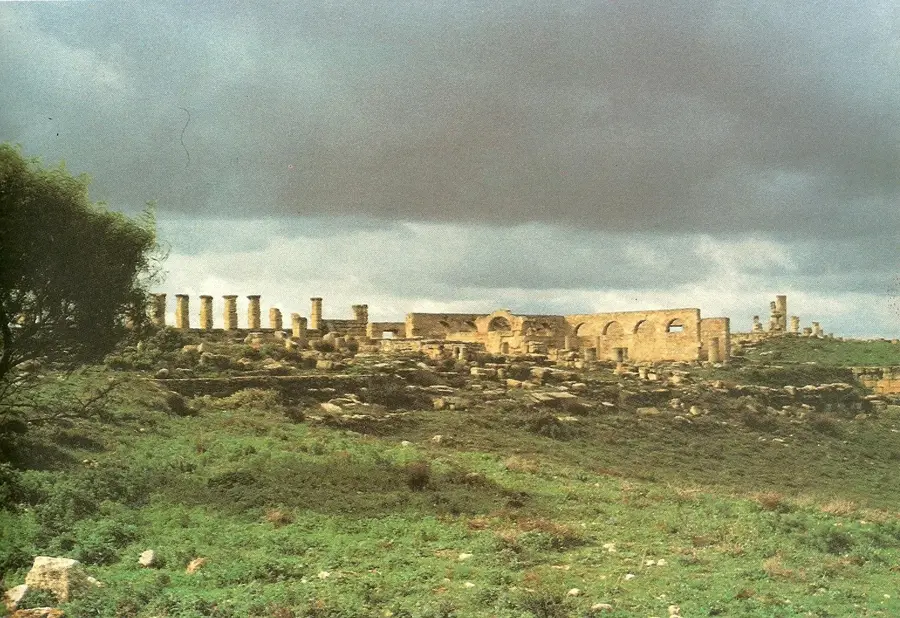
Qasr Libya, known in antiquity as Olbia, is home to one of the most significant collections of Byzantine mosaics in North Africa. The city was extensively developed under the Byzantine Emperor Justinian I around 539 AD and renamed Theodorias in honor of his empress, Theodora. The mosaics, discovered in 1957, once adorned the floor of a Christian basilica and consist of 50 square panels depicting an extraordinary range of motifs, including mythological creatures, animals, plants, and personifications of cities. These artworks reflect the artistic transition from classical antiquity to early Christian symbolism and testify to the prosperity of the Cyrenaica region in late antiquity. Today, the site operates as a museum, providing visitors with an insight into the architectural and artistic brilliance of the Byzantine era, with the mosaics remaining in remarkably good condition despite having been buried for centuries.
- Location: Libya
- Nearby: Wadi al-Kuf (6 km)
Best time to visit & climate
The most pleasant time to visit is May, Jun, Oct.
| Jan | Feb | Mar | Apr | May | Jun | Jul | Aug | Sep | Oct | Nov | Dec | |
|---|---|---|---|---|---|---|---|---|---|---|---|---|
| Avg °C | 11 | 11 | 14 | 17 | 21 | 24 | 26 | 26 | 25 | 21 | 16 | 13 |
| Rain mm | 56 | 55 | 31 | 11 | 10 | 3 | 0 | 1 | 11 | 35 | 38 | 92 |
📋 Practical info
Geography
Facts
- The city was originally founded by the Greeks as Olbia.
- Emperor Justinian I renamed the site Theodorias in 539 AD.
- The mosaics were discovered in 1957 during road construction work.
- There are 50 preserved mosaic panels in the former East Basilica.
- The depictions include the Lighthouse of Alexandria among other symbols.
- Qasr Libya is located about 50 kilometers west of the city of El Bayda.
Explore nearby
Notable places around




Route planner — Car & Motorhome
Where do you start? We build the route here, with stops and country notes along the way.
© OpenStreetMap contributors · OpenRouteService
Sights in the town Qasr Libya (1)
Sights nearby
Frequently asked questions
What is Qasr Libya?
What is the Qasr Libya museum known for?
When were the churches built?
What was the ancient name of the place?
What do the mosaics show?
Qasr Libya: where is it located?
Qasr Libya: when is the best time to visit?
Qasr Libya: why is it worth visiting?

Nearby cities
Nature
More places