Plizio Visual Lab
Apollonia
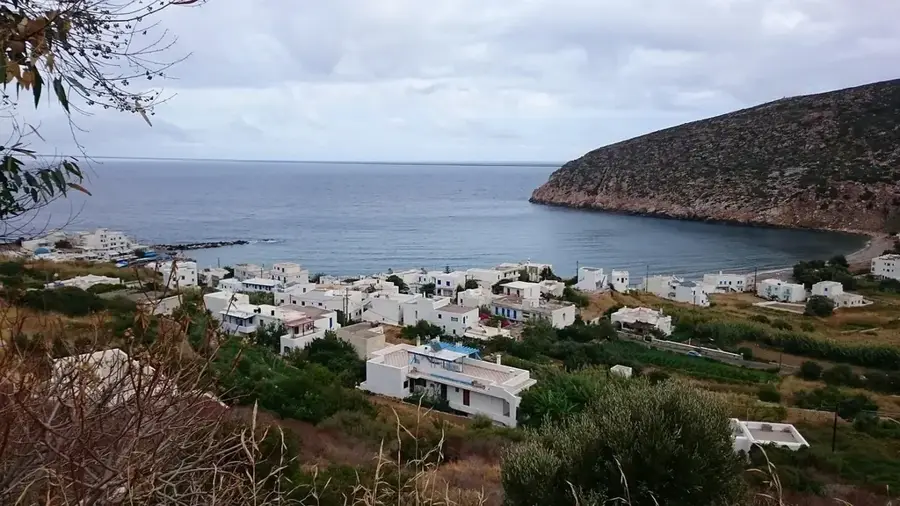
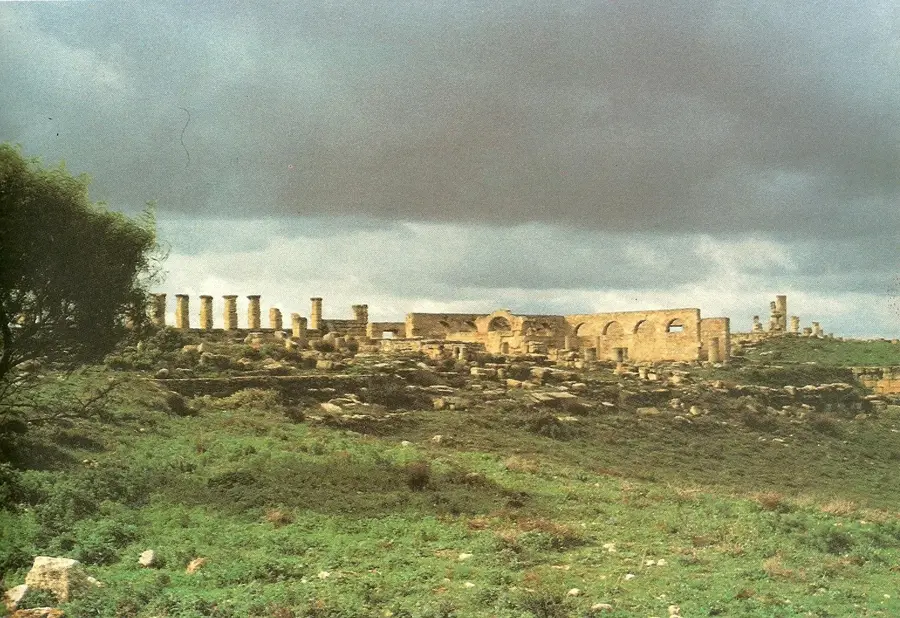
Apollonia served as the primary port for the ancient city of Cyrene and stands as one of the most significant archaeological sites in the Cyrenaica region of northeastern Libya. Founded by Greek colonists in the 7th century BC, it evolved into an autonomous commercial hub under Ptolemaic and Roman administration. The catastrophic earthquake of 365 AD caused a substantial portion of the ancient harbor installations to submerge, making Apollonia a premier location for modern underwater archaeology. Surviving terrestrial ruins include five Byzantine churches, a well-preserved Greek theater overlooking the Mediterranean, and Roman thermal bath complexes. Its strategic location between the coastline and the Jebel Akhdar mountains ensured centuries of prosperity and military importance as part of the Libyan Pentapolis. The architectural remains display a sophisticated blend of Greek, Roman, and early Christian influences that persisted until the Arab conquest in the 7th century.
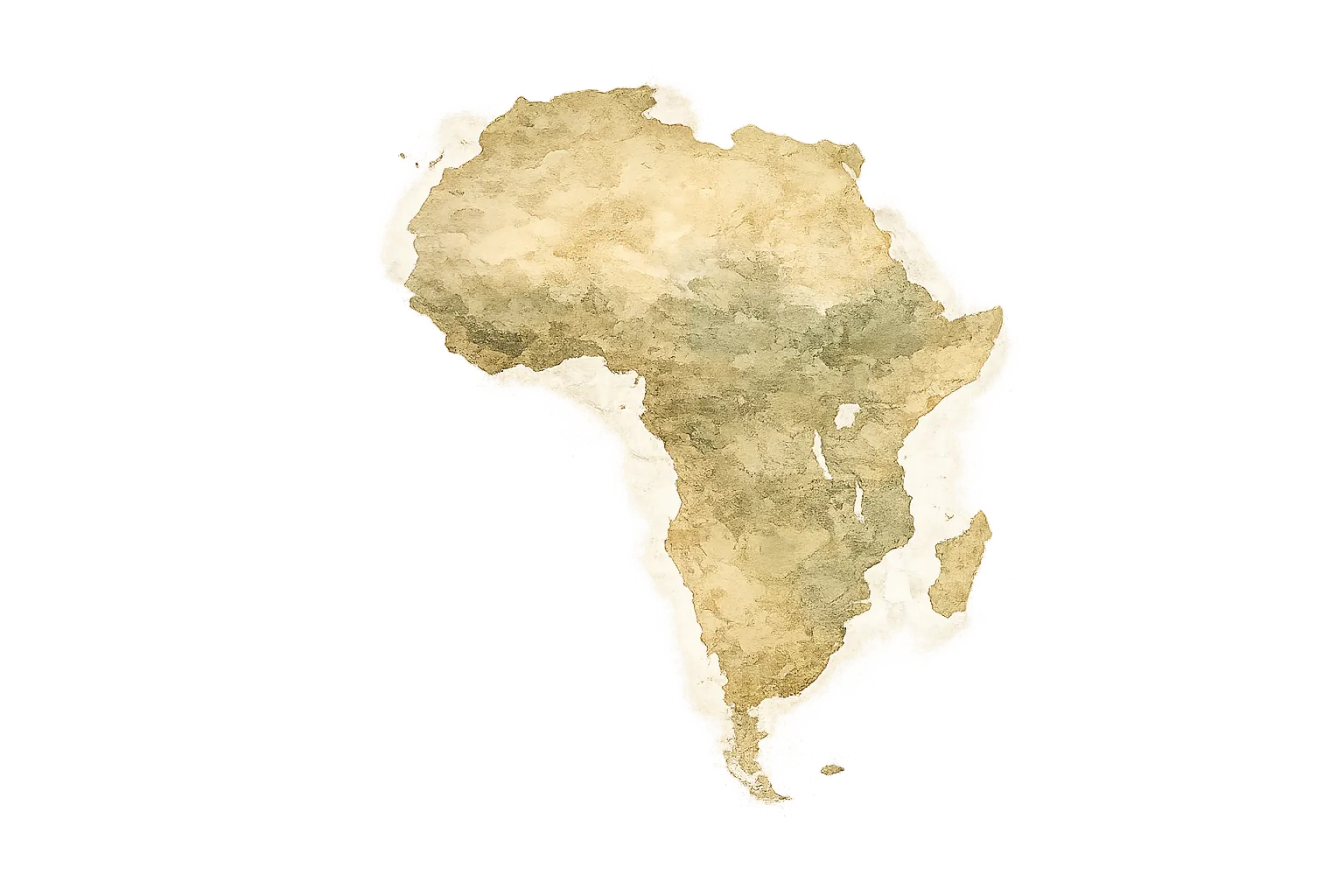
- Location: Libya
- Top sights: Haua Fteah Cave · East Necropolis · Warehouses
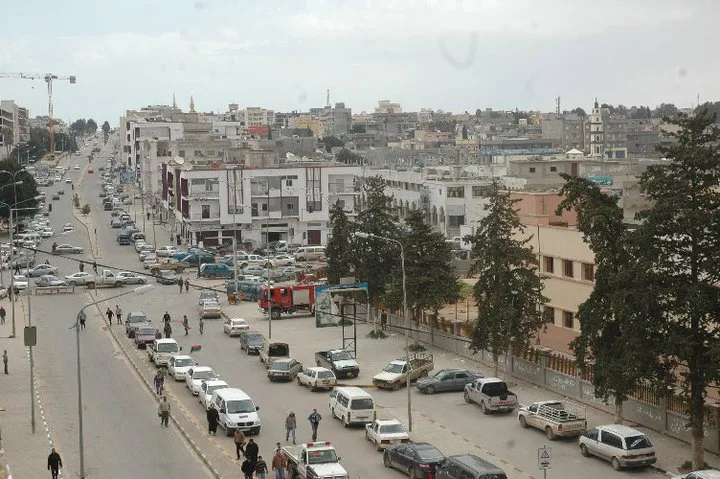
- Nearby: Shahhat (14 km)
Best time to visit & climate
The most pleasant time to visit is May, Jun, Nov.
| Jan | Feb | Mar | Apr | May | Jun | Jul | Aug | Sep | Oct | Nov | Dec | |
|---|---|---|---|---|---|---|---|---|---|---|---|---|
| Avg °C | 14 | 14 | 16 | 18 | 20 | 24 | 26 | 26 | 25 | 23 | 19 | 16 |
| Rain mm | 44 | 37 | 21 | 9 | 11 | 2 | 0 | 1 | 12 | 29 | 32 | 63 |
📋 Practical info
Geography
Facts
- Apollonia was founded around 631 BC as the maritime gateway for Cyrene.
- The city was a member of the Cyrenaic Pentapolis, a confederation of five cities.
- The 365 AD earthquake submerged nearly half of the city's ancient structures.
- Archaeologists have identified five distinct Byzantine basilicas within the ruins.
- The Greek theater was originally built in the 3th century BC and later modified by Romans.
- Modern Marsa Susa was built near the site after the ancient city's abandonment.
Explore nearby
Notable places around

Route planner — Car & Motorhome
Where do you start? We build the route here, with stops and country notes along the way.
© OpenStreetMap contributors · OpenRouteService
Sights in the town Apollonia (5)
Sights nearby
Frequently asked questions
What was the function of Apollonia?
Why are parts of Apollonia underwater?
What can you visit today in Apollonia?
Is Apollonia interesting for divers?
Are there fortifications there?
Apollonia: where is it located?
Apollonia: what is there to see?
Apollonia: when is the best time to visit?
Apollonia: why is it worth visiting?
Nearby cities
Nature
More places