Plizio Visual Lab

Uch-Kurgan Hydroelectric Power Station

Plizio editorial teamData Sources
energy
—°6
Uch-Kurgan Hydroelectric Power Station (Kyrgyzstan)

Weather…

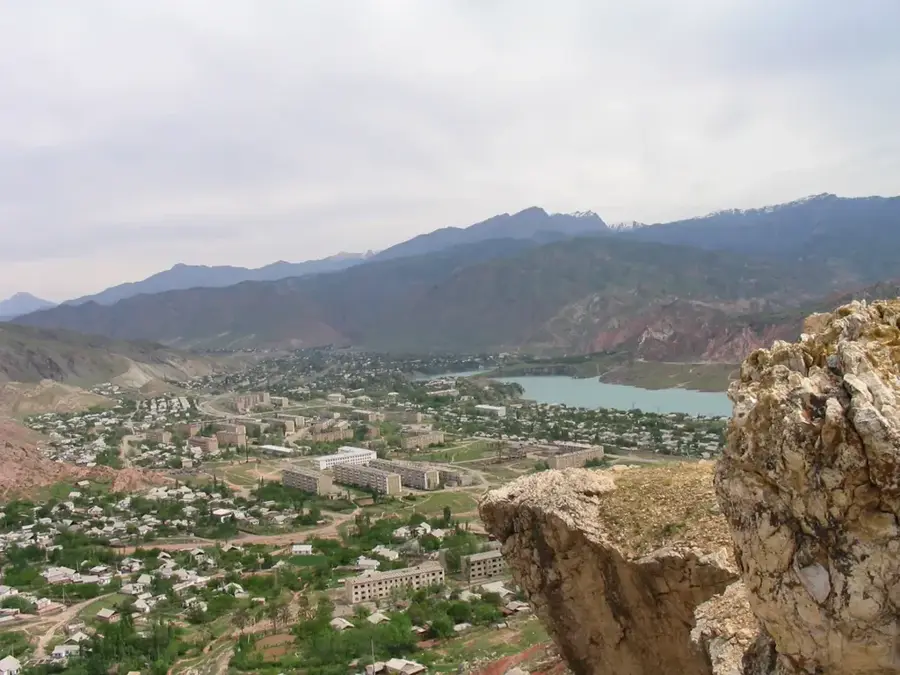
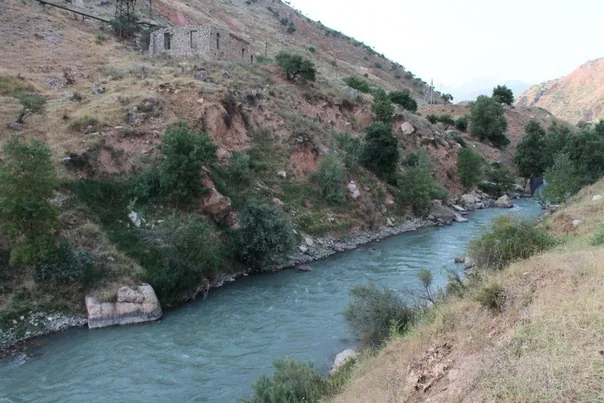
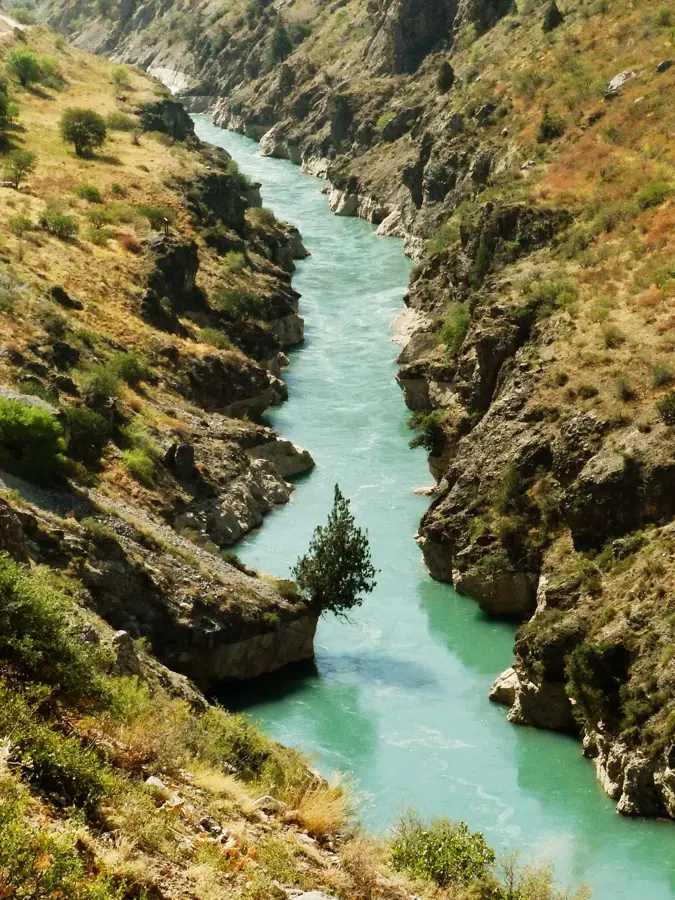
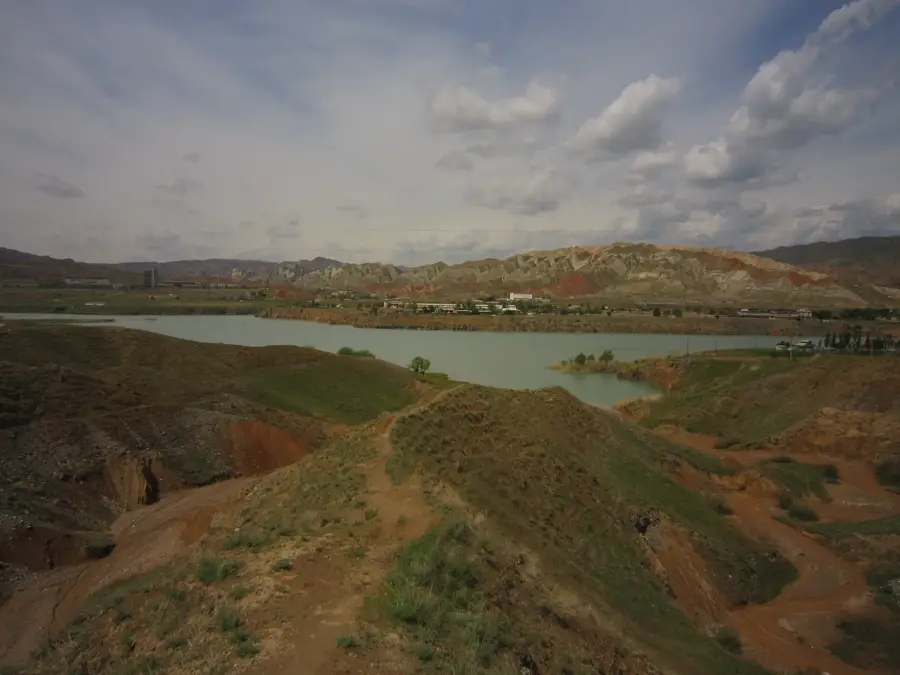
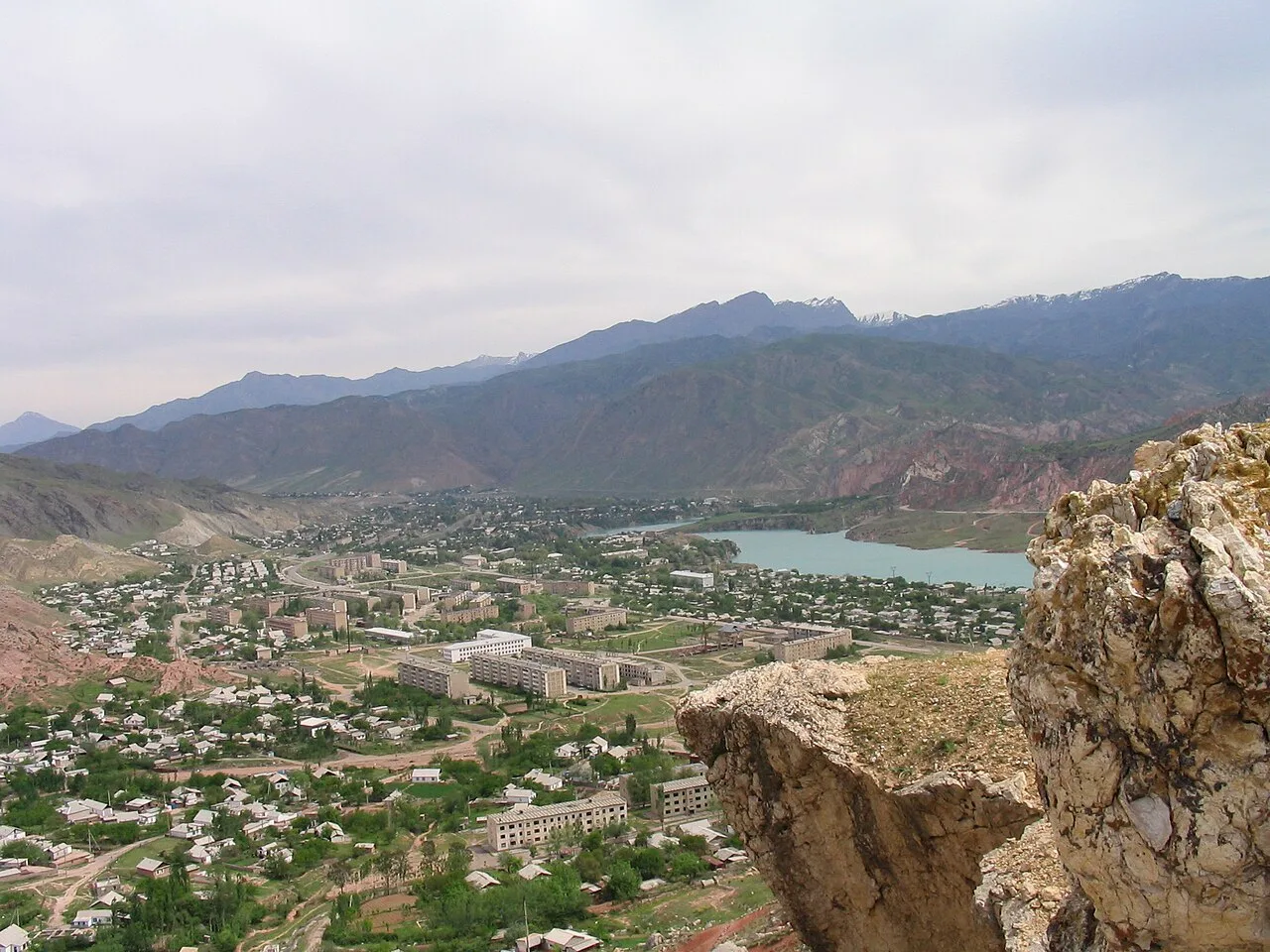
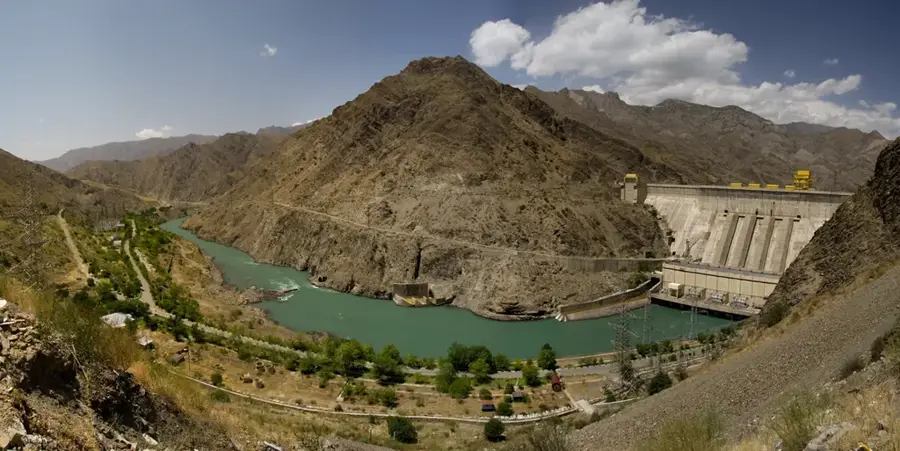
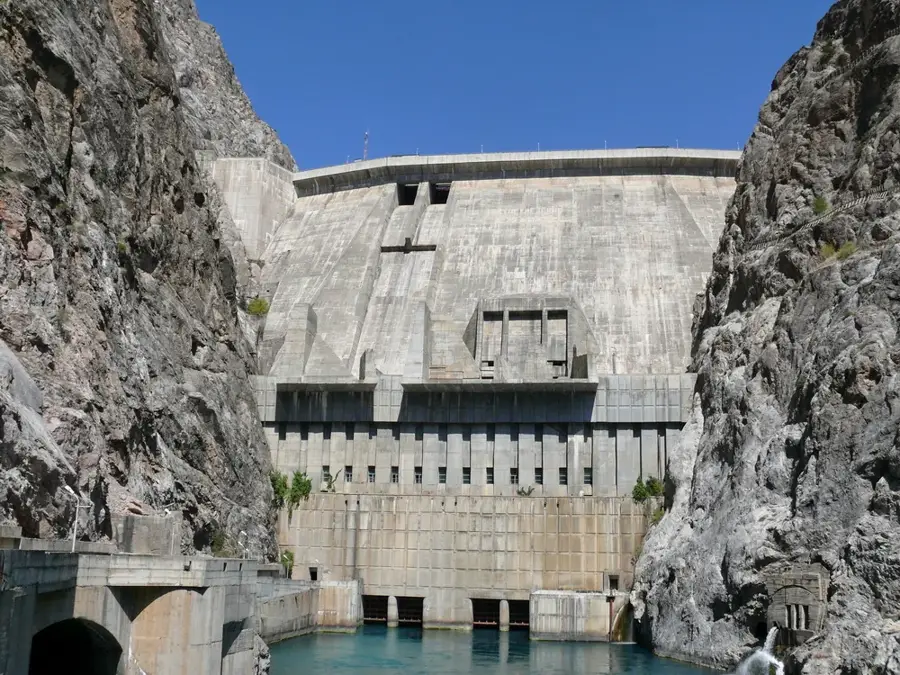
The Uch-Kurgan Hydroelectric Power Station is located on the Naryn River in the Jalal-Abad region and holds the distinction of being the first power plant constructed on the Naryn cascade. Built between 1956 and 1962, it laid the foundation for the systematic exploitation of Kyrgyzstan's hydroelectric potential. The facility operates with an installed capacity of 180 megawatts, utilizing four generating units to provide essential base-load power to the national grid. Beyond electricity generation, the station's reservoir plays a vital role in regulating water flow for irrigation purposes, supporting the agricultural economy of the Fergana Valley across the border. As an aging but critical infrastructure asset, the plant is currently undergoing significant modernization to replace original components and enhance its reliability. This upgrade ensures that Uch-Kurgan continues to contribute to the country's energy independence and regional water management.

Best time to visit & climate

The most pleasant time to visit is Apr, May, Sep.

JanFebMarAprMayJunJulAugSepOctNovDec
Avg °C36121824293230241794
Rain mm192731272314555182726

📋 Practical info

🏭
What is this place?
As the first power plant built in the Naryn River cascade, this historic hydroelectric facility generates critical renewable energy for the region near the Uzbekistan border. It plays a foundational role in the industrial development and grid stability of the surrounding valleys.
🚪
Visiting
The operational power station is a secure industrial infrastructure site and generally strictly off-limits to unauthorized public entry for safety and security reasons. Tourists should not anticipate guided tours inside the generation halls or directly upon the core dam structure.
👀
Where to view it
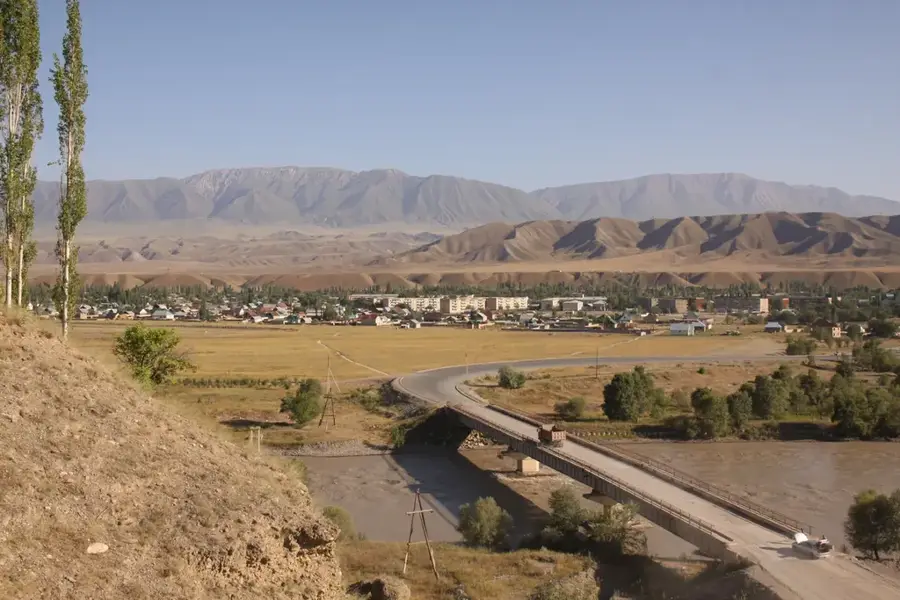
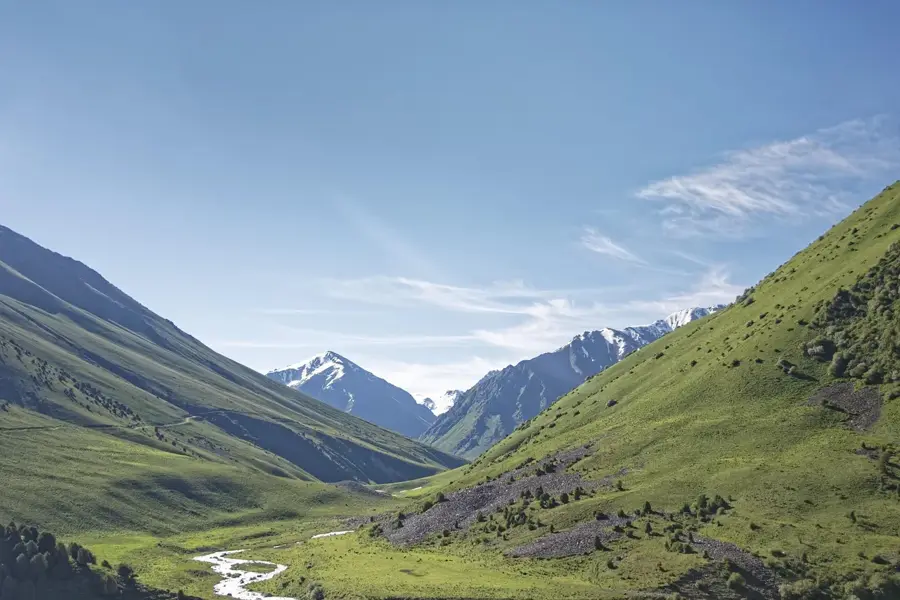
While close access is denied, travelers traversing the nearby regional mountain roads can often catch impressive glimpses of the massive dam structure and the retained reservoir. Pull-offs along the elevated highways provide excellent vantage points for landscape photography involving the river.
🧺
Local products
The dam area itself does not host commercial markets, but travelers passing through neighboring border towns might encounter small stalls selling local fruits, nuts, and everyday staples. Freshly baked breads and regional snacks are commonly available in the settlements nearby.
📆
Active season
The hydroelectric production runs continuously all year, with visual activity peaking during spring and early summer when river water levels are significantly swelled by mountain snowmelt. During these warmer months, the water releases create dramatic spray and rushing sounds visible from afar.
Nearby
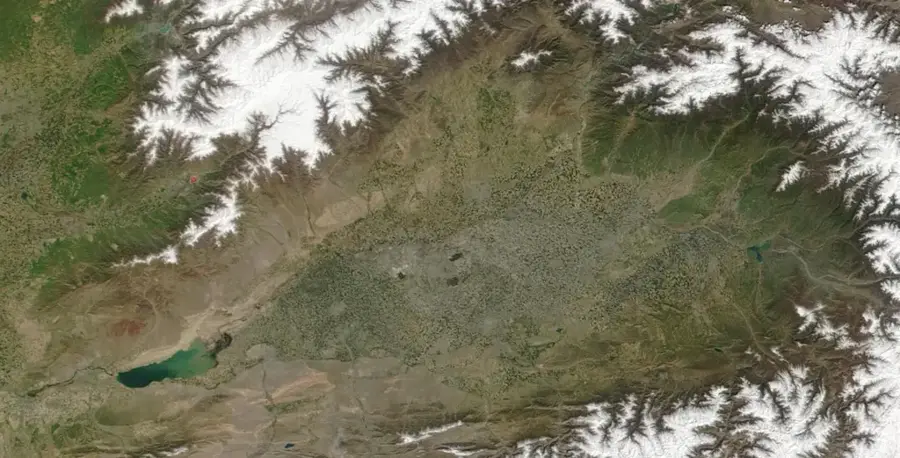
Passing this engineering landmark perfectly complements an overland journey tracing the scenic Naryn River valley or crossing the rugged mountainous terrain into the adjacent Fergana Valley. It acts as an excellent short visual break before continuing deeper into the scenic border regions.

Geography

Coordinates
41.16670, 72.13330

Facts

  • Construction of the power plant began in 1956.
  • The facility was officially commissioned in 1962.
  • Total installed capacity of the station is 180 megawatts.
  • The plant operates four turbine units of 45 megawatts each.
  • The height of the dam structure is approximately 28 meters.
  • The reservoir holds a total volume of 52 million cubic meters.

Explore nearby

Notable places around
Route planner — Car & Motorhome

Where do you start? We build the route here, with stops and country notes along the way.

Vehicle
Only stops with (optional):

© OpenStreetMap contributors · OpenRouteService

Sights in the town Uch-Kurgan Hydroelectric Power Station (6)

Madaniiat saroii🎭 culture

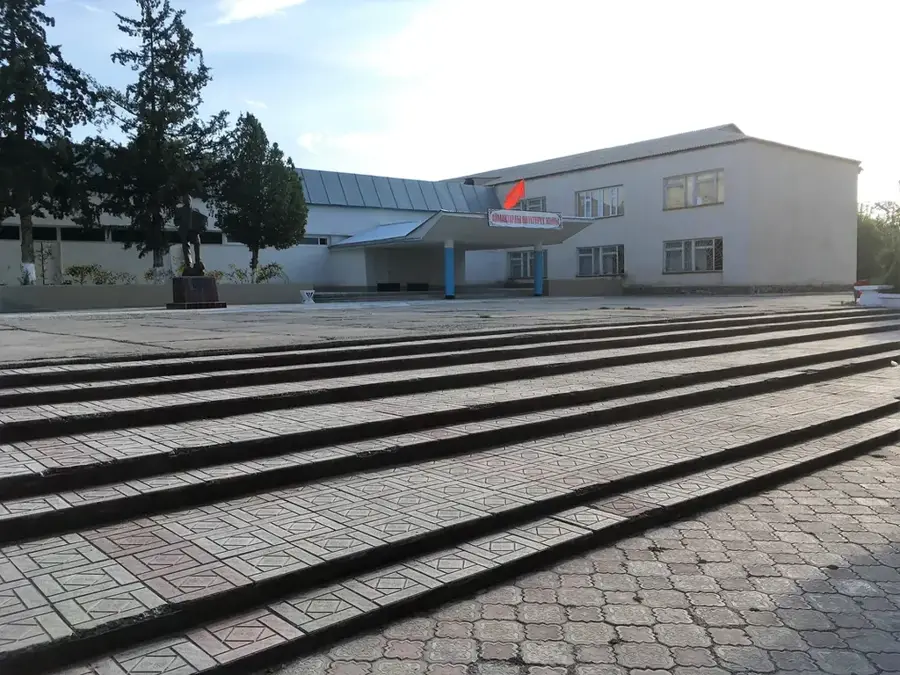
This imposing theatre building functions as the primary palace of culture for the Uch-Kurgan community's artistic events.

Xoʻja Said jome' masjidi📍 landmark

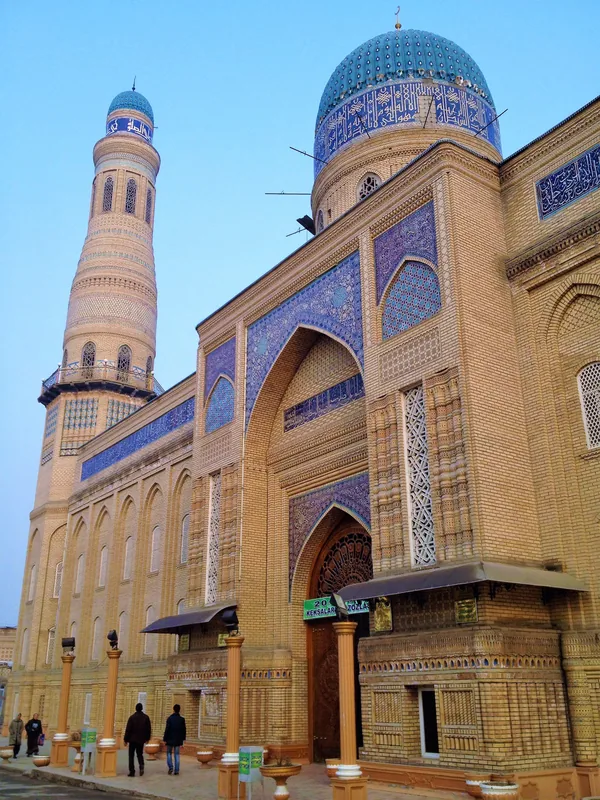
This Friday mosque in Uch-Kurgan features a spacious main hall designed to accommodate large Friday congregations.

Buzrukxoʻja eshon jome' masjidi📍 landmark

This local Jome mosque serves as an essential spiritual hub for weekly communal Friday prayers in the area.

Saidxon eshon jome' masjidi📍 landmark

This traditional Friday mosque is distinguished by its classic regional architecture and central role in Islamic community life.

Magazin🎭 culture

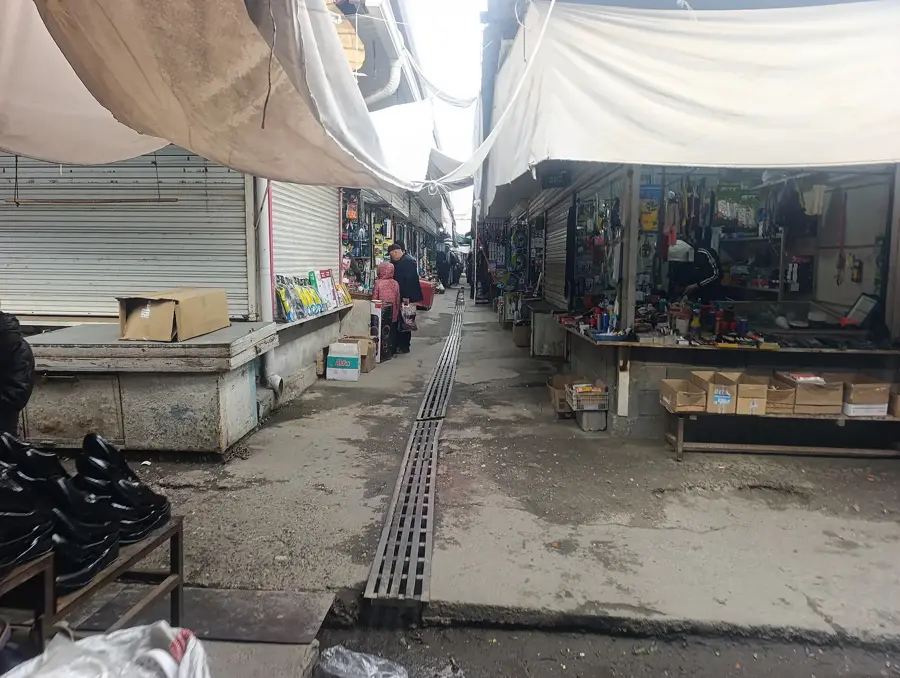
This bustling local marketplace has residents of Uch-Kurgan a variety of everyday goods and regional produce.

Sof savdo🎭 culture

Sof savdo is a local marketplace offering fresh produce and regional goods in the Uch-Kurgan area.

Sights nearby

Frequently asked questions

What characterizes the Uch-Kurgan HPP?
It is the oldest hydroelectric power plant in the Naryn cascade, built in the late 1950s.
What is its capacity?
The power plant has an installed capacity of 180 megawatts.
Is the power plant being modernized?
Yes, modernization projects are currently underway to increase its lifespan and efficiency.
Where is it located?
It is located on the border between the Jalal-Abad and Osh regions on the Naryn River.
Can you cross the dam?
The dam also serves as a bridge, but access is often strictly controlled.
Uch-Kurgan Hydroelectric Power Station: where is it located?
Uch-Kurgan Hydroelectric Power Station is located in Kyrgyzstan.
Uch-Kurgan Hydroelectric Power Station: what is there to see?
Highlights include Madaniiat saroii, Xoʻja Said jome' masjidi, Buzrukxoʻja eshon jome' masjidi.
Uch-Kurgan Hydroelectric Power Station: when is the best time to visit?
The most pleasant time to visit is Apr, May, Sep.
Uch-Kurgan Hydroelectric Power Station: why is it worth visiting?

The Uch-Kurgan Hydroelectric Power Station is located on the Naryn River in the Jalal-Abad region and holds the distinction of being the first power plant constructed on the Naryn cascade.
View on map → The Top 50 Attractions → OpenStreetMap →
Asia
Explore with Plizio Discover more places in Asia
More places in Kyrgyzstan →

Nearby cities

History & landmarks
Nature
More places