Plizio Visual Lab
Tash-Kumyr
ℹ️Practical info — Tash-Kumyr
▾
🌤 Weather — 5 days
📍 Nearby
Sights nearby
💡 Tips
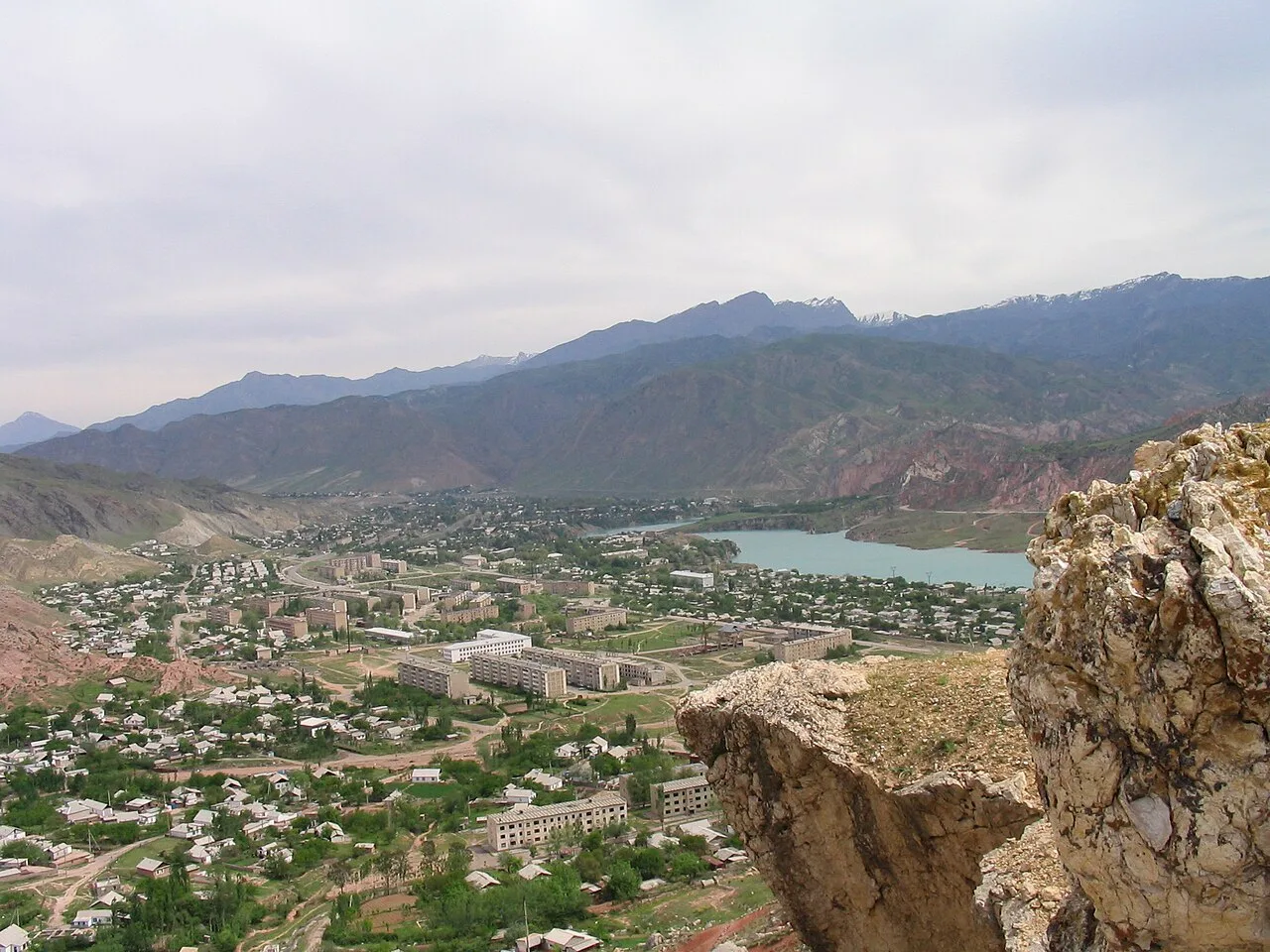
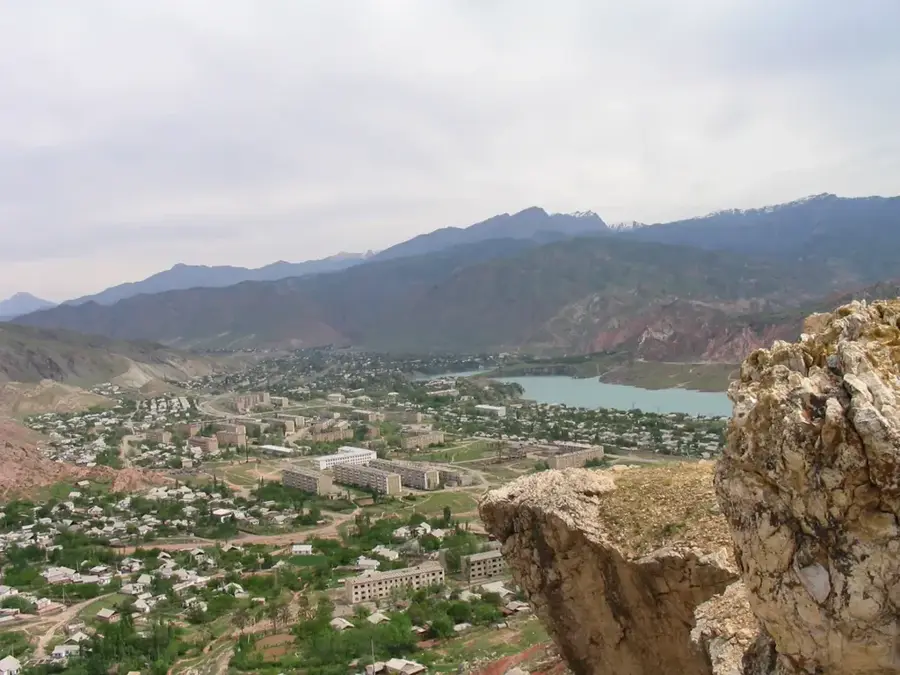
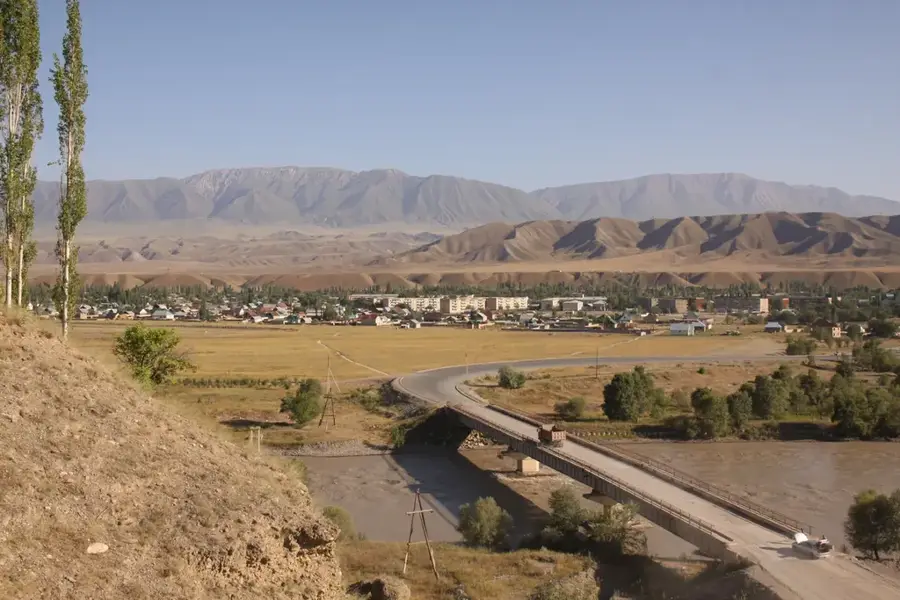
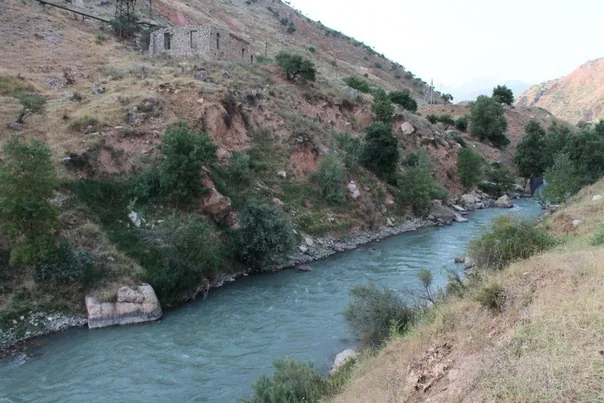
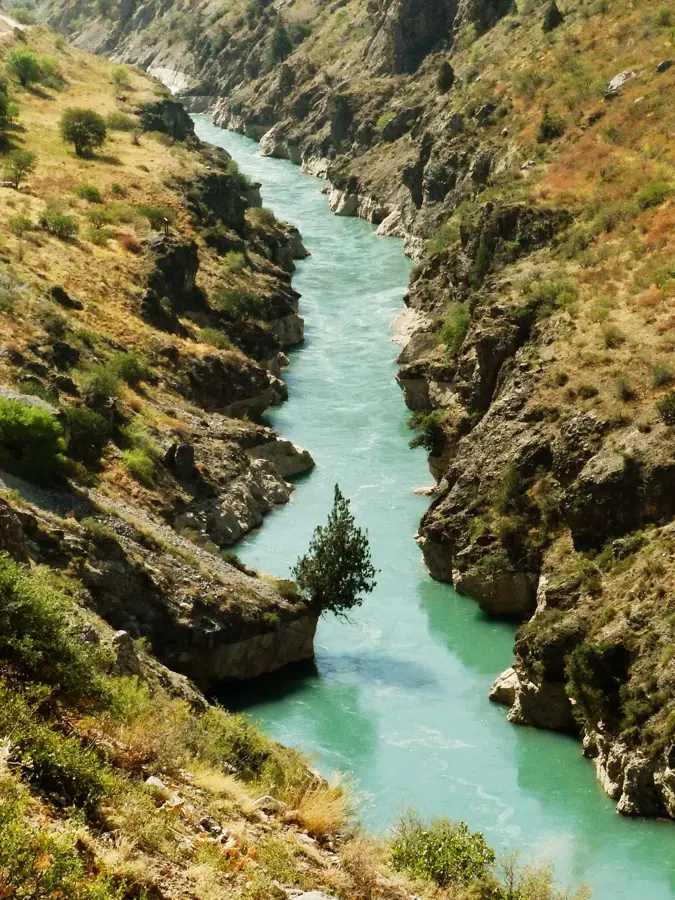
- The city has a gritty, industrial feel, but it's set against a dramatic backdrop along the Naryn River.
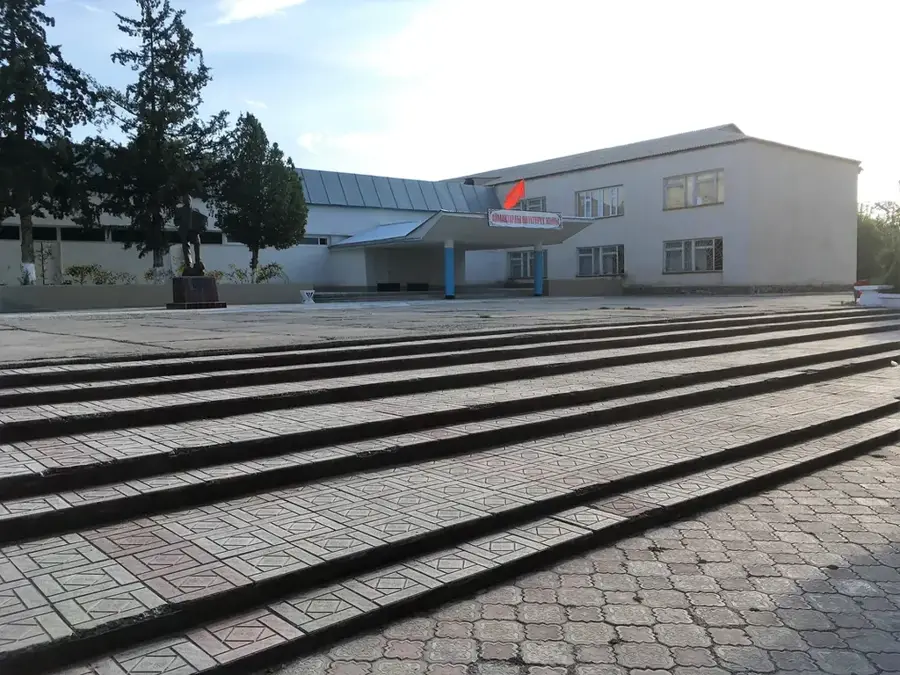
- Look out for old Soviet architecture and mining monuments, which give the town a unique atmosphere.
- Dinosaur fossils have been found nearby; ask locals if any small regional exhibits are currently open.
- Navigating the town involves steep climbs; wear comfortable shoes if you plan to walk outside the center.
🍽 Food
Look for small cafes near the river serving freshly fried local fish.
Hearty pulled noodle soup, a staple in local canteens.
🛍 Shopping · 🧘 Quiet spots
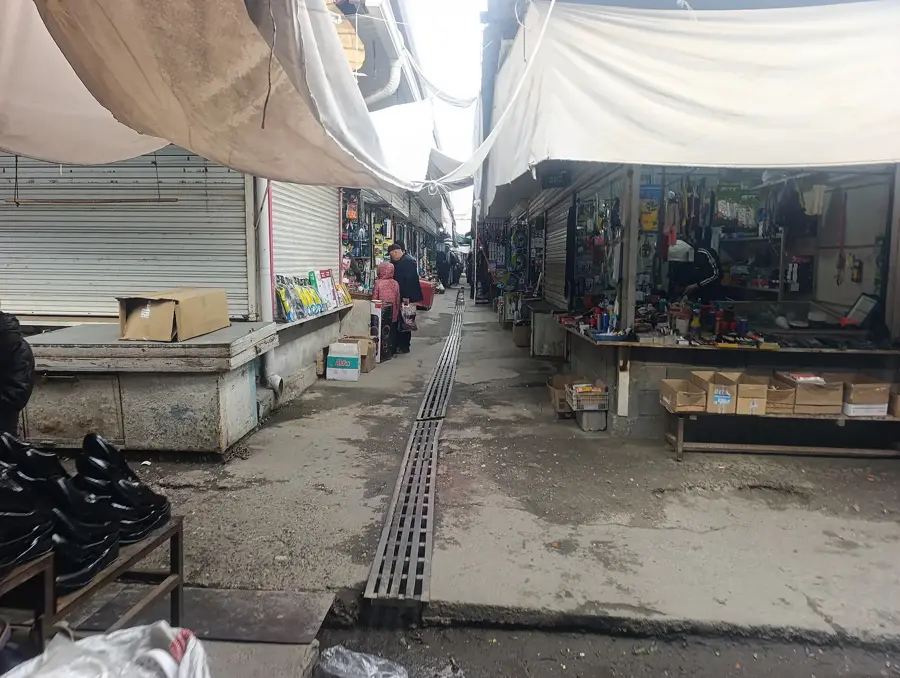
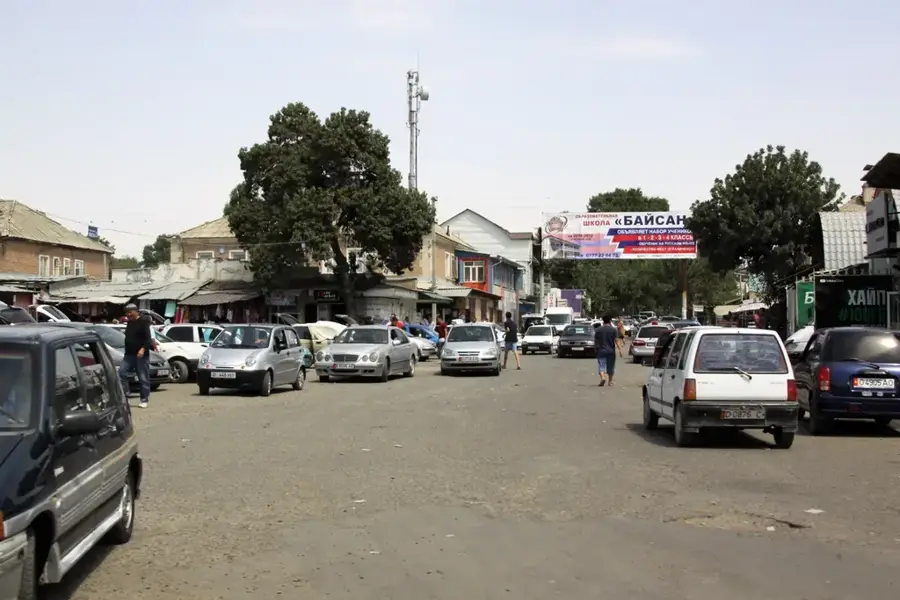
The town's market is basic, but good for stocking up on fresh bread and snacks before heading into the mountains.
Sometimes you can find vendors at the flea market section selling old industrial memorabilia.
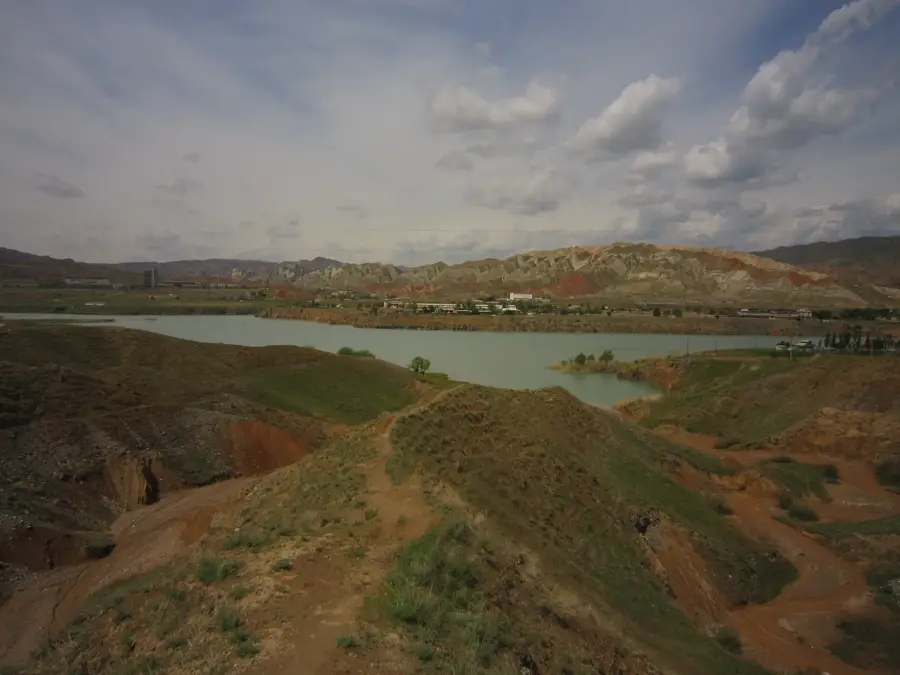
Walk along the road parallel to the river for memorable views of the turquoise water and steep cliffs.
Hike up any of the hills surrounding the residential areas for a quiet panorama of the valley.
Water temperature…
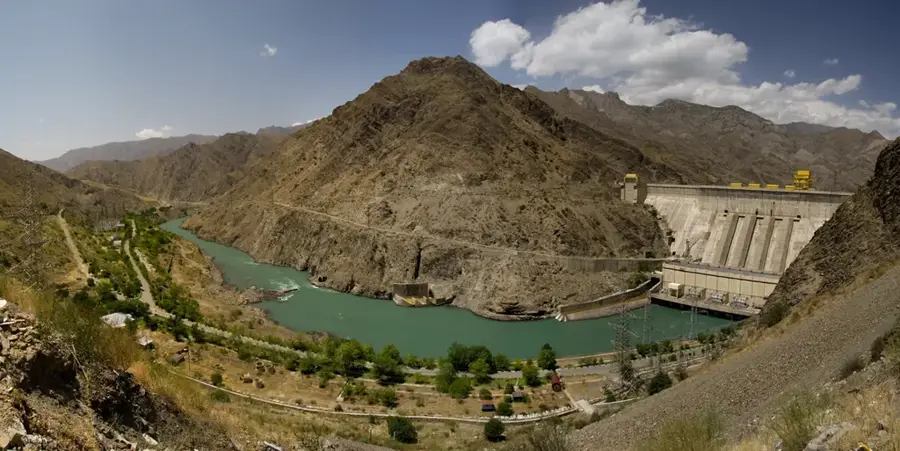
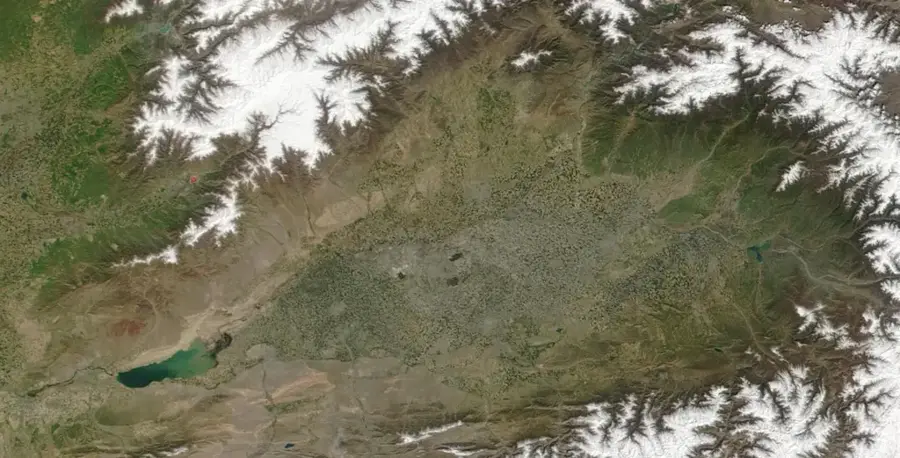
Tash-Kumyr is an old industrial town on the Naryn River in the Jalal-Abad Region, set at about 600 metres above sea level in a narrow gorge linking the Inner Tian Shan with the Fergana Valley. The name translates as Stone Coal and refers to the intensive mining of high-quality anthracite carried out in the surrounding pits since the 1930s. The settlement was granted city status in 1943 and grew rapidly during Soviet industrialisation. Alongside coal mining, a semiconductor plant was built here that once produced solar panels for Soviet spacecraft, as well as two major hydroelectric power stations, Tash-Kumyr and the nearby Kurpsai, which together generate a significant share of Kyrgyzstan's electricity. During construction of the dam in the 1970s, important Jurassic dinosaur fossils were unearthed in the surrounding area.
- Location: Kyrgyzstan
- Nearby: Mailuu-Suu (27 km)
- Population: ~23.594 (2015)
Best time to visit & climate
The most pleasant time to visit is Jun, Aug, Sep.
| Jan | Feb | Mar | Apr | May | Jun | Jul | Aug | Sep | Oct | Nov | Dec | |
|---|---|---|---|---|---|---|---|---|---|---|---|---|
| Avg °C | -2 | 0 | 6 | 12 | 17 | 22 | 25 | 24 | 18 | 11 | 4 | -1 |
| Rain mm | 23 | 32 | 36 | 36 | 28 | 17 | 8 | 7 | 7 | 22 | 32 | 29 |
Geography
Facts
- Founded in 1930 as a miners' settlement.
- Located in a picturesque gorge on the Naryn River.
- Significant dinosaur skeletons were discovered here.
- Features two large hydroelectric power stations.
- The 'Kristall' plant formerly produced semiconductor materials.
- Well connected via the main Bishkek–Osh highway.
- Coal from this region is considered to be of high quality.
Explore nearby
Notable places around

Route planner — Car & Motorhome
Where do you start? We build the route here, with stops and country notes along the way.
© OpenStreetMap contributors · OpenRouteService
Frequently asked questions
What is the main industry in Tash-Kumyr?
Is the city located on a river?
What can you see in the surrounding area?
What is the architecture of the city like?
Are there hotels there?
Tash-Kumyr: where is it located?
Tash-Kumyr: when is the best time to visit?
Tash-Kumyr: why is it worth visiting?

Nearby cities
History & landmarks
Nature
More places