Plizio Visual Lab
Mailuu-Suu
ℹ️Practical info — Mailuu-Suu
▾
🌤 Weather — 5 days
📍 Nearby
Sights nearby
💡 Tips
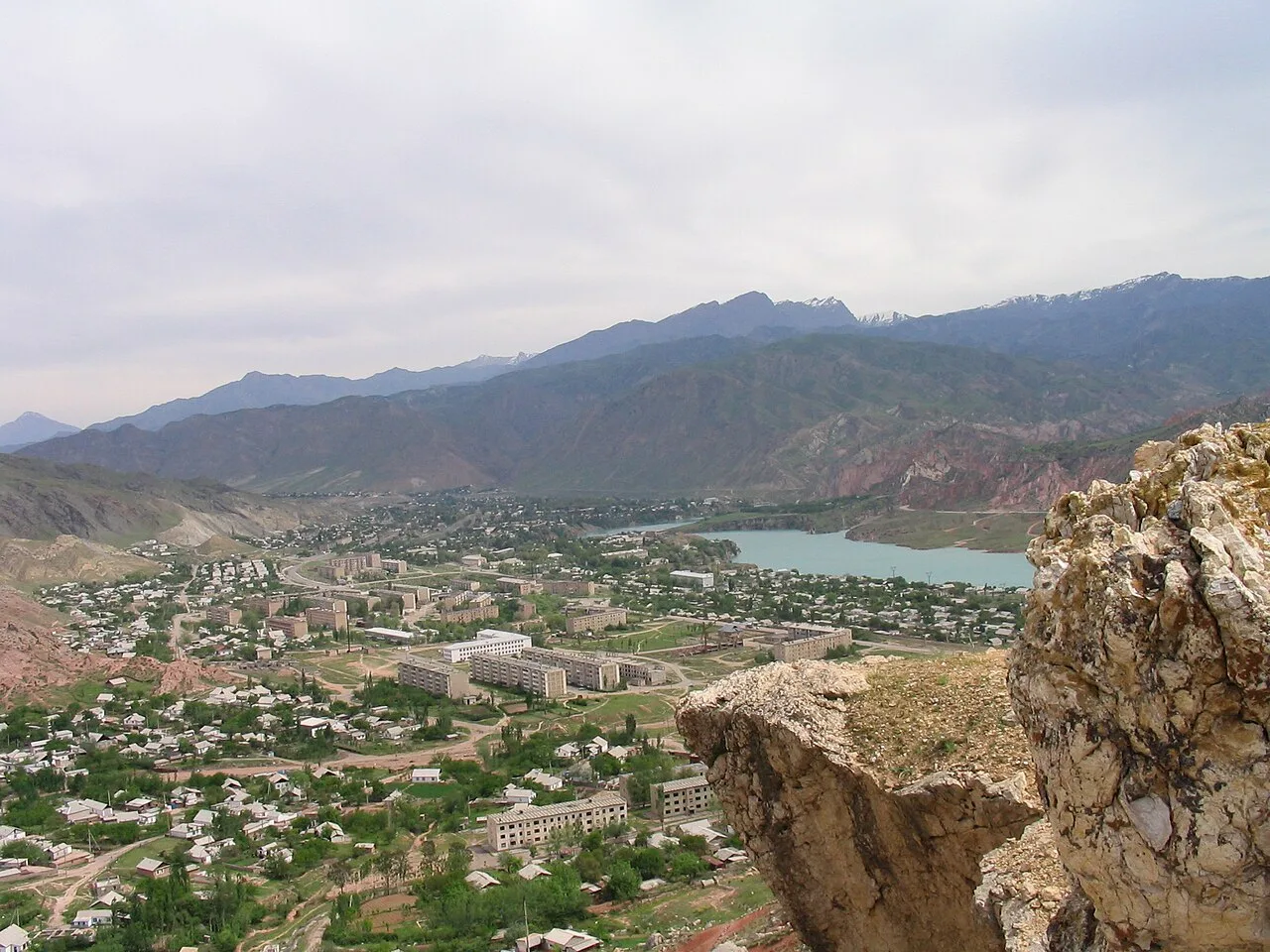
- Formerly a closed Soviet city, Mailuu-Suu has fascinating but decaying mid-century architecture.
- The area is infamous for its uranium tailings. Stick to established roads and paths, and consider a local guide.
- The local light bulb factory was once the biggest in Central Asia and is still a point of local pride.
- Public transport to the town is less frequent; checking marshrutka schedules from Jalal-Abad in advance is crucial.
🍽 Food
A popular meat skewer dish available in most small eateries in the town center.
Baked savory pastries with meat and onions, great for a quick snack.
🛍 Shopping · 🧘 Quiet spots
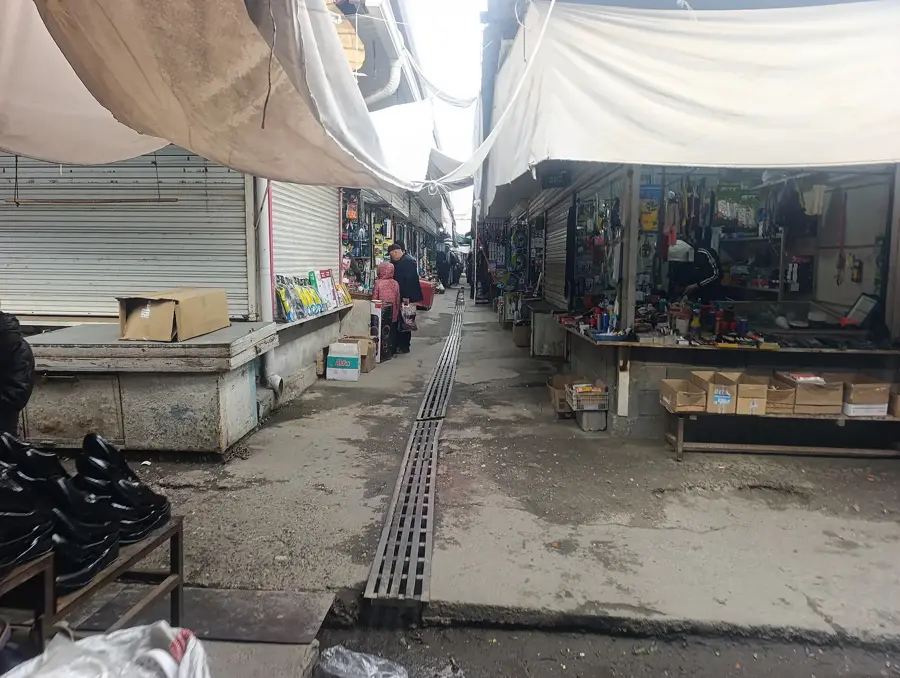
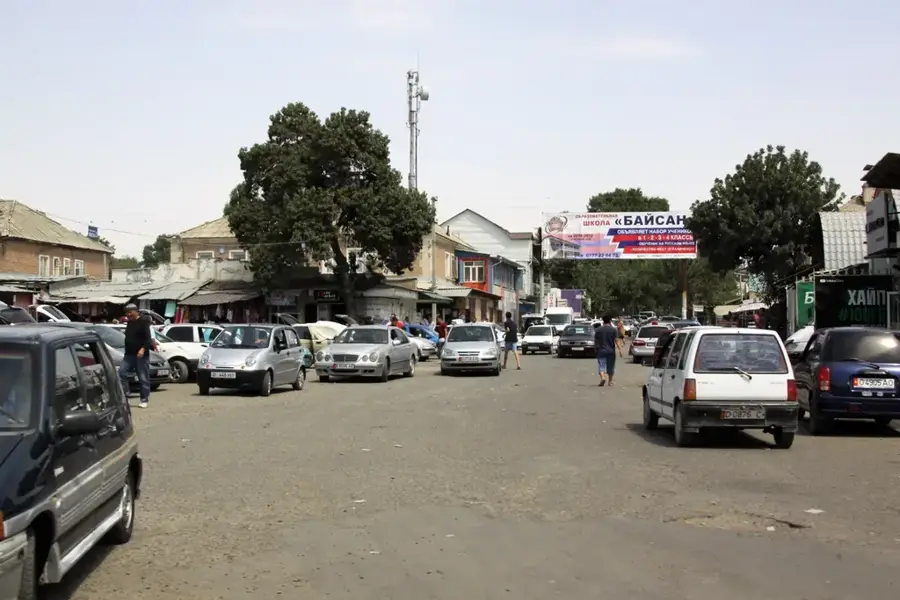
The central market provides everyday goods and a glimpse into the resilient local lifestyle.
Buy fresh bread straight from the tandoor oven early in the morning.
A remnant of the Soviet era, this park provides a quiet place to sit among the aging statues.
The bridges over the Mailuu-Suu river offer nice views of the valley and the town's layout.
Water temperature…
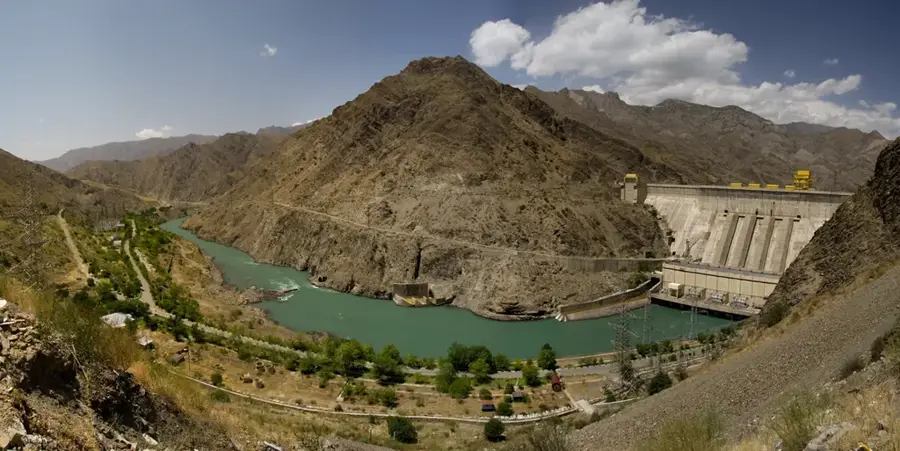
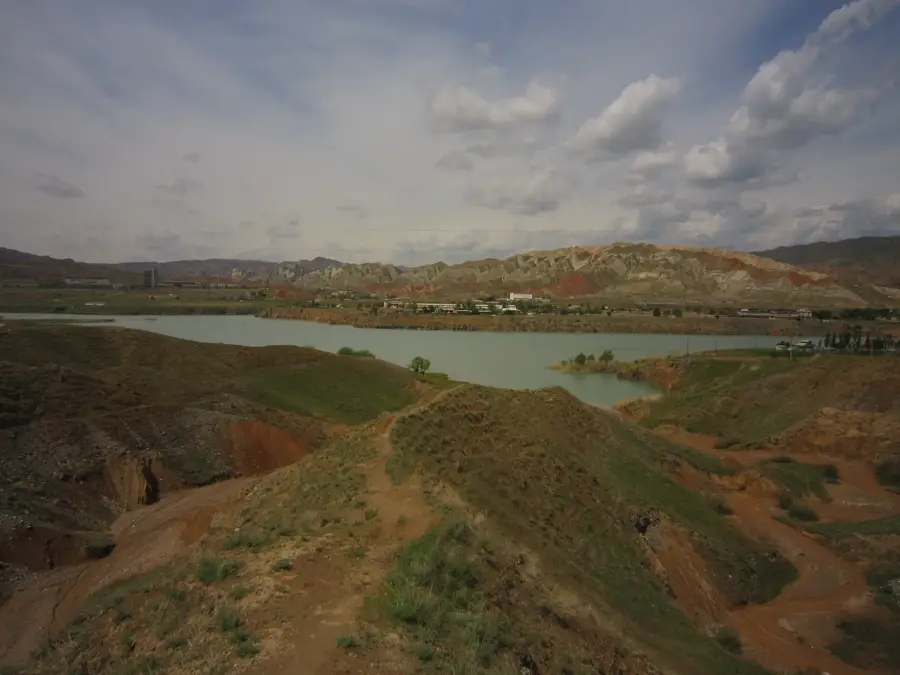
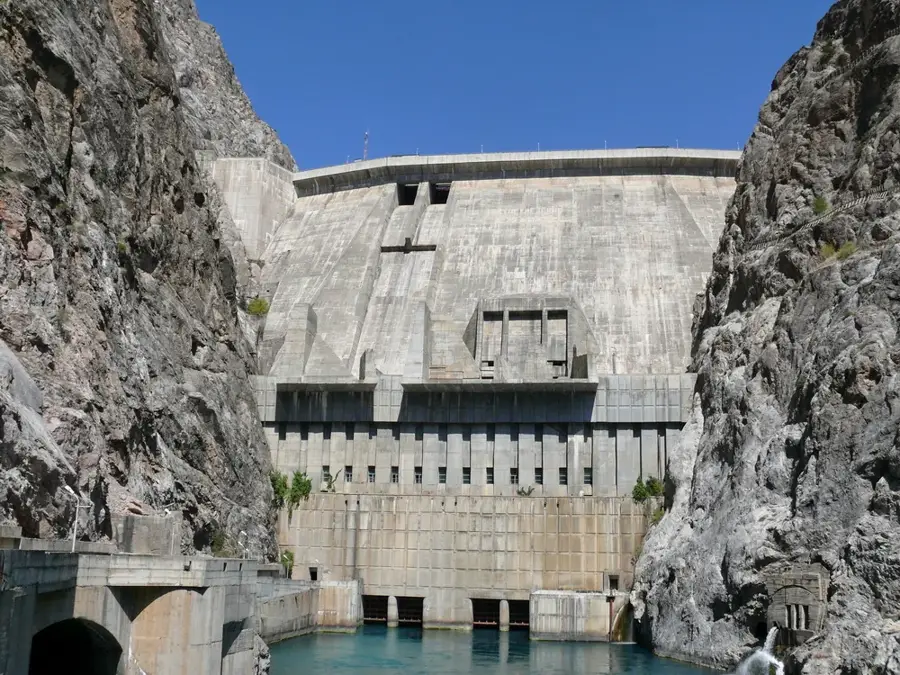
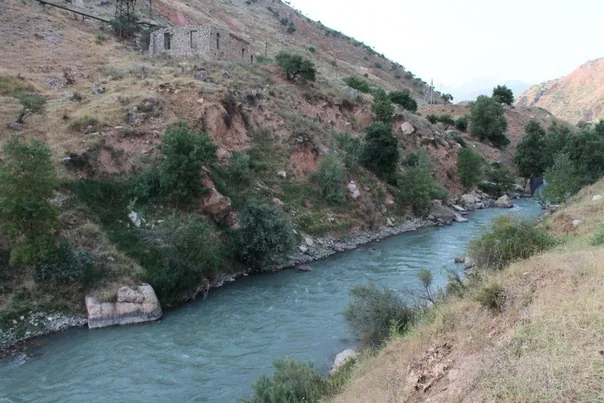
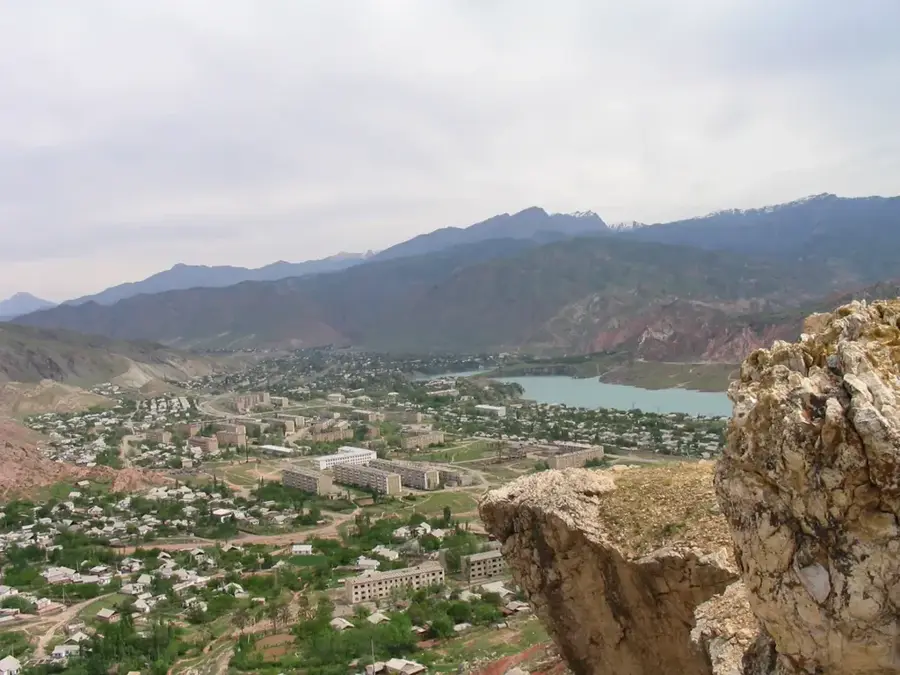
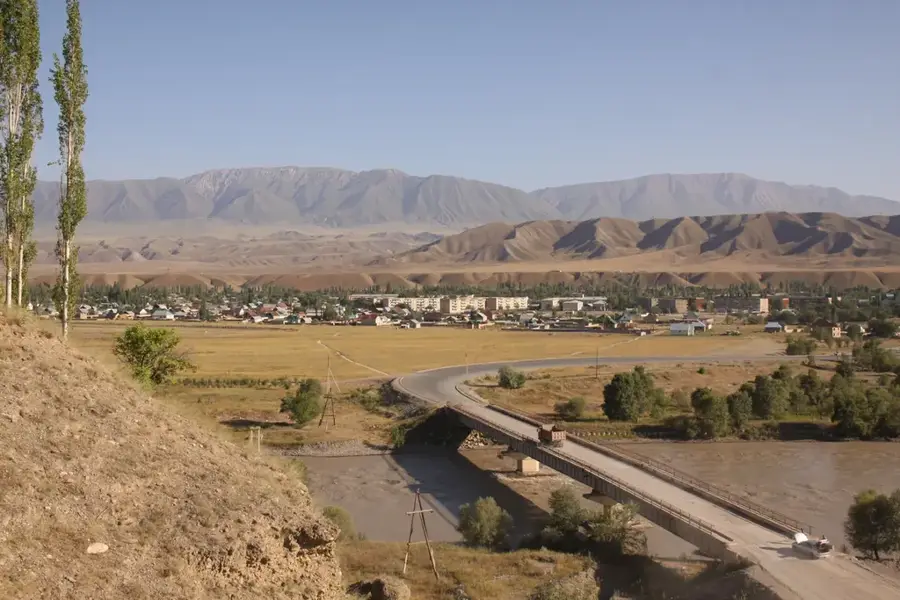
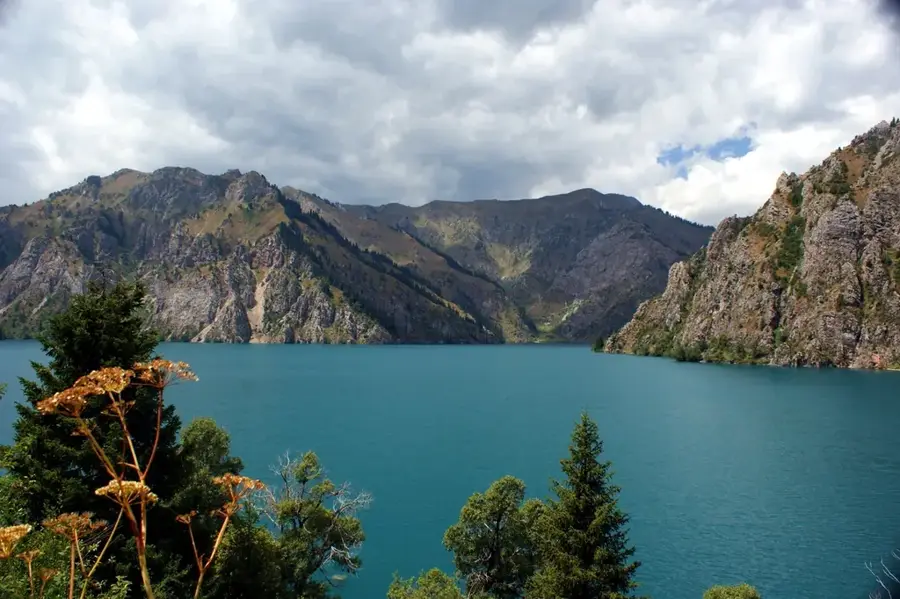
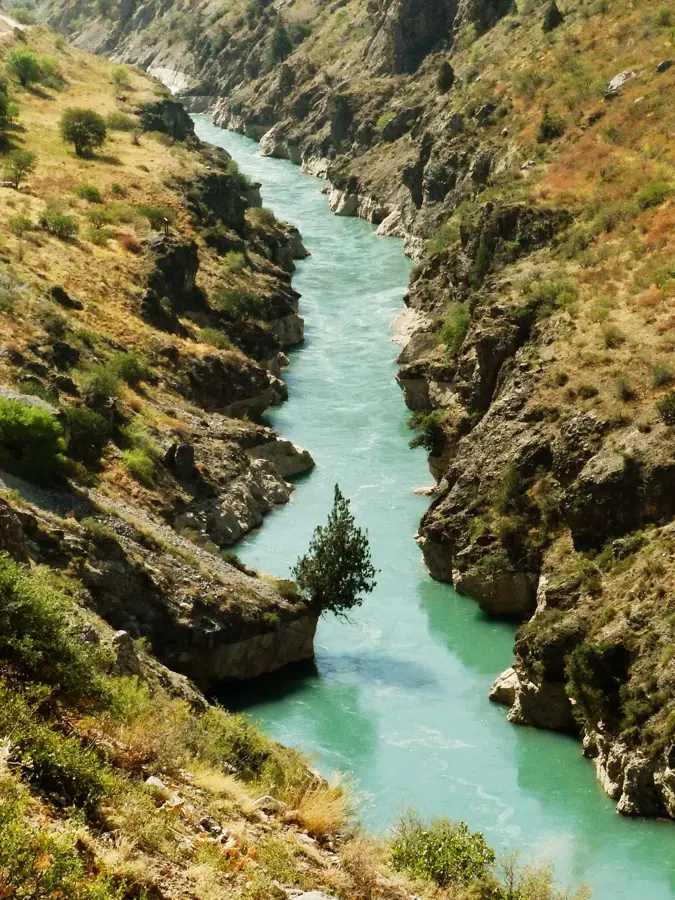
Mailuu-Suu lies in the Jalal-Abad Region at about 1000 metres above sea level in a narrow mountain gorge and is home to roughly 24,000 inhabitants today. In Soviet times the town was a strictly sealed closed city, where between 1946 and 1968 high-grade uranium ore was mined and processed for the Soviet nuclear weapons programme. More than ten thousand tonnes of radioactive sludge and tailings still sit in 23 often poorly secured dumps around the town, which led the Blacksmith Institute in the 2000s to list it among the ten most polluted places on Earth. Major international remediation programmes funded by the World Bank and the EU are currently under way. Economically the town regained some importance after the decline of uranium mining thanks to a large incandescent bulb and glass-tube factory that supplies much of Central Asia.
- Location: Kyrgyzstan
- Top sights: Uranium Legacy History Museum · Tserkov'
- Nearby: Kochkor-Ata (8 km)
Best time to visit & climate
The most pleasant time to visit is Jun–Aug.
| Jan | Feb | Mar | Apr | May | Jun | Jul | Aug | Sep | Oct | Nov | Dec | |
|---|---|---|---|---|---|---|---|---|---|---|---|---|
| Avg °C | -5 | -3 | 4 | 10 | 15 | 20 | 23 | 22 | 16 | 9 | 2 | -4 |
| Rain mm | 21 | 30 | 36 | 40 | 29 | 18 | 8 | 7 | 7 | 23 | 33 | 27 |
Geography
Facts
- Was a 'closed city' during the USSR (P.O. Box 200).
- Home to one of the largest uranium tailing sites in the world.
- Features one of Central Asia's largest light bulb factories.
- Founded in 1946 due to uranium deposits.
- The city is located in a deep, narrow mountain gorge.
- International programs are working to secure the radioactive waste sites.
- Considered one of the most environmentally challenged cities globally.
Explore nearby
Notable places around

Route planner — Car & Motorhome
Where do you start? We build the route here, with stops and country notes along the way.
© OpenStreetMap contributors · OpenRouteService
Sights in the town Mailuu-Suu (2)
Frequently asked questions
Why is Mailuu-Suu known?
Is it safe to visit?
What can you visit in the city?
What is the scenery like?
How do you get to Mailuu-Suu?
Mailuu-Suu: where is it located?
Mailuu-Suu: what is there to see?
Mailuu-Suu: when is the best time to visit?
Mailuu-Suu: why is it worth visiting?

Nearby cities
History & landmarks
Nature
More places