Plizio Visual Lab

Aravan Petroglyphs

Plizio editorial teamData Sources
Landmark
—°4
Aravan Petroglyphs (Kyrgyzstan)

Weather…

The Aravan Petroglyphs are located near the city of Osh, carved into the cliffs of Dul-Dul-Too mountain within the Fergana Valley. These ancient rock carvings are internationally renowned for their depictions of the legendary 'Heavenly Horses'. These animals, known in ancient China as 'blood-sweating horses', were so highly valued by the Han Dynasty that they sparked military expeditions, significantly contributing to the expansion of the Silk Road. The site contains over 30 preserved drawings dating back to the 1st millennium BC, illustrating not only horses but also symbols associated with ancient fertility cults. Archaeologists regard Aravan as a sacred site where early nomads performed rituals to ensure prosperity and success. Today, the petroglyphs stand as a vital cultural heritage site, documenting the deep-rooted equestrian traditions and the complex spiritual life of Central Asia's ancient inhabitants.

Best time to visit & climate

The most pleasant time to visit is May, Jun, Sep.

JanFebMarAprMayJunJulAugSepOctNovDec
Avg °C2391420252826211483
Rain mm182529272214664162724

📋 Practical info

🚪
Visiting
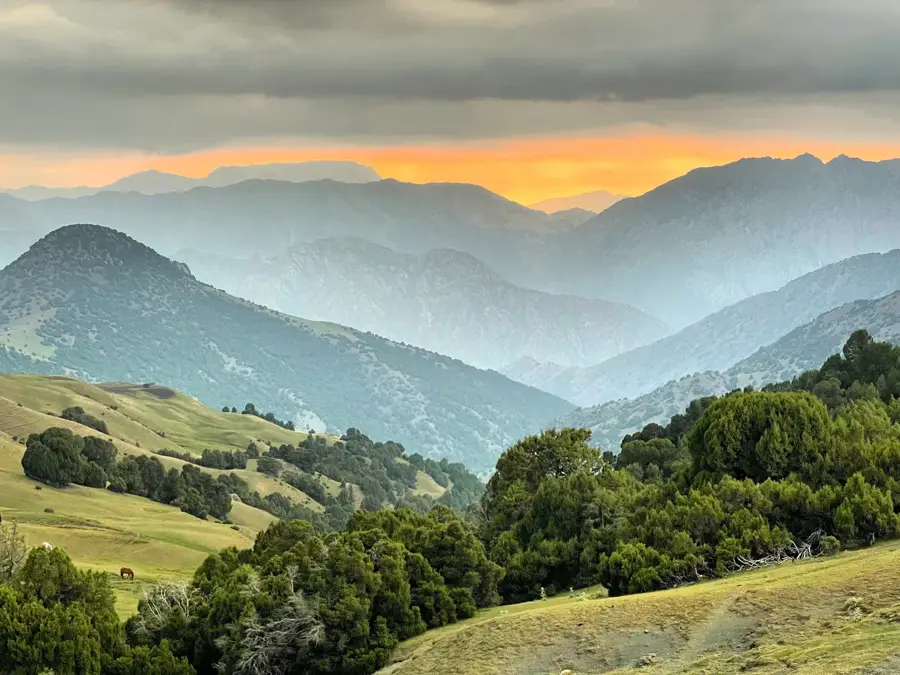
The Aravan Petroglyphs are situated on a gentle hillside in an open steppe landscape, completely unprotected by fences or gates. Visitors are free to wander among the hundreds of rock carvings, which are exposed to the elements, so no entry restrictions apply.
🕒
Typical hours
Because the Aravan Petroglyphs are an outdoor archaeological monument with no infrastructure, it is usually accessible from sunrise until dusk. There are no gates, ticket booths, or posted hours, so visitors can come at any time that suits them, though daytime is recommended for best viewing.
📷
Photography
Photography is fully allowed and encouraged for personal use; the open-air lighting is superb, especially in early morning or late afternoon. Avoid using flash directly on the carvings to prevent damage, and consider bringing a tripod for stable close-up images.
⏱️
Time needed
Most visitors find 90 minutes sufficient to see the key carvings, but serious enthusiasts should budget two hours or more. The site is compact yet requires walking on uneven terrain; allow extra time if you move slowly or wish to photograph extensively.
Combine with
Make time to explore the town of Aravan nearby, where you can sample local food and interact with residents. Additionally, look for other petroglyph sites in the immediate area that are less visited but equally fascinating.
🧭
Getting there
The petroglyphs are located a few kilometers from the town of Aravan in southern Kyrgyzstan. The easiest way to reach the site is by hiring a taxi from Aravan or taking a shared marshrutka from Osh to Aravan and then a short taxi ride.
💡
Insider tip
Visit early in the morning to see the carvings illuminated by soft, low-angle sunlight that enhances the details. Bring plenty of water and sun protection, as there is no shade on the exposed hillside.

Geography

Coordinates
40.51530, 72.50110

Facts

  • The petroglyphs date from the 2nd-1st millennium BCE.
  • They are located at an elevation of 1,500 meters.
  • Over 200 individual engravings exist.
  • The cliffs are limestone, about 20 meters high.
  • The site has been protected since 2003.
  • The most common depiction is the Siberian ibex (Capra sibirica).

Explore nearby

Notable places around
Route planner — Car & Motorhome

Where do you start? We build the route here, with stops and country notes along the way.

Vehicle
Only stops with (optional):

© OpenStreetMap contributors · OpenRouteService

Sights in the town Aravan Petroglyphs (4)

Chil'-Ustun🌿 nature

This limestone cave in the Chil-Ustun mountains is famous for its spectacular stalactites and the 'Hall of 40 Columns'.

Shirmonbuloq jome' masjidi📍 landmark

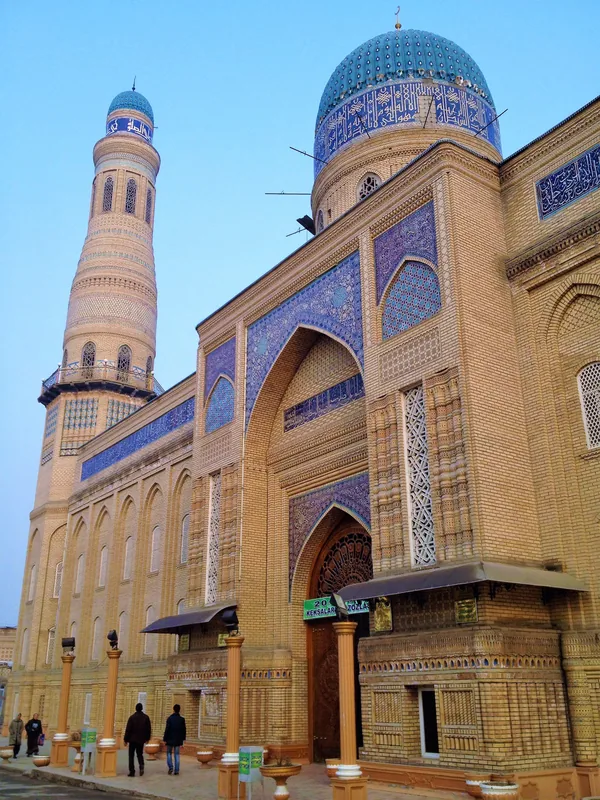
A Friday mosque named after a holy spring, serving as a spiritual center in the Aravan region.

Qaqir jome' masjidi📍 landmark

This Muslim prayer hall is a central meeting point for believers in the rural area of Aravan.

Nayman jome' masjidi📍 landmark

A traditional Friday mosque in the Nayman neighborhood, used for weekly religious gatherings.

Sights nearby

Frequently asked questions

What do the Aravan petroglyphs show?
They show famous "celestial horses," people, and animals from the Bronze and Iron Ages.
Where exactly are the rock carvings located?
They are on the rock faces near the town of Aravan in the Fergana Valley, south of Osh.
Is access to the petroglyphs free?
Yes, most rock carvings are freely accessible, but you may have to climb up the rocks in some places.
Is a guide needed?
A local guide helps to find the often hidden or weathered images more quickly.
When is the light best for photography?
Early morning or late afternoon provides the best oblique light to make the engravings visible.
Aravan Petroglyphs: where is it located?
Aravan Petroglyphs is located in Kyrgyzstan.
Aravan Petroglyphs: what is there to see?
Highlights include Chil'-Ustun, Shirmonbuloq jome' masjidi, Qaqir jome' masjidi.
Aravan Petroglyphs: when is the best time to visit?
The most pleasant time to visit is May, Jun, Sep.
Aravan Petroglyphs: why is it worth visiting?

The Aravan Petroglyphs are located near the city of Osh, carved into the cliffs of Dul-Dul-Too mountain within the Fergana Valley.
View on map → The Top 50 Attractions → OpenStreetMap →
Asia
Explore with Plizio Discover more places in Asia
More places in Kyrgyzstan →

Nearby cities

History & landmarks
More places