Plizio Visual Lab
Rawaki Island
Weather…
Water temperature…
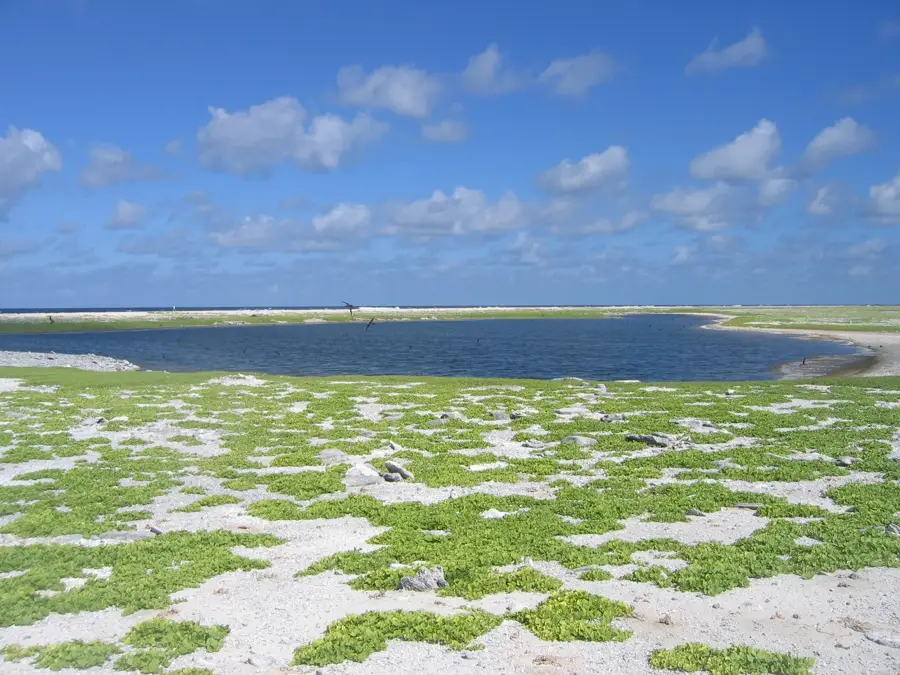
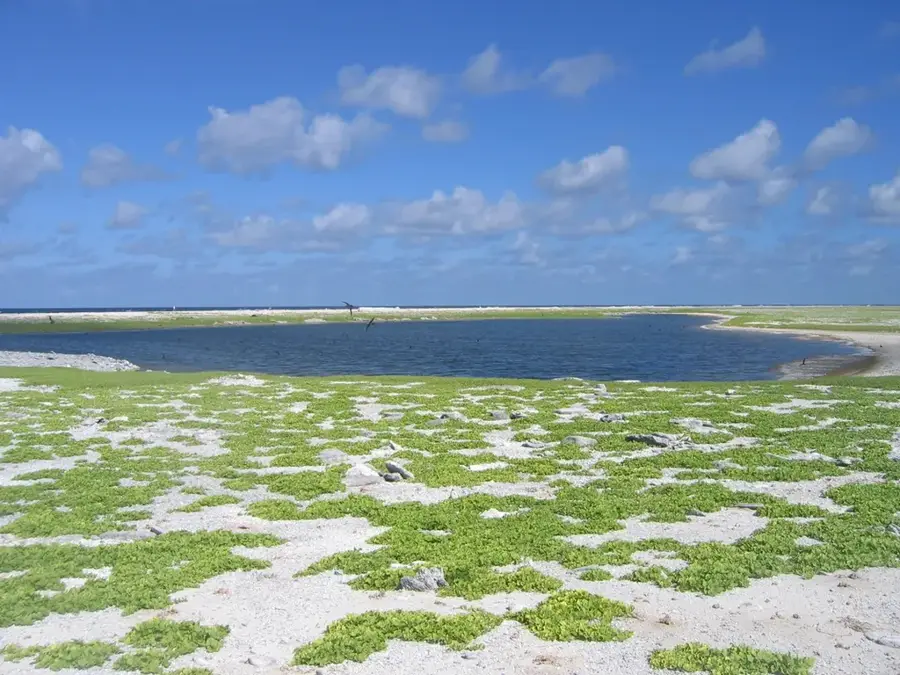
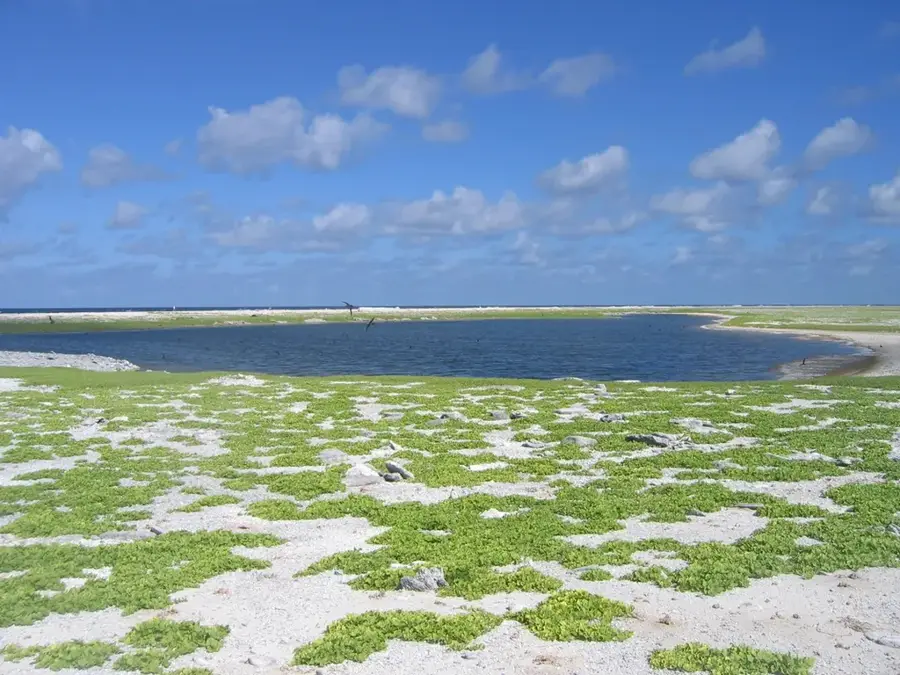
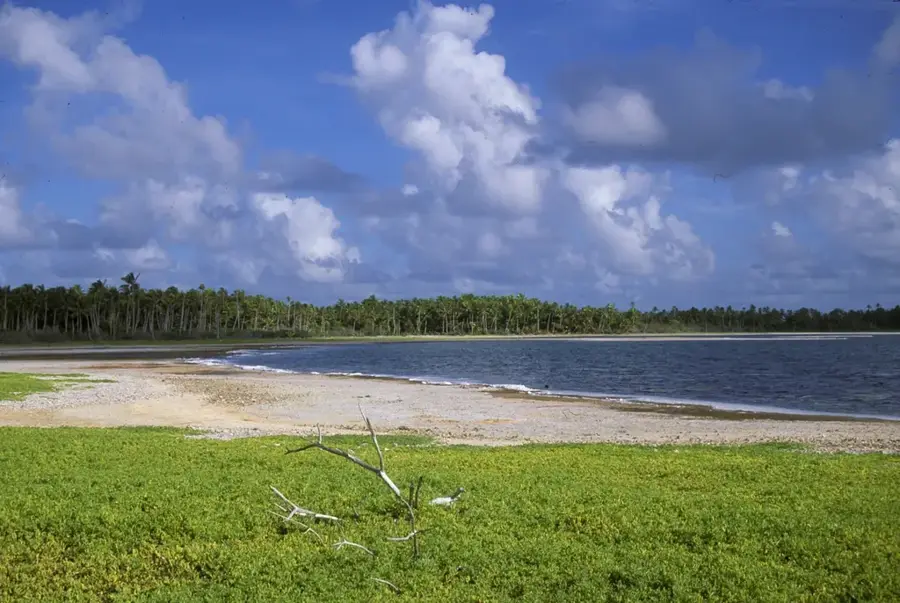
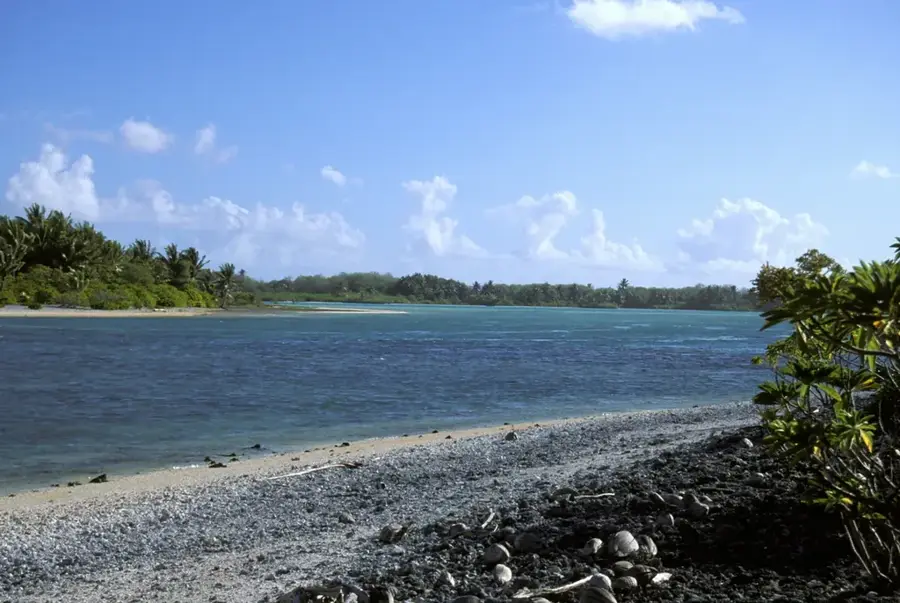
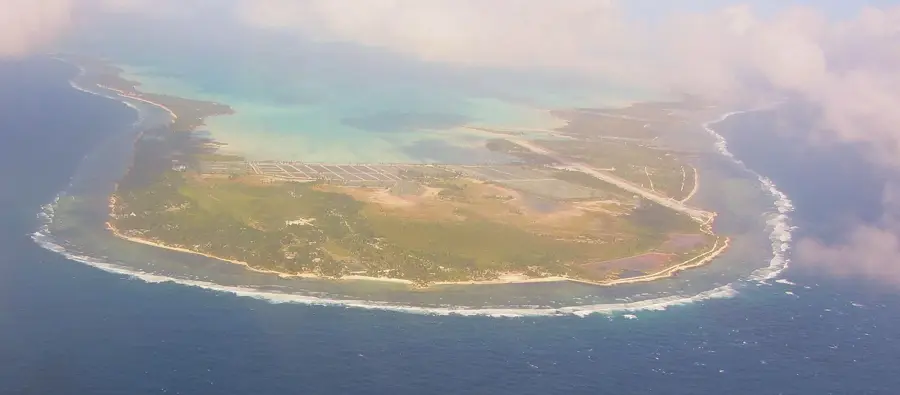
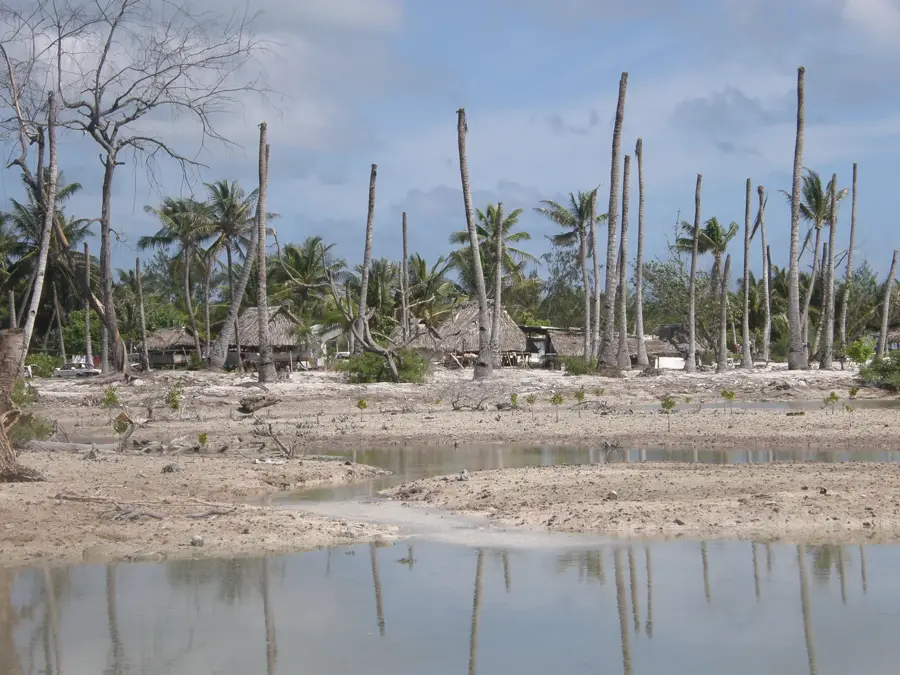
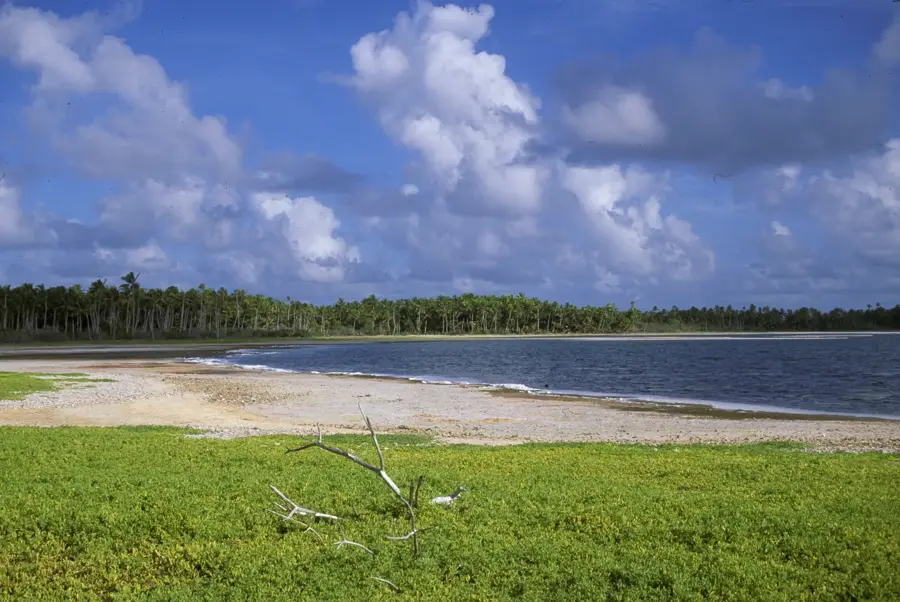
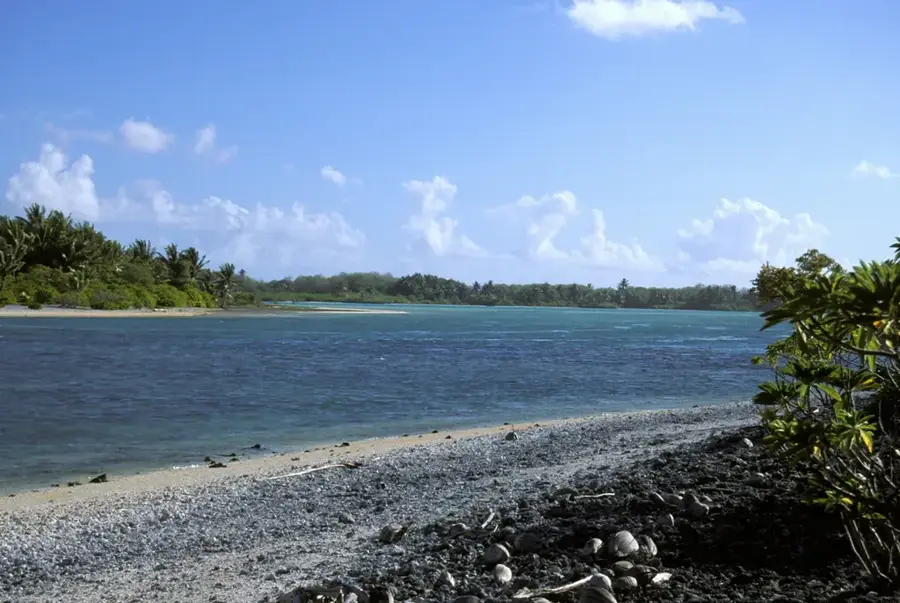
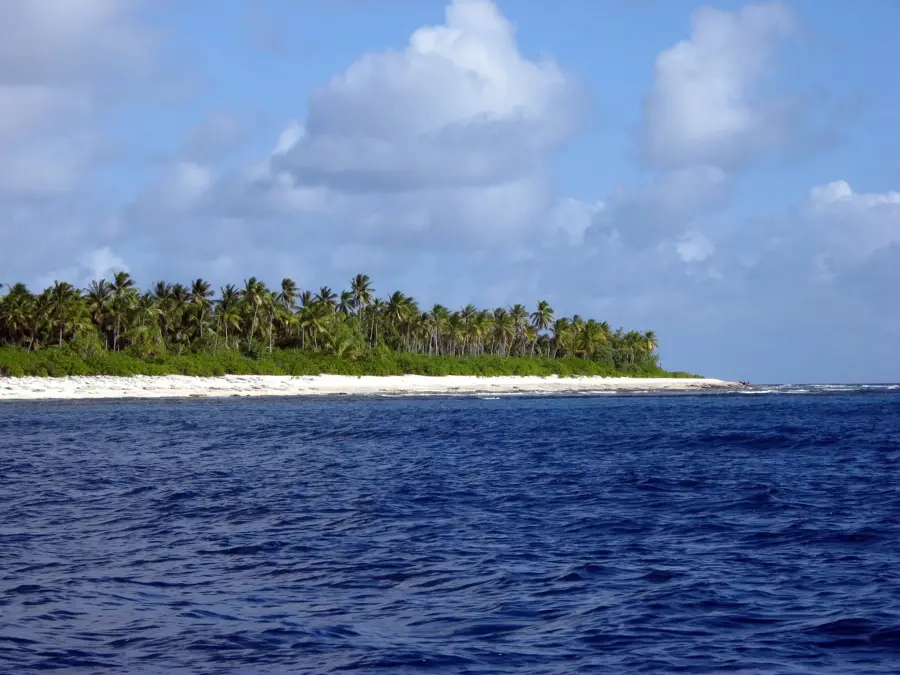
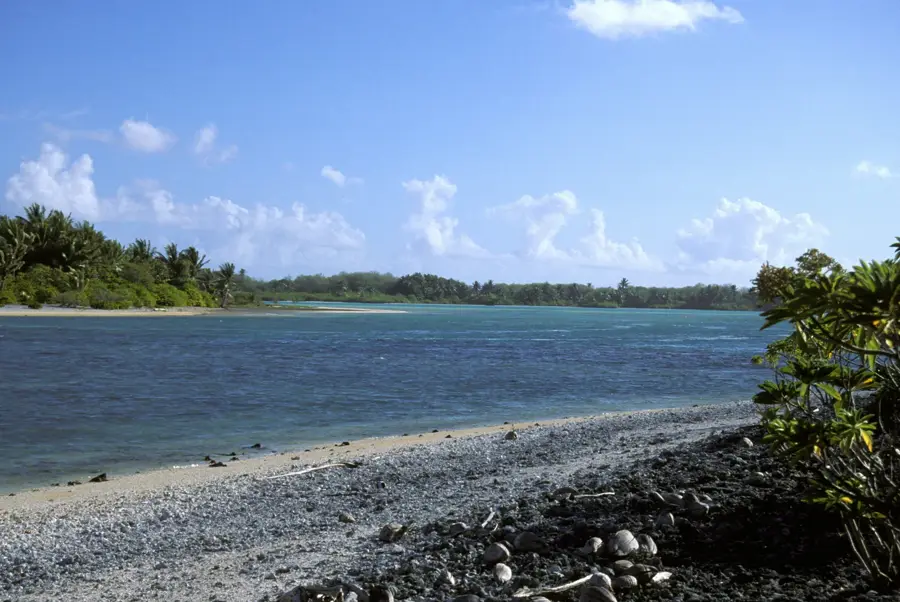
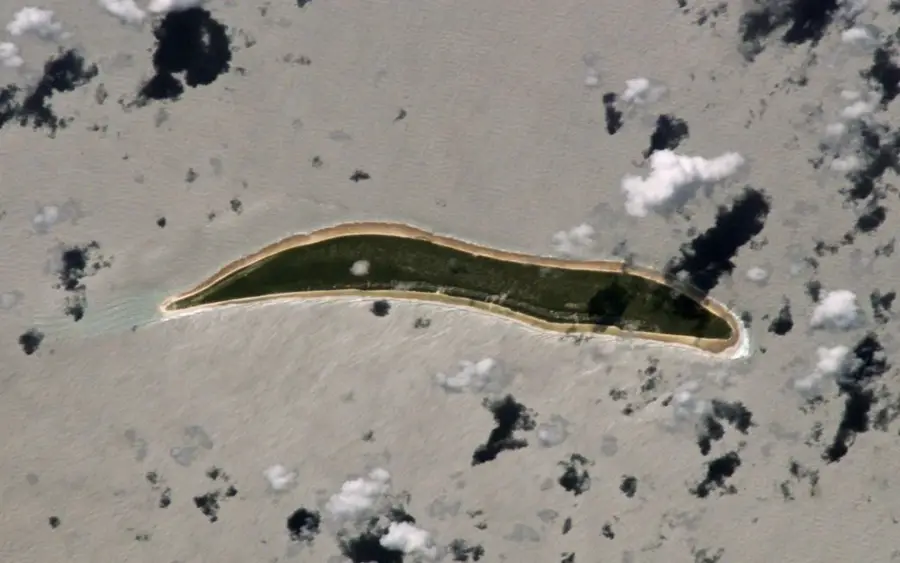
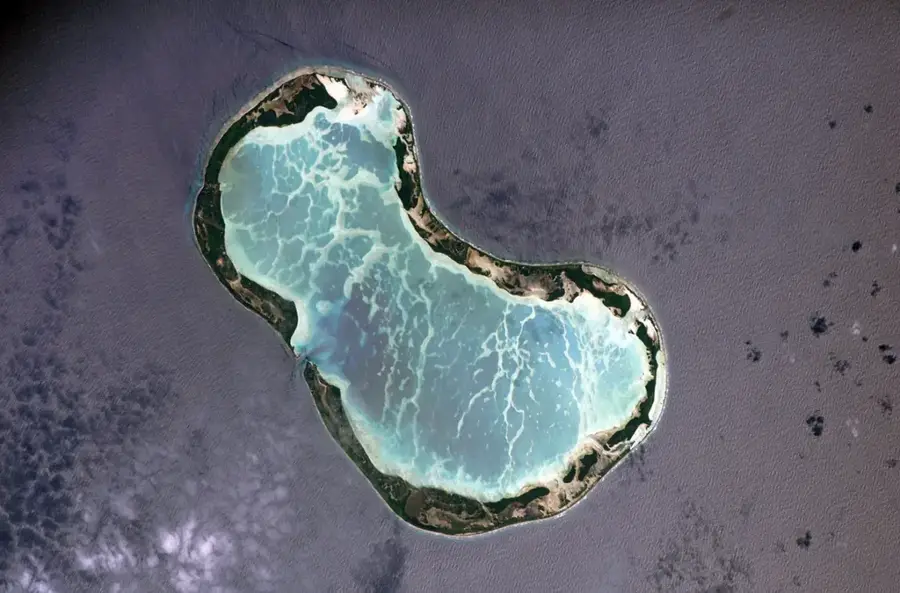
Rawaki Island, formerly known as Phoenix Island, is a small, uninhabited landmass in the central Pacific, part of the Republic of Kiribati. It is a key component of the Phoenix Islands Protected Area (PIPA), one of the world's largest marine sanctuaries. The island is characterized by a shallow, hypersaline central lagoon that has no natural pass to the open ocean. Rawaki is an absolute haven for ornithologists, boasting one of the highest densities of nesting seabirds in the region. Thousands of birds, including various species of terns and boobies, utilize this remote outpost as a secure breeding ground. While the island saw guano mining in the 19th century, it is now strictly dedicated to conservation. The surrounding waters are teeming with fish, and the coral reefs remain in pristine condition. Due to its extreme isolation, Rawaki has remained largely undisturbed by human influence, making it a critical site for scientific research on climate change and marine biodiversity. Access is highly restricted to ensure the continued protection of its fragile natural balance.
Best time to visit & climate
The most pleasant time to visit is Sep–Nov.
| Jan | Feb | Mar | Apr | May | Jun | Jul | Aug | Sep | Oct | Nov | Dec | |
|---|---|---|---|---|---|---|---|---|---|---|---|---|
| Avg °C | 28 | 28 | 28 | 28 | 28 | 28 | 28 | 28 | 28 | 28 | 28 | 28 |
| Rain mm | 92 | 124 | 97 | 96 | 60 | 65 | 51 | 51 | 36 | 38 | 38 | 92 |
📋 Practical info
Geography
Facts
- Area: 0.5 km²
- Maximum elevation: 2 m
- Discovered: 1606 by Pedro Fernandes de Queirós
- Central hypersaline lake: Laguna
- Important breeding site for red-footed booby
- Part of UNESCO World Heritage Phoenix Islands Protected Area
Explore nearby
Notable places around

Route planner — Car & Motorhome
Where do you start? We build the route here, with stops and country notes along the way.
© OpenStreetMap contributors · OpenRouteService
Sights in the town Rawaki Island (1)
Sights nearby
Frequently asked questions
Was Rawaki inhabited in the past?
What is the main attraction on Rawaki?
What is the climate like on Rawaki?
Are there coral reefs around Rawaki?
Can you go snorkeling there?
Rawaki Island: where is it located?
Rawaki Island: when is the best time to visit?
Rawaki Island: why is it worth visiting?
Nearby cities
History & landmarks
Nature