Plizio Visual Lab

Shushtar Historical Hydraulic System
Plizio editorial teamData Sources
historical-site
—°9
Shushtar Historical Hydraulic System (Iran)

Weather…

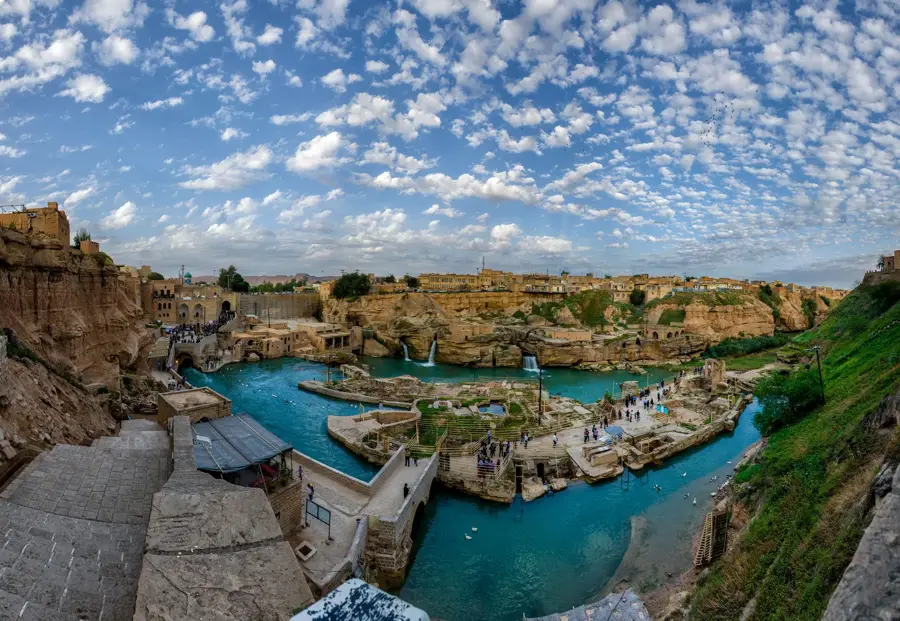
The Shushtar Historical Hydraulic System is a masterpiece of ancient engineering, with roots going back to the Achaemenid period in the 5th century BC, and substantially expanded by the Sassanids in the 3rd century AD. This complex network of dams, underground tunnels, canals, and watermills was designed to divert the flow of the Karun River to agricultural lands. The system irrigated approximately 40,000 hectares, powering mills and protecting settlements from floods. The centerpiece is a series of spectacular waterfalls cascading from tunnels carved into the rock. It is a remarkable testament to the profound understanding of hydrology by the ancient Persians.

Best time to visit & climate

The most pleasant time to visit is Mar, Apr, Nov.

JanFebMarAprMayJunJulAugSepOctNovDec
Avg °C121419253237393935292014
Rain mm4125292796501134250

📋 Practical info

🚪
Visiting
The Shushtar Historical Hydraulic System is accessible as an open-air museum and can be mostly viewed outdoors. Some structures like underground channels are partially walkable, other areas are closed for safety reasons.
🕒
Typical hours
The site is usually open daily from around 8:00 to 17:00, with hours varying by season. Fridays and holidays may have different schedules.
📷
Photography
Photography is allowed throughout the open-air site, but flash and tripods should be avoided in narrow channels and tunnels. Drone aerial shots typically require a special permit.
⏱️
Time needed
For a full tour of the mills, bridges and waterfalls visitors should allow at least 2 to 3 hours. A shorter route along the main water channels takes about one hour.
Combine with
In the city of Shushtar you can also visit the historic Shushtar Friday Mosque. The ancient city of Tustar with further Sassanid relics lies just a few kilometres away.
🧭
Getting there
Shushtar lies about 90 km north of Ahvaz and is reachable by bus or taxi from Ahvaz. The hydraulic system is on the outskirts of town and can be reached on foot or by short taxi ride from the centre.
💡
Insider tip
An insider tip is to visit in the late afternoon when golden light makes the waterfalls particularly easy on the eye. Sturdy footwear is recommended as paths can be partly wet and slippery.

Geography

Coordinates
32.04330, 48.85220

Facts

  • The origins of the system date back to the 5th century BC
  • Major expansions took place under King Shapur I (241–272 AD)
  • Roman prisoners of war helped build the Valerian Dam (Band-e Kaisar)
  • The water network irrigated an area of almost 40,000 hectares
  • The main canals Gargar and Shatit divert water from the Karun River
  • Since 2009, the hydraulic system has been on the UNESCO World Heritage list

Explore nearby

Notable places around
Route planner — Car & Motorhome

Where do you start? We build the route here, with stops and country notes along the way.

Vehicle
Only stops with (optional):

© OpenStreetMap contributors · OpenRouteService

Sights in the town Shushtar Historical Hydraulic System (9)

Saraye Afzal🏛 museum

This restored Qajar-era caravanserai now serves as a center for local handicrafts in Shushtar.

🕒 Mo-Fr 08:00-20:00

Salasel Castle🏺 historical

This historical fortress was a strategic part of the Shushtar hydraulic system for controlling water flow.

Kola Ferangi tower📍 landmark

This octagonal Qajar-era tower was used for monitoring water levels in the ancient irrigation system.

Band-e-Mizaan🏺 historical

An ancient Sassanid weir and dam that regulates the water flow into the Gargar river within the Shushtar hydraulic system.

Mar'ashi House🌿 nature

A historic Qajar-era residence offering panoramic views over the cascading waterfalls of the Shushtar hydraulic complex.

Lashkar bridge📍 landmark

A significant Sassanid-era bridge and dam that served as one of the main gates to the ancient city of Shushtar.

Azadegan Bridge📍 landmark

A functional bridge spanning the Gargar River, connecting the historical and modern sections of Shushtar.

Jameh Mosque⛪ religious

One of Iran's oldest mosques, featuring a blend of Abbasid and Safavid architectural styles with a unique carved wooden pulpit.

Emaamzaadeh Abdollaah⛪ religious

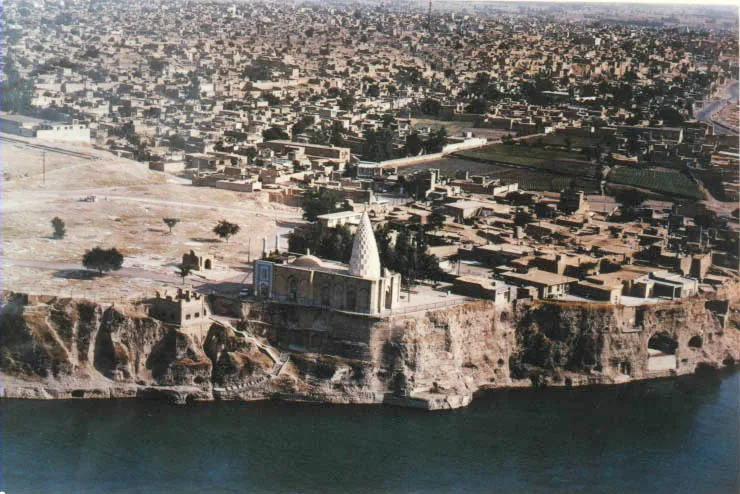
A holy shrine recognized by its striking multi-stepped conical dome, a classic example of southern Iranian religious architecture.

Sights nearby

Frequently asked questions

What is the Shushtar hydraulic system?
An ancient masterpiece of engineering from the Sassanid era for water diversion and powering mills.
Is the system still in operation today?
Parts of the canal system and the impressive waterfalls are still active and visible.
Are there good viewpoints?
Yes, from the upper town and the cliffs, you have a spectacular view of the waterfalls and basins.
Can the mills be visited?
Yes, some of the restored mills and underground tunnels are accessible to visitors.
What is the parking situation?
There are public parking lots near the main entrance in the city center of Shushtar.
Shushtar Historical Hydraulic System: where is it located?
Shushtar Historical Hydraulic System is located in Iran.
Shushtar Historical Hydraulic System: what is there to see?
Highlights include Saraye Afzal, Salasel Castle, Kola Ferangi tower.
Shushtar Historical Hydraulic System: when is the best time to visit?
The most pleasant time to visit is Mar, Apr, Nov.
Shushtar Historical Hydraulic System: why is it worth visiting?

The Shushtar Historical Hydraulic System is a masterpiece of ancient engineering, with roots going back to the Achaemenid period in the 5th century BC, and substantially expanded by the Sassanids in the 3rd century AD.
View on map → The Top 50 Attractions → OpenStreetMap →
Asia
Explore with Plizio Discover more places in Asia
More places in Iran →

More places