Plizio Visual Lab
Arak
ℹ️Practical info — Arak
▾
🌤 Weather — 5 days
📍 Nearby
Sights nearby
💡 Tips
- Arak is an industrial hub, but the historical Arak Bazaar is to experience traditional architecture and local commerce.
- Respect local dress codes: women must wear a hijab and modest clothing; men should avoid shorts.
- The best time to visit is spring (April/May) and autumn (September/October), as it gets very cold in winter and hot in summer.
- Taxis (both private and shared 'savari') are the best way to get around; agree on the price beforehand.
- Visit the historical Chahar Fasl Bathhouse, which now serves as a museum, for a glimpse of Qajar-era architecture.
🍽 Food
A traditional, rich meat and chickpea stew served in authentic local restaurants.
A traditional, slightly sweet local bread or pastry that you can find in bakeries around the bazaar.
Classic skewered grilled meat dishes available fresh at almost any local restaurant.
🛍 Shopping · 🧘 Quiet spots
Arak is historically famous for its high-quality carpets; explore the dedicated sections in the Arak Bazaar.
Look for handmade copper items in the old alleys of the bazaar.
Many visitors buy boxes of this durable traditional pastry to take back home.
One of the largest parks in the city, offering a pleasant atmosphere for a walk, especially in the evening.
Explore the calmer residential outskirts of the city to escape the industrial noise.
Water temperature…
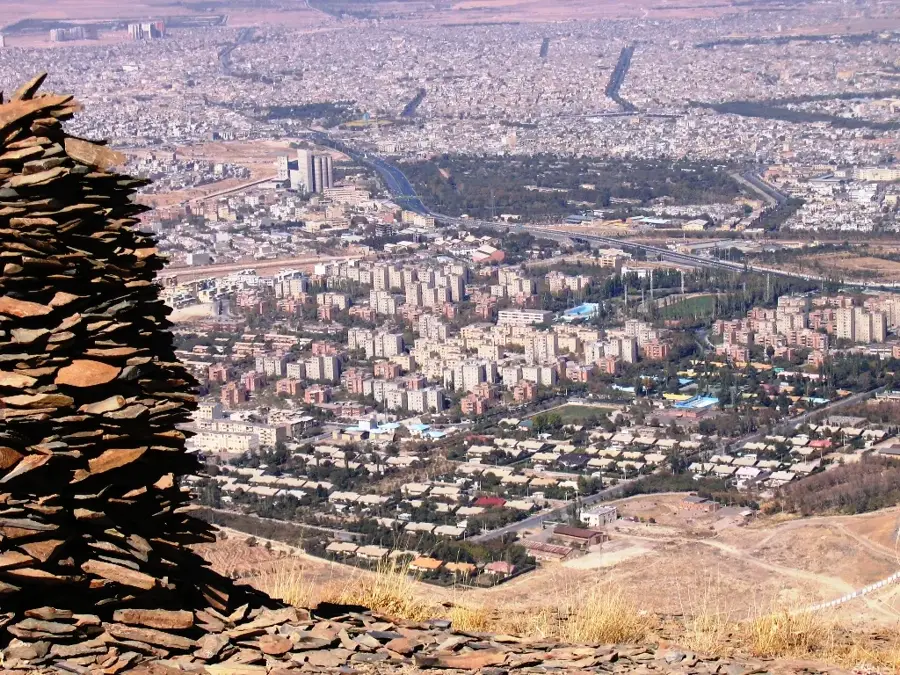
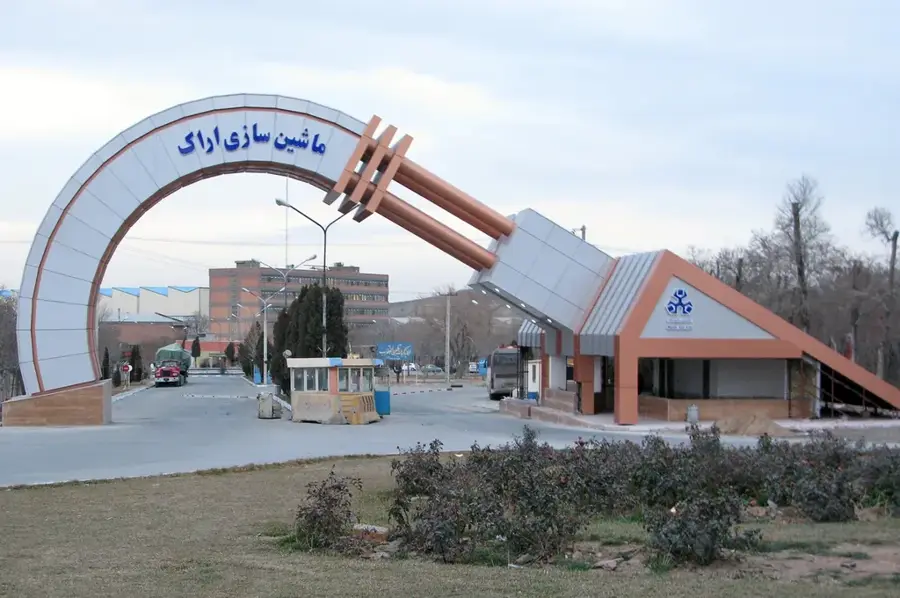
Arak is the capital of Markazi Province and stands as the premier industrial hub of Iran, often referred to as the country's industrial capital. Unlike many ancient Persian cities, Arak has a relatively recent history, having been founded in 1808 during the Qajar era by Yosef Khan-e Gorji. Originally named Sultanabad, it was built as a fortress town with a grid-like urban plan, a rarity in traditional Iranian architecture of that time. The city is situated at an elevation of 1,750 meters above sea level in the central plateau, bordered by the Zagros Mountains to the south and west. This location provides a semi-arid climate with hot summers and cold, snowy winters. One of the region's most notable natural features is Meyghan Lake, a large salt lake that hosts a variety of migratory birds, including thousands of flamingos. Economically, Arak’s importance skyrocketed in the late 20th century with the establishment of massive heavy industry complexes. It is home to Machine Sazi Arak, the Iranian Aluminum Company, and a significant petrochemical refinery, making it vital to the nation's energy and manufacturing sectors. Culturally, the city is renowned for its carpet weaving industry; the carpets of Arak and the nearby village of Sarough were among Iran's top exports to Europe and the US for decades. The historic Bazaar of Arak, dating back to the city's foundation, remains a bustling commercial center featuring beautiful brickwork and traditional architecture. Modern Arak is also a center for higher education, with several technical universities training the next generation of engineers and scientists. The Trans-Iranian Railway passes through the city, linking it to the Persian Gulf and the Caspian Sea, further cementing its role as a logistical nerve center. With a population of over 500,000, Arak continues to expand its urban boundaries, integrating modern residential districts with its industrial core while preserving the natural beauty of the surrounding high-altitude plains.
- Location: Iran
- Top sights: Bagh gharib · SoltanAbad · House of Handicrafts of Markazi province
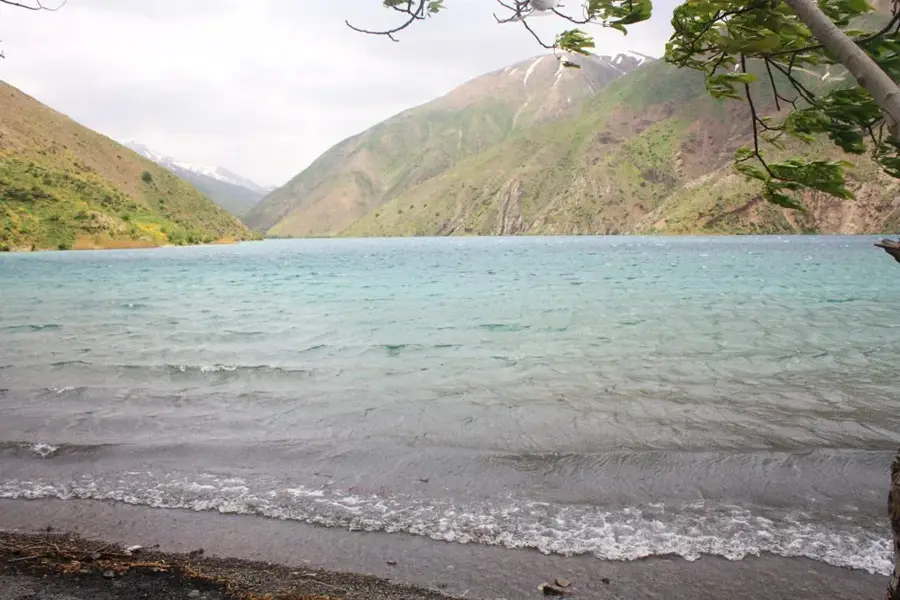
- Nearby: Gahar Lake (73 km)
- Population: ~503.647 (2024)
Best time to visit & climate
The most pleasant time to visit is Jun, Aug, Sep.
| Jan | Feb | Mar | Apr | May | Jun | Jul | Aug | Sep | Oct | Nov | Dec | |
|---|---|---|---|---|---|---|---|---|---|---|---|---|
| Avg °C | -1 | 1 | 5 | 10 | 16 | 23 | 26 | 25 | 21 | 14 | 5 | 1 |
| Rain mm | 35 | 30 | 44 | 54 | 19 | 8 | 2 | 1 | 1 | 21 | 37 | 40 |
Geography
Facts
- Arak was originally called Sultanabad until the early 20th century.
- It is known as the industrial capital of Iran due to its heavy manufacturing.
- The city's population is approximately 520,102 according to recent census data.
- Arak's grid-based urban planning is unique among historical Iranian cities.
- The city is a major producer of chemical and petrochemical products.
- Meyghan Lake near Arak is a primary source of sulfate in the region.
- The historic bazaar consists of a mosque, a school, and several public baths.
- Arak is strategically located on the main road and rail corridor of Iran.
Explore nearby
Notable places around

Route planner — Car & Motorhome
Where do you start? We build the route here, with stops and country notes along the way.
© OpenStreetMap contributors · OpenRouteService
Sights in the town Arak (14)
Abbasi Gallery🏛 museum
A cultural venue in Arak that hosts exhibitions of contemporary Persian painting and visual arts.
Frequently asked questions
What is the city of Arak known for?
Are there historical attractions in Arak?
What is the Meighan Wetland?
What is the climate like in Arak?
What can you visit in the surroundings of Arak?
Arak: where is it located?
Arak: what is there to see?
Arak: when is the best time to visit?
Arak: why is it worth visiting?