Plizio Visual Lab
Alam-Kuh
Weather…
Water temperature…
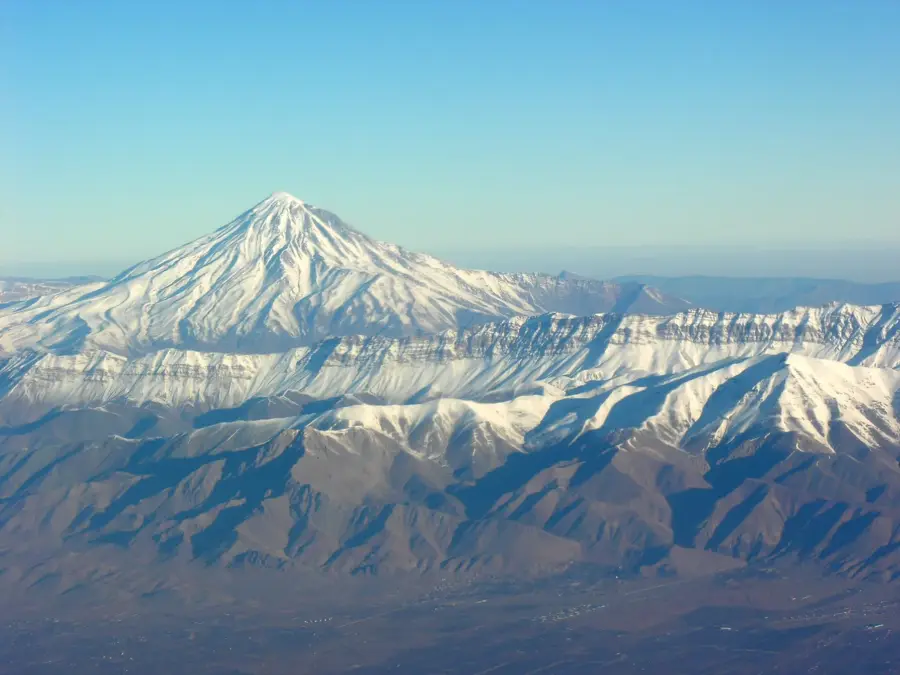
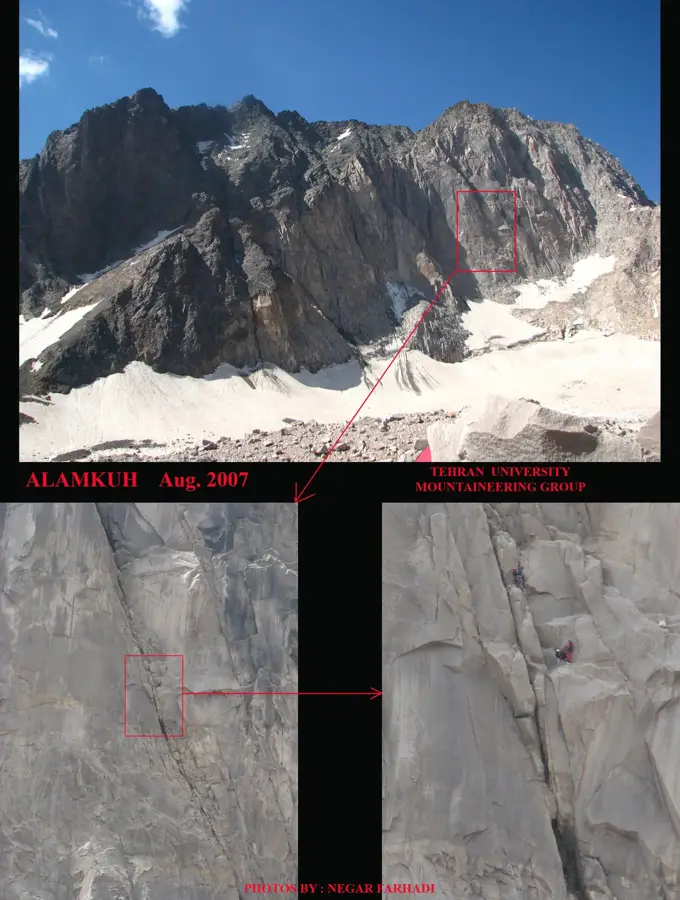
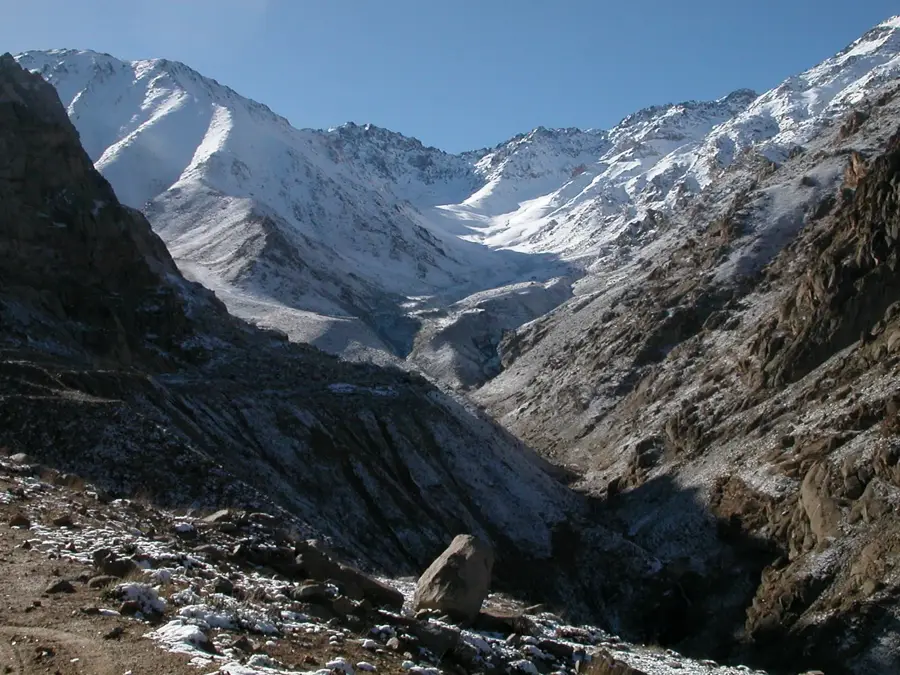
Alam-Kuh is the second highest peak in Iran and serves as the undisputed centerpiece of the spectacular Takht-e Soleyman massif within the pretty Alborz Mountains. The mountain has gained extraordinary international fame among climbers and mountaineers due to its massive, nearly vertical northern wall, composed of extremely hard solid granite. This formidable rock formation is considered one of the most difficult climbing challenges in the Middle East, with its technical difficulty frequently compared to the toughest routes in the European Alps. Its surroundings are dominated by Ice Age relics, glaciers that remain active today, and sharp, jagged ridges that are inaccessible to those without extensive experience. While extreme weather conditions make winter ascents almost impossible, the summer months attract countless professional expeditions eager to conquer the imposing granite cliff face.
- Location: Iran
- Top sights: Alam-Kouh · Takht-e Soleiman · Alamkuh Peaks National Natural Heritage
- Nearby: Alamut Valley (22 km)
Best time to visit & climate
The most pleasant time to visit is Jun–Aug.
| Jan | Feb | Mar | Apr | May | Jun | Jul | Aug | Sep | Oct | Nov | Dec | |
|---|---|---|---|---|---|---|---|---|---|---|---|---|
| Avg °C | -1 | 1 | 5 | 10 | 15 | 19 | 21 | 21 | 18 | 13 | 6 | 2 |
| Rain mm | 66 | 66 | 63 | 52 | 19 | 21 | 31 | 39 | 91 | 143 | 130 | 80 |
📋 Practical info
Geography
Facts
- The mountain peak dominates the surrounding region with an impressive altitude of 4,848 meters.
- The nearly vertical northern face, formed of solid granite, has a staggering height of approximately 800 meters.
- The first documented successful ascent of the peak by European climbers was achieved in the year 1933.
- In the massif surrounding Alam-Kuh, there are over 40 distinct mountain peaks that exceed the 4,000-meter mark.
- The area features the largest glaciers in Iran, including the nearly 7-kilometer-long Alamchal Glacier.
- The Vandarbeen base camp, the primary starting point for expeditions, is situated at an elevation of 2,600 meters.
Explore nearby
Notable places around


Route planner — Car & Motorhome
Where do you start? We build the route here, with stops and country notes along the way.
© OpenStreetMap contributors · OpenRouteService
Sights in the town Alam-Kuh (3)
Sights nearby
Frequently asked questions
Why is Alam-Kuh famous?
How long does a normal climb take?
Is experience required?
Where do I start the tour?
What is the best season?
Alam-Kuh: where is it located?
Alam-Kuh: what is there to see?
Alam-Kuh: when is the best time to visit?
Alam-Kuh: why is it worth visiting?

Nearby cities


History & landmarks
Nature
More places