Plizio Visual Lab

Landmannalaugar
Plizio editorial teamData Sources
valley
—°4
Landmannalaugar (Iceland)

Weather…

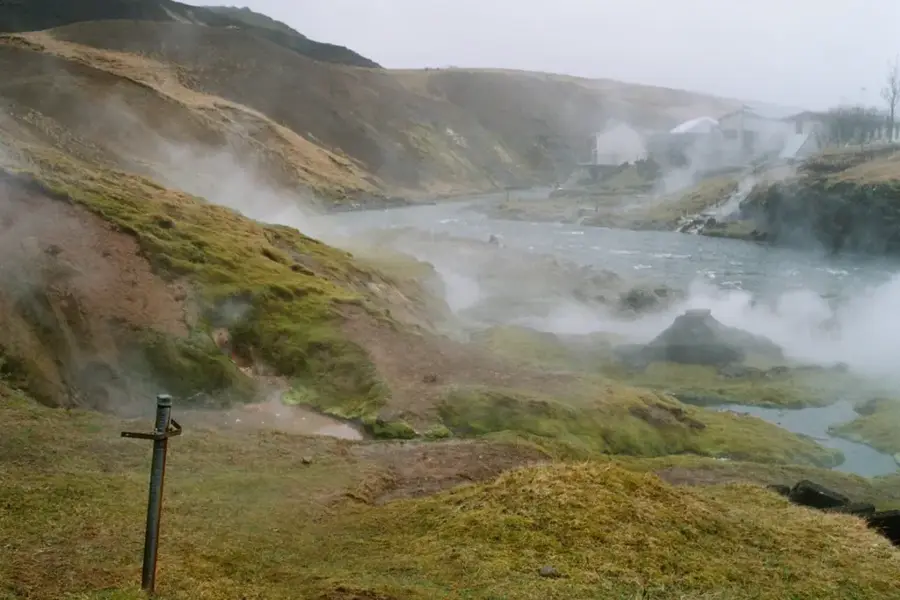
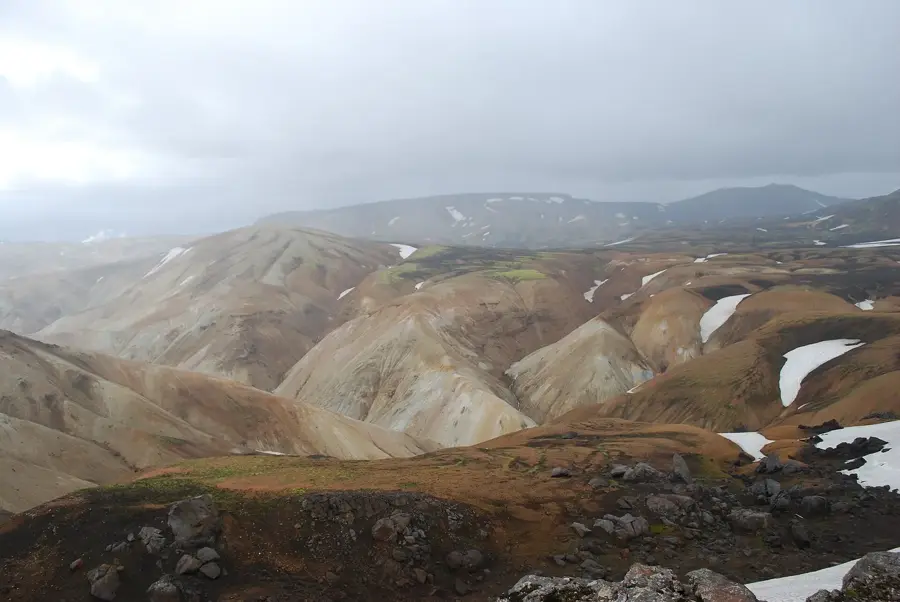
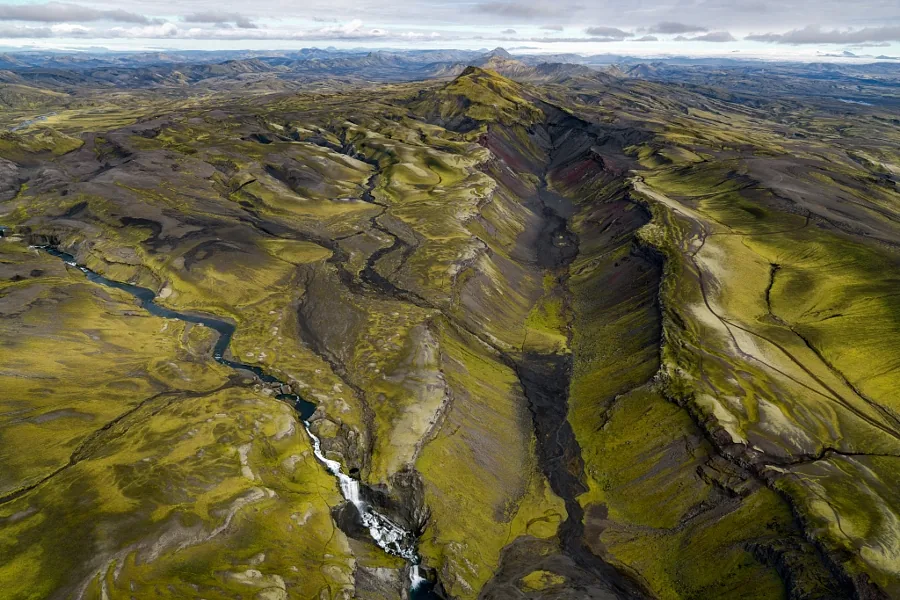
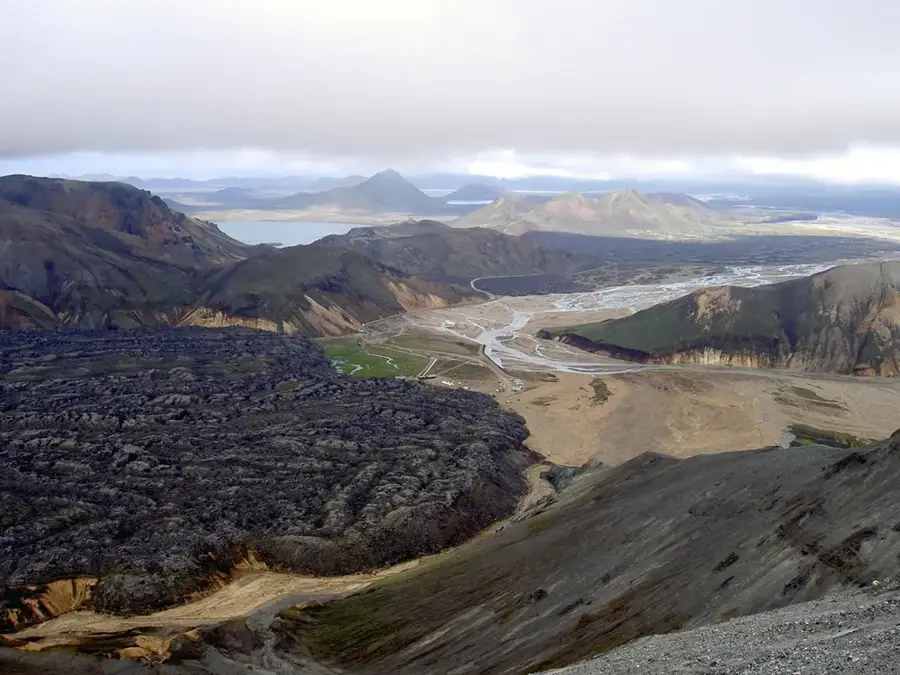
Landmannalaugar is a memorable geothermal region in the southern Highlands of Iceland, situated within the Fjallabak Nature Reserve. The area is globally renowned for its bustling rhyolite mountains, which display an incredible palette of colors including yellow, red, pink, and turquoise, caused by the unique mineral content of the volcanic rock. The landscape is dominated by the vast Laugahraun lava field, which was created during a volcanic eruption around the year 1477 and provides a stark contrast to the colorful slopes. The name translates to 'The People's Pools,' referring to the natural hot springs that have been used by travelers for bathing since ancient times. Landmannalaugar serves as the northern trailhead for the famous 55-kilometer Laugavegur trekking route, one of the most iconic hiking trails in the world. Geologically, it lies on the edge of the Torfajökull caldera, explaining the intense fumarole activity and the diverse rock formations found throughout the valley. Accessibility is strictly limited to the summer months via rugged F-roads, ensuring the preservation of its remote and pristine wilderness.

Best time to visit & climate

The most pleasant time to visit is Jun–Aug.

JanFebMarAprMayJunJulAugSepOctNovDec
Avg °C-4-4-3-1268741-3-4
Rain mm236219208170123122147159224220210236

📋 Practical info

🧭
Getting there
Access is mostly achieved by driving inland on unpaved F-roads from either the south or the west, navigating through desolate landscapes. A reliable 4x4 vehicle is legally required and essential for safely fording the rivers leading to the main camp.
📅
Best season
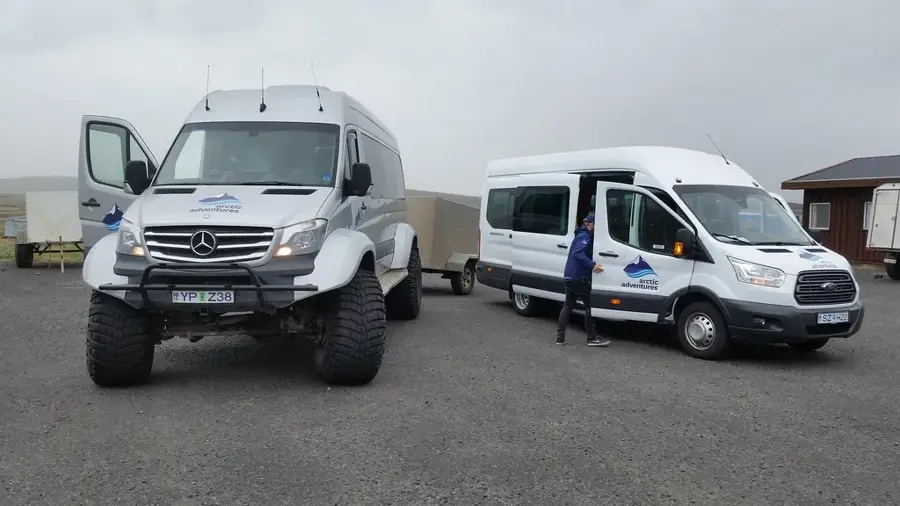
The rugged highland routes leading to the valley usually open in late June and reliably close with the first heavy snows in September. Specialized super-jeep tours can occasionally reach the area during winter, but independent driving is impossible.
⛰️
Terrain & paths
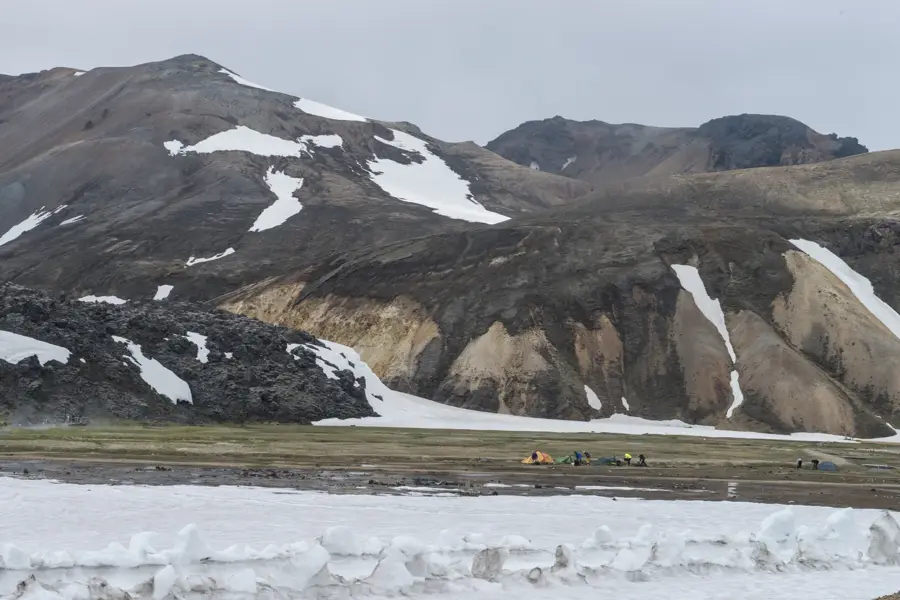
The region is famous for its brilliantly colored rhyolite mountains, vast obsidian lava fields, and numerous steaming hot springs. The hiking trails vary wildly from flat, easy valley floors to incredibly steep, loose scree slopes on the peaks.
🎒
What to bring
Sturdy hiking boots are strictly essential to handle the sharp obsidian rocks and muddy trails found throughout the nature reserve. Visitors must also bring a swimsuit and towel if they intend to bathe in the famous natural geothermal river.
🅿️
Parking
There is a very large, sprawling parking area situated just before the final, notoriously deep river crossing at the main base camp. Many cautious visitors choose to safely park here and use the pedestrian bridge rather than risk driving through the water.
⚠️
Safety
The weather can easily fluctuate violently, bringing sudden blizzards or intense rainstorms even on a seemingly calm July afternoon. Always pack a detailed map, compass, and sufficient extra food, as mobile phone coverage is virtually non-existent here.
⏱️
Time needed
While a quick stop and a soak in the hot springs takes around three hours, the area is definitely best experienced through extensive hiking. Most visitors dedicate a full day, and many spend several days completing the famous long-distance trekking routes.

Geography

Coordinates
63.98300, -19.06700

Facts

  • The Laugahraun lava field was formed during a volcanic eruption around 1477.
  • The area is located within the Fjallabak Nature Reserve at 600 meters elevation.
  • The name Landmannalaugar translates to 'The People's Pools'.
  • Geologically, the region is part of the massive Torfajökull volcanic caldera.
  • It is the starting point for the 55-kilometer Laugavegur trekking trail.
  • The colorful mountains are primarily composed of silica-rich rhyolite rock.

Explore nearby

Notable places around
Route planner — Car & Motorhome

Where do you start? We build the route here, with stops and country notes along the way.

Vehicle
Only stops with (optional):

© OpenStreetMap contributors · OpenRouteService

Sights in the town Landmannalaugar (4)

Bláhnúkur📍 landmark

A distinctive rhyolite peak in Landmannalaugar with spectacular views.

Suðurnámur📍 landmark

A mountain in the Landmannalaugar region, known for its colorful landscapes.

Frostastaðavatn🌿 nature

A scenic lake and viewpoint in the Icelandic Highlands.

Landmannalaugar📍 landmark

A famous geothermal area in the highlands, known for its colorful mountains.

Sights nearby

Frequently asked questions

Do I need a 4x4 vehicle?
Yes, all routes involve F-roads with river crossings.
When is the best time to visit?
Only accessible in summer, from mid-June to early September.
Can you bathe in the thermal spring?
Yes, there is a natural hot river right next to the campsite.
Do I need to book hikes in advance?
Day hikes no, but huts for the Laugavegur trail must be booked months ahead.
Are there grocery stores there?
There is only the 'Mountain Mall' bus, selling limited supplies.
Landmannalaugar: where is it located?
Landmannalaugar is located in Iceland.
Landmannalaugar: what is there to see?
Highlights include Bláhnúkur, Suðurnámur, Frostastaðavatn.
Landmannalaugar: when is the best time to visit?
The most pleasant time to visit is Jun, Aug.
Landmannalaugar: why is it worth visiting?

Landmannalaugar is a memorable geothermal region in the southern Highlands of Iceland, situated within the Fjallabak Nature Reserve.
View on map → The Top 50 Attractions → OpenStreetMap →
Europe
Explore with Plizio Discover more places in Europe
More places in Iceland →

Nearby cities

History & landmarks
Nature

More places