Plizio Visual Lab
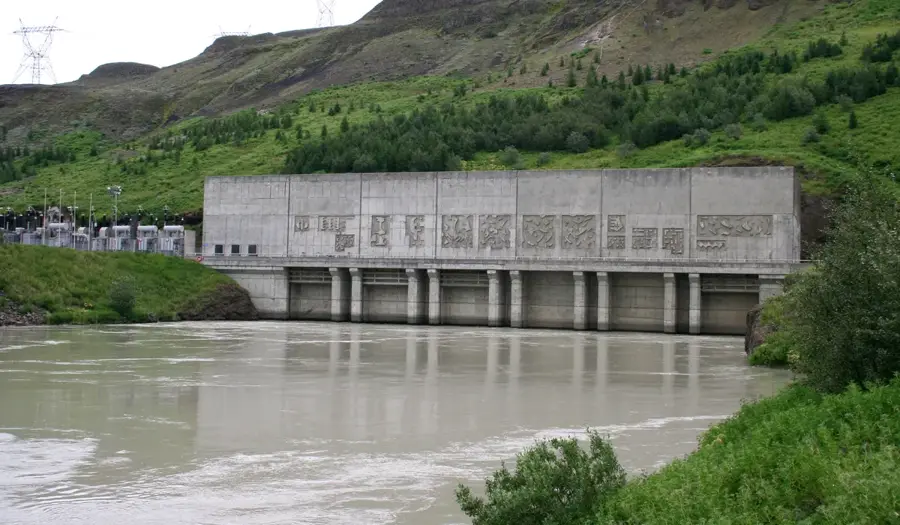
Hrauneyjafoss Hydropower Plant
Weather…
Water temperature…
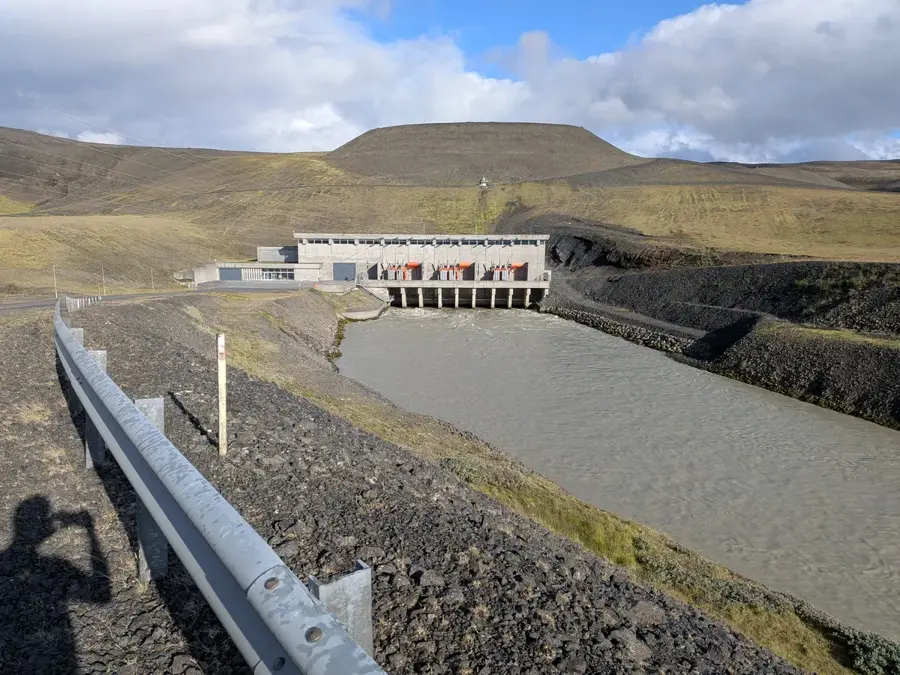
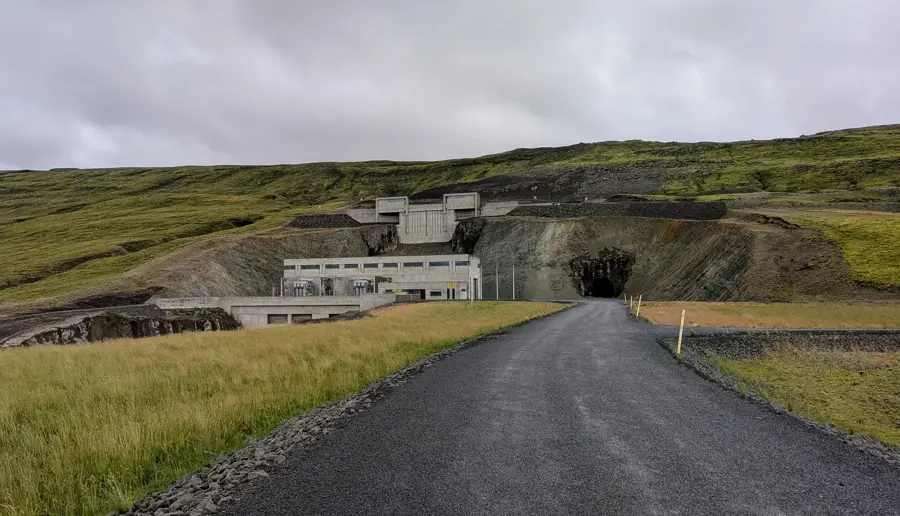
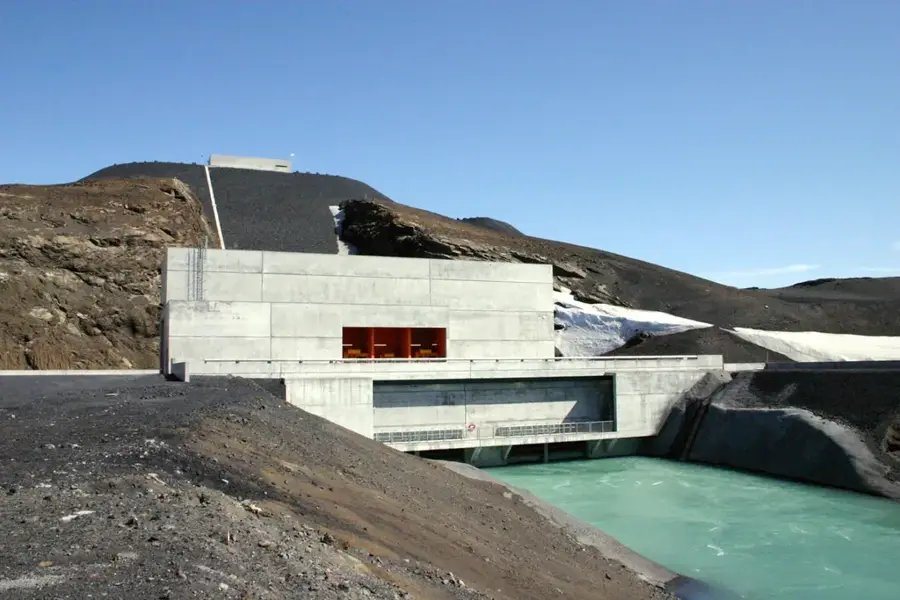
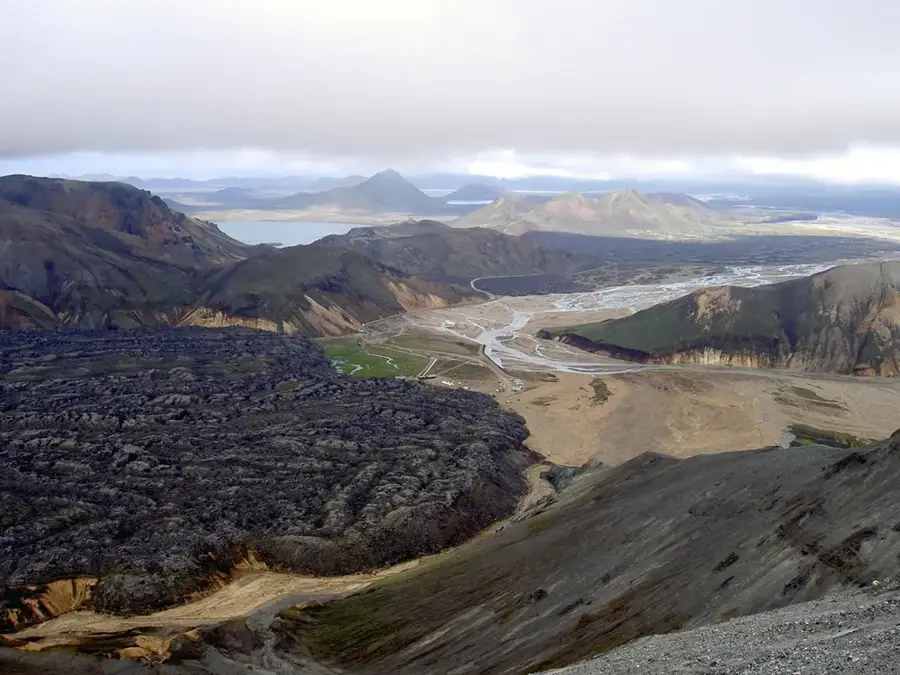
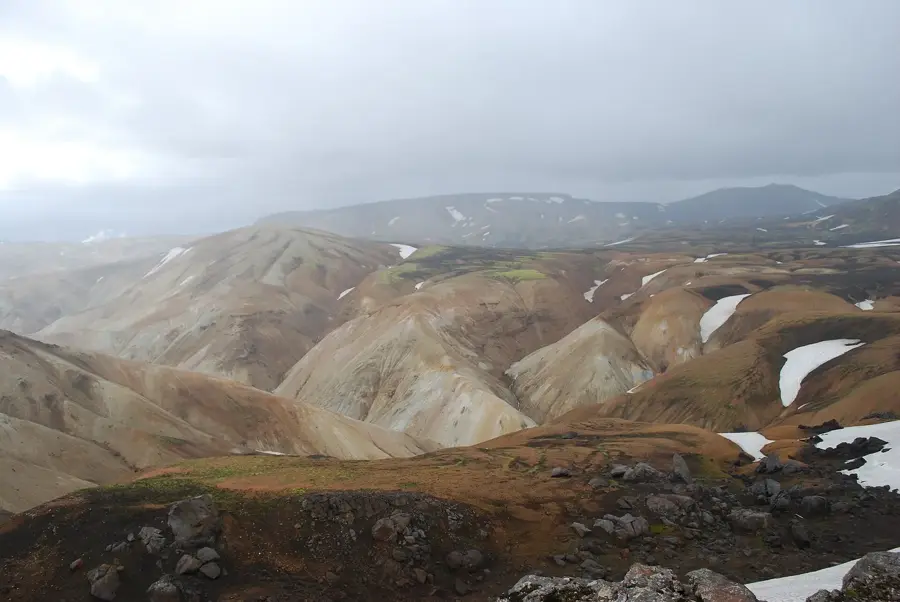
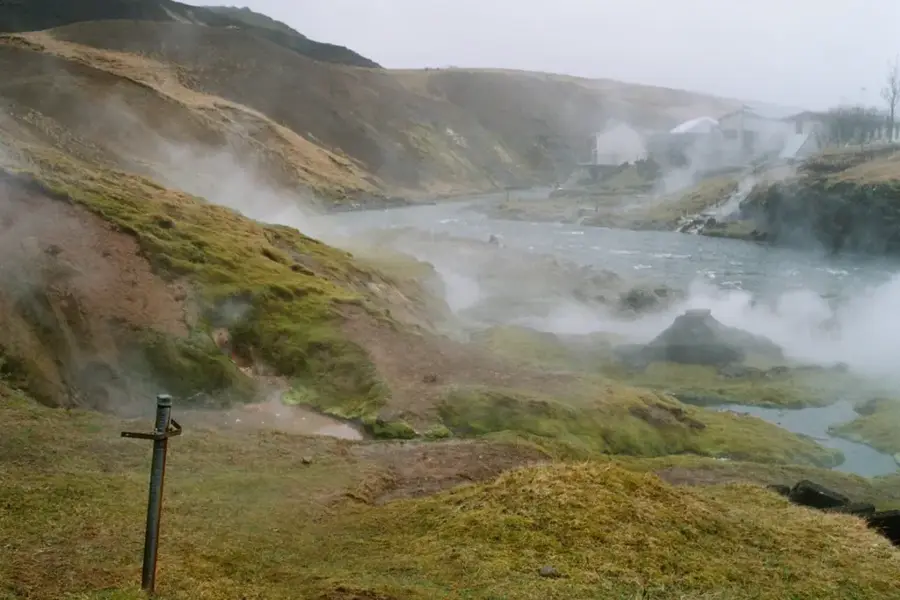
The Hrauneyjafoss Hydropower Plant is located in the southern highlands of Iceland on the Tungnaá River and was commissioned in 1981. With an installed capacity of 210 megawatts, it stands as one of the largest hydropower stations in the country and is a vital link in the energy cascade of the Þjórsá-Tungnaá river system. The facility utilizes a significant hydraulic head of 88 meters, with water delivered to the turbines through three massive steel penstocks. The construction of the plant was a strategic response to the rapidly increasing demand for electricity from Iceland's expanding industrial sector during the late 1970s and early 1980s. The Hrauneyjalón reservoir not only serves power production purposes but also acts as a prominent feature within the region's stark volcanic landscape. The station is noted for its high reliability and operational efficiency, and is now largely controlled remotely from the central operations center in Reykjavík. Hrauneyjafoss also functions as a key gateway for travelers venturing into the central highlands and the Fjallabak Nature Reserve.
- Location: Iceland
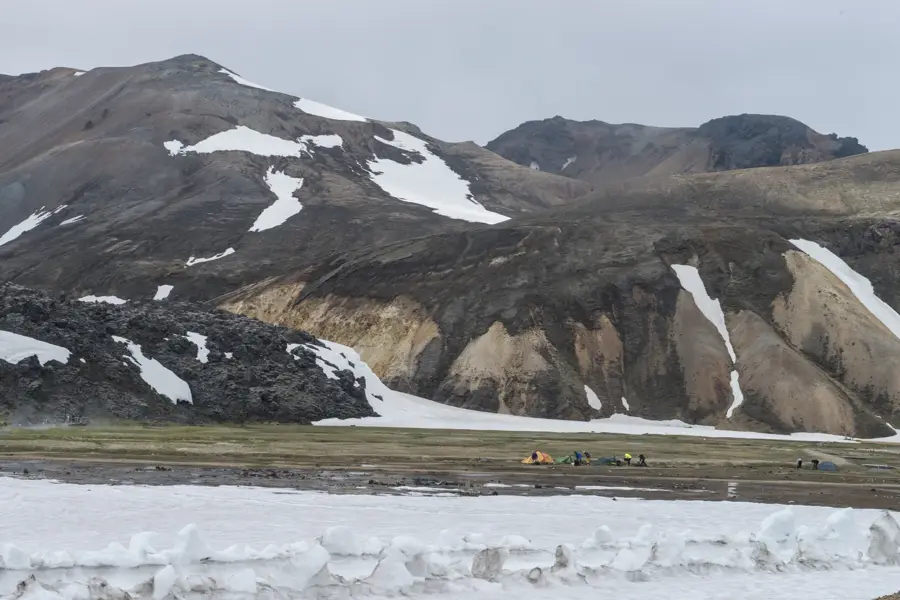
- Nearby: Landmannalaugar (25 km)
Best time to visit & climate
The most pleasant time to visit is Jun–Aug.
| Jan | Feb | Mar | Apr | May | Jun | Jul | Aug | Sep | Oct | Nov | Dec | |
|---|---|---|---|---|---|---|---|---|---|---|---|---|
| Avg °C | -4 | -4 | -3 | -1 | 3 | 7 | 8 | 7 | 5 | 1 | -3 | -4 |
| Rain mm | 223 | 205 | 196 | 154 | 111 | 108 | 130 | 139 | 209 | 190 | 193 | 224 |
📋 Practical info
Geography
Facts
- The power plant was commissioned in the year 1981.
- The total installed capacity of the plant is 210 megawatts.
- It operates with a hydraulic head of 88 meters.
- Three large Francis turbines are housed within the station.
- The reservoir created for the plant is called Hrauneyjalón.
- Hrauneyjafoss is the second-largest hydropower plant in the Þjórsá system.
Explore nearby
Notable places around
Route planner — Car & Motorhome
Where do you start? We build the route here, with stops and country notes along the way.
© OpenStreetMap contributors · OpenRouteService
Sights in the town Hrauneyjafoss Hydropower Plant (1)
Sights nearby
Frequently asked questions
How large is the Hrauneyjafoss power plant?
Why is it named Hrauneyjafoss?
Are there services for travelers nearby?
How does the power plant affect the landscape?
When should this area be avoided?
Hrauneyjafoss Hydropower Plant: where is it located?
Hrauneyjafoss Hydropower Plant: when is the best time to visit?
Hrauneyjafoss Hydropower Plant: why is it worth visiting?

Nearby cities
History & landmarks
Nature
More places