Plizio Visual Lab
Ingolfshofdi Nature Reserve
Weather…
Water temperature…
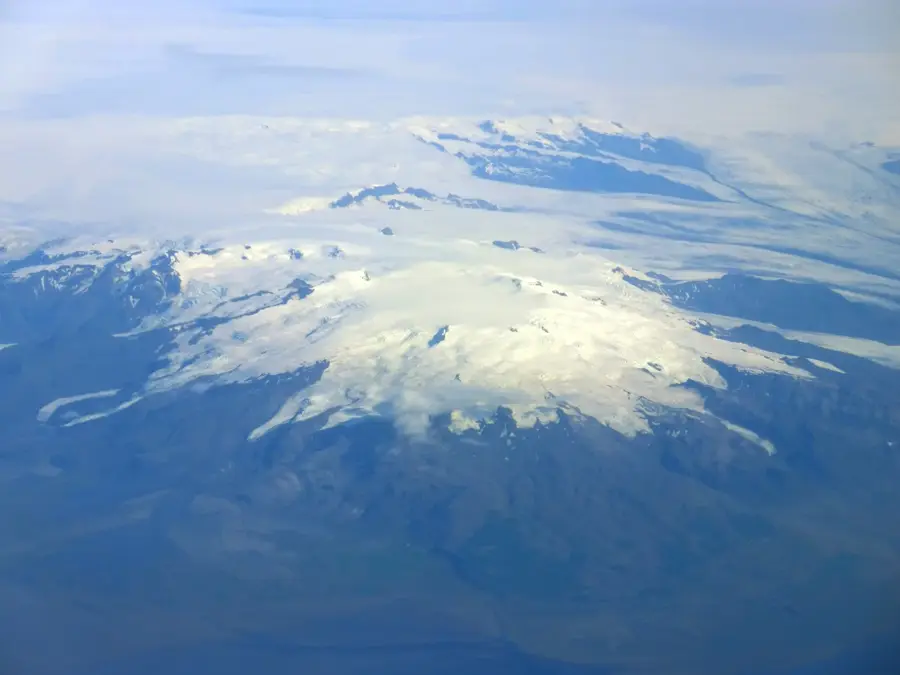
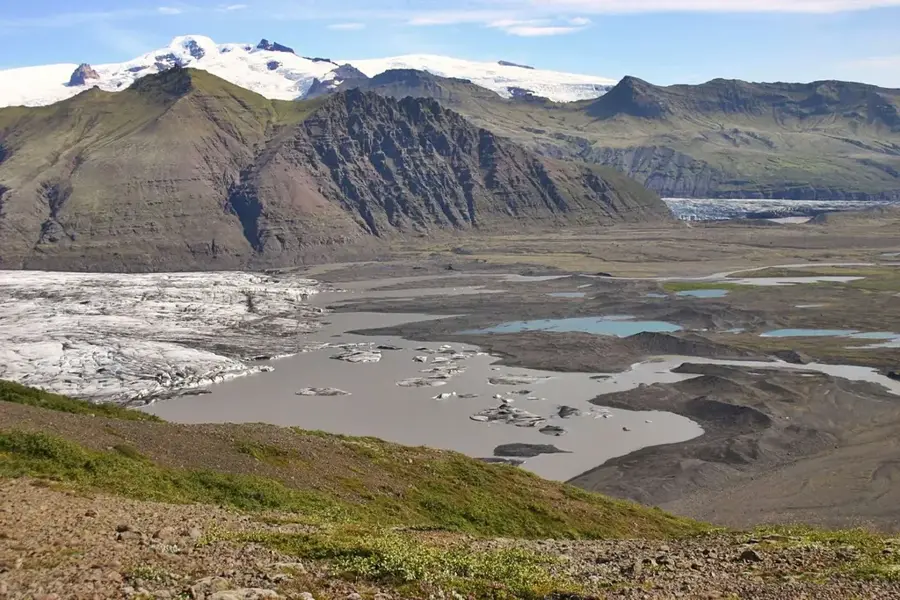
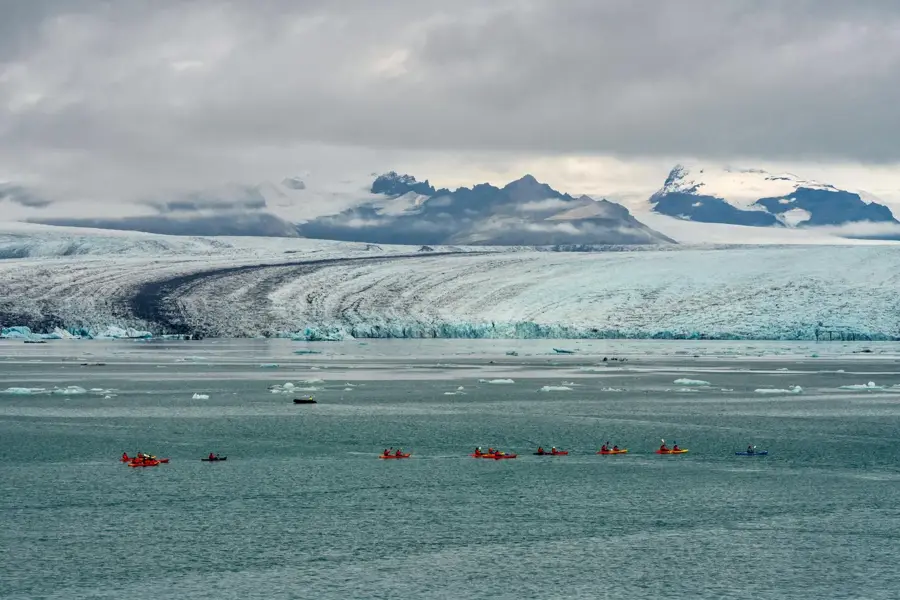
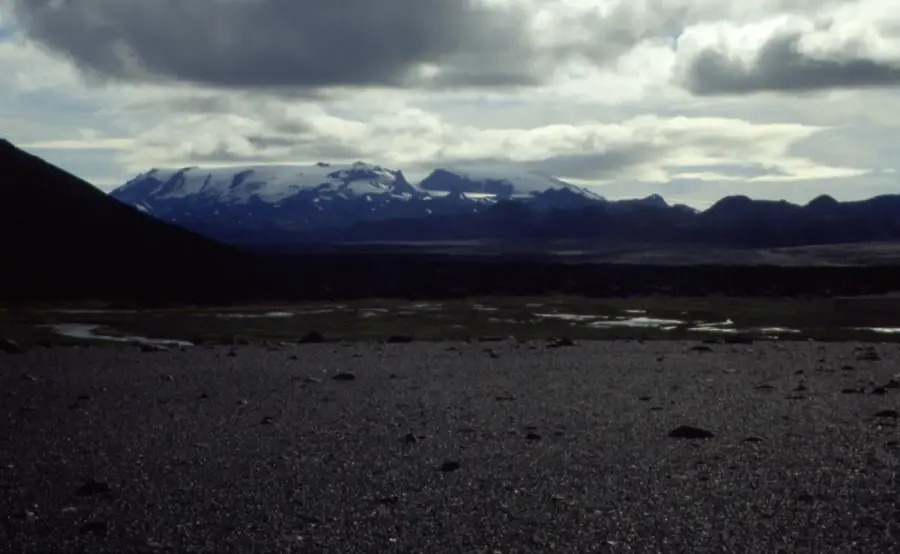
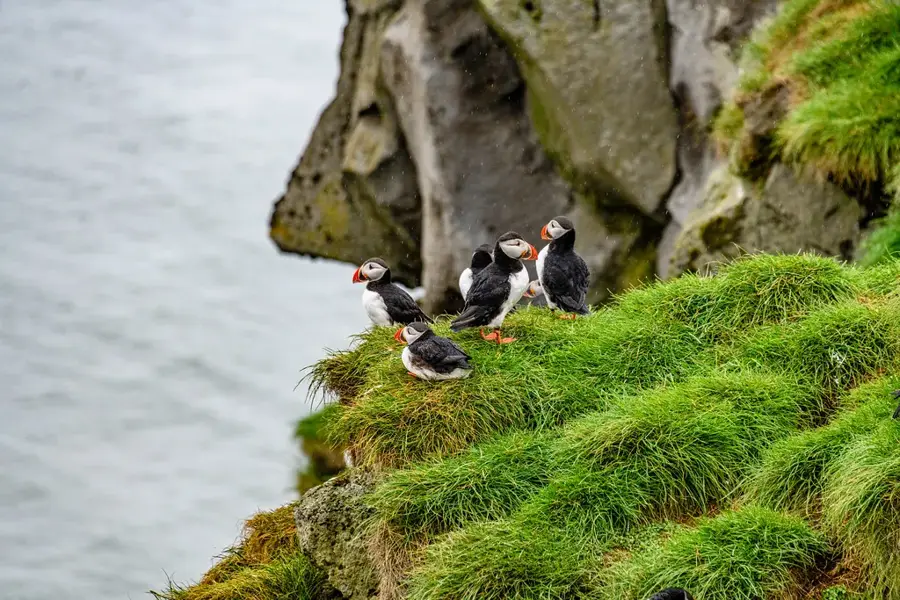
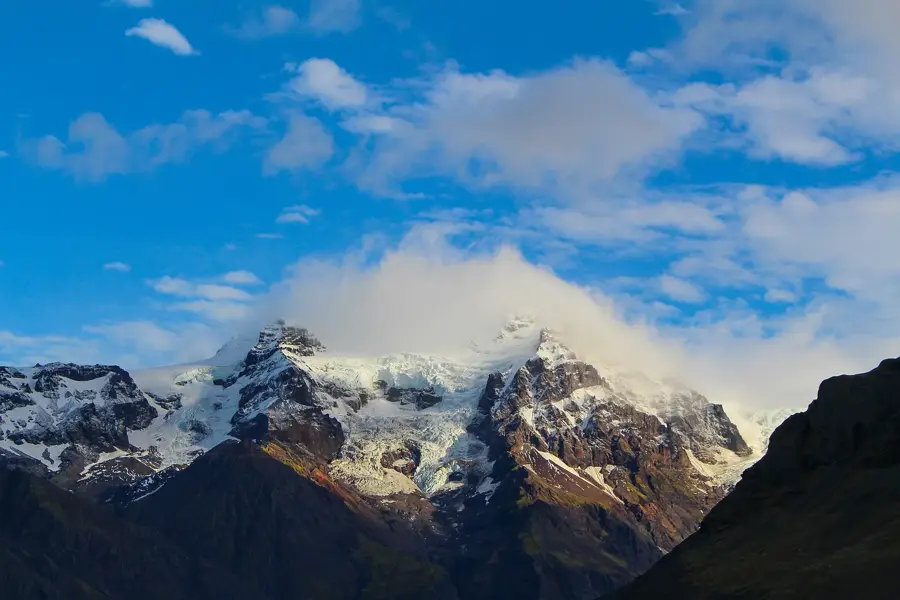
Ingolfshofdi is an isolated and historically significant headland on the southeastern coast of Iceland, surrounded by vast black sand flats and the turbulent North Atlantic. The promontory is named after Ingólfur Arnarson, Iceland's first permanent settler, who famously landed and spent the winter here in 874 AD. Rising approximately 76 meters above the surrounding sand plains, the headland is only accessible at low tide via a multi-kilometer sandy causeway. It is a designated nature reserve and a crucial breeding site for various seabirds, most notably the Great Skua and the Atlantic puffin, which nest in its steep cliffs. A historic lighthouse dating from 1916 stands on the plateau, and remnants of old fishing huts reflect the site's long human history. Due to its remote and challenging location, the area remains a pristine sanctuary for wildlife, offering striking views of the nearby Vatnajökull glacier. Guided tractor tours are the standard and safest method for visitors to reach the reserve.
- Location: Iceland
- Nearby: Skaftafell (28 km)
Best time to visit & climate
The most pleasant time to visit is Jun–Aug.
| Jan | Feb | Mar | Apr | May | Jun | Jul | Aug | Sep | Oct | Nov | Dec | |
|---|---|---|---|---|---|---|---|---|---|---|---|---|
| Avg °C | 0 | 0 | 0 | 2 | 4 | 6 | 8 | 8 | 6 | 3 | 1 | 0 |
| Rain mm | 284 | 262 | 222 | 175 | 109 | 92 | 115 | 146 | 220 | 251 | 230 | 271 |
📋 Practical info
Geography
Facts
- Landing site of Iceland's first settler in 874 AD
- Headland rises 76 meters above the sand flats
- The current lighthouse was established in 1916
- Significant nesting ground for the Great Skua
- Accessible only at low tide via a sandy causeway
- Named after the settler Ingólfur Arnarson
Explore nearby
Notable places around
Route planner — Car & Motorhome
Where do you start? We build the route here, with stops and country notes along the way.
© OpenStreetMap contributors · OpenRouteService
Sights in the town Ingolfshofdi Nature Reserve (1)
Sights nearby
Frequently asked questions
How do you get to Ingólfshöfði?
Can you see puffins there?
What is the historical significance?
When do the tours take place?
Do I need to book the tour in advance?
Ingolfshofdi Nature Reserve: where is it located?
Ingolfshofdi Nature Reserve: when is the best time to visit?
Ingolfshofdi Nature Reserve: why is it worth visiting?
Nearby cities
History & landmarks
Nature
More places