Plizio Visual Lab
Öræfajökull
Weather…
Water temperature…
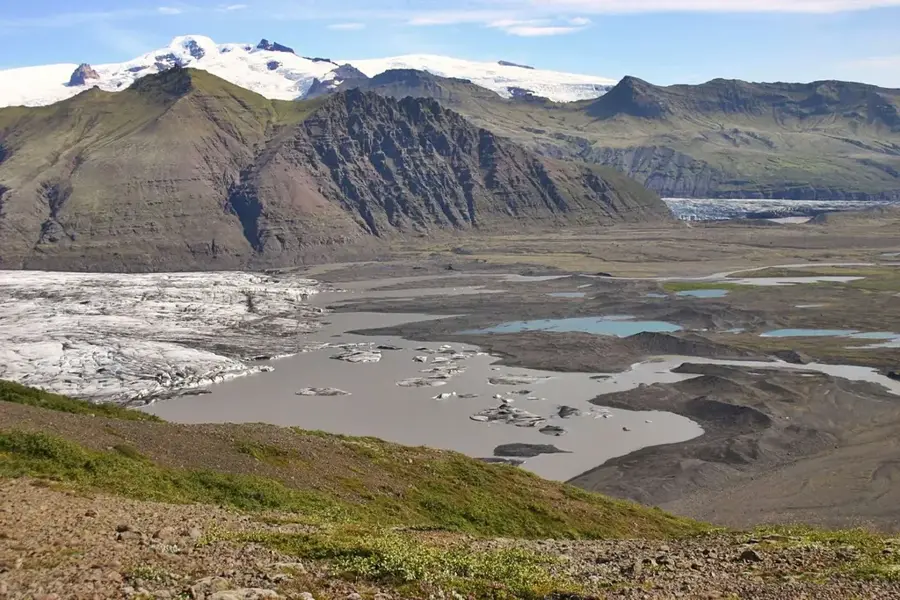
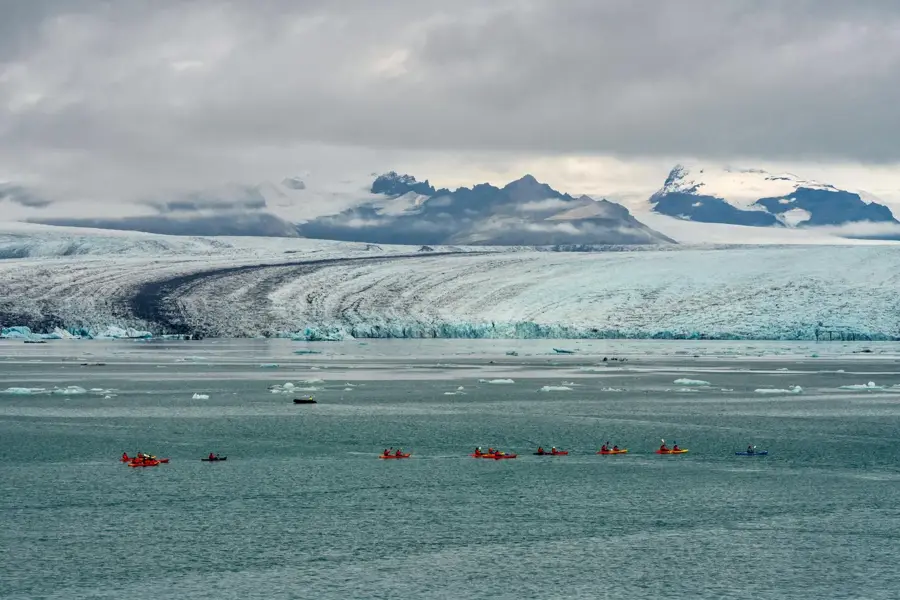
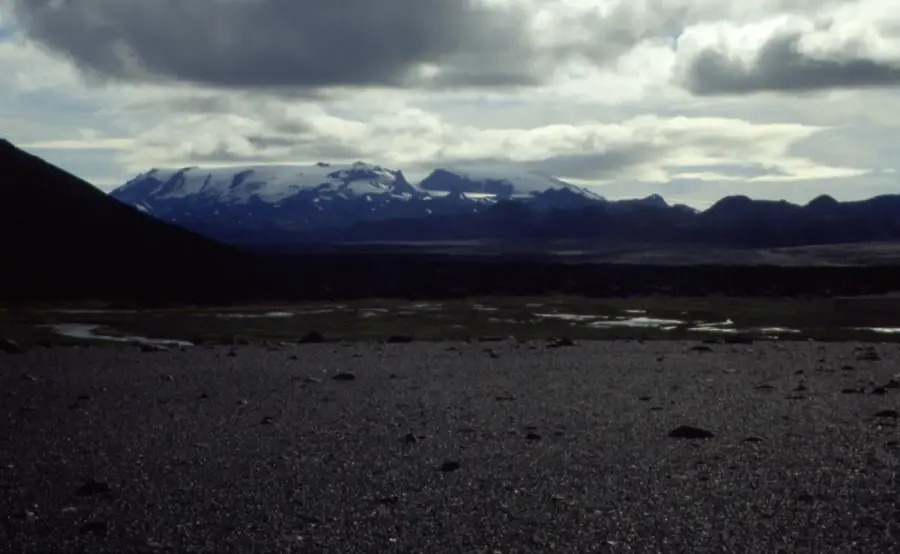
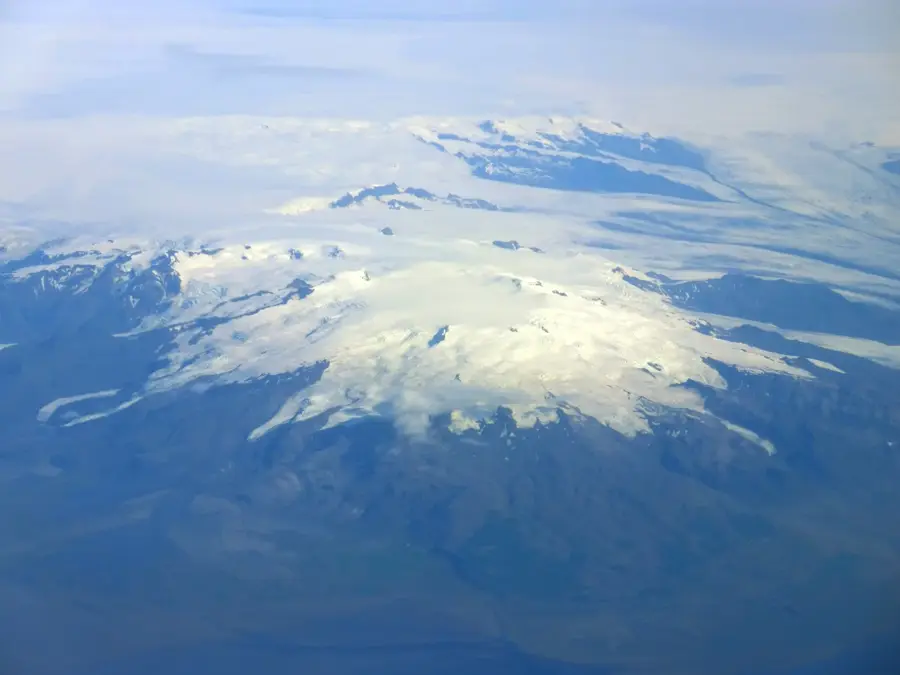
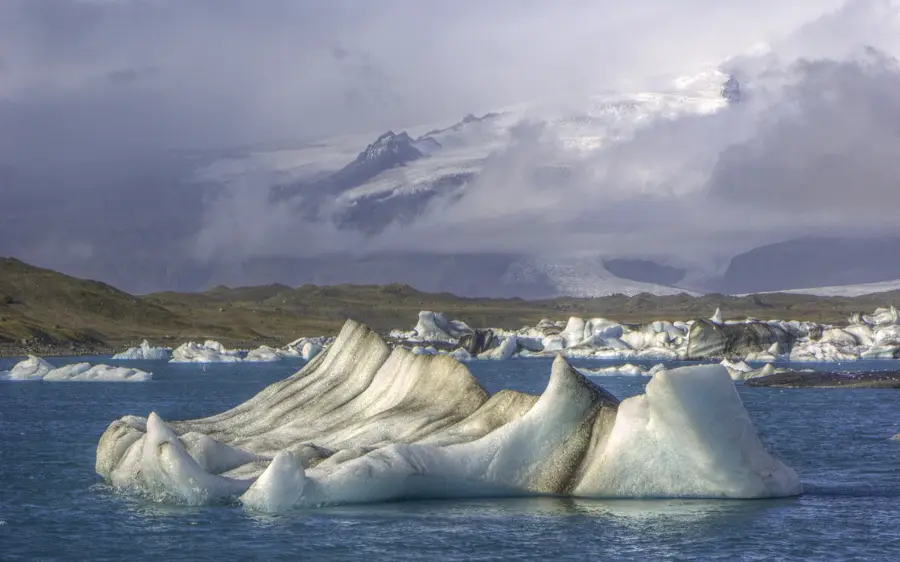
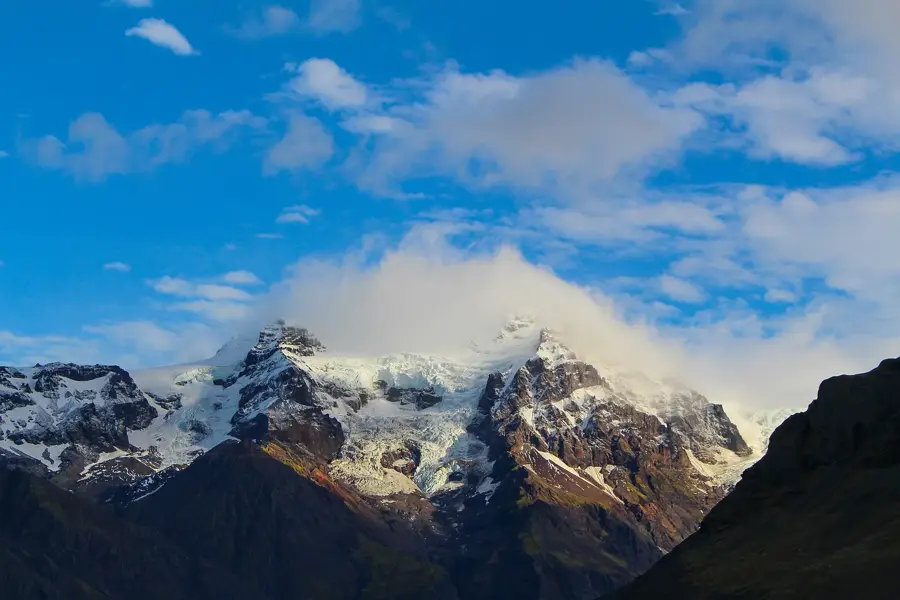
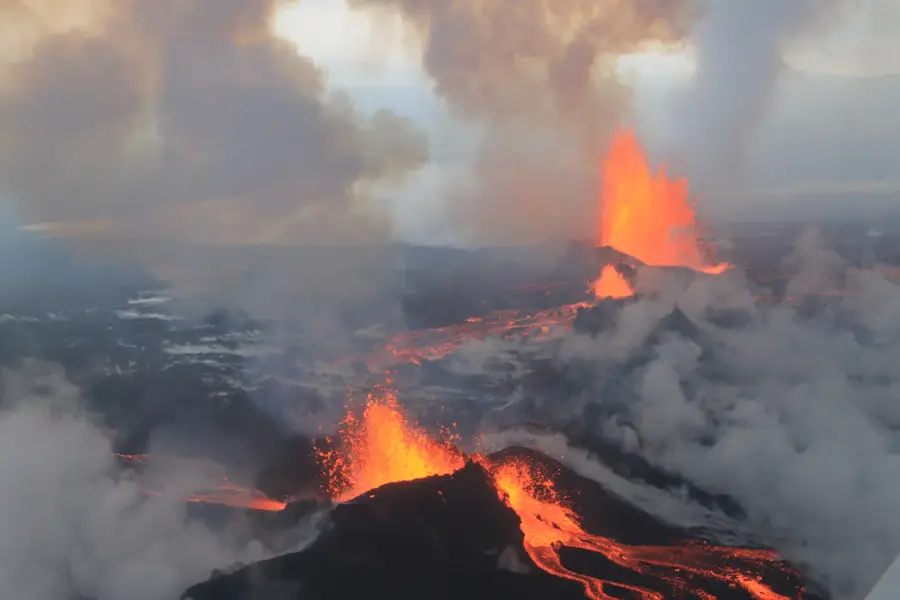
Öræfajökull is a massive, ice-covered volcano in southeastern Iceland, forming the southernmost part of the Vatnajökull glacier. It is home to the country's highest peak, Hvannadalshnúkur, which reaches an elevation of 2,110 meters. Geologically, it is a stratovolcano featuring a large ice-filled summit caldera approximately five kilometers in diameter. Throughout Icelandic history, there have been two major eruptions of Öræfajökull: the 1362 eruption was the most explosive, completely devastating the Litla-Hérað region with tephra fall and massive glacial floods. A second, smaller eruption occurred in 1727. Following the 1362 destruction, the area remained uninhabited for decades and was renamed Öræfi, which translates to "wilderness" or "wasteland." Today, the volcano is a key part of the Vatnajökull National Park and is a popular destination for climbers aiming to summit Hvannadalshnúkur. Monitoring the volcano is critical due to its potential for triggering catastrophic floods in nearby inhabited coastal areas. The combination of extreme altitude and proximity to the Atlantic Ocean results in highly unpredictable weather conditions on the mountain.
- Location: Iceland
- Nearby: Skaftafell (16 km)
Best time to visit & climate
The most pleasant time to visit is Jun–Aug.
| Jan | Feb | Mar | Apr | May | Jun | Jul | Aug | Sep | Oct | Nov | Dec | |
|---|---|---|---|---|---|---|---|---|---|---|---|---|
| Avg °C | 0 | 0 | 0 | 2 | 4 | 6 | 8 | 8 | 6 | 3 | 1 | 0 |
| Rain mm | 284 | 262 | 222 | 175 | 109 | 92 | 115 | 146 | 220 | 251 | 230 | 271 |
📋 Practical info
Geography
Facts
- Öræfajökull contains Iceland's highest peak, Hvannadalshnúkur (2,110 m).
- The 1362 eruption was the largest explosive eruption in Iceland's history.
- The name Öræfi translates to "wasteland" due to historical destruction.
- The summit caldera has a diameter of approximately 5 kilometers.
- It is the largest active volcano in Iceland by total volume.
- Significant historical eruptions occurred in both 1362 and 1727.
Explore nearby
Notable places around
Route planner — Car & Motorhome
Where do you start? We build the route here, with stops and country notes along the way.
© OpenStreetMap contributors · OpenRouteService
Sights nearby
Frequently asked questions
What is special about Öræfajökull?
Can you hike to the summit?
When is the best time to climb?
Is Öræfajökull a volcano?
Where is it located?
Öræfajökull: where is it located?
Öræfajökull: when is the best time to visit?
Öræfajökull: why is it worth visiting?

Nearby cities
History & landmarks
Nature
More places