Plizio Visual Lab
Tárnok
ℹ️Practical info — Tárnok
▾
🌤 Weather — 5 days
📍 Nearby
Sights nearby
💡 Tips
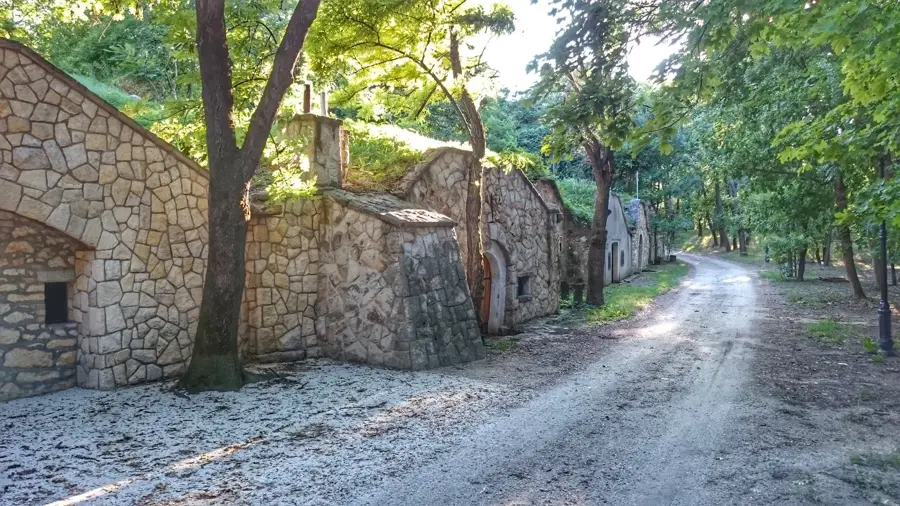
- The historic wine cellars (pincesor) on Öreg-hegy are a must-see; some are carved deep directly into the limestone.
- The town is easily accessible by train from Budapest (Kelenföld), making it a great, quick half-day trip destination.
- Visit during local wine festivals or open-cellar days for the best and most authentic atmosphere.
- Parking near the train station is very convenient if you are planning to explore the wider surrounding area.
🍽 Food
Taste refreshing local white wines in the highly atmospheric, carved cellars on Öreg-hegy.
Grab a freshly fried, garlic-topped lángos at a local buffet or at the weekend market.
Buy authentic, richly seasoned local sausages at the neighborhood butcher shops.
🛍 Shopping · 🧘 Quiet spots
Buy bottles directly from the passionate producers at the historic cellar row to take home.
Visit the local farmers' market on weekend mornings for the freshest regional goods.
Walk among the historic wine cellars and small vineyards for a quiet, atmospheric stroll.
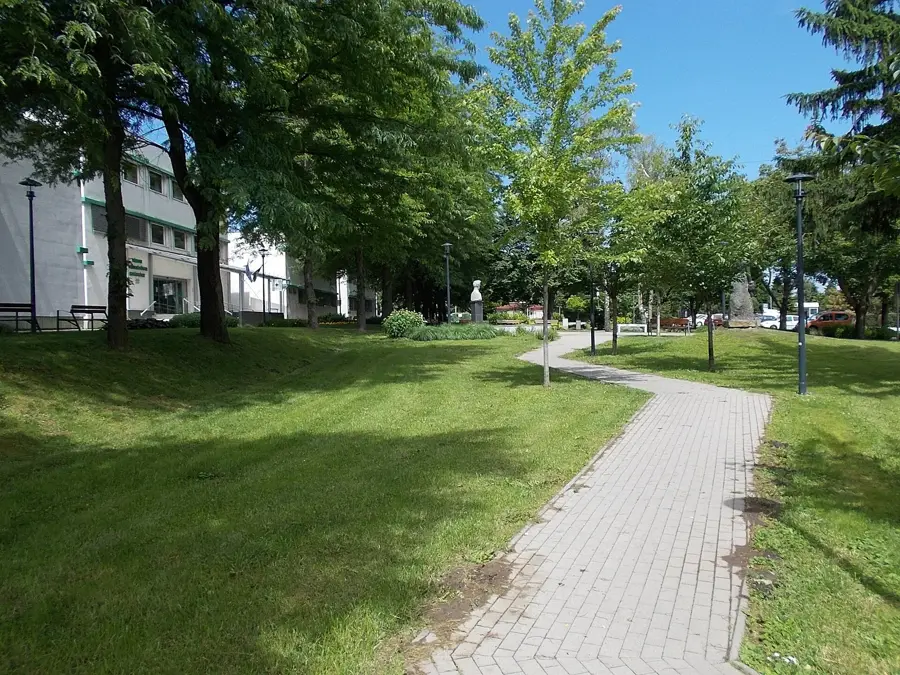
A pleasant, tree-lined place for a deeply relaxing walk far away from road traffic.
Water temperature…
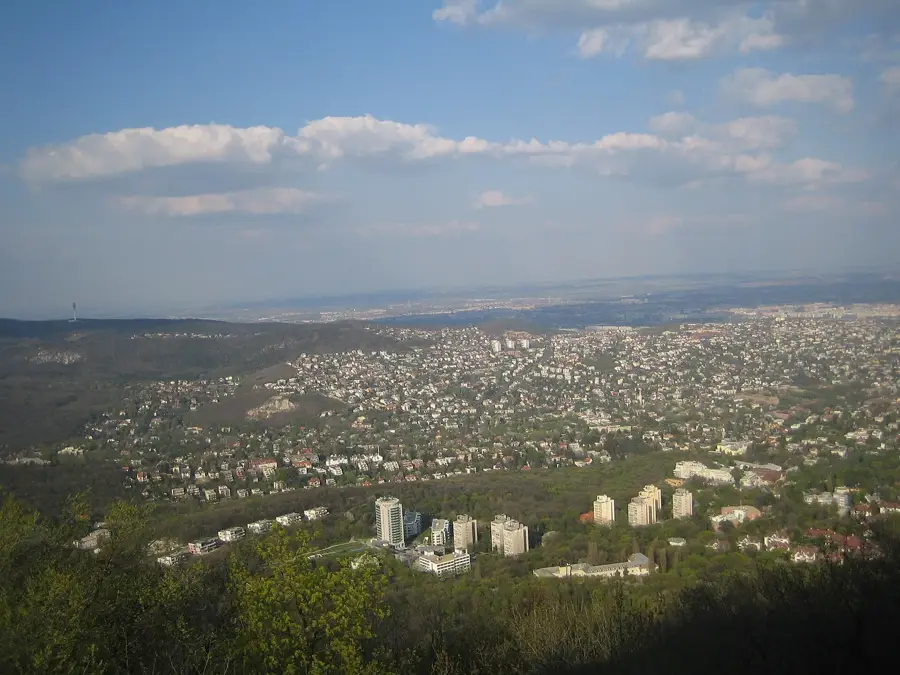
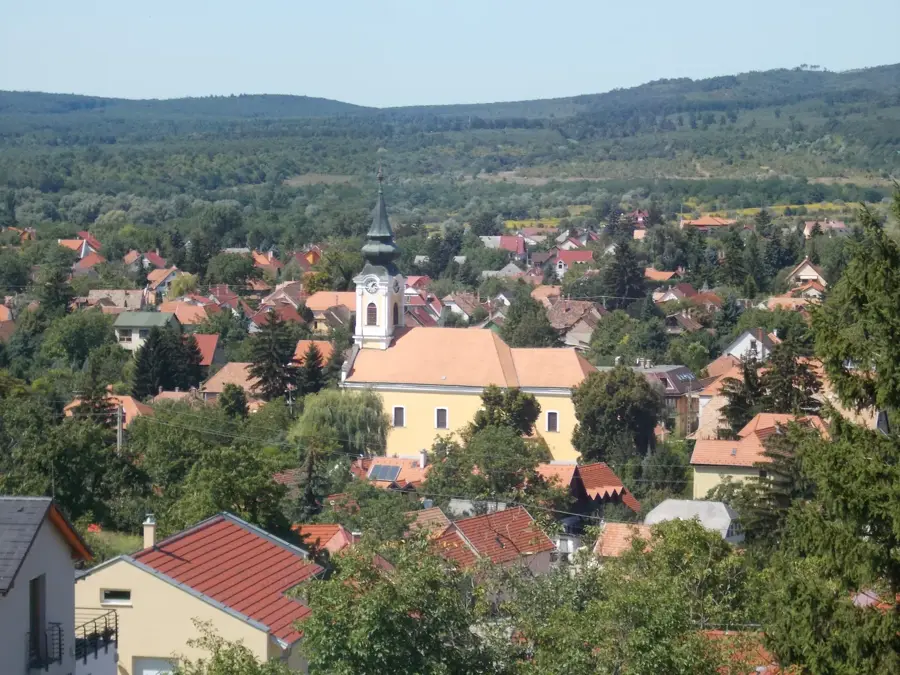
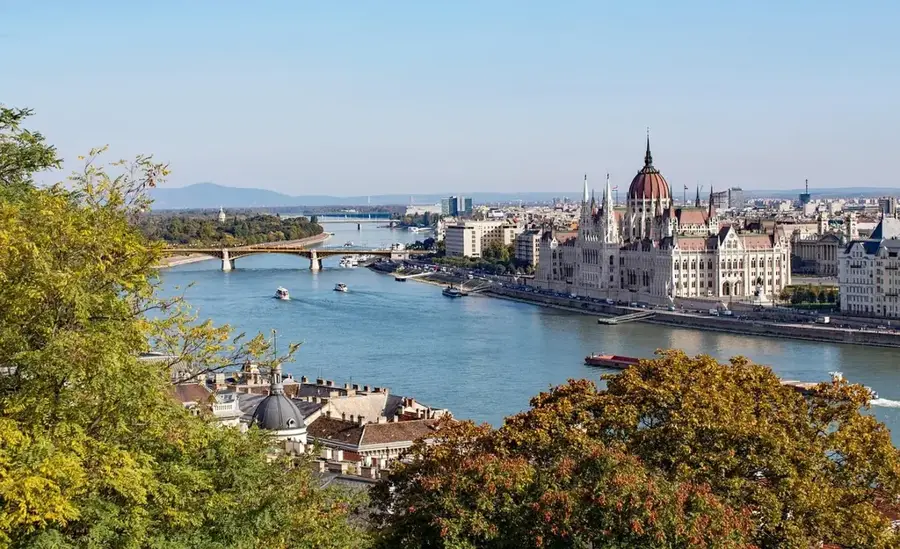
Situated at the junction of the Érd Plateau and the Benta Creek valley, Tárnok is a township whose name derives from the royal treasurers (tárnokok) who once held estates here during the early Hungarian Kingdom. The area is an archaeological goldmine, with findings ranging from Bronze Age burial mounds to Roman-era villa rusticas, indicating that this strategic corridor has been valued for millennia for its fertility and transport links. Historically, the town's economy was built on the extraction of high-quality limestone; the local quarries provided the essential soft stone used in the construction of iconic Budapest landmarks, such as the Hungarian Parliament Building and parts of the Buda Castle. After the devastation of the Ottoman wars, the village was resettled in the 18th century primarily by Slovak immigrants, whose linguistic and cultural heritage remains a cornerstone of local identity, celebrated today through traditional folk dance and culinary festivals. The opening of the Southern Railway in 1861 marked a new era of growth, transforming the village into a vital stop on the route between Budapest and the Adriatic coast, which stimulated commerce and modern development. Today, Tárnok serves as a serene suburban enclave with a strong agricultural base, where the Benta Creek's fishing ponds and the surrounding vineyards offer a tranquil escape from the urban hustle of the nearby capital.
- Location: Hungary
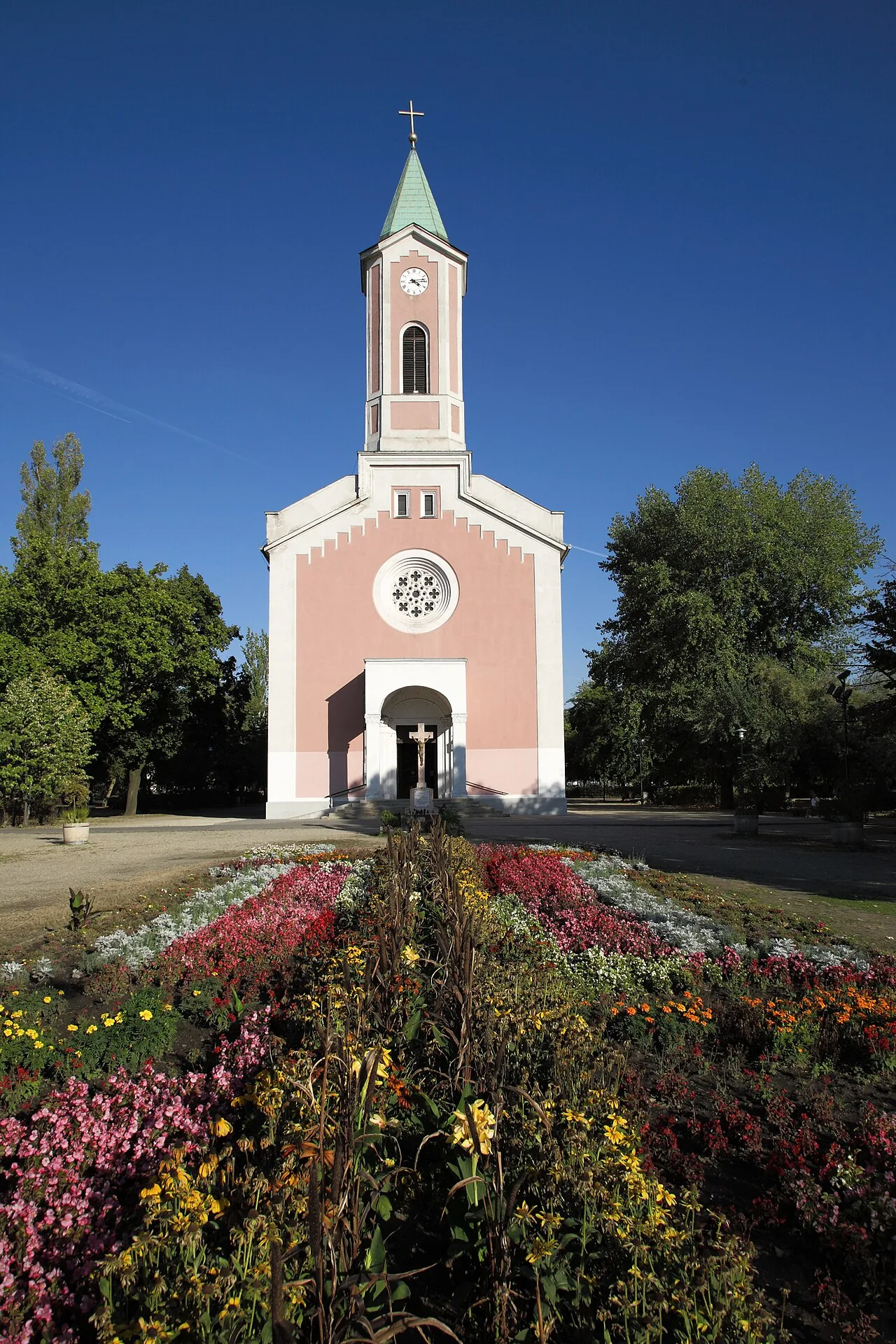
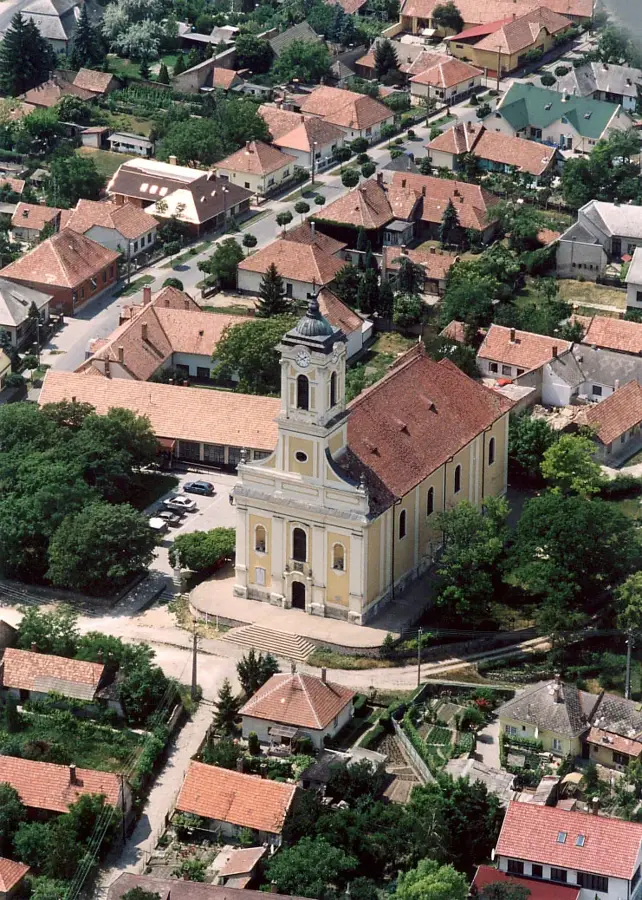
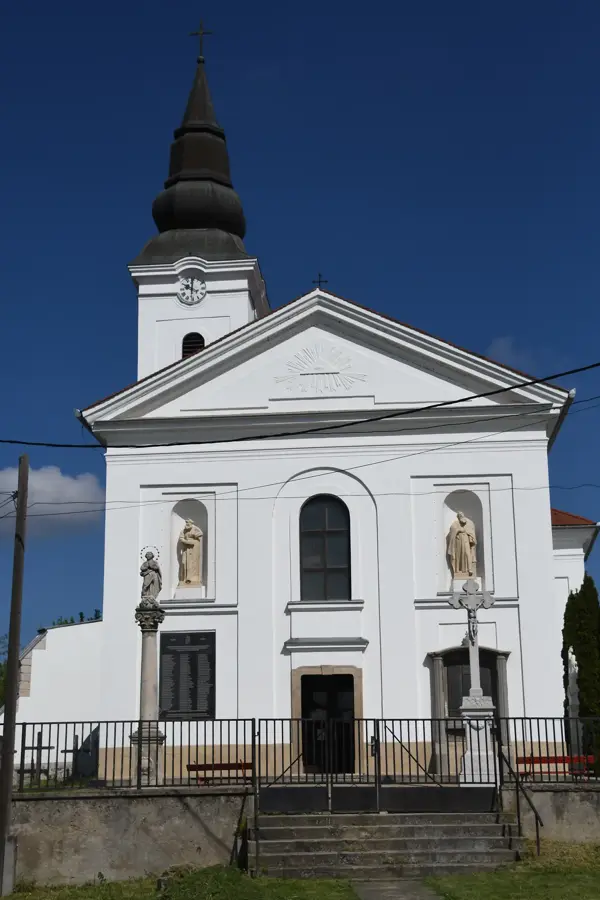
- Top sights: Good Shepherd Church · March 15th Memorial · Rákóczi Bust
- Population: ~10.548
Best time to visit & climate
The most pleasant time to visit is Jun–Aug.
| Jan | Feb | Mar | Apr | May | Jun | Jul | Aug | Sep | Oct | Nov | Dec | |
|---|---|---|---|---|---|---|---|---|---|---|---|---|
| Avg °C | -2 | 0 | 5 | 11 | 16 | 21 | 23 | 22 | 17 | 11 | 5 | 0 |
| Rain mm | 39 | 40 | 41 | 35 | 65 | 70 | 66 | 63 | 57 | 51 | 44 | 43 |
Geography
Facts
- First documented mention in 1257
- Resettled by Slovaks starting in 1720
- Limestone from local quarries used for Parliament
- Railroad connection established in 1861
- Population: approximately 10,500 residents
- Located in the Benta Creek valley near Érd
Explore nearby
Notable places around
Route planner — Car & Motorhome
Where do you start? We build the route here, with stops and country notes along the way.
© OpenStreetMap contributors · OpenRouteService
Sights in the town Tárnok (5)
Frequently asked questions
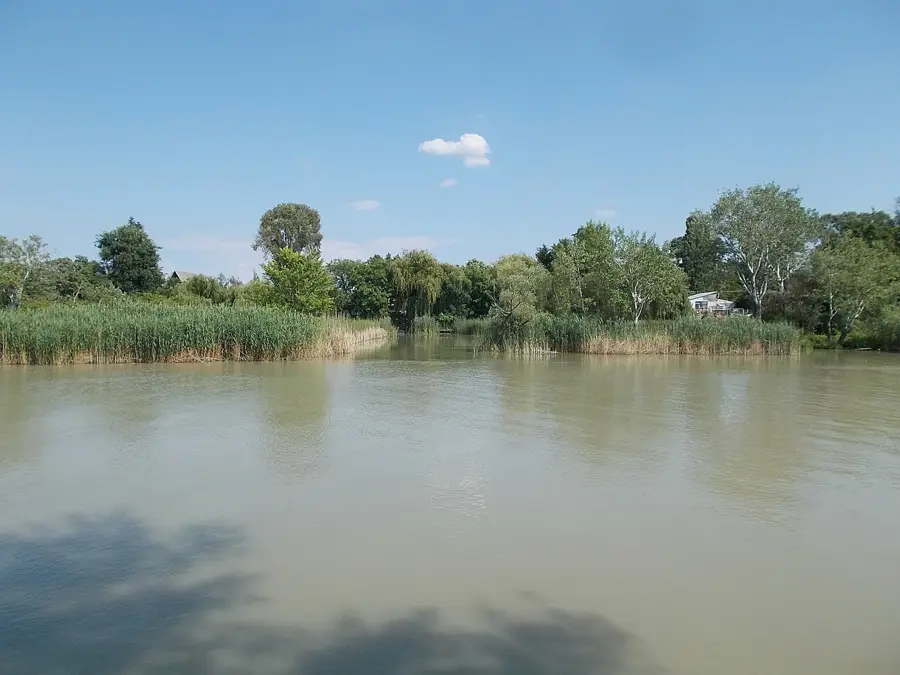
What are the stone quarries of Tárnok?
Are there natural areas?
How is the transportation?
Are there historical buildings?
When is the wine festival?
Tárnok: where is it located?
Tárnok: what is there to see?
Tárnok: when is the best time to visit?
Tárnok: why is it worth visiting?

Nearby cities


History & landmarks

Nature
More places