Plizio Visual Lab
Csepel Free Port
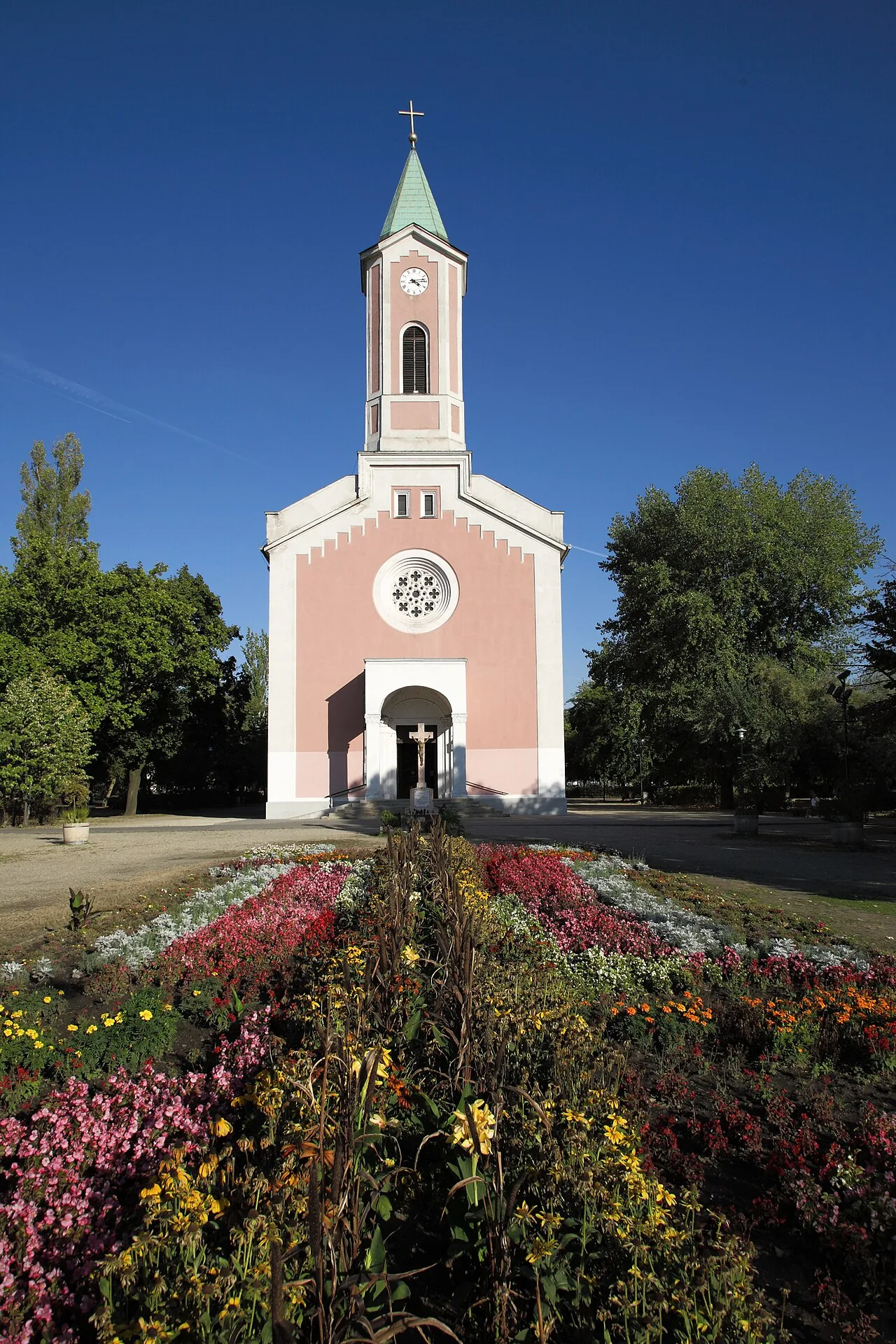
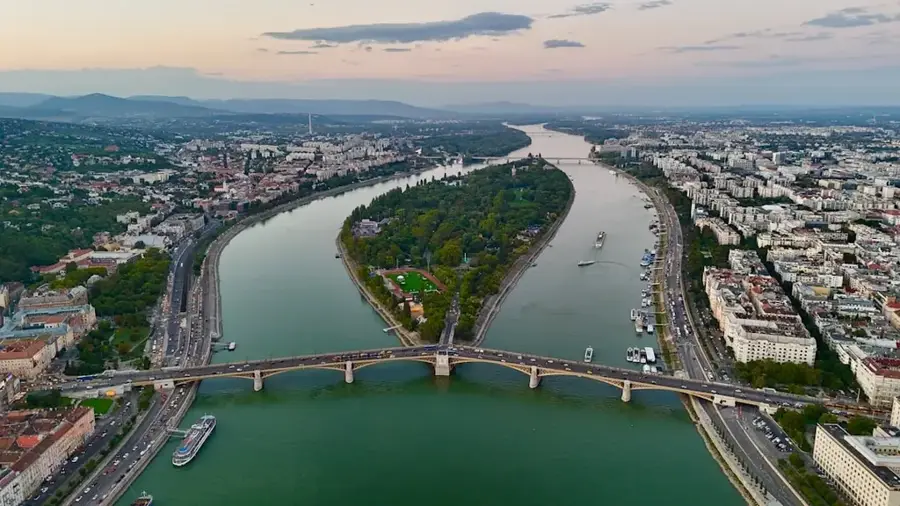
The Csepel Free Port, situated in the southern part of Budapest, is Hungary's most important river port and a primary logistics hub in Central Europe. Conceived in the 1920s and officially inaugurated in 1928, the port was designed to integrate water, rail, and road transportation seamlessly. The facility features specialized terminals for containers, grain, petroleum products, and general cargo, with capacities continuously expanded over recent decades. Historically, the port played a crucial role in Hungarian industrialization, providing a direct link to the Black Sea and, after the completion of the Rhine-Main-Danube Canal, to North Sea ports. Currently, the Free Port status features significant tax and customs advantages for international trade, supporting a vast network of warehouses and thousands of jobs in the regional logistics sector.
- Location: Hungary
- Top sights: Szent Imre tér · Kisboldogasszony-templom · Csepel Galéria
- Nearby: Óbuda (12 km)
Best time to visit & climate
The most pleasant time to visit is Jun–Aug.
| Jan | Feb | Mar | Apr | May | Jun | Jul | Aug | Sep | Oct | Nov | Dec | |
|---|---|---|---|---|---|---|---|---|---|---|---|---|
| Avg °C | -2 | 0 | 5 | 11 | 16 | 21 | 23 | 22 | 17 | 11 | 5 | 0 |
| Rain mm | 39 | 40 | 41 | 35 | 65 | 70 | 66 | 63 | 57 | 51 | 44 | 43 |
📋 Practical info
Geography
Facts
- The port was officially opened on October 20, 1928.
- The entire port area covers approximately 150 hectares.
- The facility is located at river kilometer 1640 of the Danube.
- Its grain silo is one of the largest such structures in Europe.
- The port features over 15 kilometers of internal railway tracks.
- Millions of tons of cargo are handled at the port annually.
Explore nearby
Notable places around


Route planner — Car & Motorhome
Where do you start? We build the route here, with stops and country notes along the way.
© OpenStreetMap contributors · OpenRouteService
Sights in the town Csepel Free Port (9)
Csepel Galéria
Gallery in Budapest. It shows works of local artists and temporary exhibitions.
Csepel II. Jézus szíve templom
Church in Csepel, Budapest. It is dedicated to the Sacred Heart of Jesus.
Duna-fürdő Árasztó-part
Danube beach resort. It provides sunbathing lawns and access to the river for swimming.
Hanglokátor
Acoustic mirror made of concrete. It was used for detecting aircraft by sound waves.
Csupakaland családi élménypark
Family adventure park in Budapest. Playgrounds, climbing frames and obstacle courses await visitors.
Evangélikus templom
Church building in Hungary. It is a place of worship for the Evangelical Lutheran congregation.
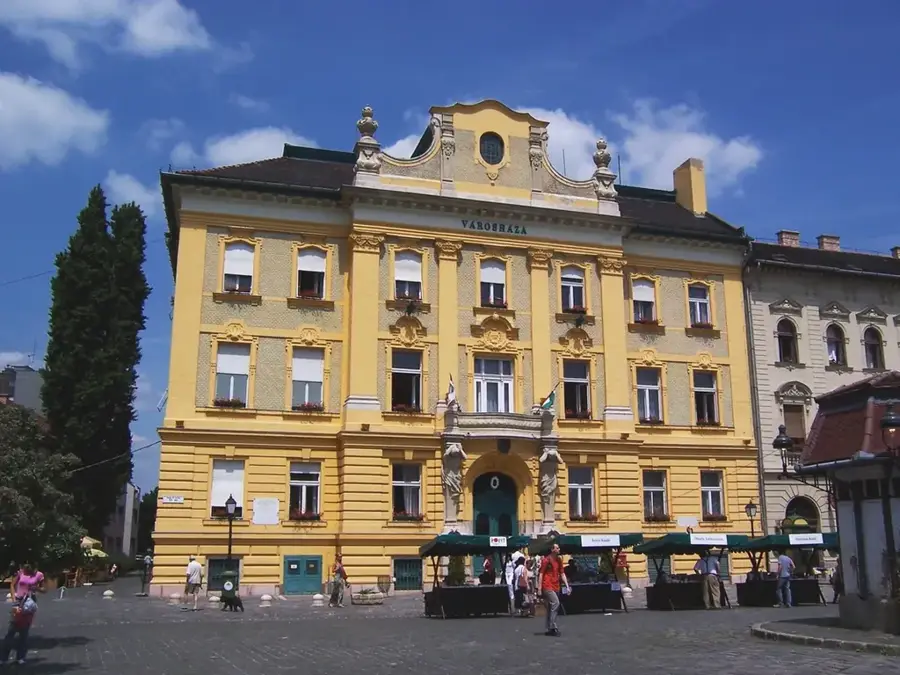
Budapest Fovaros XXII. kerulet Budafok-Teteny Onkormanyzata - Polgarmesteri Hivatal
Town Hall of Budafok, now part of Budapest. It is the seat of the district administration.
Sights nearby
Frequently asked questions
Can tourists visit the free port?
What is the main function of the port?
Are there historical buildings in the port?
How can one get there?
What can you see nearby?
Csepel Free Port: where is it located?
Csepel Free Port: what is there to see?
Csepel Free Port: when is the best time to visit?
Csepel Free Port: why is it worth visiting?

Nearby cities
History & landmarks
Nature
More places