

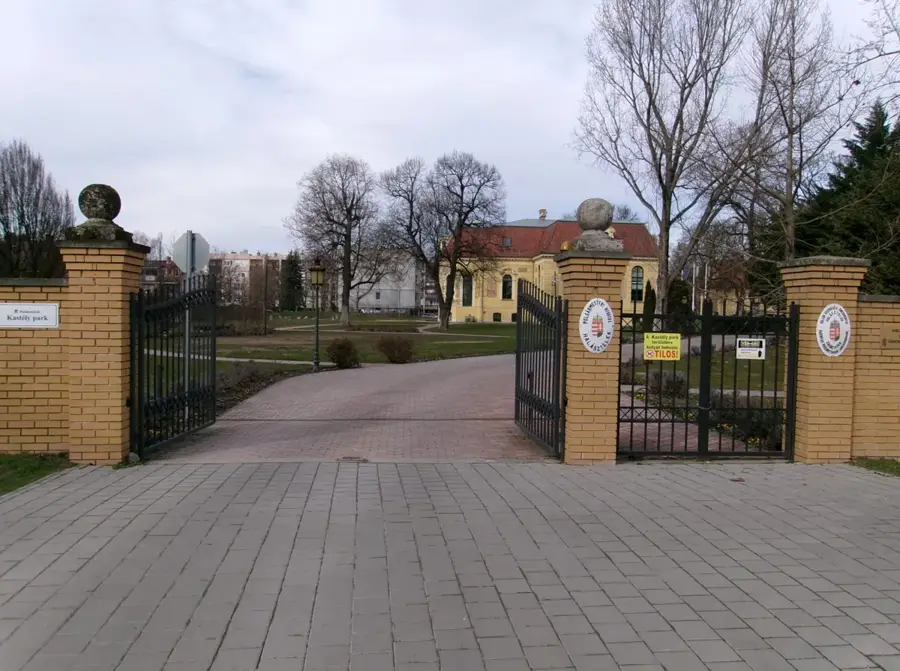
Matrica castrum
Roman military fort from the 1st century, 155x152 m, garrison of the Mauri cohort, abandoned around 430.
🌐 archeodatabase.hnm.hu🕒 24/7
Plizio Visual Lab
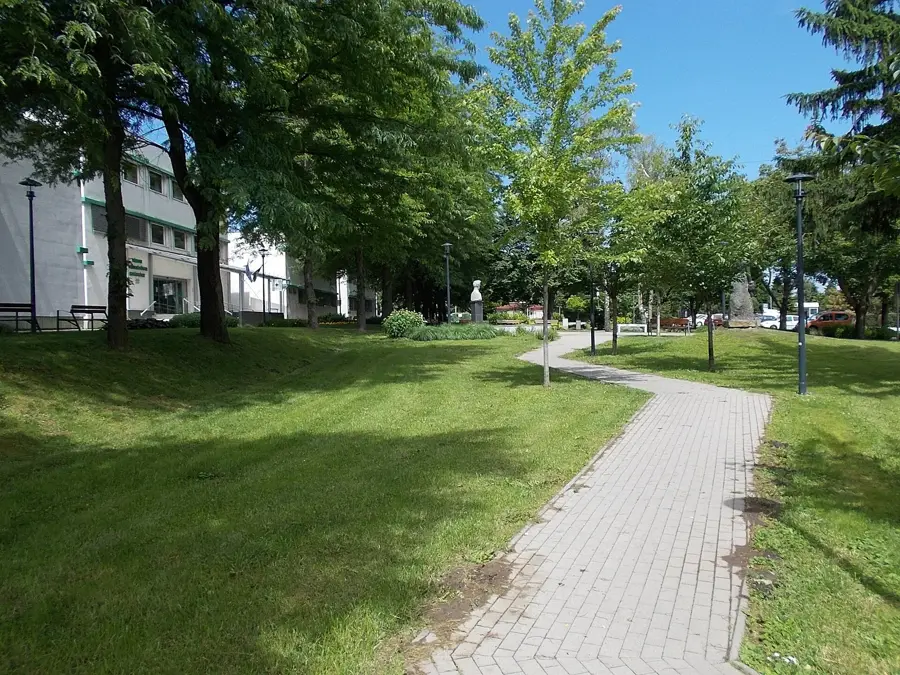
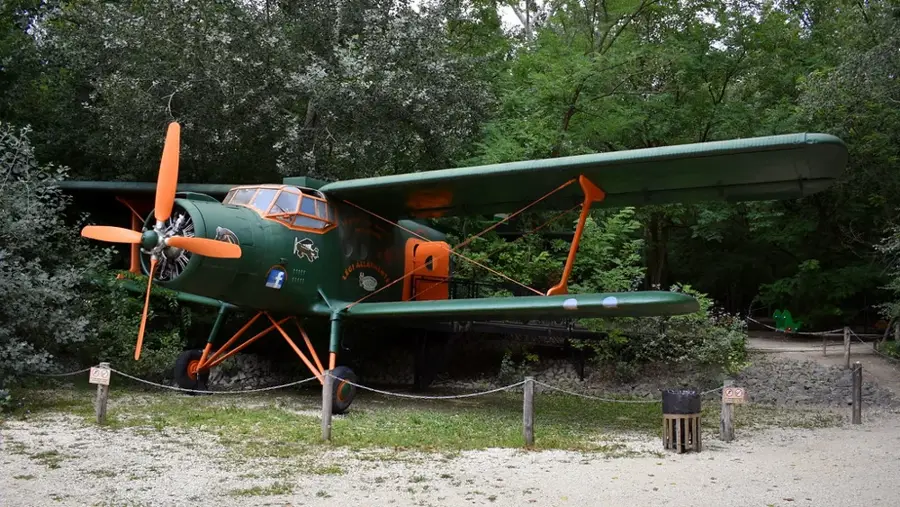
The Százhalombatta Wildlife Park is located on the outskirts of the industrial city of the same name, south of Budapest, offering a green oasis in close proximity to the Danube. It is closely linked to the region's archaeological heritage, as significant Bronze and Iron Age sites are located in its surroundings. The park serves not only for the recreation of the local population but also functions as an educational center for domestic flora and fauna. Visitors can observe various animal species typical of Hungarian floodplains and forest areas, with an emphasis on teaching ecological relationships. Geographically, the area is characterized by the loess plateaus of the Mezőföld plain and the Danube floodplain, creating a diverse micro-landscape. In recent years, extensive modernizations have been carried out to make the enclosures more natural and to improve the visitor infrastructure. The wildlife park is an important component of the local nature conservation concept, which aims to harmonize industrial development with the preservation of biological diversity.
The most pleasant time to visit is Jun–Aug.
| Jan | Feb | Mar | Apr | May | Jun | Jul | Aug | Sep | Oct | Nov | Dec | |
|---|---|---|---|---|---|---|---|---|---|---|---|---|
| Avg °C | -2 | 0 | 5 | 11 | 16 | 21 | 23 | 22 | 17 | 11 | 5 | 0 |
| Rain mm | 39 | 40 | 41 | 35 | 65 | 70 | 66 | 63 | 57 | 51 | 44 | 43 |
Notable places around
Where do you start? We build the route here, with stops and country notes along the way.
© OpenStreetMap contributors · OpenRouteService
Roman military fort from the 1st century, 155x152 m, garrison of the Mauri cohort, abandoned around 430.
Modern conference and event centre named after a local athlete.
Clock with bells that plays melodies on the hour, a public art installation.
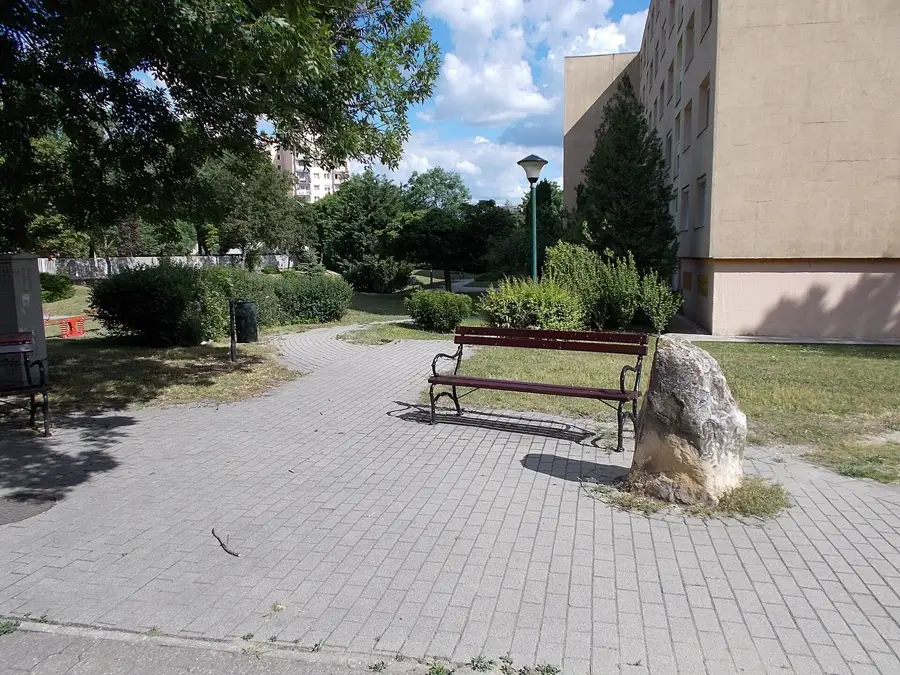
Stone sundial placed in a park, indicating the time by sunlight.
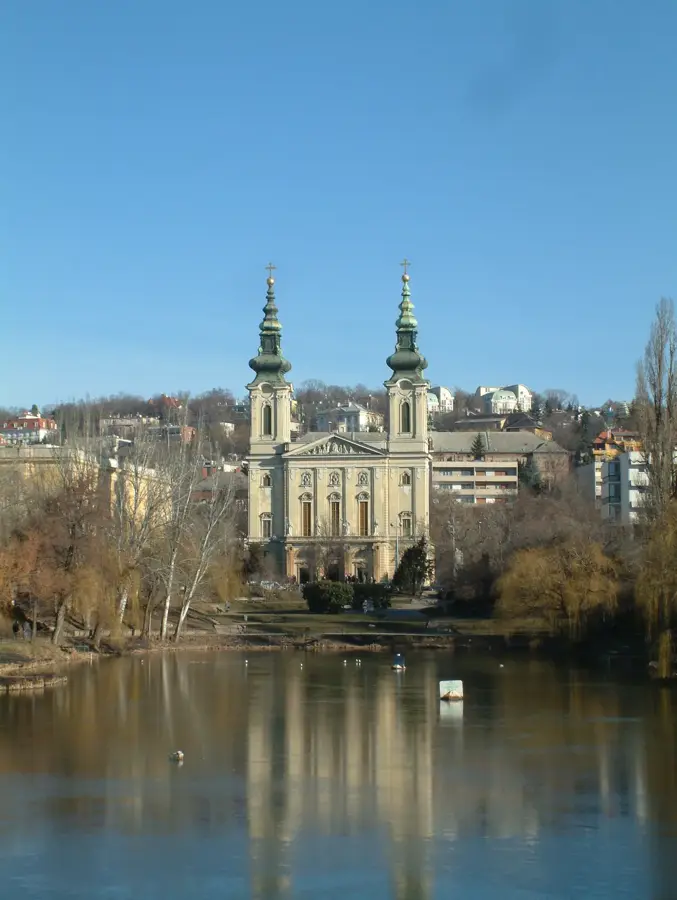
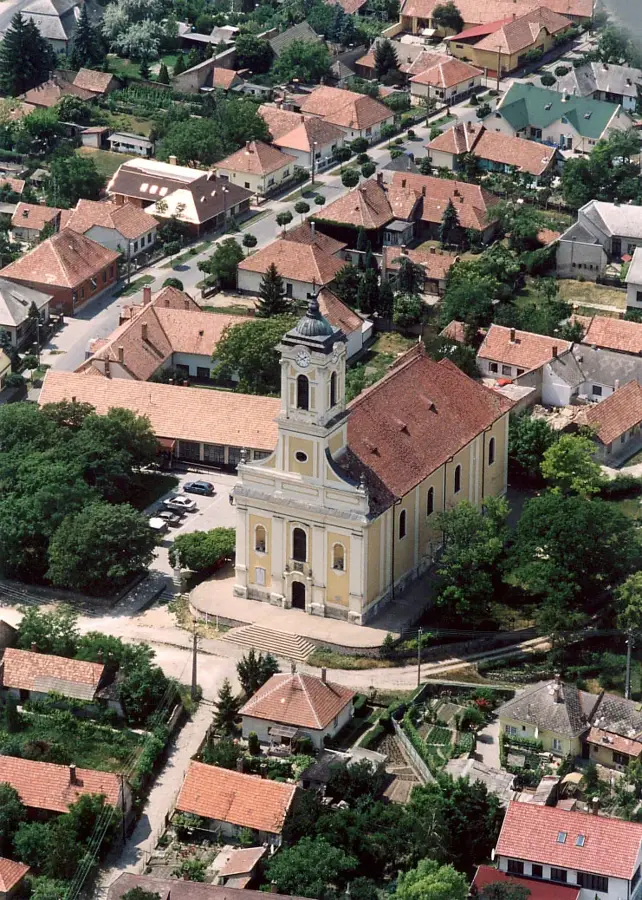
Roman Catholic church in Százhalombatta, dedicated to King Saint Stephen.
Municipal outdoor swimming pool complex with sports fields, pools and sunbathing area.
Museum presenting Roman archaeological finds and the history of the settlement.