Plizio Visual Lab
Niani
Weather…
Water temperature…
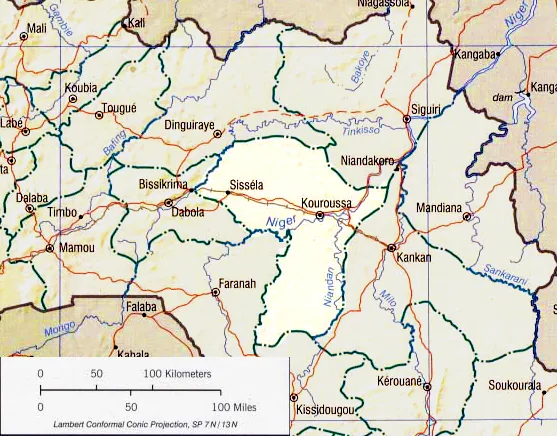
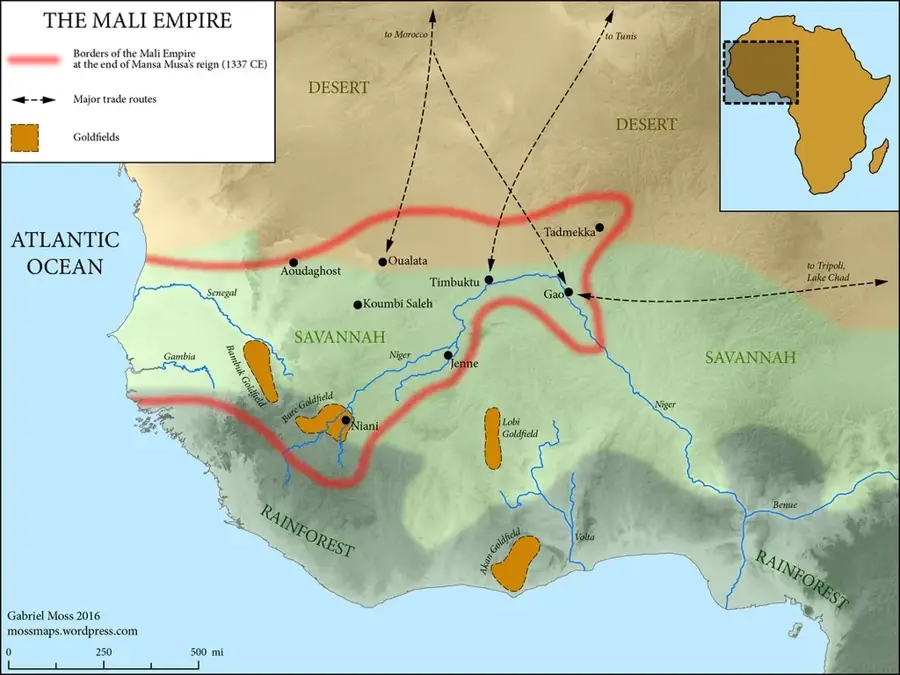
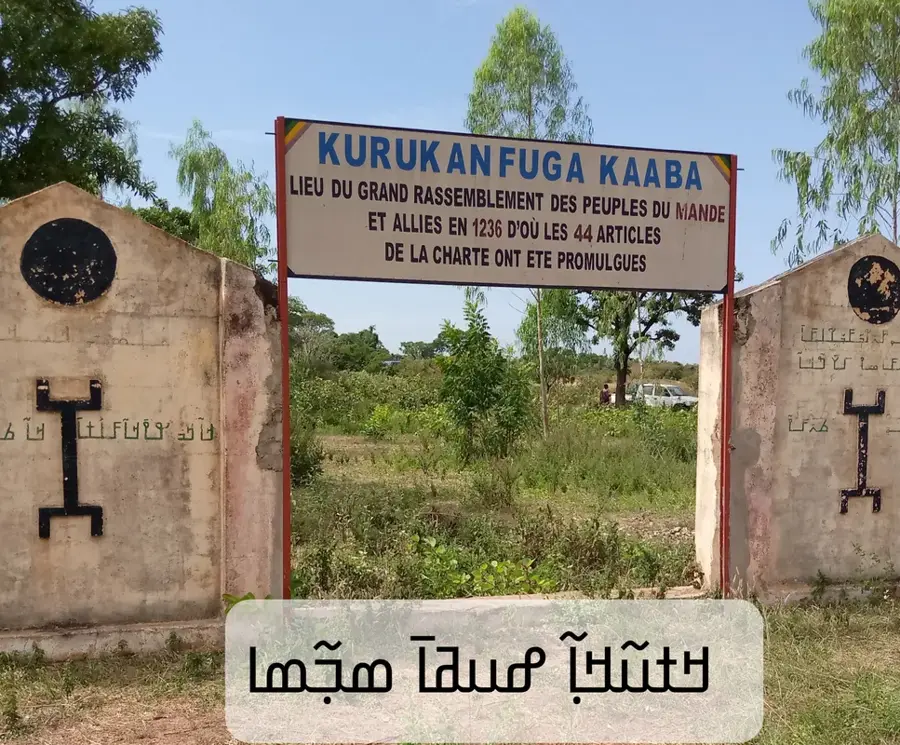
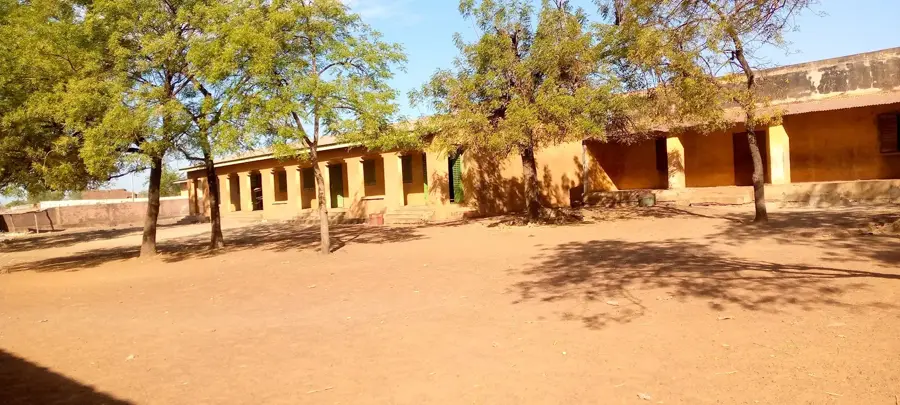
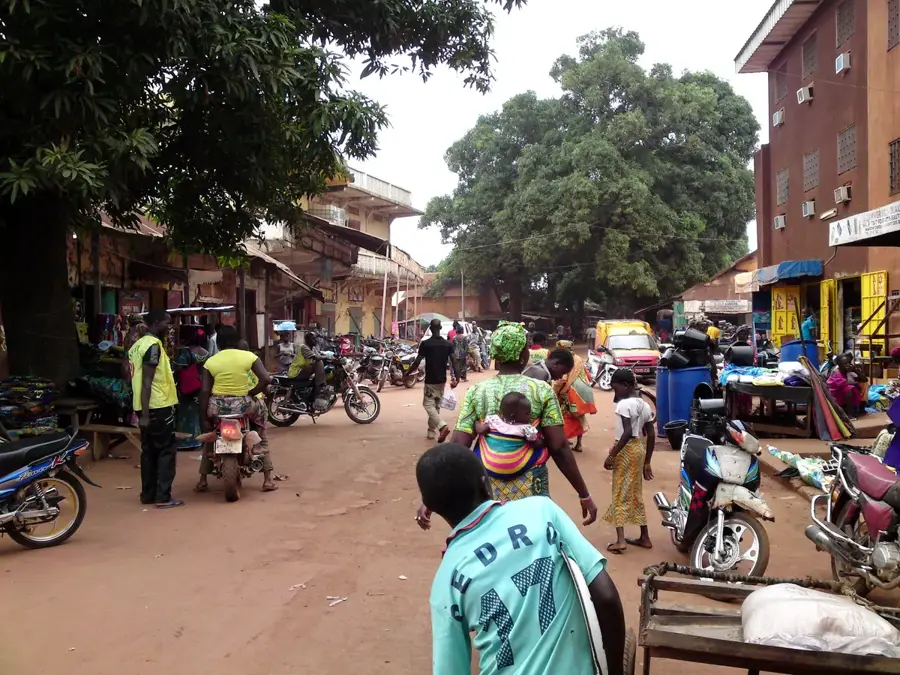
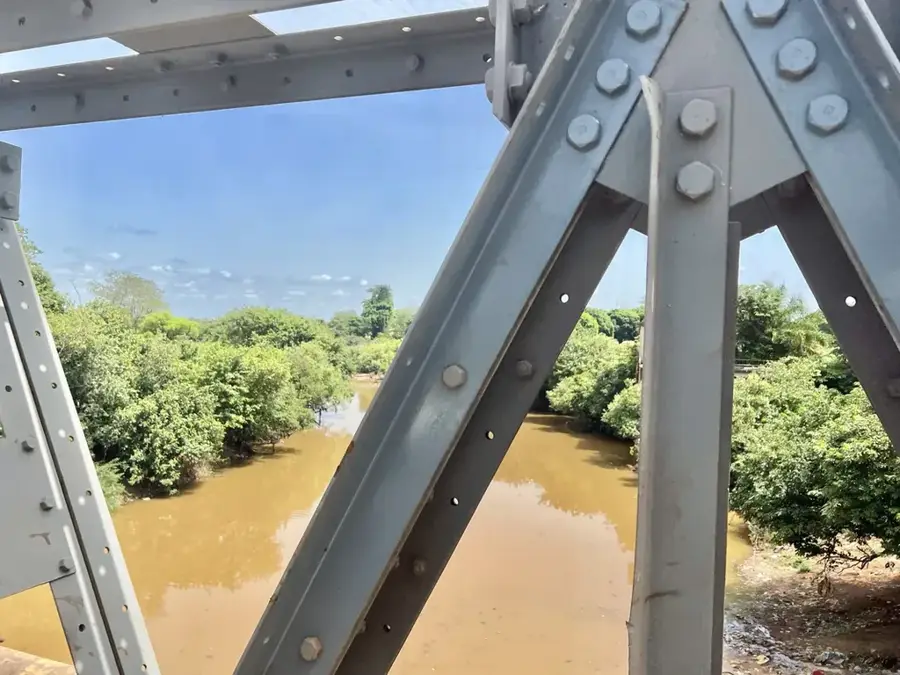
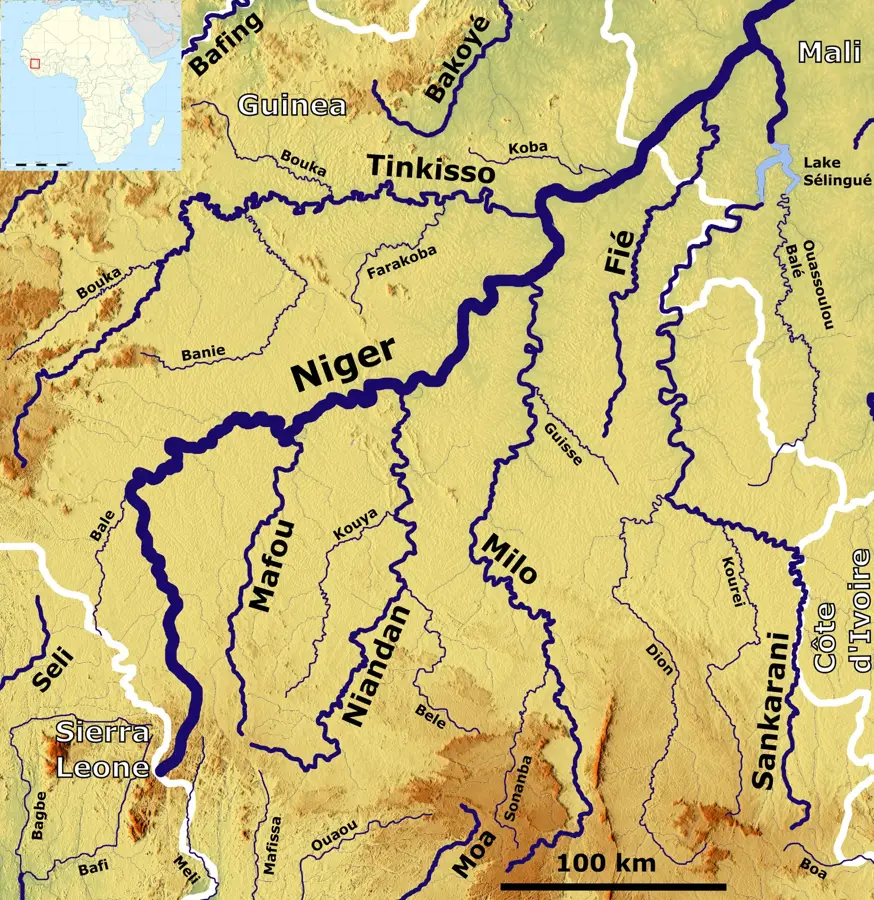
Niani is one of the most significant archaeological and historical sites in West Africa, once serving as the legendary capital of the Mali Empire during the 13th and 14th centuries. Geographically, it is located in northeastern Guinea within the Siguiri Prefecture, on the banks of the Sankarani River, a tributary of the Niger. In its prime, Niani was the royal residence of Sundiata Keita, the empire's founder, and later of the famous Mansa Musa, renowned for his legendary wealth. The city was a central hub of the trans-Saharan trade routes, where gold, salt, and ivory were exchanged. Archaeological excavations have revealed remains of palaces, mosques, and residential quarters, testifying to a highly developed urban civilization. Historically, Niani represents the peak of Mandinka political and cultural power. The city's decline began in the 15th century due to raids by rival empires and shifts in trade routes. Today, Niani stands as a profound symbol of Guinea's historical heritage, offering insights into the grandeur of pre-colonial African empires and the roots of Manding culture.
- Location: Guinea
- Nearby: Niagassola (88 km)
Best time to visit & climate
The most pleasant time to visit is Jan, Nov, Dec.
| Jan | Feb | Mar | Apr | May | Jun | Jul | Aug | Sep | Oct | Nov | Dec | |
|---|---|---|---|---|---|---|---|---|---|---|---|---|
| Avg °C | 25 | 28 | 31 | 33 | 32 | 29 | 26 | 25 | 25 | 26 | 26 | 25 |
| Rain mm | 1 | 1 | 4 | 28 | 63 | 142 | 225 | 306 | 220 | 69 | 3 | 0 |
📋 Practical info
Geography
Facts
- Niani was the inaugural capital of the powerful medieval Mali Empire.
- Sundiata Keita established Niani as his seat of power in the 13th century.
- The city was strategically located on the navigable Sankarani River.
- Mansa Musa set out from Niani for his famous pilgrimage to Mecca.
- Archaeological finds include significant pottery and evidence of iron smelting.
- Niani is a protected national historical site in the Republic of Guinea.
Explore nearby
Notable places around




Route planner — Car & Motorhome
Where do you start? We build the route here, with stops and country notes along the way.
© OpenStreetMap contributors · OpenRouteService
Sights nearby
Frequently asked questions
What is the historical significance of Niani?
When is the best time to visit?
Are there ruins to see?
Do I need a guide?
Are there tourist facilities?
Niani: where is it located?
Niani: when is the best time to visit?
Niani: why is it worth visiting?

Nearby cities

History & landmarks
Nature
More places