Plizio Visual Lab
Mandiana
ℹ️Practical info — Mandiana
▾
🌤 Weather — 5 days
📍 Nearby
Sights nearby
💡 Tips
- The city is a gold-mining hub; do not attempt to visit the artisanal mines without a trusted local guide.
- It gets extremely hot during the dry season; plan outdoor activities for the early morning or late afternoon.
- Watch out for heavy dust on the roads; carrying a light scarf or mask can make walking around more comfortable.
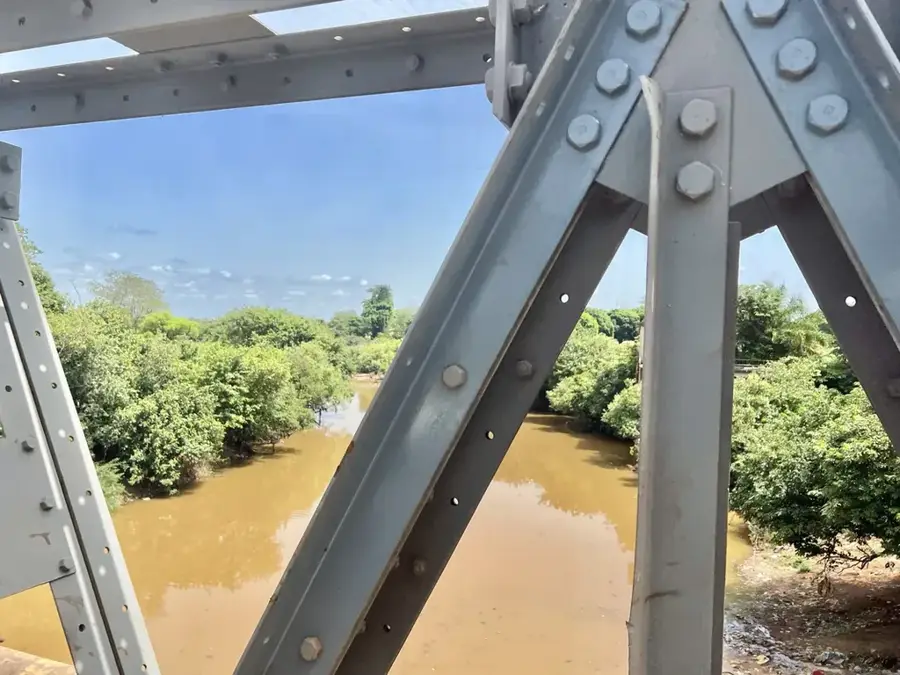
- The Sankarani River area is beautiful, but inquire locally about safe spots before getting close to the water.
🍽 Food
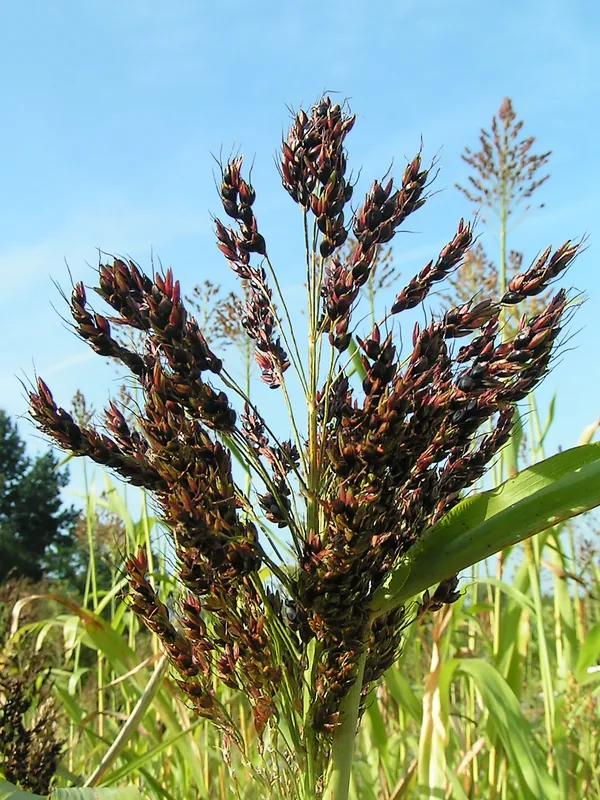
Look for street vendors selling freshly roasted or boiled peanuts, a staple crop in this savanna region.
Try this popular Guinean breakfast dish made of rice topped with soumbara (fermented locust beans) and okra.
Enjoy boiled or fried yams served with a rich, spicy tomato sauce in small roadside eateries.
🛍 Shopping · 🧘 Quiet spots
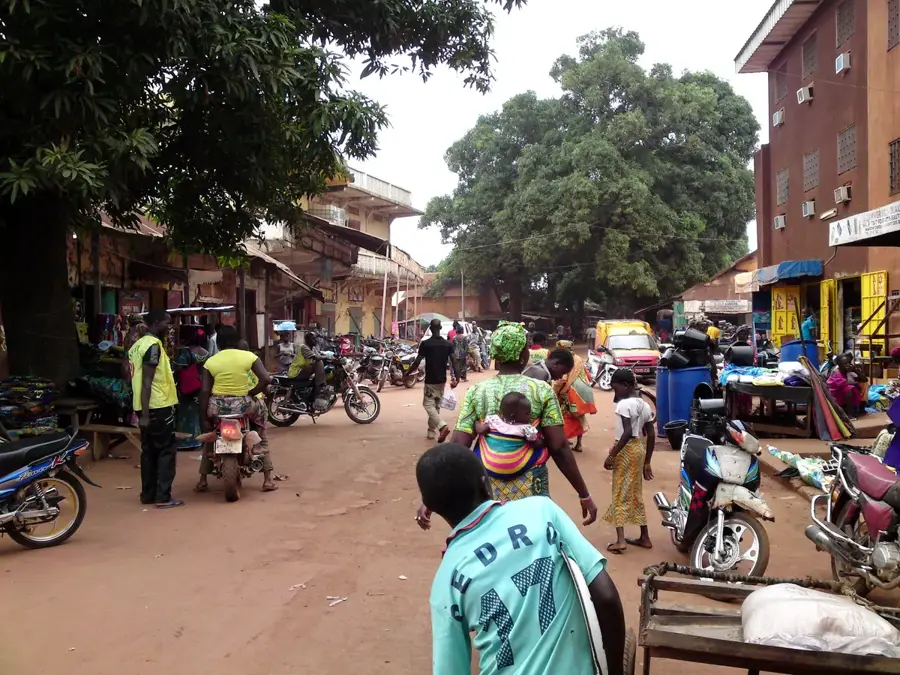
A great place to observe the local trade of grains, tubers, and vegetables grown in the surrounding savanna.
Browse stalls selling locally forged tools and basic equipment used by the nearby farmers and prospectors.
Take a quiet stroll along the safer, established parts of the riverbank to enjoy the cool breeze.
Wander slightly out of the town center to appreciate the open skies and calm of the savanna landscape.
Water temperature…
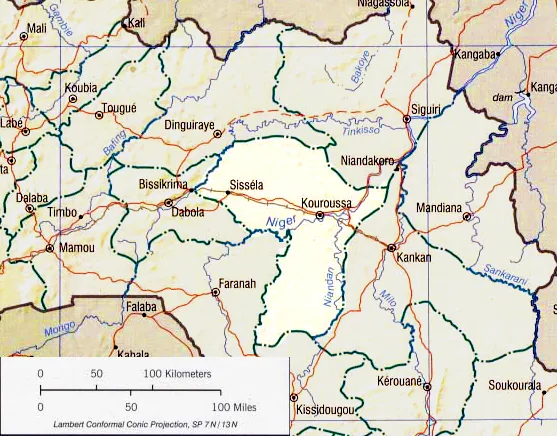
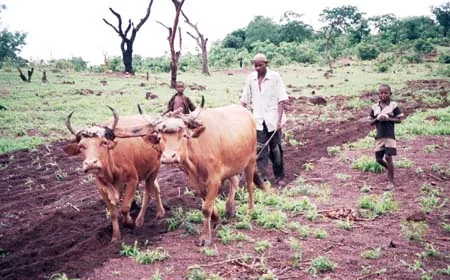
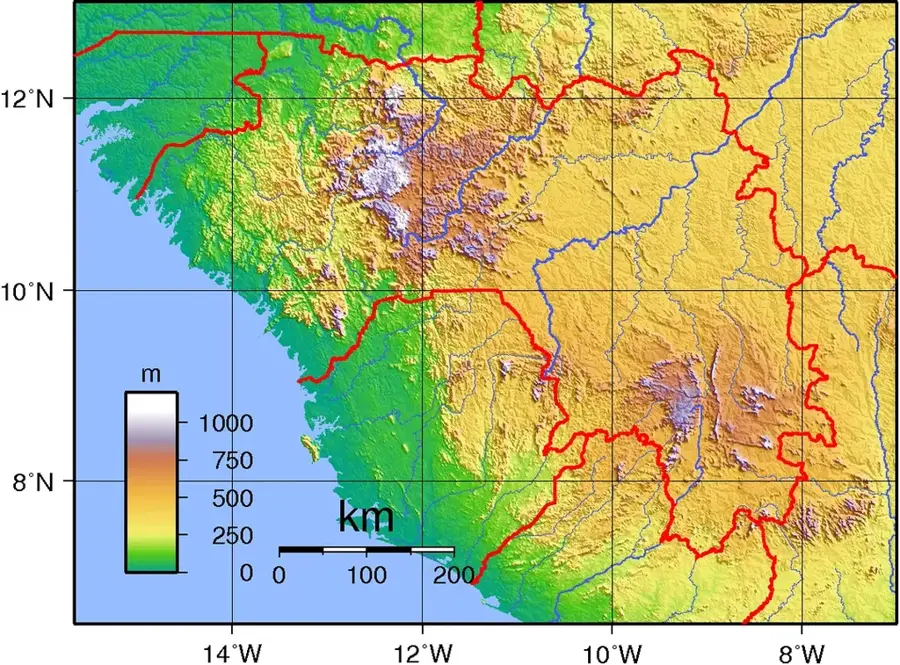
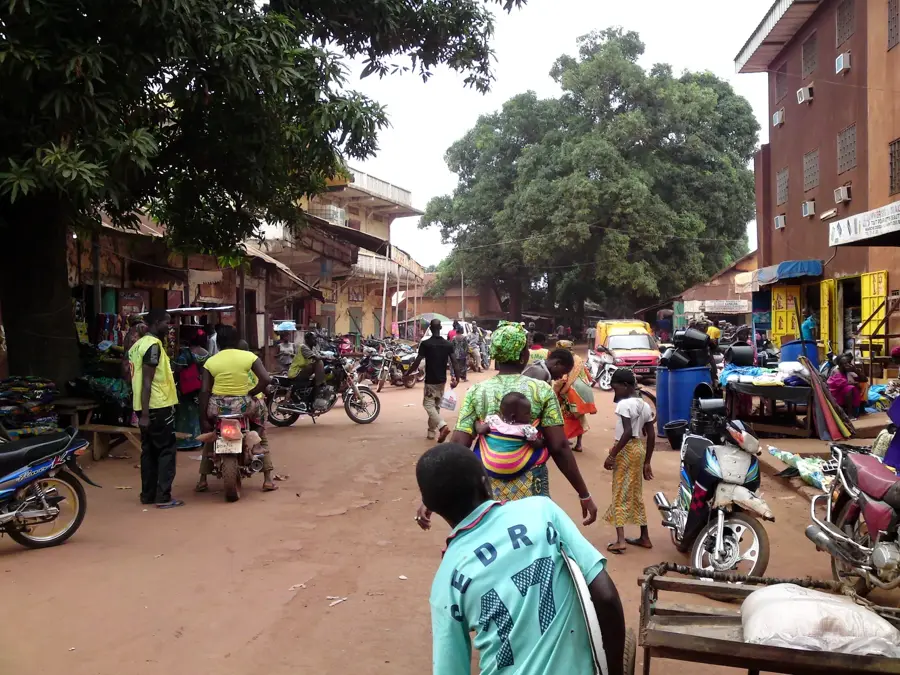
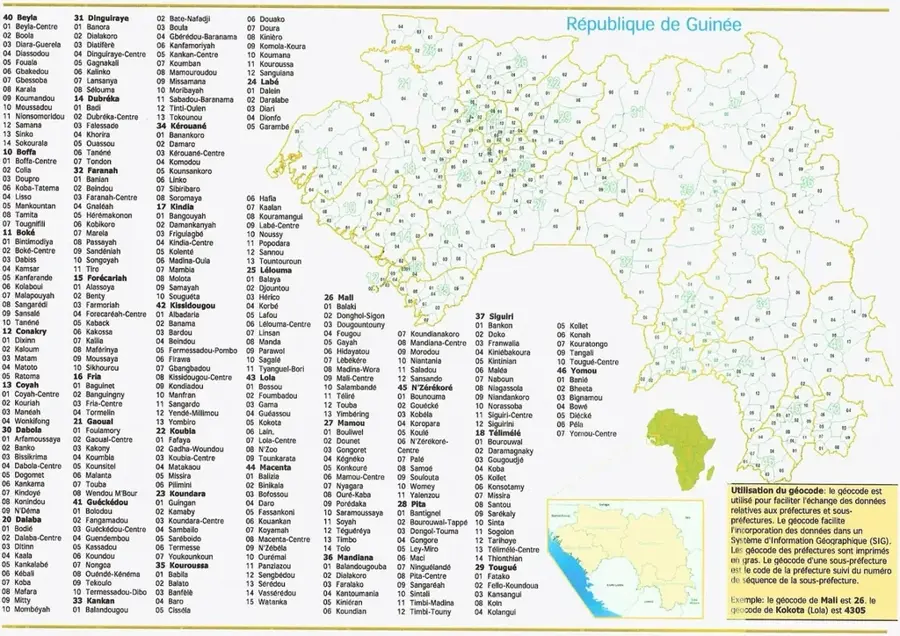
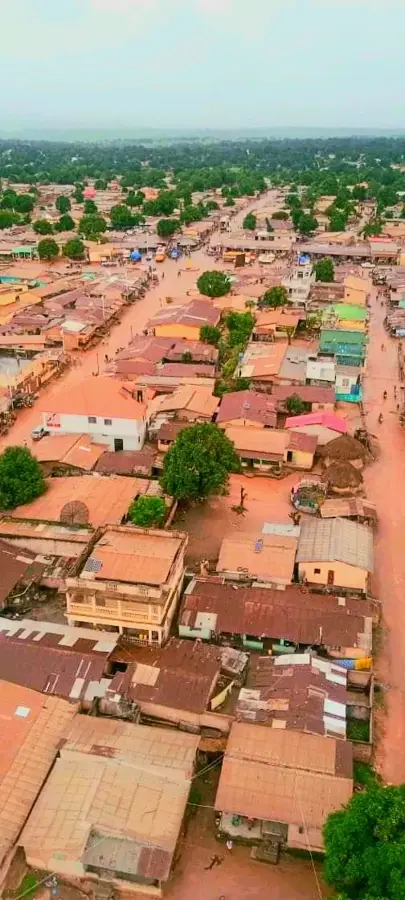
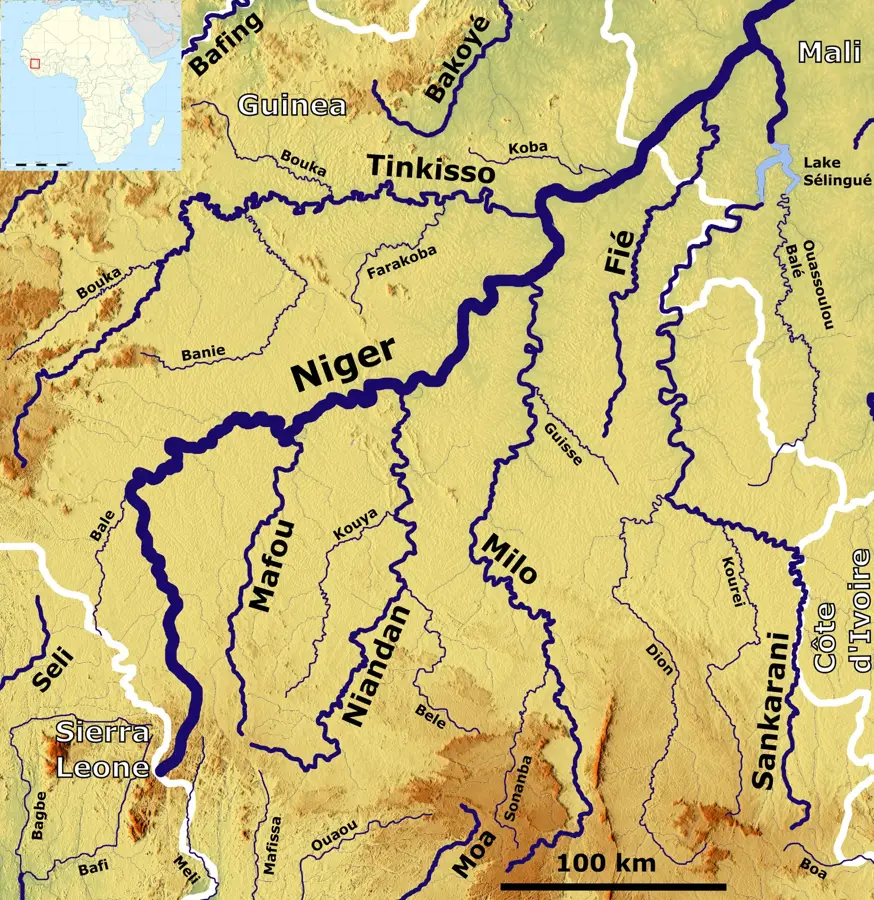
Mandiana is located in the far northeast of Guinea within the Kankan Region, close to the border with Mali. As the administrative center of the Mandiana Prefecture, the town is set against the backdrop of the Upper Guinea savanna and is significantly influenced by the Milo and Sankarani river systems. Its geographic position makes it a strategic trading point for commerce between Guinea and the Sahelian interior. The local economy is built on two primary sectors: agriculture and gold mining. Mandiana sits within the gold-rich Siguiri basin, where both artisanal gold washing and industrial exploration are major economic activities. Agriculture focuses on rice, maize, and peanut production, aided by the fertile plains along the riverbanks, alongside extensive cattle ranching. Culturally, Mandiana is a stronghold of Malinké traditions, where the heritage of the hunter brotherhoods (Donsow) and the music of the griots remain deeply influential. Fishing in the Sankarani River also provides a vital food source and income for the riverine communities.
- Location: Guinea
- Nearby: Kankan (75 km)
- Population: ~19.110 (2023)
Best time to visit & climate
The most pleasant time to visit is Jan, Nov, Dec.
| Jan | Feb | Mar | Apr | May | Jun | Jul | Aug | Sep | Oct | Nov | Dec | |
|---|---|---|---|---|---|---|---|---|---|---|---|---|
| Avg °C | 25 | 28 | 31 | 31 | 29 | 27 | 25 | 24 | 25 | 26 | 26 | 25 |
| Rain mm | 2 | 5 | 11 | 55 | 106 | 191 | 258 | 328 | 248 | 87 | 8 | 1 |
Geography
Facts
- Mandiana is a key border town facilitating trade between Guinea and Mali.
- The town is located near the confluence areas of the Milo and Sankarani rivers.
- It is part of the Siguiri gold-bearing basin, a major artisanal mining zone.
- The region is a significant producer of rice for the Upper Guinea market.
- It is a center for the traditional Malinké hunter brotherhoods (Donsow).
- The Sankarani River provides an essential navigable route for local transport.
Explore nearby
Notable places around



Route planner — Car & Motorhome
Where do you start? We build the route here, with stops and country notes along the way.
© OpenStreetMap contributors · OpenRouteService
Sights in the town Mandiana (1)
Frequently asked questions
Where is Mandiana located?
What role does gold mining play?
Can you go on the river?
What is the main challenge when traveling?
Are there wild animals there?
Mandiana: where is it located?
Mandiana: when is the best time to visit?
Mandiana: why is it worth visiting?

Nearby cities
History & landmarks
Nature
More places