Plizio Visual Lab
Kankan
ℹ️Practical info — Kankan
▾
🌤 Weather — 5 days
📍 Nearby
Sights nearby
💡 Tips
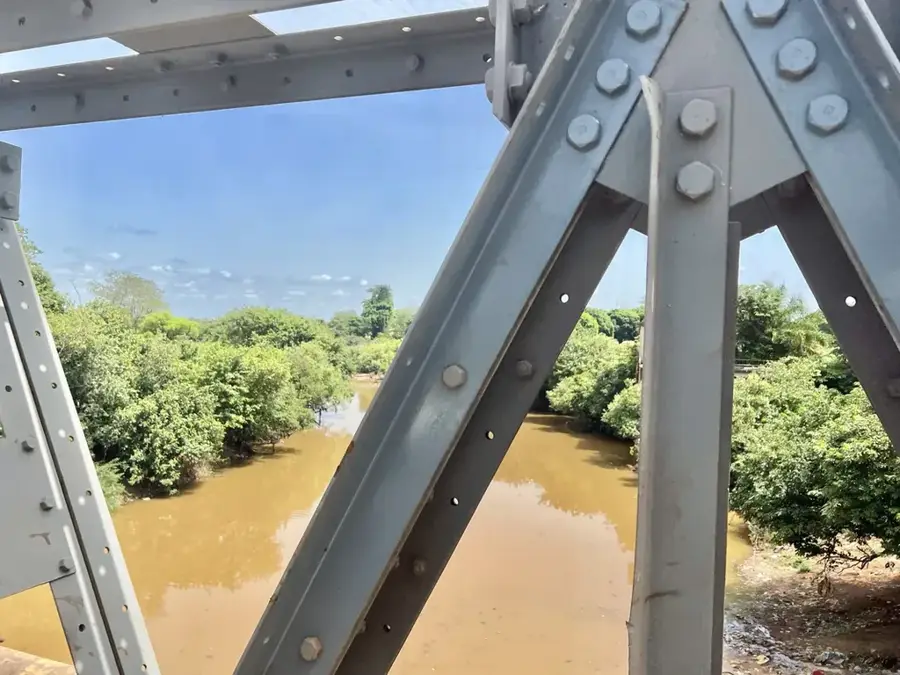
- The Milo River dictates much of the city's life; a walk along its banks is best done in the late afternoon to avoid the intense midday heat.
- Kankan is a prominent center of Islamic culture in Guinea; dressing modestly out of respect is highly recommended when moving around town.
- Motorbike taxis are ubiquitous, but ensure you agree on the price before starting the journey.
- If traveling during the dry season (Harmattan), be prepared for dusty air; carrying a light scarf or mask can be very helpful.
- Visit the Julius Nyerere University campus area to see the modern, youthful side of this historic city.
🍽 Food
A flavorful fat rice dish cooked with meat broth and tomatoes, easily found in informal local eateries across town.
A traditional Guinean eggplant and okra sauce, often served over rice in the smaller local maquis.
In season, Kankan's mangoes are famous across the country; buy them directly from street vendors.
🛍 Shopping · 🧘 Quiet spots
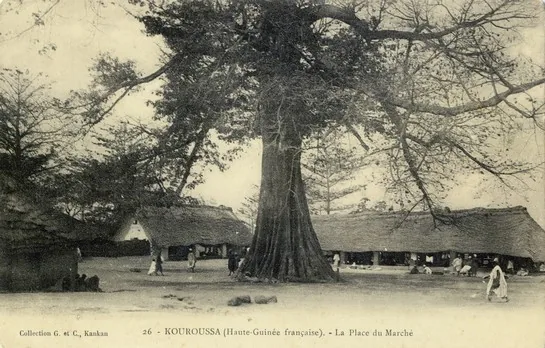
The central hub for everything from fresh produce to traditional medicines and daily necessities.
Look for local artisans selling leatherwork and traditional wooden carvings around the market area.
The quieter sections of the riverbank, slightly away from the main bridges, offer a serene place to watch the water flow.
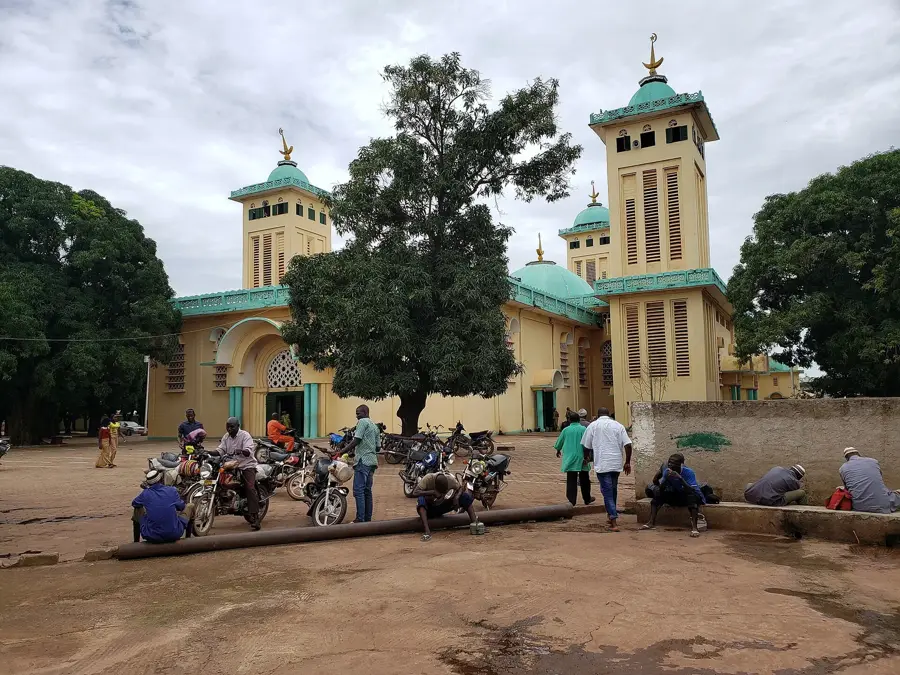
Outside of prayer times, the expansive area around the region's most important mosque is calm and reflective.
Water temperature…
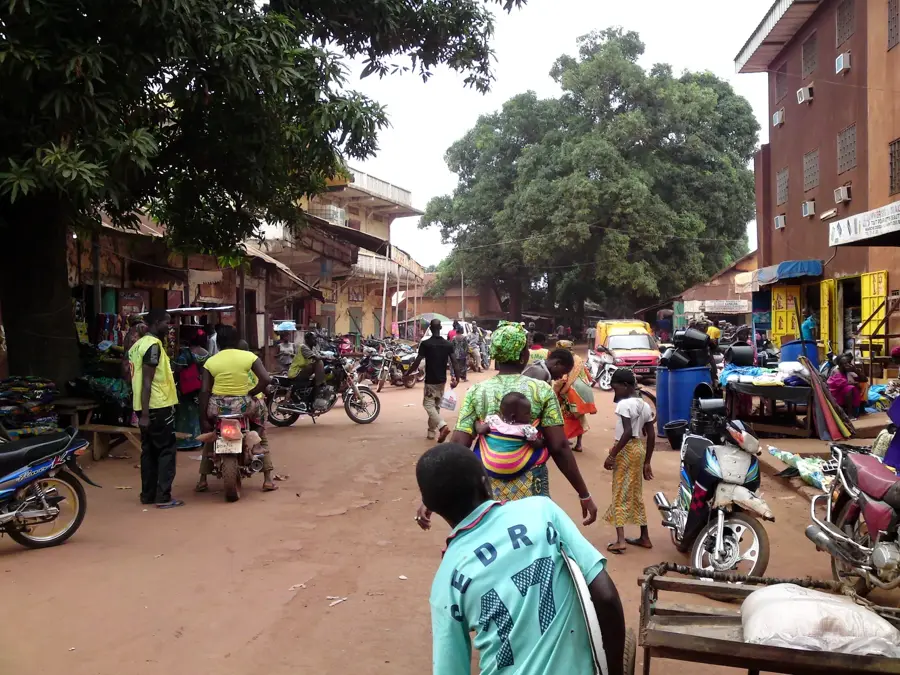
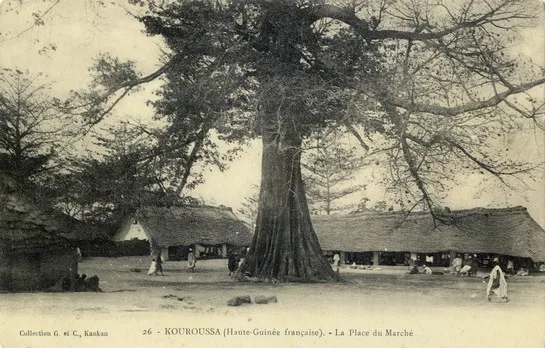
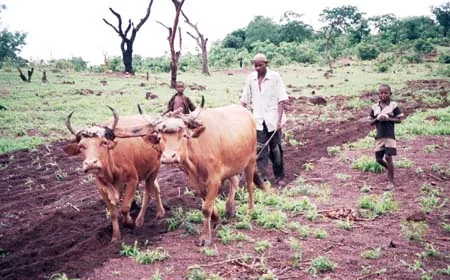
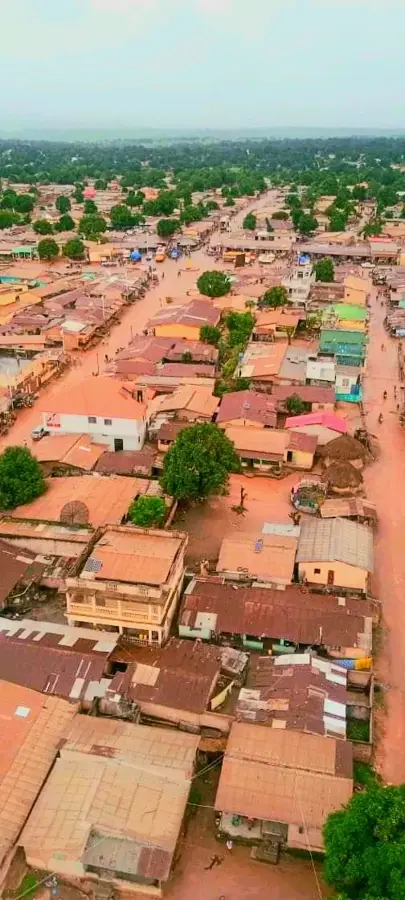
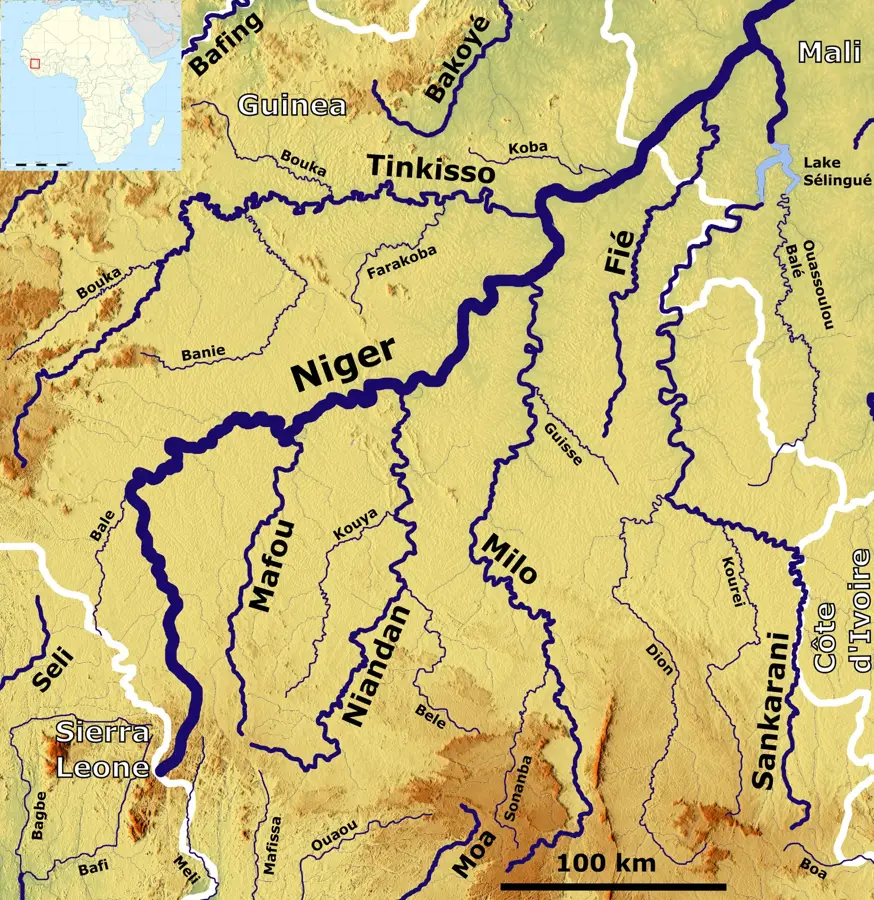
Kankan is the second largest city in Guinea and serves as the primary administrative and cultural hub of the eastern part of the country. Situated on the Milo River, a tributary of the Niger, the city was established in the 17th century by Mandinka traders and evolved into a significant religious and intellectual center in West Africa. Today, Kankan is widely recognized for the Julius Nyerere University, which is one of the most prestigious educational institutions in the nation. The city's economy is largely driven by its role as a commercial crossroads, facilitating trade in agricultural products such as rice, cotton, and various fruits. Its strategic location makes it an essential transport link for goods moving between Guinea, Mali, and Ivory Coast. Kankan remains a bastion of Mandinka culture, most notably expressed through the annual Mamaya festival, which showcases traditional music and dance. Historically part of the Baté region, the city continues to preserve a unique blend of Islamic scholarship and traditional West African heritage.
- Location: Guinea
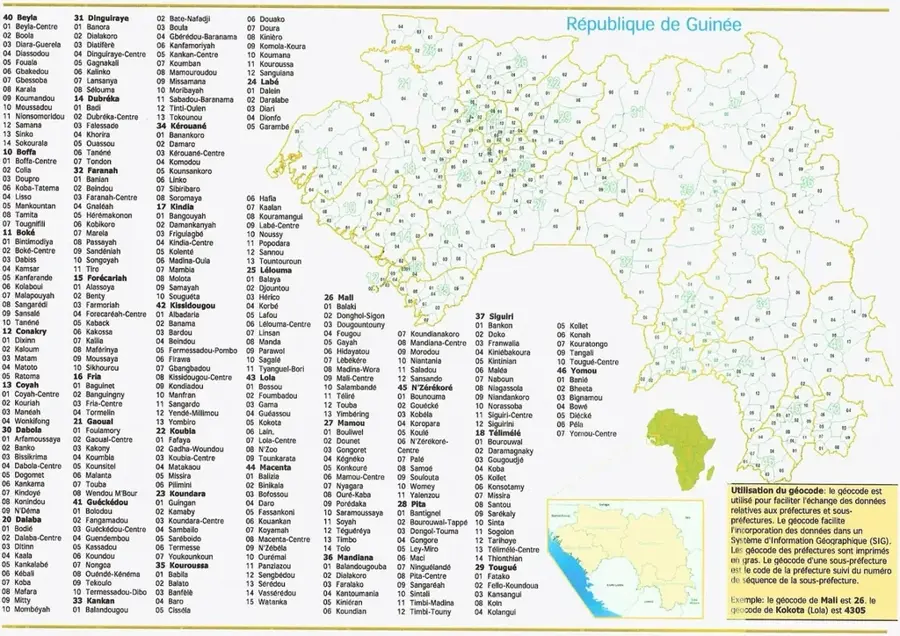
- Nearby: Sanguiana (60 km)
- Population: ~221.428 (2023)
Best time to visit & climate
The most pleasant time to visit is Jan, Nov, Dec.
| Jan | Feb | Mar | Apr | May | Jun | Jul | Aug | Sep | Oct | Nov | Dec | |
|---|---|---|---|---|---|---|---|---|---|---|---|---|
| Avg °C | 25 | 28 | 30 | 31 | 29 | 27 | 25 | 24 | 25 | 26 | 25 | 25 |
| Rain mm | 3 | 12 | 12 | 58 | 116 | 212 | 277 | 342 | 261 | 96 | 11 | 2 |
Geography
Facts
- Kankan was founded around 1690 by Mandinka merchant families.
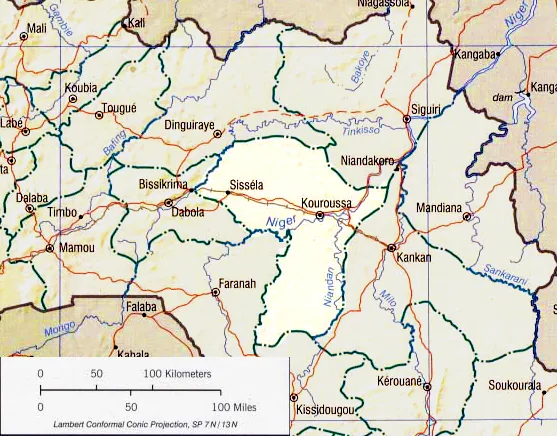
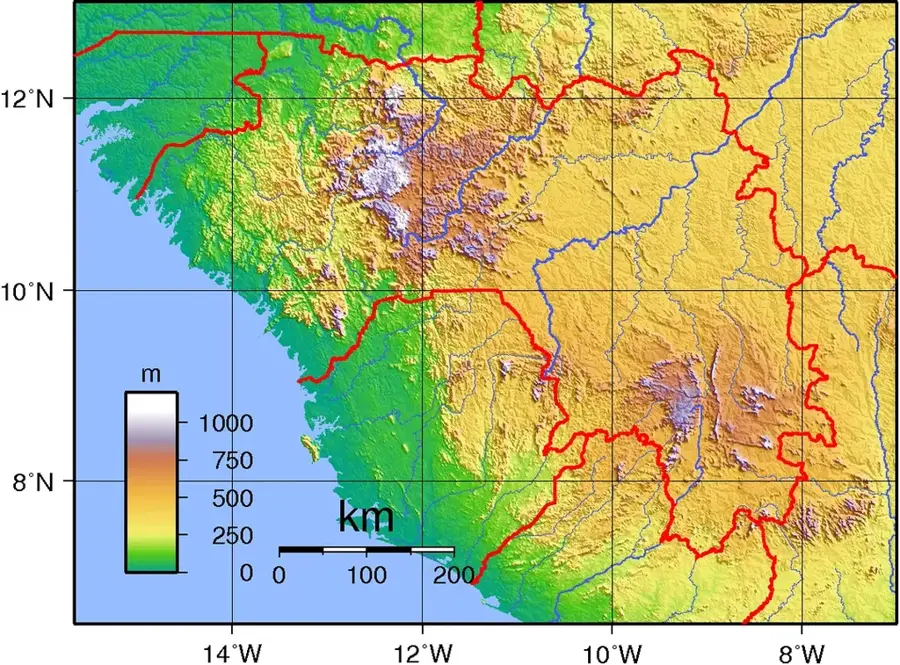
- The city is located approximately 550 kilometers east of Conakry.
- Julius Nyerere University was officially established in 1964.
- The city serves as the administrative capital of the Kankan Region.
- Kankan is a major center for the Malinke (Mandinka) ethnic group.
- The Milo River provides a vital water source for local agriculture and transport.
Explore nearby
Notable places around


Route planner — Car & Motorhome
Where do you start? We build the route here, with stops and country notes along the way.
© OpenStreetMap contributors · OpenRouteService
Frequently asked questions
What is the city of Kankan famous for?
Can you visit the Milo River in Kankan?
What is the climate like in Kankan?
What is the most important annual event in Kankan?
What is the tourist infrastructure like?
Kankan: where is it located?
Kankan: when is the best time to visit?
Kankan: why is it worth visiting?

Nearby cities

History & landmarks
Nature
More places