Plizio Visual Lab
Kouroussa
ℹ️Practical info — Kouroussa
▾
🌤 Weather — 5 days
📍 Nearby
Sights nearby
💡 Tips
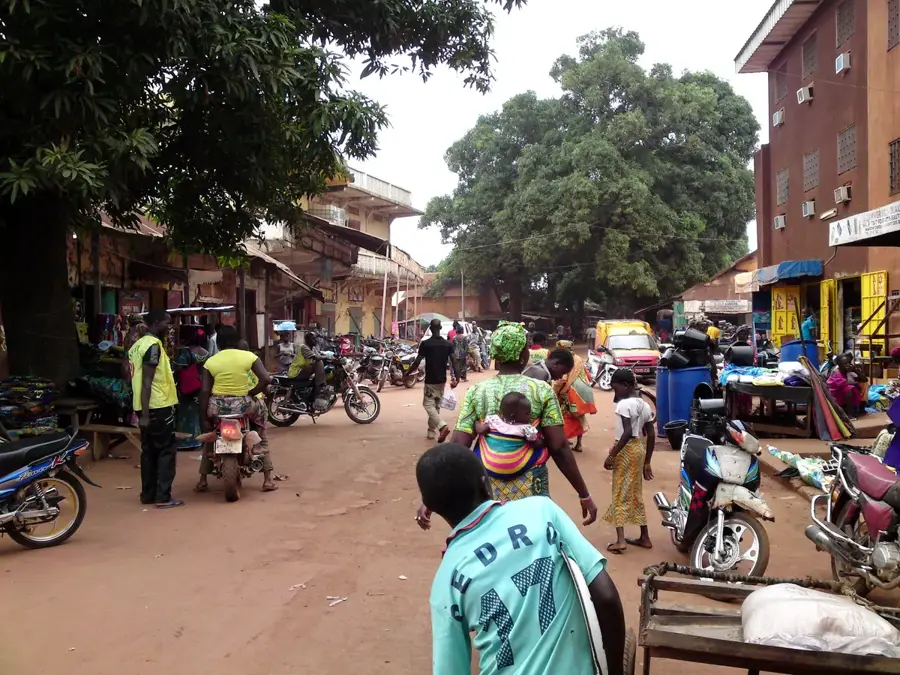
- The town has a very relaxed pace; visit the Niger River banks in the late afternoon when locals gather and the heat subsides.
- Roads from Conakry or Kankan can be rough; opt for a sturdy 4x4 if you are hiring private transport.
- French is the official language, but knowing a few greetings in Malinke will be highly appreciated by the locals.
- Bring plenty of insect repellent, as mosquitoes are prevalent due to the proximity to the river.
🍽 Food
A flavorful rice dish cooked in a rich tomato and peanut broth, available at local canteens around the market.
Locally caught fish from the Niger River, typically grilled or fried and served with plantains. Look for small eateries near the water.
Rice mixed with soumbala (fermented locust beans) and oil, a hearty traditional Guinean breakfast.
🛍 Shopping · 🧘 Quiet spots
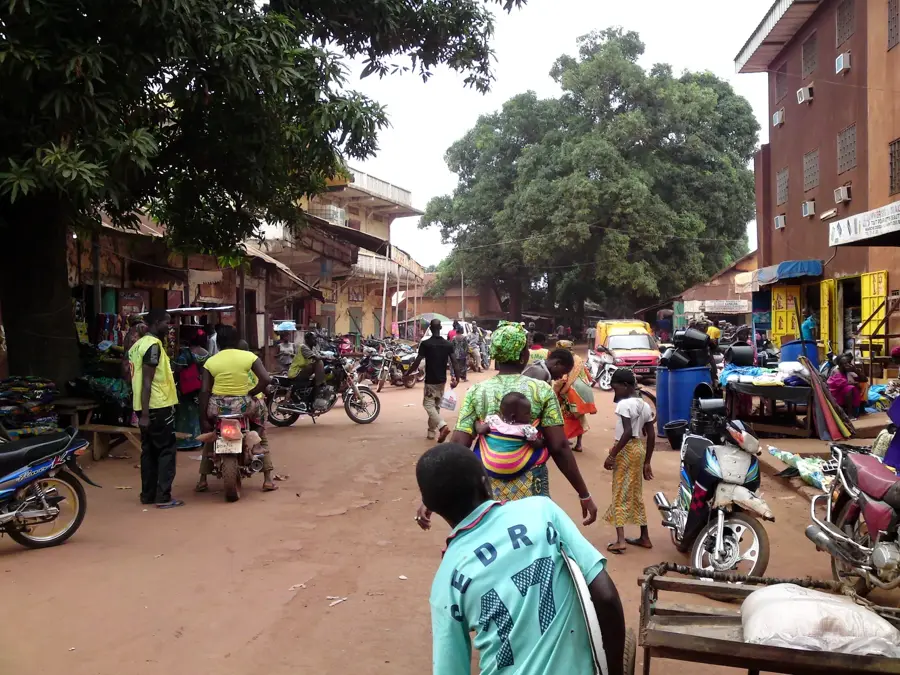
A traditional market where you can find colorful textiles, fresh produce, and sometimes artisan crafts from the Malinke people.
Look for small local workshops making traditional masks or carved wooden items.
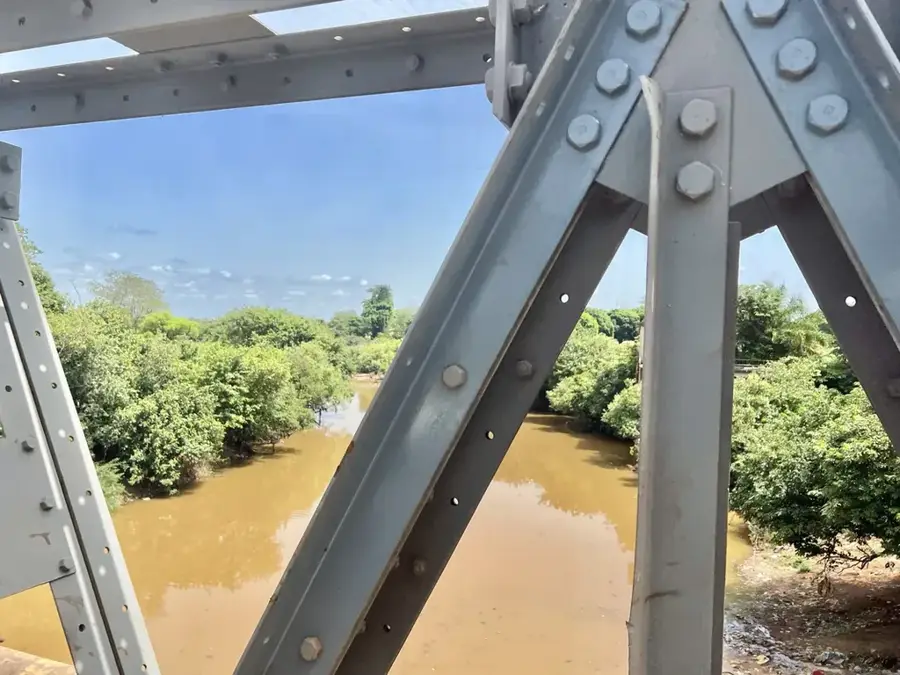
A scenic and peaceful spot for an evening stroll, watching small wooden canoes (pirogues) glide along the water.
Walk through the traditional residential areas that inspired 'The Dark Child' (L'Enfant noir) for a glimpse of authentic local life.
Water temperature…
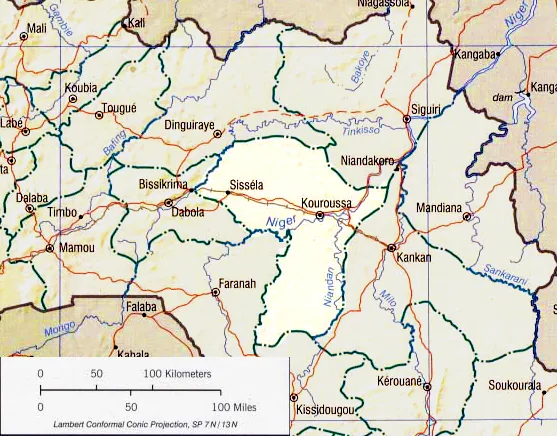
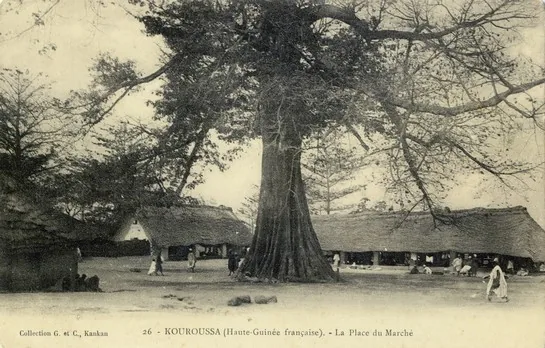
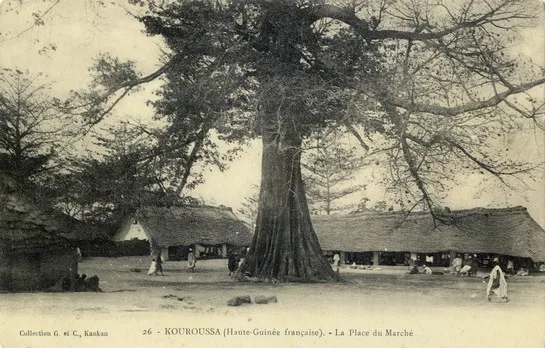
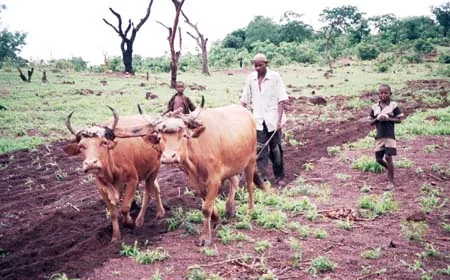
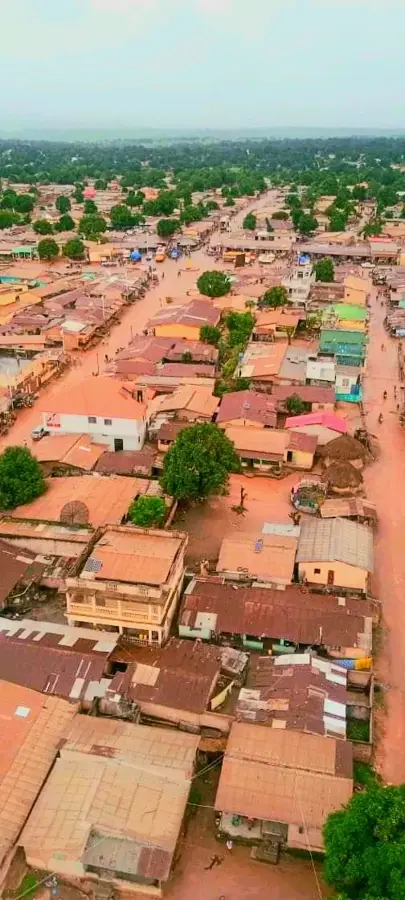
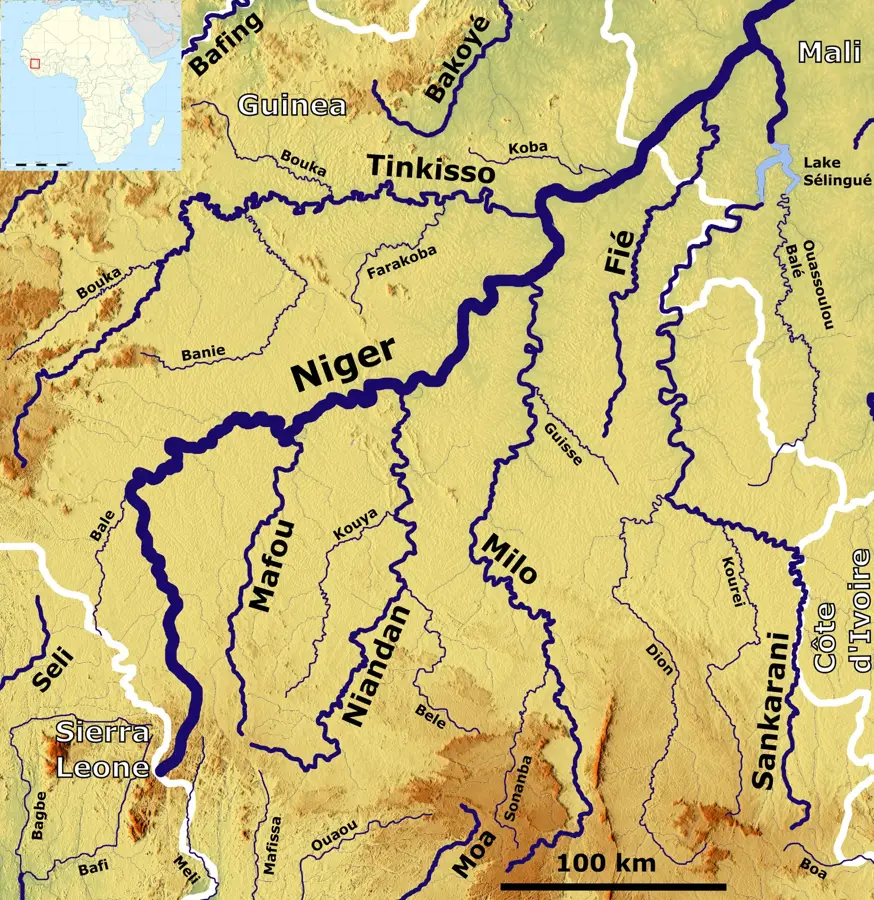
Kouroussa is a historically and culturally significant town in Upper Guinea, situated along the upper reaches of the Niger River. It is widely recognized as the birthplace of the acclaimed Guinean author Camara Laye, whose semi-autobiographical novel 'The African Child' brought global attention to the town's customs and way of life. Geographically, Kouroussa marks a key point on the Niger where the river becomes navigable for smaller vessels during the rainy season. The town's economy relies on trade, river fishing, and the cultivation of rice in the extensive alluvial plains. Historically, Kouroussa served as an important center in the Mandinka cultural sphere and played a role in the transit trade between the southern rainforests and the northern savannahs. The town's architecture reflects a blend of traditional styles and remnants of the French colonial era, including its old railway station. Today, Kouroussa stands as a symbol of Guinea's literary heritage, preserving the rich oral histories and musical traditions of the Malinké people.
- Location: Guinea
- Top sights: Kouroukoro · Kouroussa Prefecture
- Nearby: Sanguiana (36 km)
- Population: ~36.295 (2023)
Best time to visit & climate
The most pleasant time to visit is Jan, Nov, Dec.
| Jan | Feb | Mar | Apr | May | Jun | Jul | Aug | Sep | Oct | Nov | Dec | |
|---|---|---|---|---|---|---|---|---|---|---|---|---|
| Avg °C | 24 | 27 | 30 | 30 | 29 | 27 | 25 | 24 | 25 | 26 | 25 | 24 |
| Rain mm | 4 | 16 | 9 | 49 | 113 | 209 | 275 | 358 | 272 | 100 | 15 | 2 |
Geography
Facts
- Kouroussa is located on the Niger River, about 600 kilometers east of Conakry.
- The author Camara Laye was born here on January 1, 1928.
- The town was a major stop on the historic Conakry-Kankan railway line.
- Kouroussa is a center for the production of traditional hand-woven cloths.
- The Niger River becomes seasonally navigable starting from this point.
- The town is predominantly inhabited by the Malinké (Mandinka) ethnic group.
Explore nearby
Notable places around



Route planner — Car & Motorhome
Where do you start? We build the route here, with stops and country notes along the way.
© OpenStreetMap contributors · OpenRouteService
Sights in the town Kouroussa (2)
Frequently asked questions
What literary significance does Kouroussa have?
On which river is Kouroussa located?
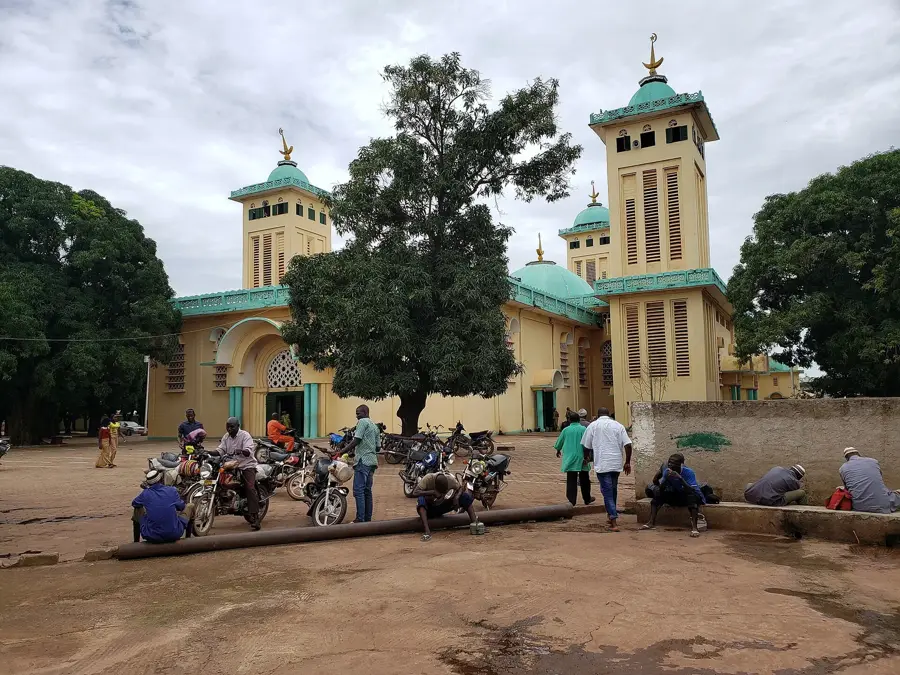
What is the most important monument in the city?
What is the atmosphere like in Kouroussa?
Can you go boating on the Niger?
Kouroussa: where is it located?
Kouroussa: what is there to see?
Kouroussa: when is the best time to visit?
Kouroussa: why is it worth visiting?
Nearby cities
History & landmarks
Nature
More places