Plizio Visual Lab
Milo
Weather…
Water temperature…
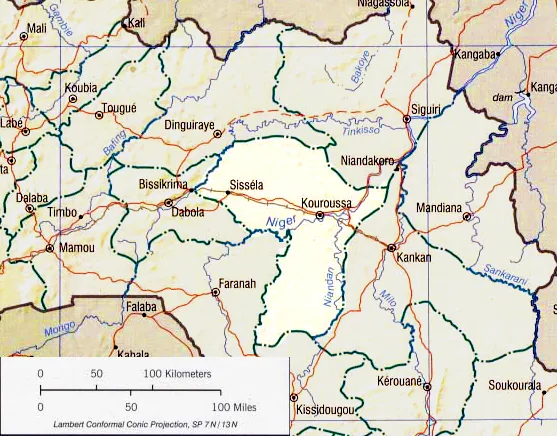
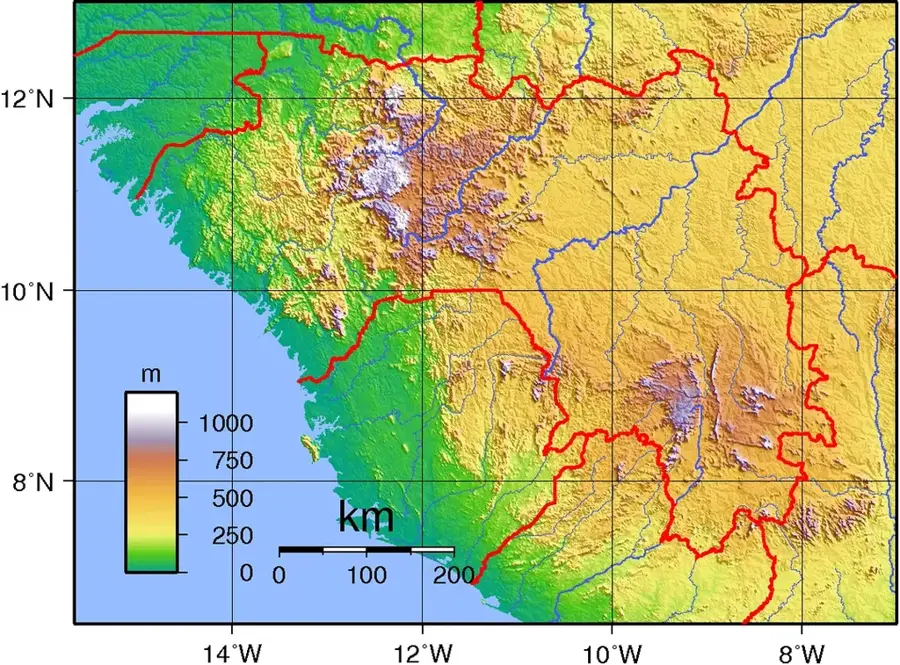
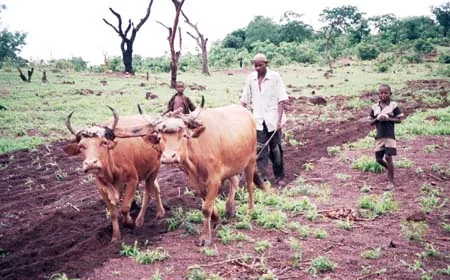
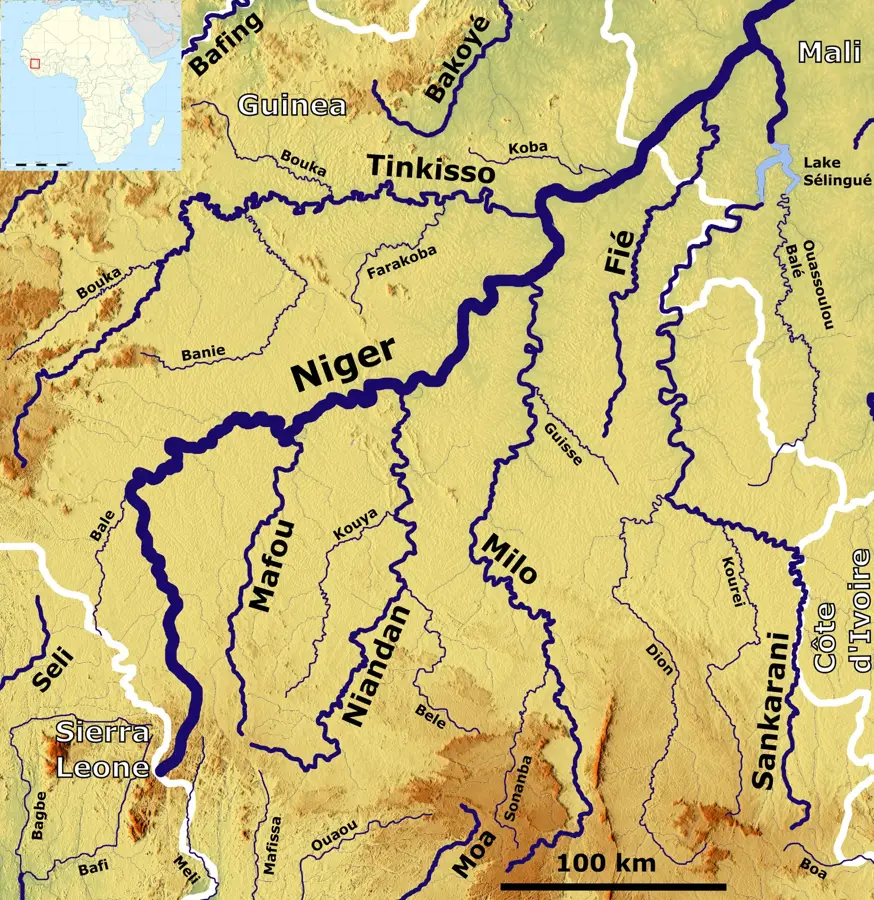
The Milo is one of the most important tributaries of the Niger River in Upper Guinea and a vital ecological lifeline for the region. Geographically, it originates in the highlands of Forested Guinea near Beyla and flows northward through the Kérouané and Kankan Prefectures. The Milo is known for its steady flow and extensive floodplains, which are naturally rejuvenated during the annual rainy season. This hydrological cycle makes the Milo basin one of Guinea's most fertile agricultural zones, supporting large-scale rice, maize, and vegetable cultivation. Economically, the river acts as a primary trade route; during peak water levels, it is navigable for large traditional pirogues up to the regional hub of Kankan. Historically, the Milo valley was the heartland of powerful Mandinka clans and a strategic theater during the formation of the Wassoulou Empire. Daily life along the Milo revolves around artisanal fishing and the reliance on the river for irrigation and livestock watering. Ecologically, the river provides essential habitats for hippos, crocodiles, and a diverse range of water birds. For the people of Kankan, the Milo is more than just a resource; it is an intrinsic part of their cultural identity and historical heritage.
- Location: Guinea
- Top sights: Elhadj Fila Camara · Maison des Jeunes de Kankan · La statue du militaire
- Nearby: Sanguiana (64 km)
Best time to visit & climate
The most pleasant time to visit is Jan, Nov, Dec.
| Jan | Feb | Mar | Apr | May | Jun | Jul | Aug | Sep | Oct | Nov | Dec | |
|---|---|---|---|---|---|---|---|---|---|---|---|---|
| Avg °C | 25 | 28 | 30 | 31 | 29 | 27 | 25 | 24 | 25 | 26 | 25 | 25 |
| Rain mm | 3 | 12 | 12 | 58 | 116 | 212 | 277 | 342 | 261 | 96 | 11 | 2 |
📋 Practical info
Geography
Facts
- The Milo joins the Niger River near the town of Niandankoro.
- It is the primary source of domestic water for the city of Kankan.
- The river's flood-pulse system is critical for Guinea's national rice production.
- Traditional canoe regattas are a cultural highlight along the Milo's banks.
- Alluvial gold mining is a significant economic activity along the river's course.
- The Milo riverbed contains unique geological deposits of gemstones and minerals.
Explore nearby
Notable places around



Route planner — Car & Motorhome
Where do you start? We build the route here, with stops and country notes along the way.
© OpenStreetMap contributors · OpenRouteService
Sights in the town Milo (3)
Sights nearby
Frequently asked questions
Is the Milo River navigable?
What animals can be seen in the river?
Which city is located on the banks of the Milo?
Is it safe to swim in the Milo River?
Where does the Milo River originate?
Milo: where is it located?
Milo: what is there to see?
Milo: when is the best time to visit?
Milo: why is it worth visiting?

Nearby cities





History & landmarks

Nature
More places