Plizio Visual Lab
Niagassola
ℹ️Practical info — Niagassola
▾
🌤 Weather — 5 days
📍 Nearby
Sights nearby
💡 Tips
- Ask for permission from the village elders before seeking to see the sacred Sosso Bala (balafon).
- Bring plenty of cash in Guinean Francs, as there are no ATMs in the area.
- Travel during the dry season, as unpaved roads can become impassable when it rains.
- Dress modestly to show respect for the local Manding cultural traditions.
🍽 Food
A traditional rice dish with okra and peanut sauce, typically found at small market stalls.
Chicken marinated in onion and lemon, often served at simple roadside eateries.
Buy sweet, sun-ripened tropical fruits straight from the vendors at the village market.
🛍 Shopping · 🧘 Quiet spots
Ask around for local artisans who carve small versions of the balafon or local drums.
An important cultural symbol; buy some at the market to use as a traditional respectful gift.
Take a short walk to the edge of the village to enjoy the quiet, open natural landscape.
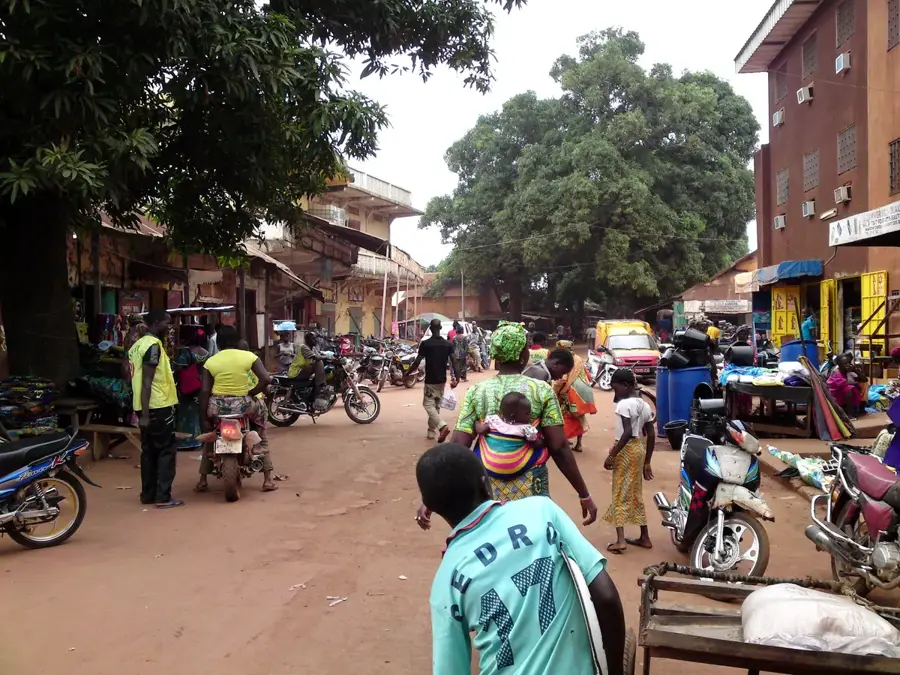
Rest under the large trees in the village center during the midday heat for a peaceful moment.
Water temperature…
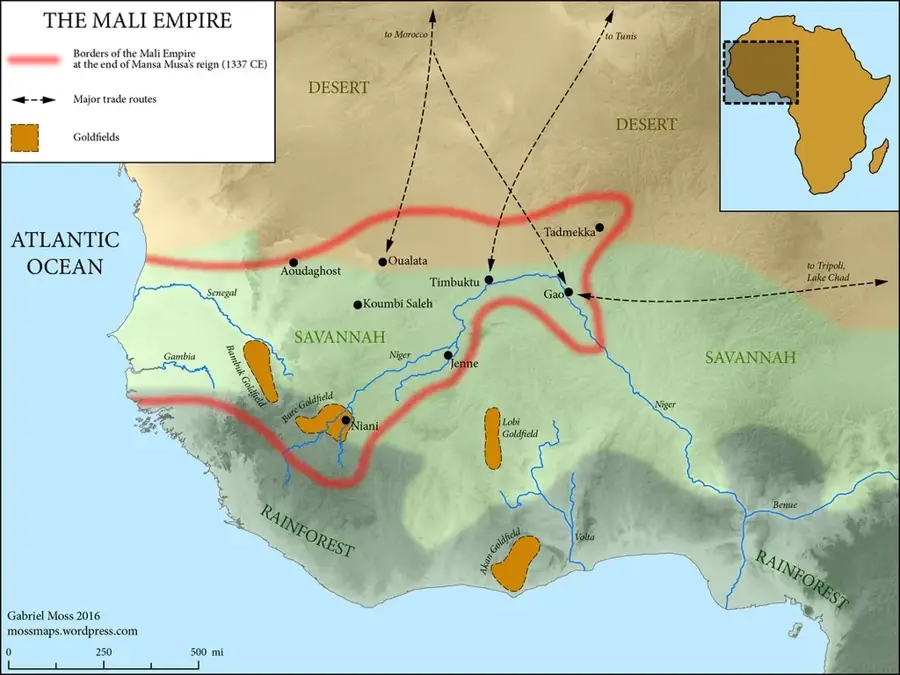
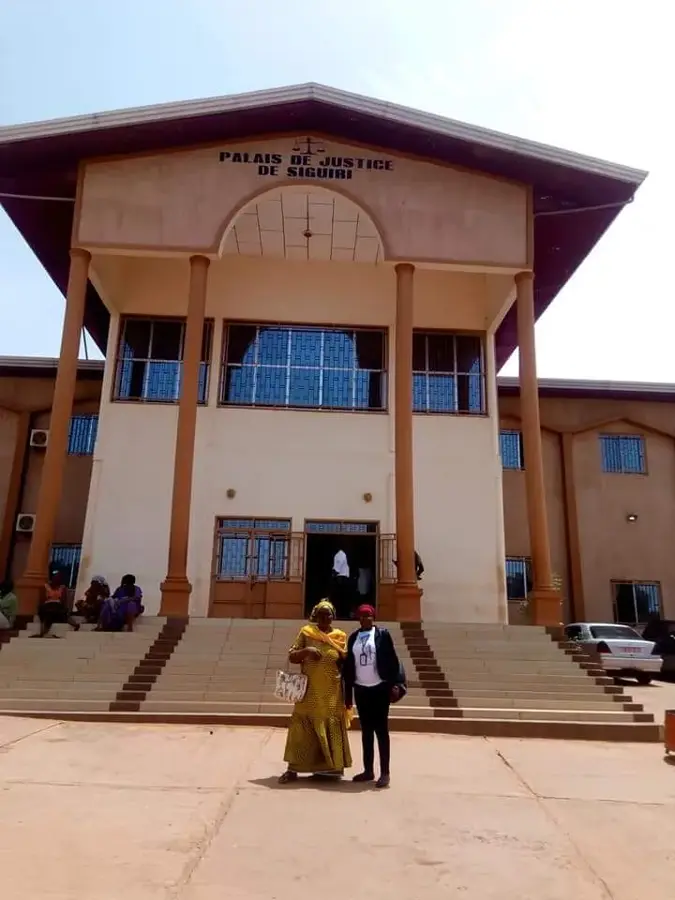
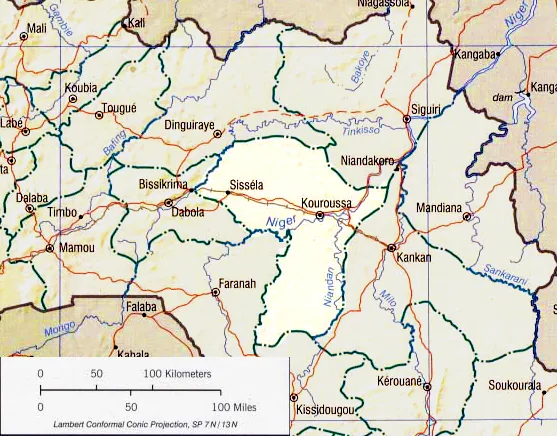
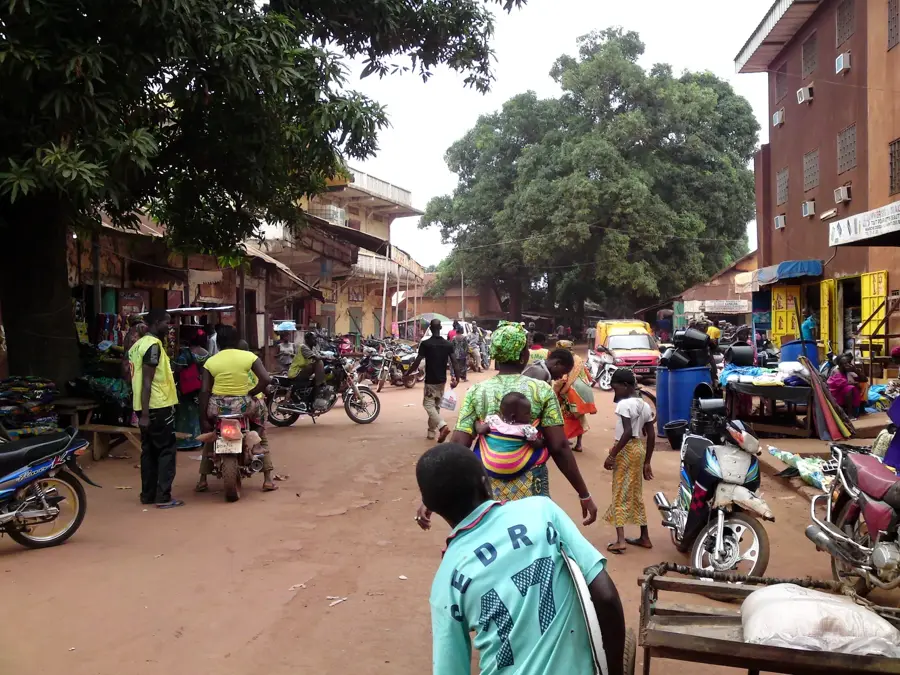
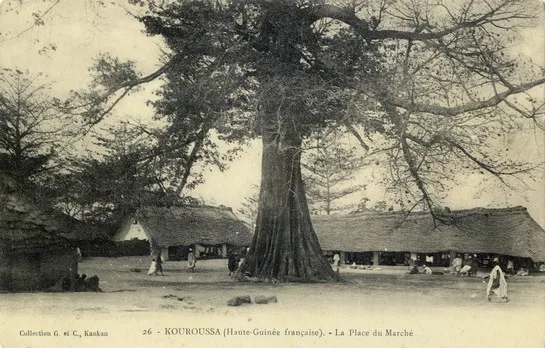
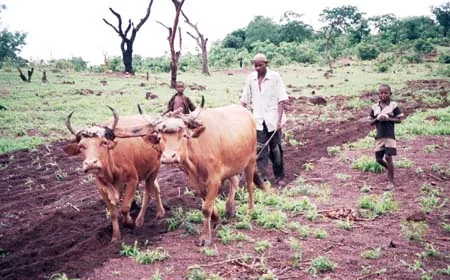
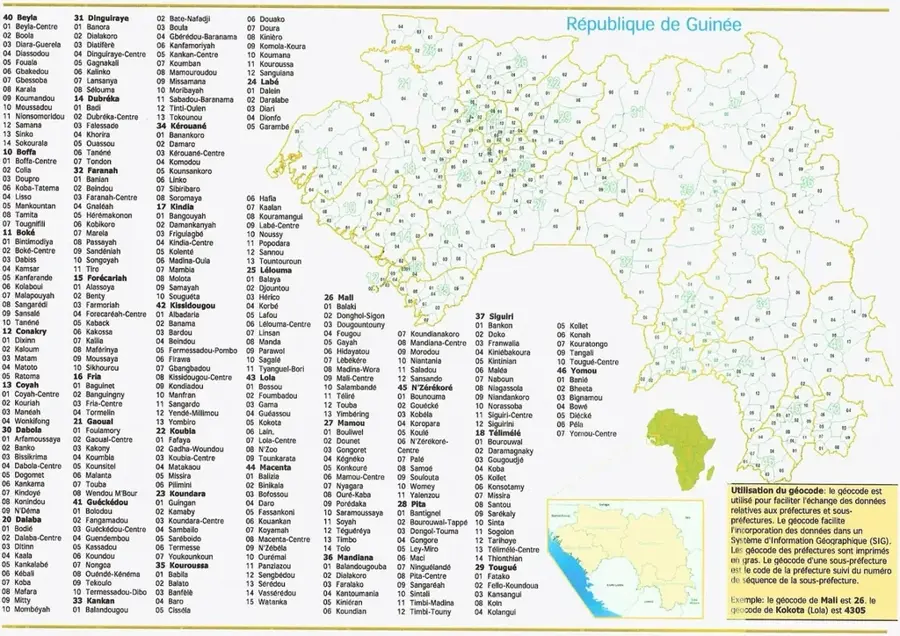
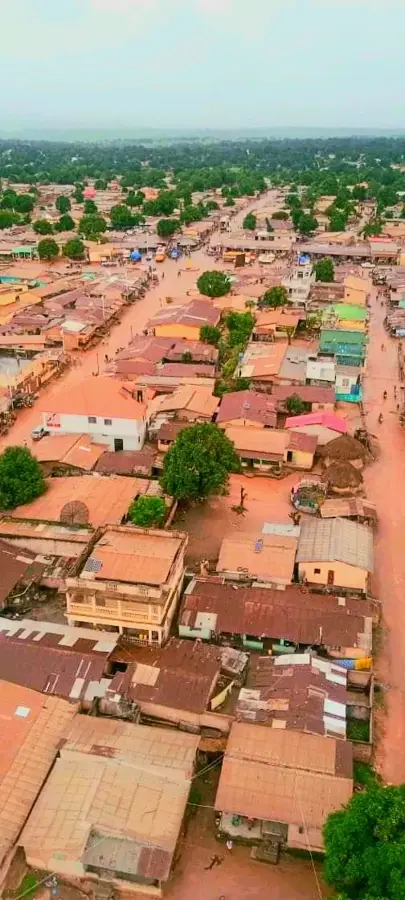
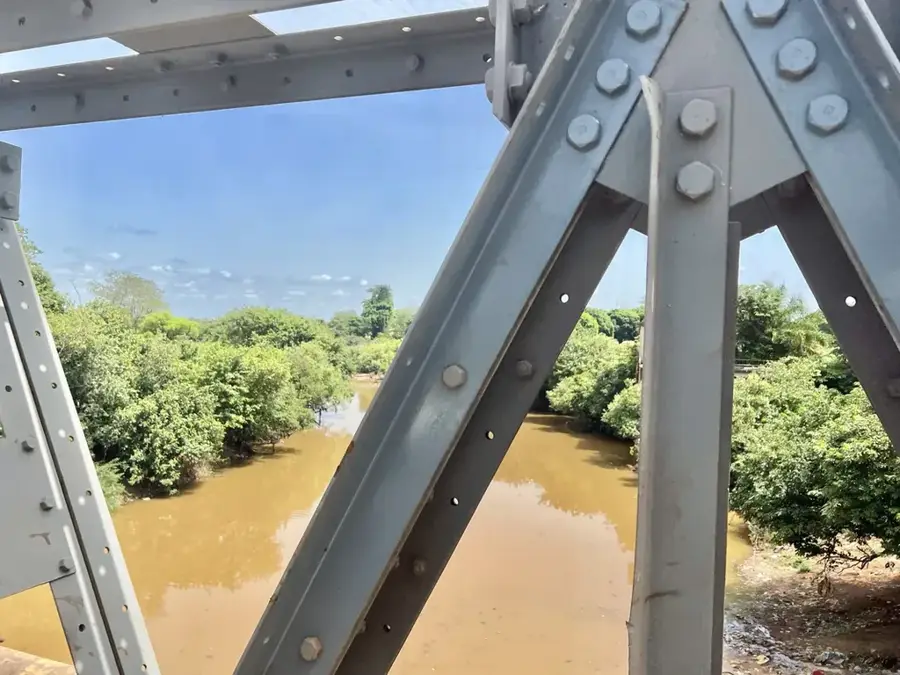
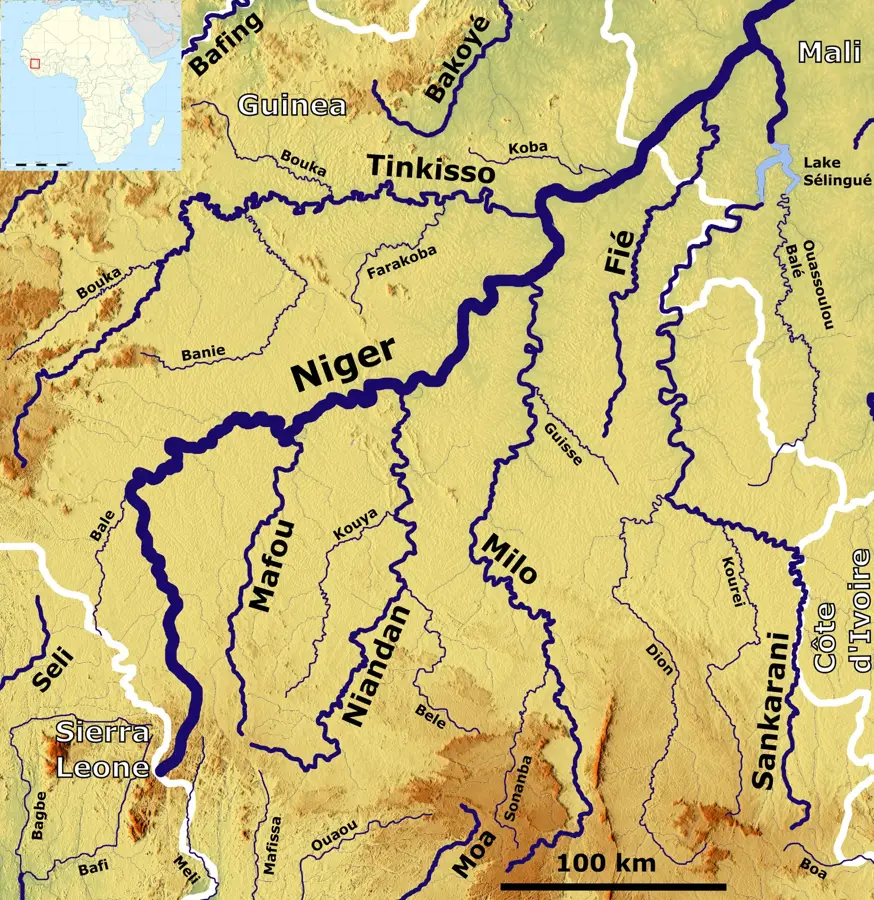
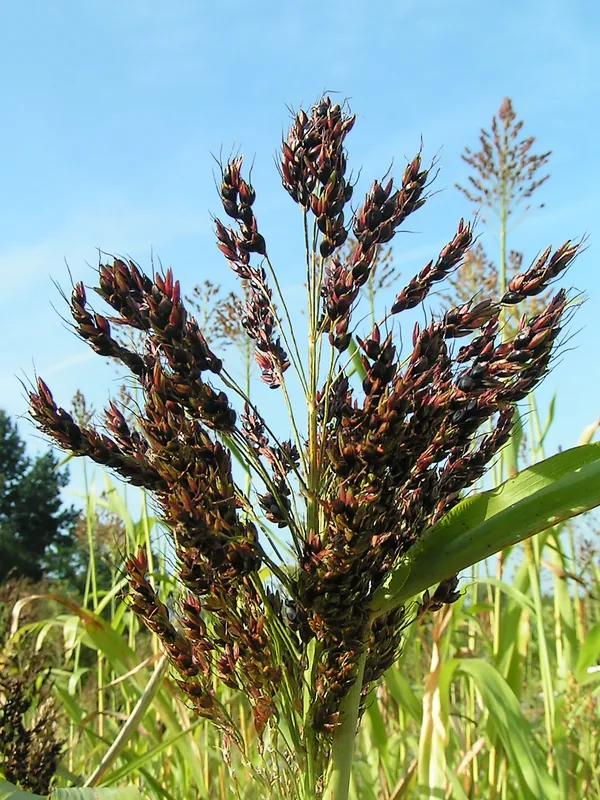
Niagassola is a town of exceptional historical and cultural significance in the Siguiri Prefecture, located in northern Upper Guinea near the Malian border. The town is globally renowned as the guardian of the Sosso-Bala, a sacred balafon (xylophone) that has been in the care of the Dokala family since the 13th century and is recognized as part of UNESCO's Intangible Cultural Heritage. This instrument is considered the original balafon of the Mandinka people and is deeply intertwined with the legend of Sundiata Keita and the rise of the Mali Empire. Geographically, Niagassola is situated in a flat savanna landscape shaped by the Niger River valley. The regional economy relies on artisanal gold mining, which is widespread in the surrounding areas, alongside agriculture focusing on millet and peanuts. Niagassola is a vital site for researchers, musicians, and historians seeking to explore the roots of West African Mandinka culture. Despite its heavy cultural importance, the town remains a traditional rural community, preserving its centuries-old social structures and customs in a modernizing world.
Best time to visit & climate
The most pleasant time to visit is Jan, Nov, Dec.
| Jan | Feb | Mar | Apr | May | Jun | Jul | Aug | Sep | Oct | Nov | Dec | |
|---|---|---|---|---|---|---|---|---|---|---|---|---|
| Avg °C | 24 | 28 | 31 | 33 | 32 | 29 | 26 | 25 | 25 | 26 | 26 | 24 |
| Rain mm | 1 | 1 | 7 | 26 | 58 | 138 | 226 | 301 | 194 | 63 | 3 | 0 |
Geography
Facts
- Niagassola is the home of the Sosso-Bala, a UNESCO Intangible Heritage site.
- The sacred balafon dates back to the 13th-century Mali Empire.
- The town is located in the gold-rich Siguiri Prefecture.
- Niagassola is a paramount center for Mandinka history and oral tradition.
- The Dokala family has served as the guardians of the balafon for centuries.
- Artisanal gold mining is a major source of income for the local population.
Explore nearby
Notable places around


Route planner — Car & Motorhome
Where do you start? We build the route here, with stops and country notes along the way.
© OpenStreetMap contributors · OpenRouteService
Frequently asked questions
What is the cultural heritage of Niagassola?
Can you visit the Sosso Bala?
Where is Niagassola located?
What is the importance of the city for Mandinka culture?
Is the journey difficult?
Niagassola: where is it located?
Niagassola: when is the best time to visit?
Niagassola: why is it worth visiting?

Nearby cities

History & landmarks
Nature
More places