Plizio Visual Lab
Encheia
ℹ️Practical info — Encheia
▾
🌤 Weather — 5 days
📍 Nearby
Sights nearby
💡 Tips
- Electricity can be intermittent; a power bank or solar charger is essential for your devices.
- Tap water is not safe to drink; always rely on bottled or properly purified water.
- Respect local customs by greeting elders first when entering a village or community space.
- The road from Bissau can be rough; a 4x4 vehicle is recommended if you are driving yourself.
🍽 Food
A sweet rice dessert that serves as a comforting traditional treat found in local home-style eateries.
A local spicy stew, offering a flavorful homemade dish typically served with rice.
A ubiquitous and filling street food snack found roasting over open fires along the roads.
🛍 Shopping · 🧘 Quiet spots
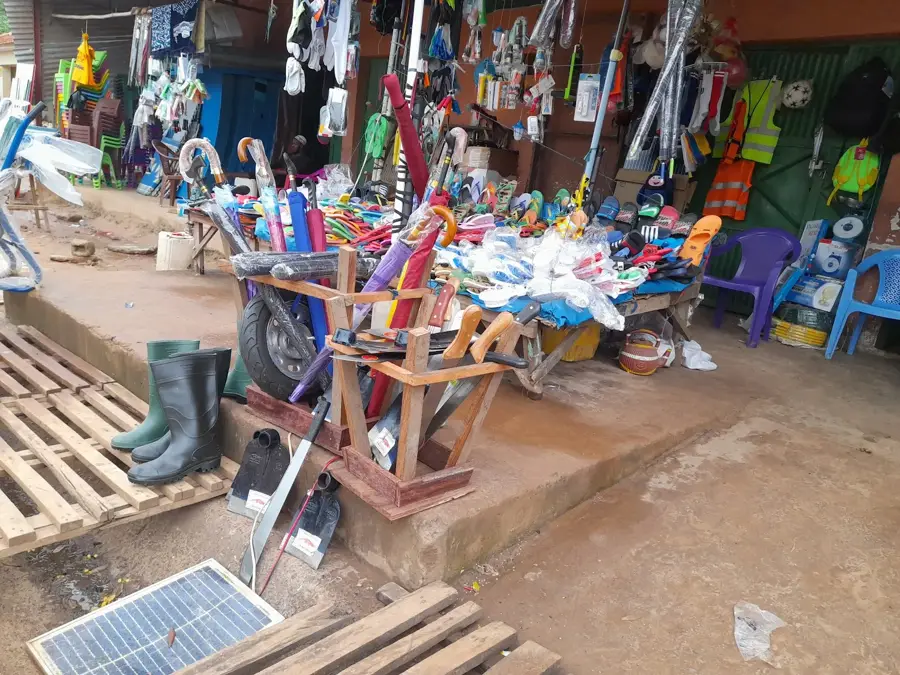
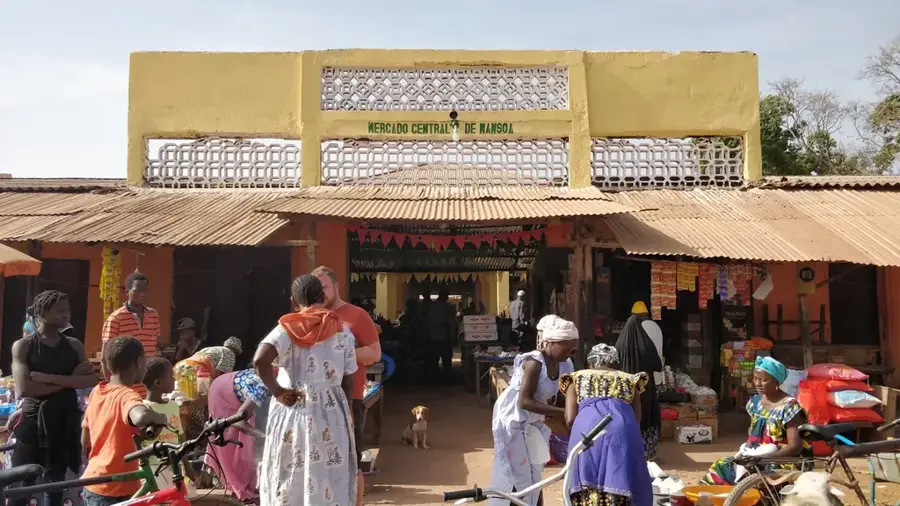
The most direct place to buy raw peanuts and local red palm oil straight from the farmers.
Look for beautifully handmade textiles and garments sold directly by local artisans.
The woods surrounding the town offer shaded and quiet walking routes for nature lovers.
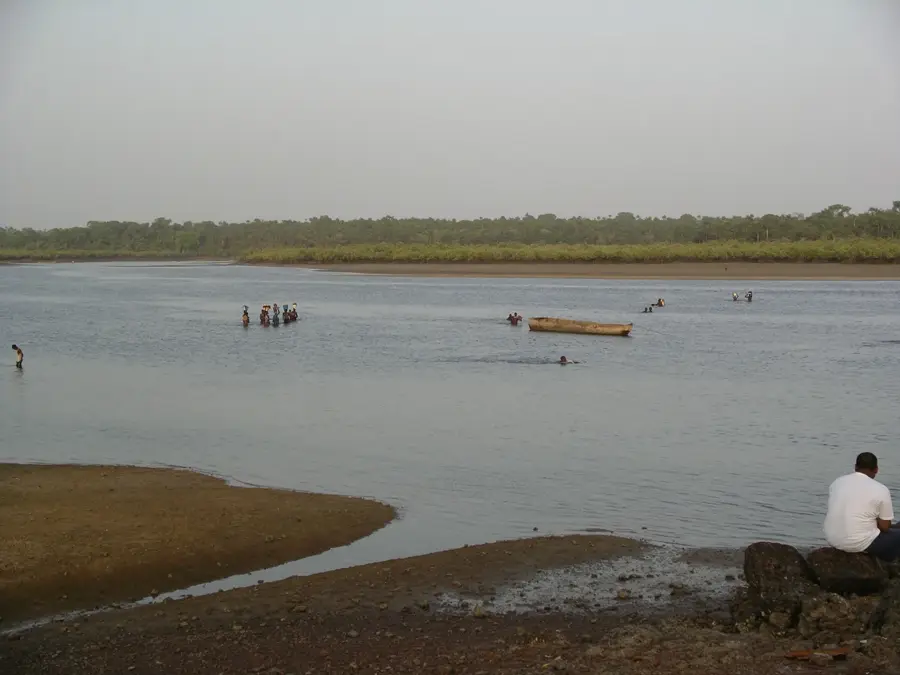
The tranquil banks of the nearby river are excellent for unwinding and bird watching.
Water temperature…
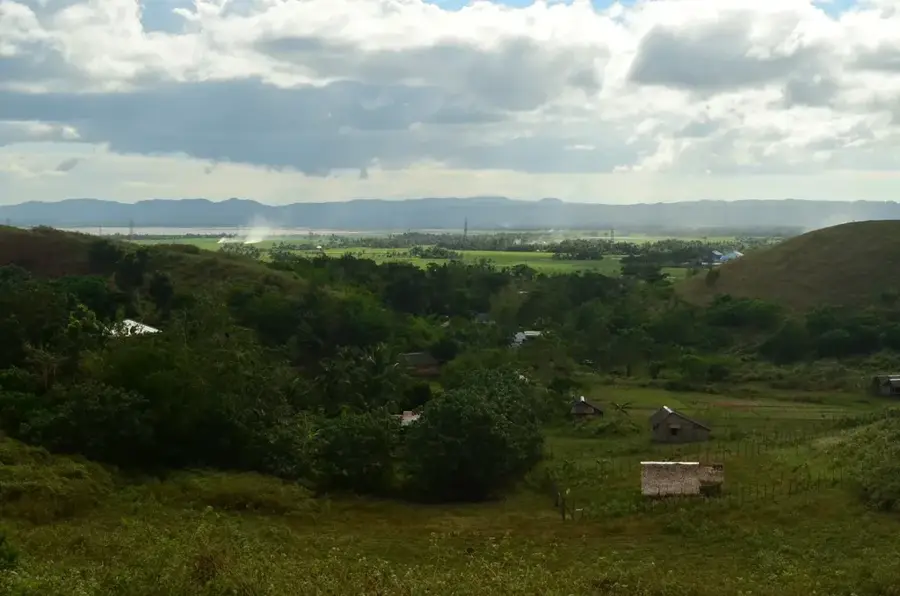
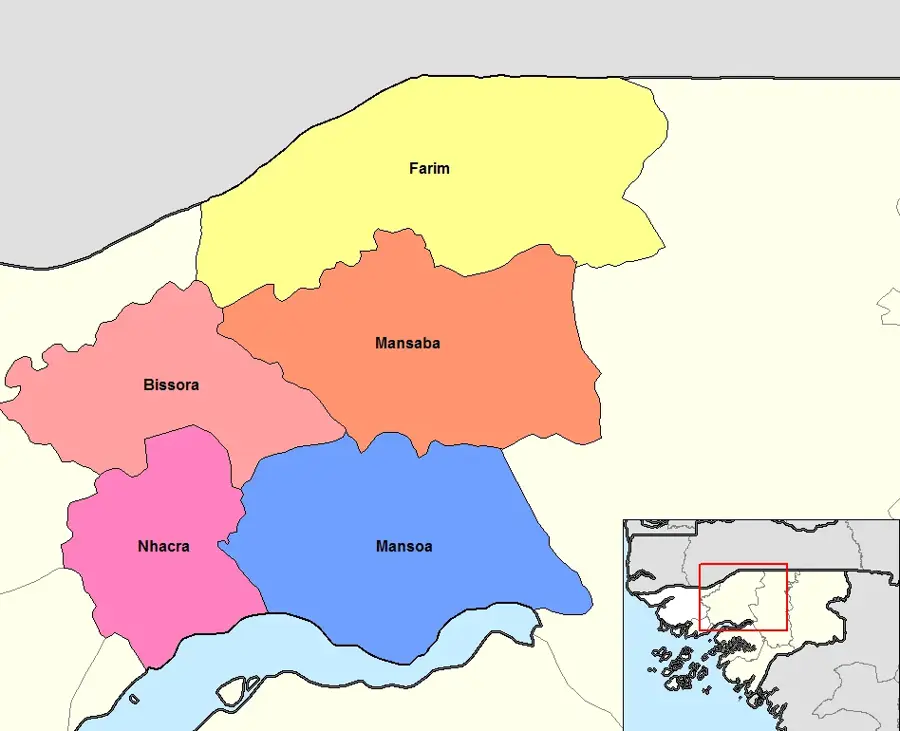
Encheia is a settlement in the Oio region of Guinea-Bissau, primarily known for a dark chapter in the nation's history. On February 20, 1969, it was the site of the Encheia massacre, where members of the Portuguese colonial army killed numerous civilians, sparking international outrage and strengthening the PAIGC's resolve for resistance. Geographically, the town is located on a plain near the Mansôa River, a region characterized by extensive rice paddies and wetlands. Agriculture remains the primary livelihood for the residents today, with rice cultivation playing a central cultural and economic role. Historically, Encheia was a contested territory during the war of liberation, where the line between colonial control and liberated zones was often shifting. Today, a monument in the village serves to commemorate the victims of the massacre and reminds visitors of the sacrifices made for independence. Despite its painful history, Encheia is now a peaceful agricultural community reflecting the resilience of Guinea-Bissau's rural population.
- Location: Guinea-Bissau
- Nearby: Bula (7 km)
Best time to visit & climate
The most pleasant time to visit is Jan, Feb, Dec.
| Jan | Feb | Mar | Apr | May | Jun | Jul | Aug | Sep | Oct | Nov | Dec | |
|---|---|---|---|---|---|---|---|---|---|---|---|---|
| Avg °C | 23 | 25 | 27 | 29 | 29 | 28 | 27 | 26 | 26 | 27 | 26 | 24 |
| Rain mm | 1 | 0 | 0 | 0 | 21 | 132 | 375 | 487 | 355 | 173 | 11 | 0 |
Geography
Facts
- Site of the massacre on February 20, 1969
- Located in the Oio region near the Mansôa River
- An important site of memory for the independence struggle
- Main economic activity is traditional wet-rice farming
- The population is predominantly of the Balanta ethnic group
- Considered a symbol of civilian resistance against colonialism
Explore nearby
Notable places around



Route planner — Car & Motorhome
Where do you start? We build the route here, with stops and country notes along the way.
© OpenStreetMap contributors · OpenRouteService
Frequently asked questions
What characterizes Encheia?
What is the atmosphere in the village like?
What products can be found here?
Are there schools in the town?
Are the people open towards visitors?
Encheia: where is it located?
Encheia: when is the best time to visit?
Encheia: why is it worth visiting?

Nearby cities

Nature
More places