Plizio Visual Lab
Denu
ℹ️Practical info — Denu
▾
🌤 Weather — 5 days
📍 Nearby
Sights nearby
💡 Tips
- Due to its proximity to the Togo border, expect a bustling, sometimes chaotic environment; keep your valuables secure.
- Tro-tros (minibuses) are the most common transport; ask locals where the specific tro-tro station for your destination is located.
- The climate is very hot and humid year-round; stay hydrated by purchasing purified water sachets or bottled water.
- English is the official language, but learning a simple greeting in Ewe (like 'Woezo' for welcome) will earn you many smiles.
🍽 Food
A staple dish of fermented corn dough served with fresh, spicy grilled tilapia, commonly found at chop bars.
A traditional Ewe dish consisting of a cornmeal dough ball eaten with a hearty okra soup.
Being a coastal town, local stalls sell various types of delicious, freshly smoked fish caught straight from the Atlantic.
🛍 Shopping · 🧘 Quiet spots
One of the largest markets in the Volta Region; an animated spot to buy everything from fresh produce to local handicrafts.
Look for colourful West African wax prints and locally woven Kente cloth in the market's fabric sections.
Take a walk along the sandy stretches of the Atlantic coast; it's less crowded and has a refreshing ocean breeze.
Explore the serene lagoon areas just outside the town, where you can watch local fishermen in their wooden canoes.
Water temperature…
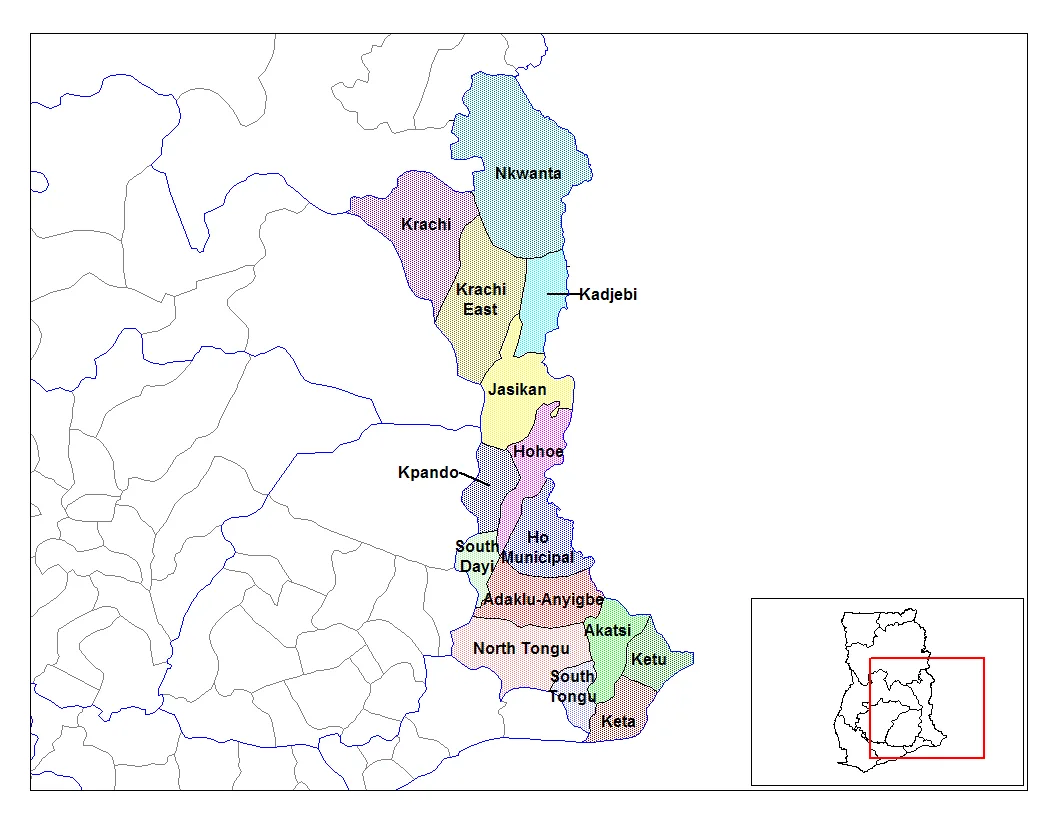
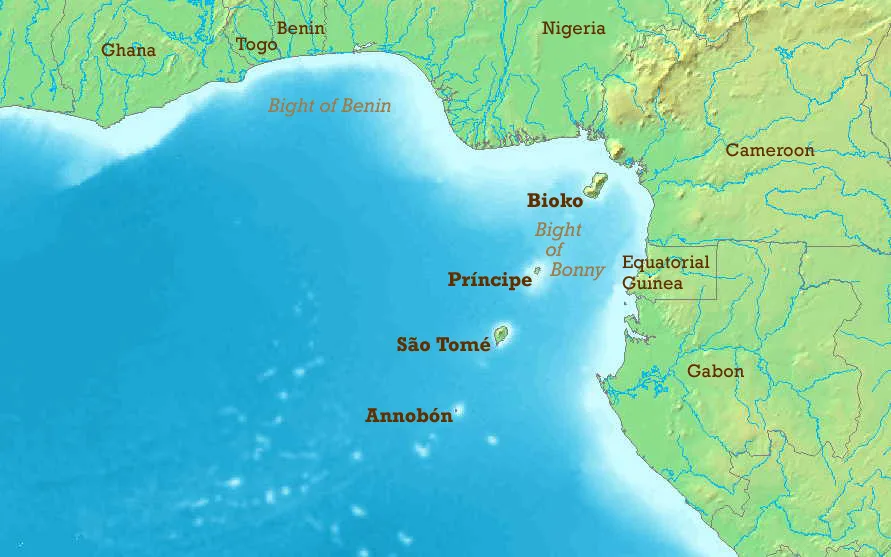
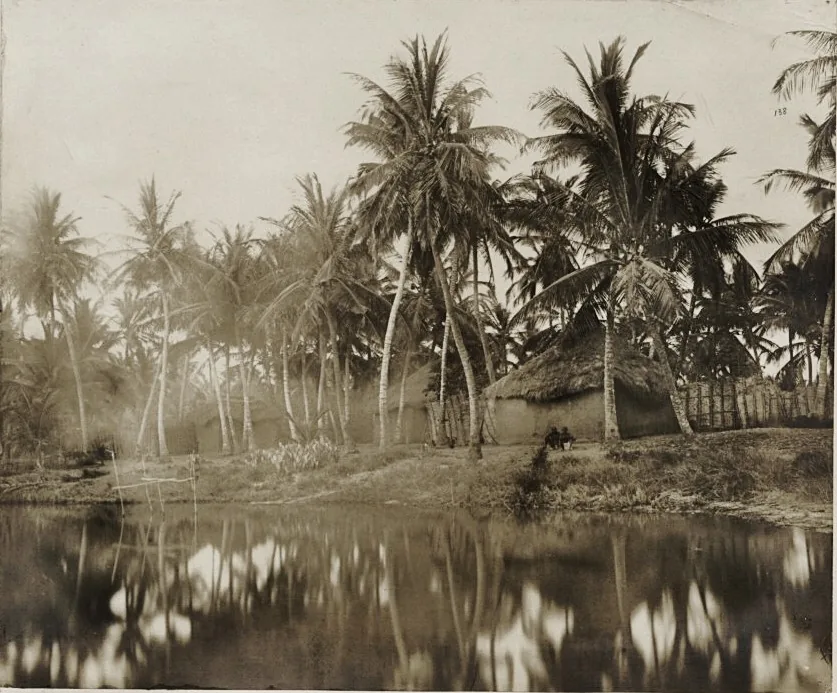
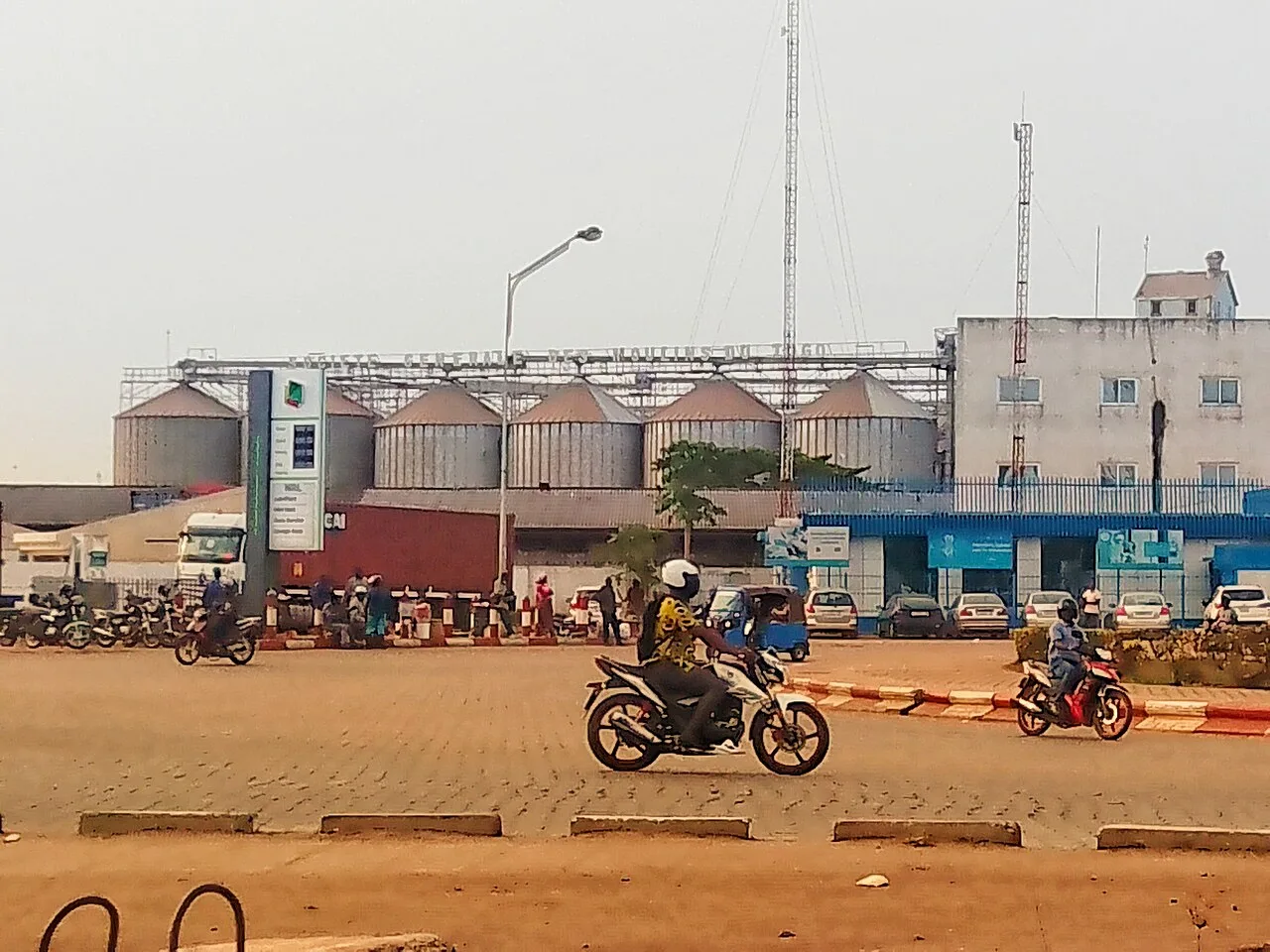
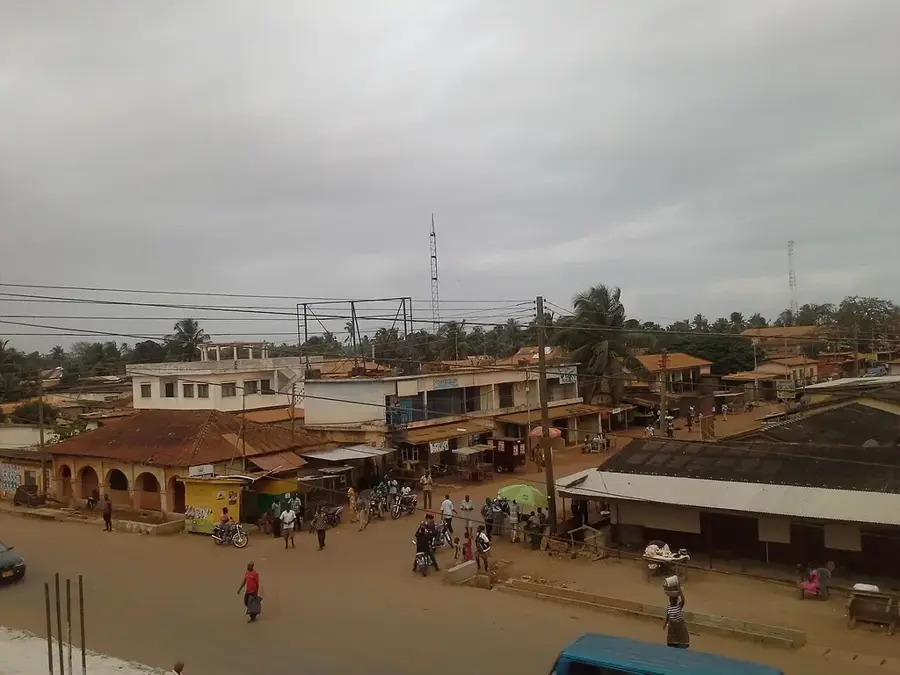
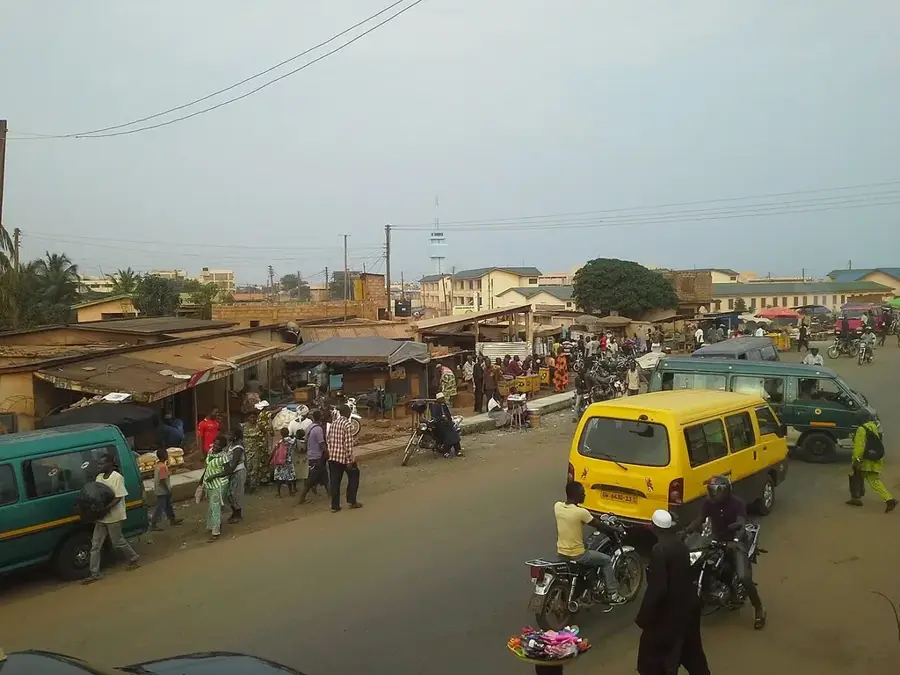
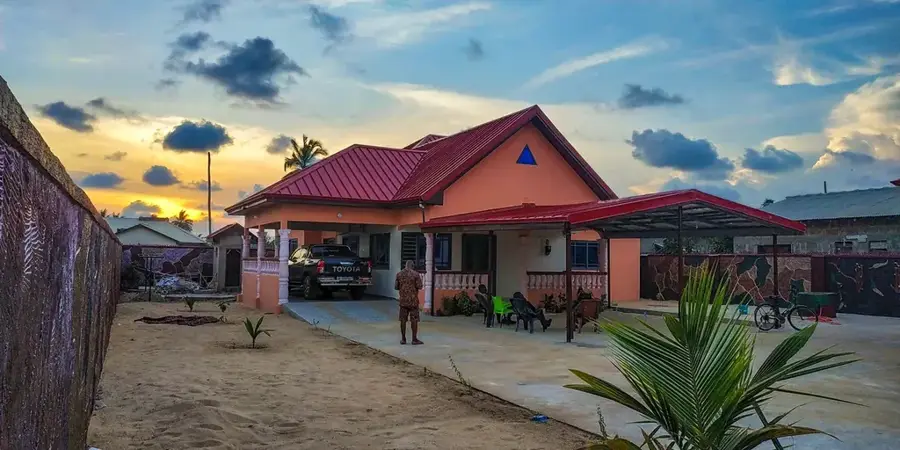
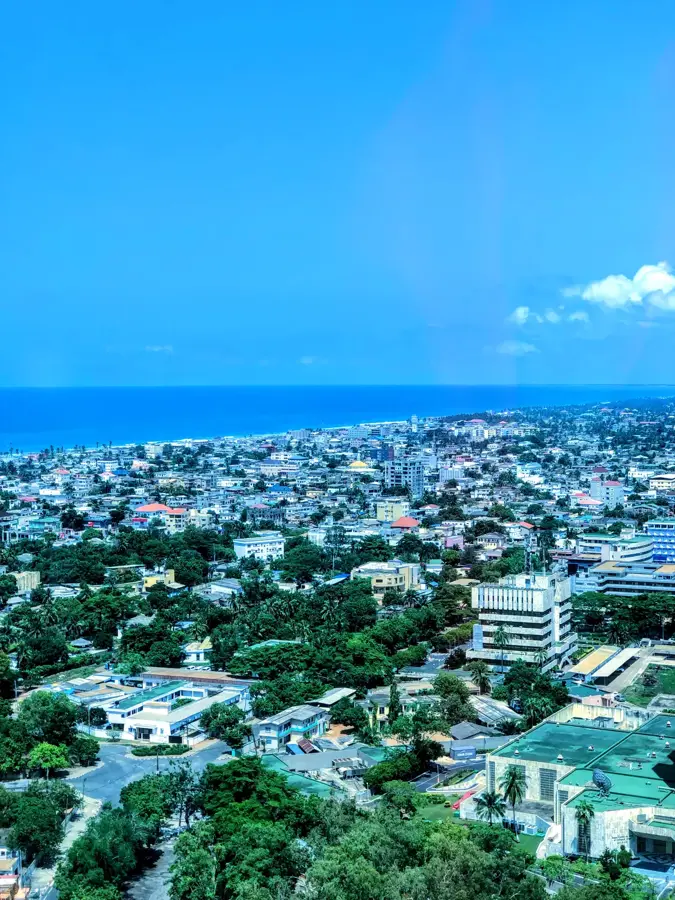
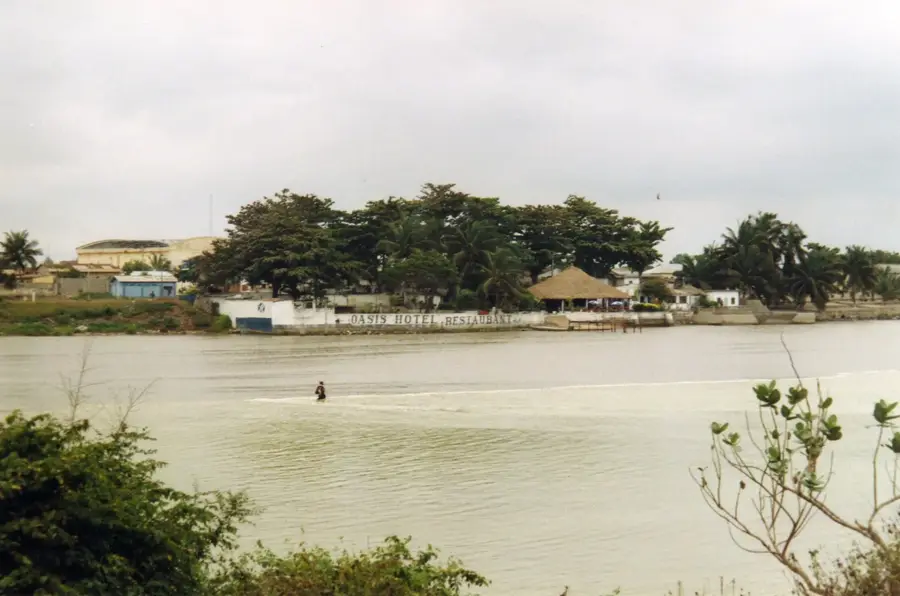
Denu is a lively coastal town in the far southeastern corner of Ghana, serving as the administrative capital of the Ketu South Municipal District in the Volta Region. Situated along the Atlantic Ocean and in close proximity to the Togo border, the town functions as a strategic hub for cross-border trade. The local economy is sustained by a blend of fishing, salt mining in nearby lagoons, and commercial activities linked to the neighboring country. Denu is particularly famous for its vast coconut plantations, which characterize the scenic coastal landscape. Geographically, the town occupies a narrow strip of land between the ocean and the Keta Lagoon, a position that makes it vulnerable to coastal erosion while providing a unique ecological setting. The inhabitants are predominantly of Ewe descent, and their culture is rich with traditional music, dance, and ancestral beliefs. Annual celebrations such as the Hogbetsotso Festival of the Anlo-Ewe hold great significance in Denu. As a regional service center, the town provides essential infrastructure, including schools and healthcare facilities, for the densely populated border zone.
- Location: Ghana
- Nearby: Aflao (5 km)
- Population: ~66.546 (2019)
Best time to visit & climate
The most pleasant time to visit is Jan, Aug, Dec.
| Jan | Feb | Mar | Apr | May | Jun | Jul | Aug | Sep | Oct | Nov | Dec | |
|---|---|---|---|---|---|---|---|---|---|---|---|---|
| Avg °C | 28 | 28 | 28 | 28 | 28 | 26 | 25 | 25 | 25 | 26 | 27 | 28 |
| Rain mm | 15 | 33 | 86 | 118 | 171 | 181 | 111 | 57 | 132 | 140 | 40 | 16 |
Geography
Facts
- Denu serves as the administrative capital of the Ketu South Municipal District.
- The town is located only about 5 kilometers west of the border with Togo and Lome.
- Salt production from the Keta Lagoon is a mainstay of the local economy.
- Denu is widely recognized for its extensive coconut-growing industry.
- The town is a significant transit point for travelers heading to Benin and Nigeria.
- Coastal sea defense projects have been implemented to protect Denu from erosion.
Explore nearby
Notable places around
Route planner — Car & Motorhome
Where do you start? We build the route here, with stops and country notes along the way.
© OpenStreetMap contributors · OpenRouteService
Sights in the town Denu (1)
Frequently asked questions
Where is Denu located?
What is Denu known for?
Are there beaches in Denu?
How close is the border?
What can you eat in Denu?
Denu: where is it located?
Denu: when is the best time to visit?
Denu: why is it worth visiting?

Nearby cities

History & landmarks

Nature
More places