Attractions in Ghana
The finest attractions in Ghana at a glance: castles, natural wonders, historic old towns and more. Each place links to a detailed page with map, tips and photos.
Culture & History
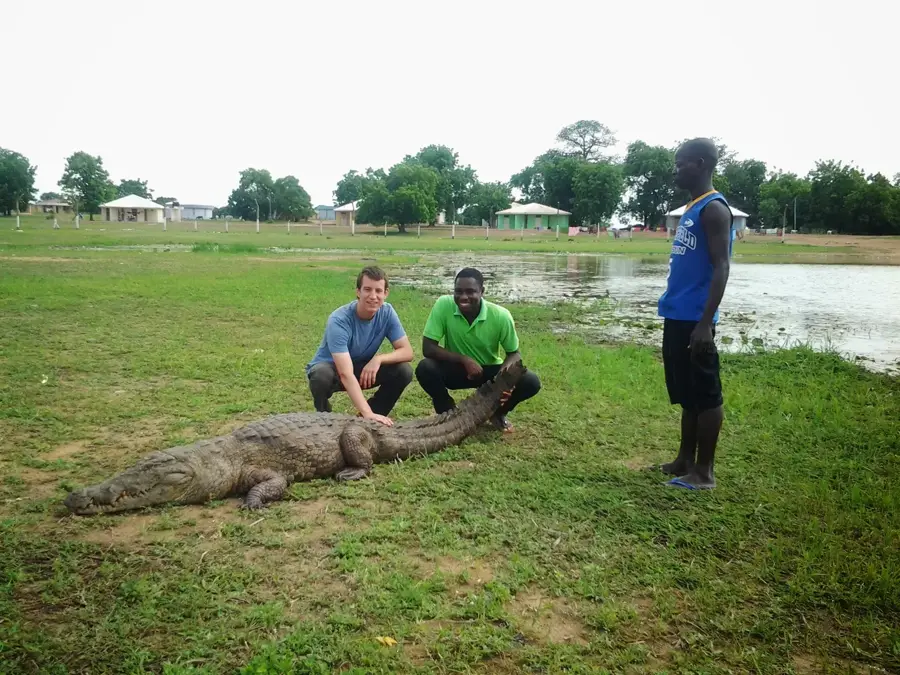
Paga
Paga is a lively border town in northern Ghana, renowned for its sacred crocodile ponds where visitors can safely interact with these fascinating rep…
Learn more →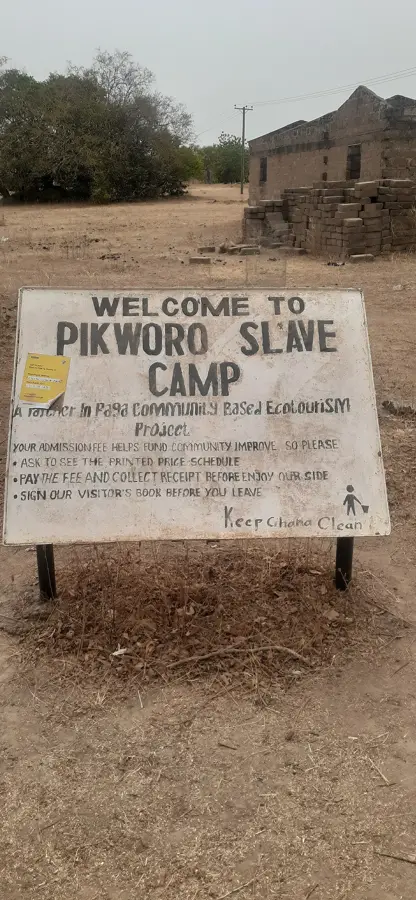
Navrongo Cathedral
A fascinating basilica from 1906, built of mud bricks featuring wall paintings that blend local and western art.
Learn more →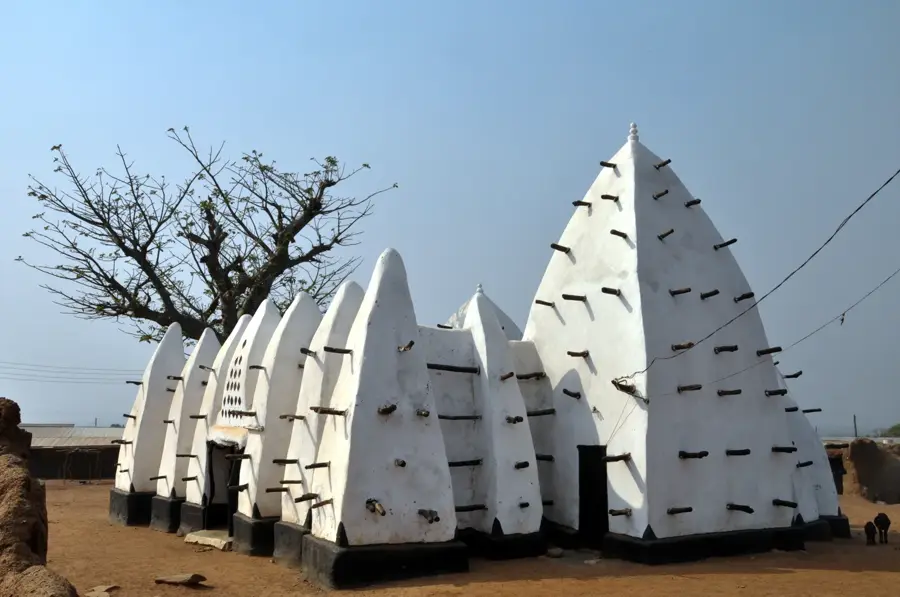
Larabanga Mosque
The oldest mosque in Ghana and one of the oldest in West Africa, built in the Sudano-Sahelian style.
Learn more →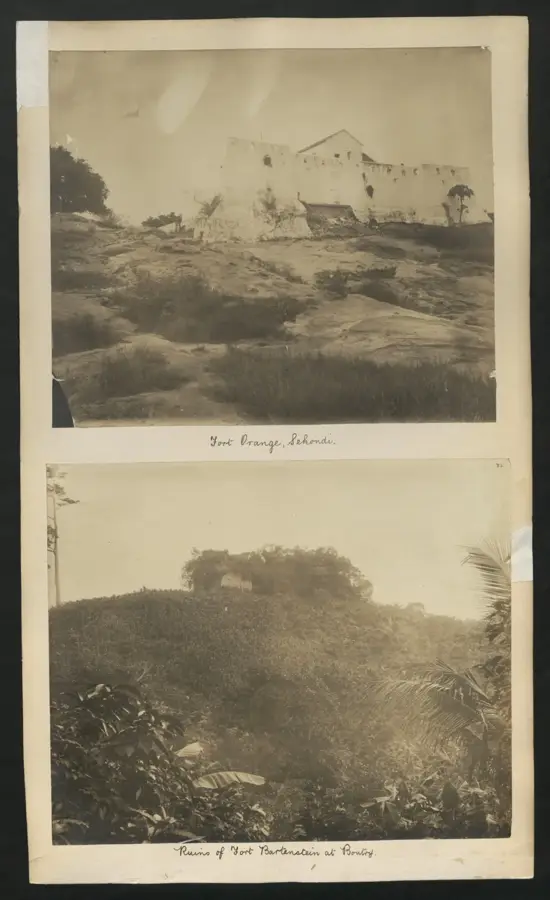
Essipong Stadium
A modern stadium in the twin city of Sekondi-Takoradi, built for international football tournaments.
Learn more →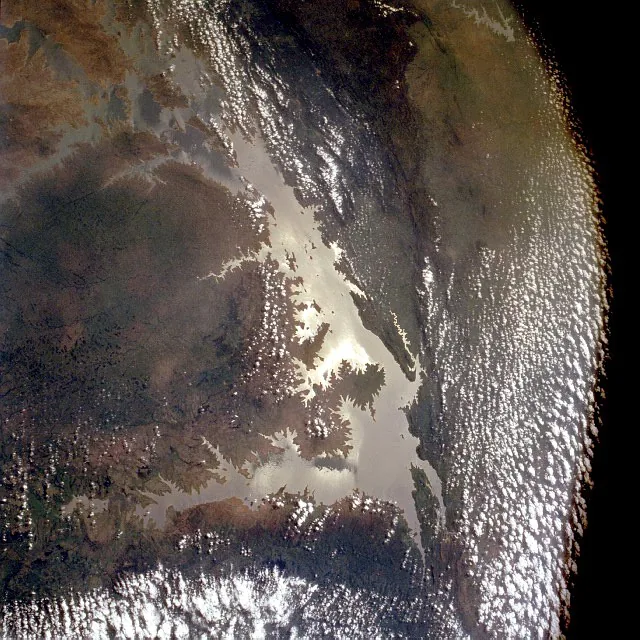
Akosombo Dam
A huge hydroelectric dam on the Volta River that created Lake Volta and powers much of Ghana.
Learn more →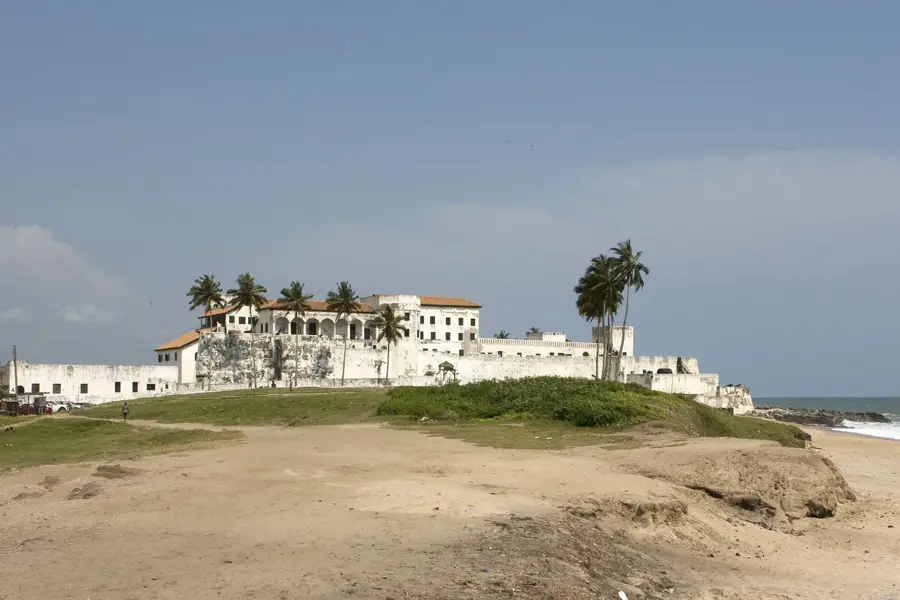
Elmina Castle
The oldest European building in existence south of the Sahara, erected by the Portuguese in 1482.
Learn more →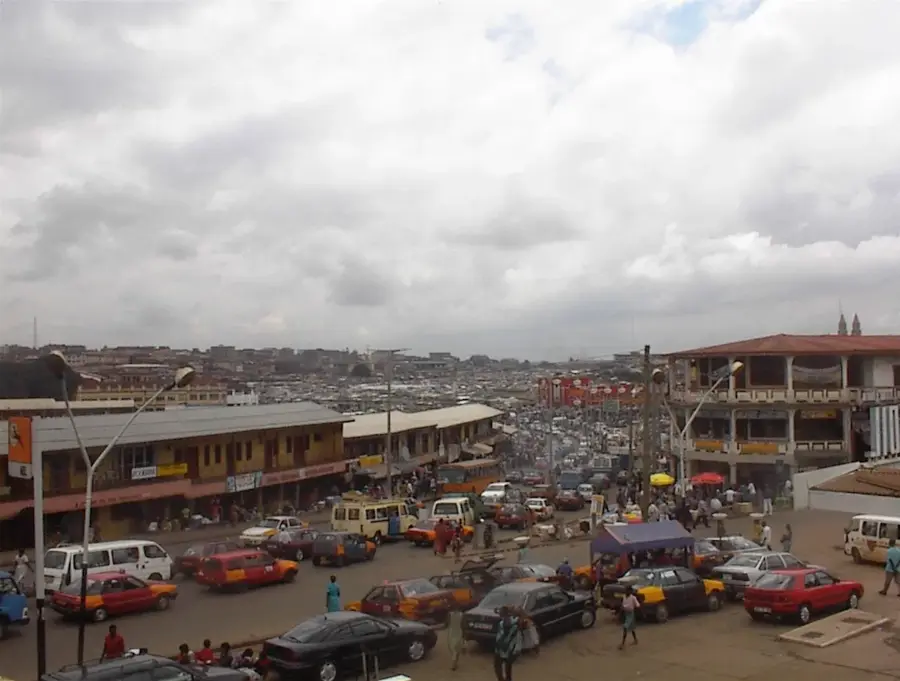
Kejetia Market
One of the largest open-air markets in West Africa, a massive complex of stalls and traders in Kumasi.
Learn more →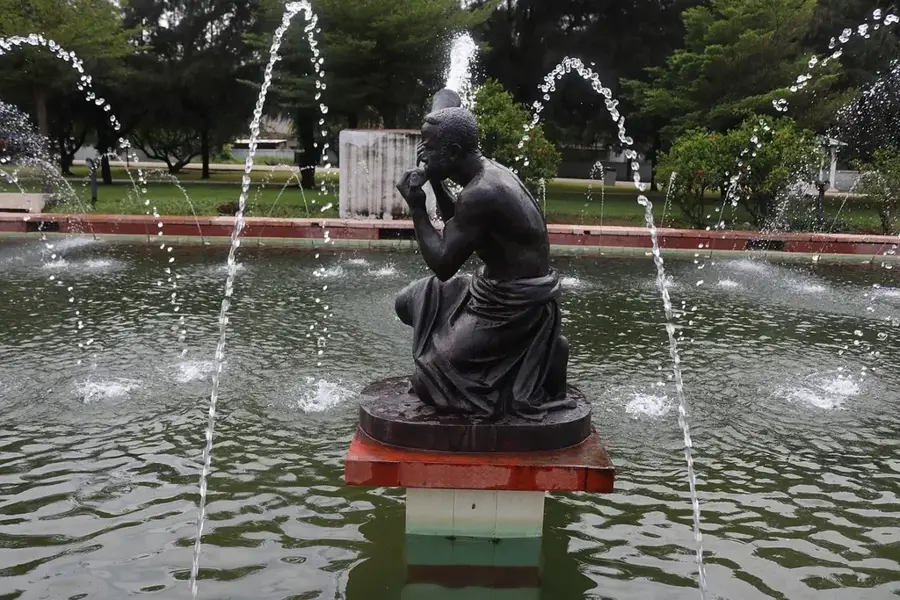
Kwame Nkrumah Mausoleum
A monumental memorial and the final resting place of the first Ghanaian president in central Accra.
Learn more →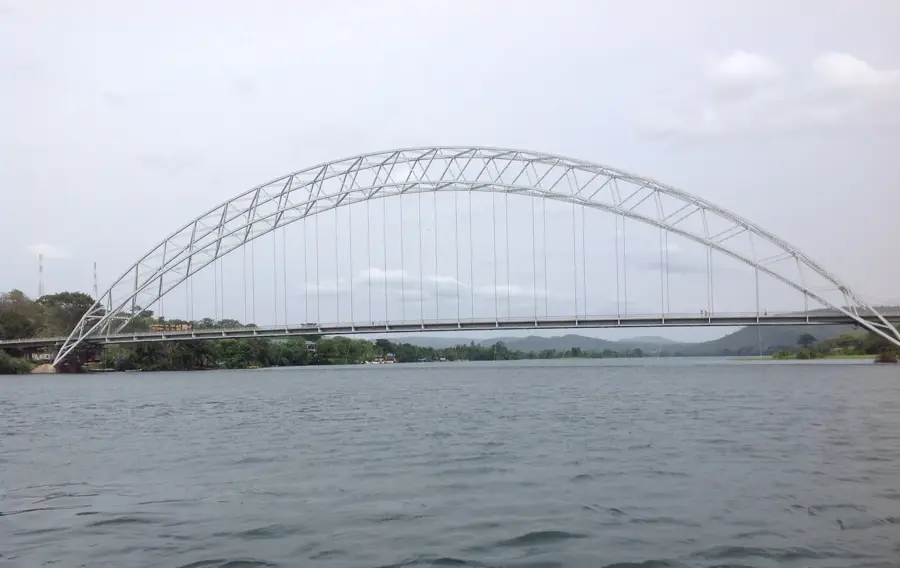
Adomi Bridge
The only suspension bridge in Ghana spanning the Volta River, representing a major transport artery.
Learn more →
Villaggio Vistas
A striking complex of residential high-rises in Accra featuring a colorful, kente-like exterior facade.
Learn more →
Jamestown Lighthouse
An iconic, red-and-white striped lighthouse located in the historic Jamestown district of Accra.
Learn more →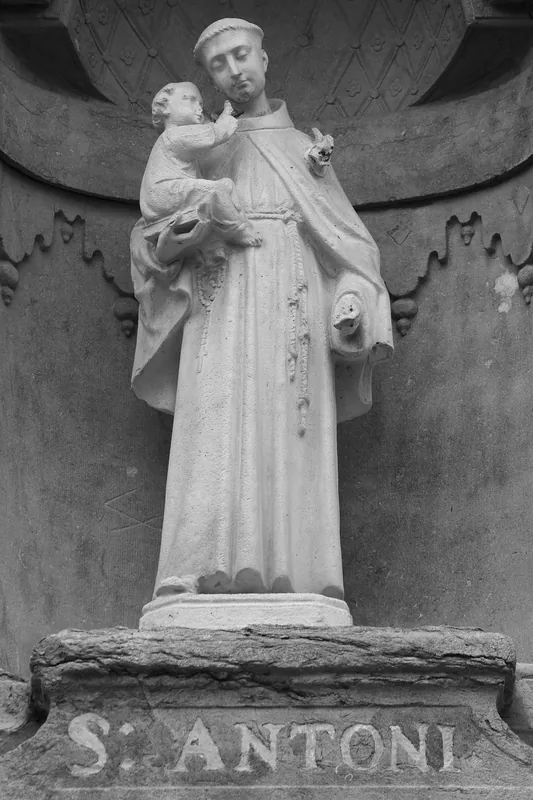
Fort Saint Anthony
A former Portuguese fort in Axim, the second oldest structure of its kind on the coast of Ghana.
Learn more →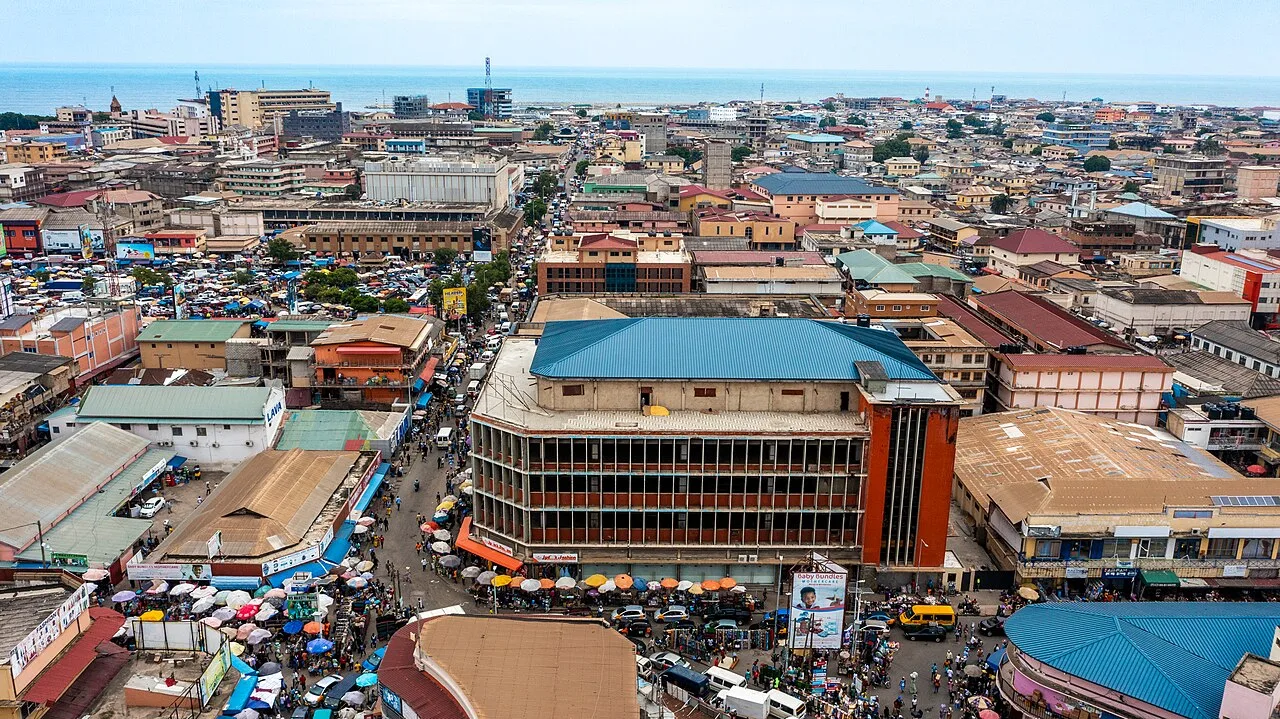
National Museum of Ghana
The largest and oldest of the museums in Ghana, featuring exhibits on art, archaeology, and history.
Learn more →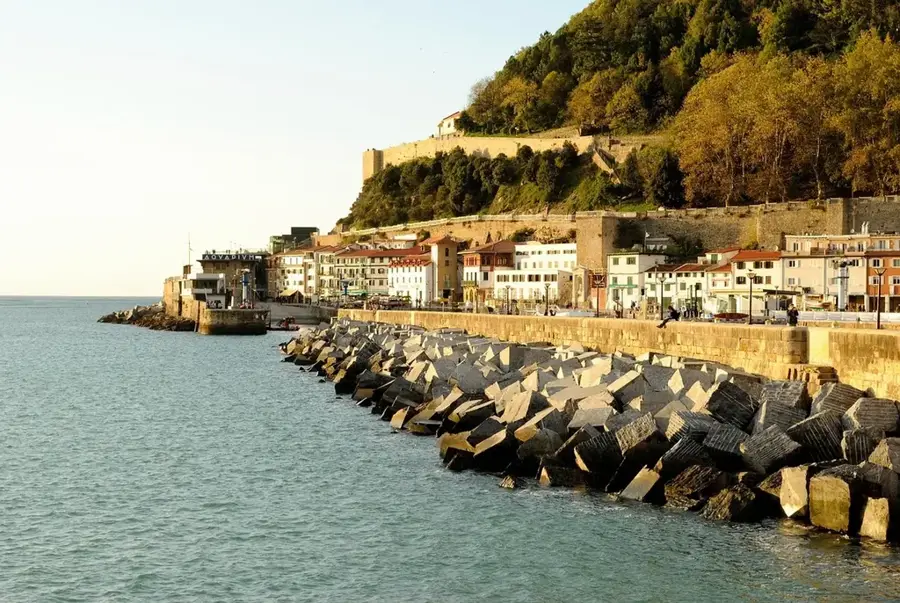
Fort San Sebastian
One of the oldest forts on the Ghanaian coast in Shama, originally built by the Portuguese.
Learn more →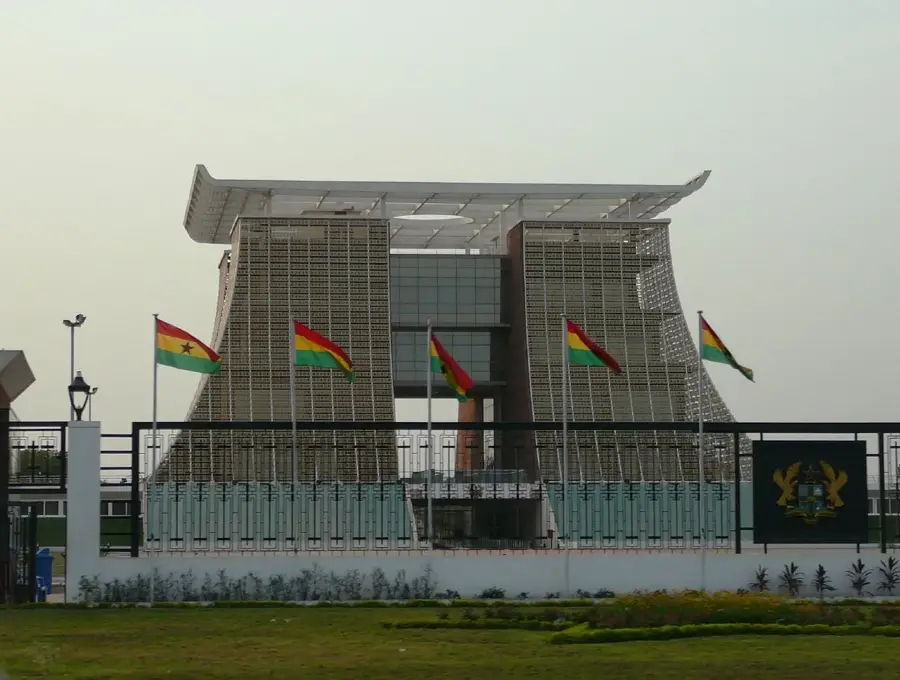
Jubilee House
The presidential palace in Accra that serves as a residence and office to the President of Ghana.
Learn more →
Accra Sports Stadium
A major multi-purpose stadium in the Ghanaian capital, hosting significant sporting events.
Learn more →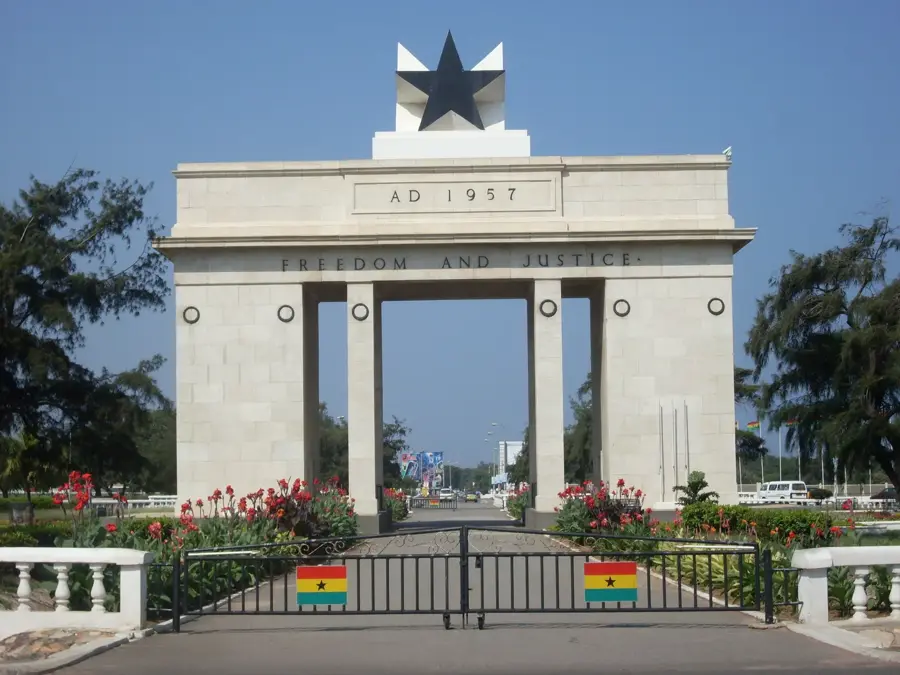
Black Star Gate
A massive gate at the edge of Independence Square, crowned with the black star of Africa.
Learn more →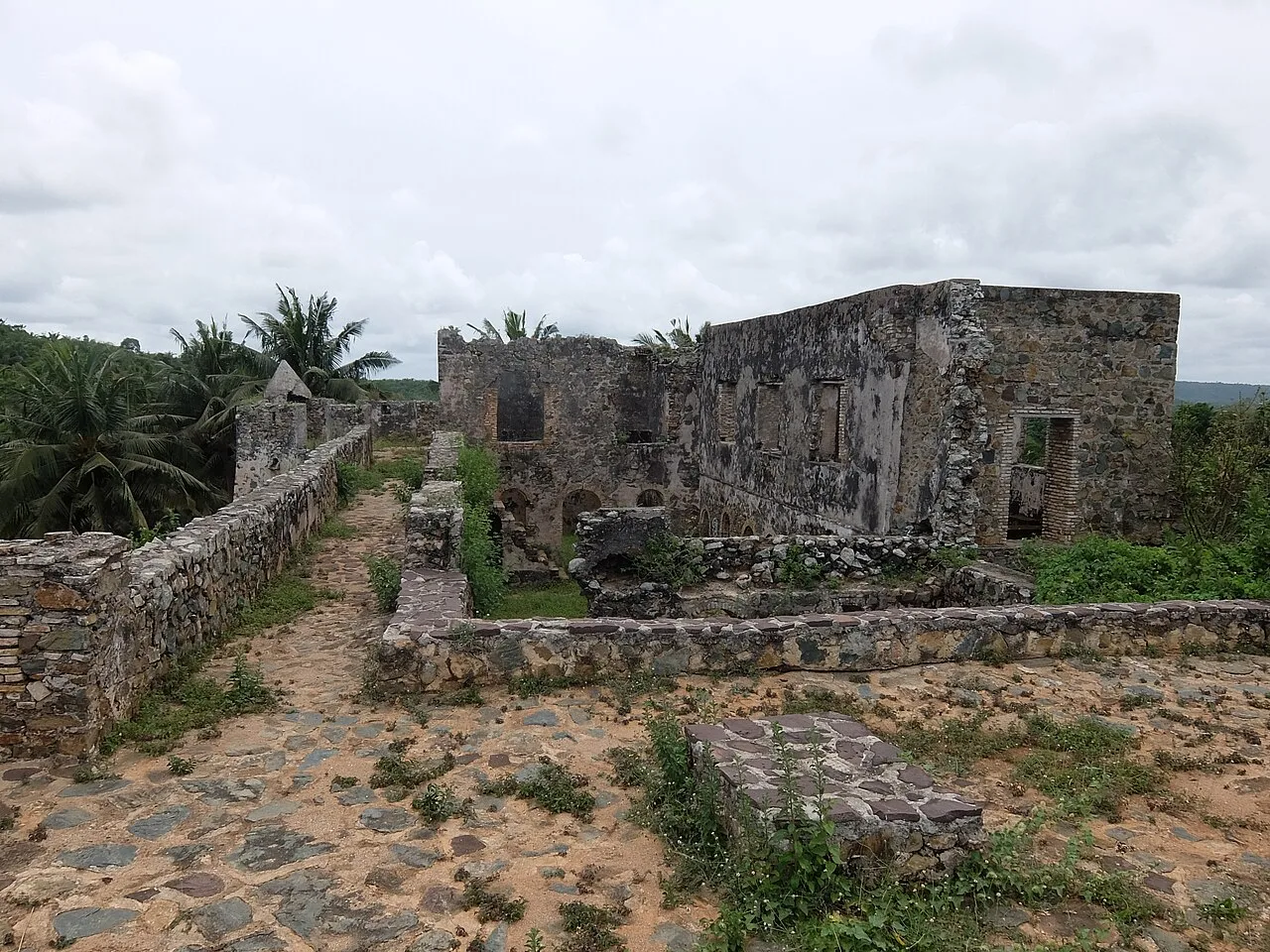
Fort Batenstein
A former Dutch fort on a hill in Butre, offering spectacular views of the bay.
Learn more →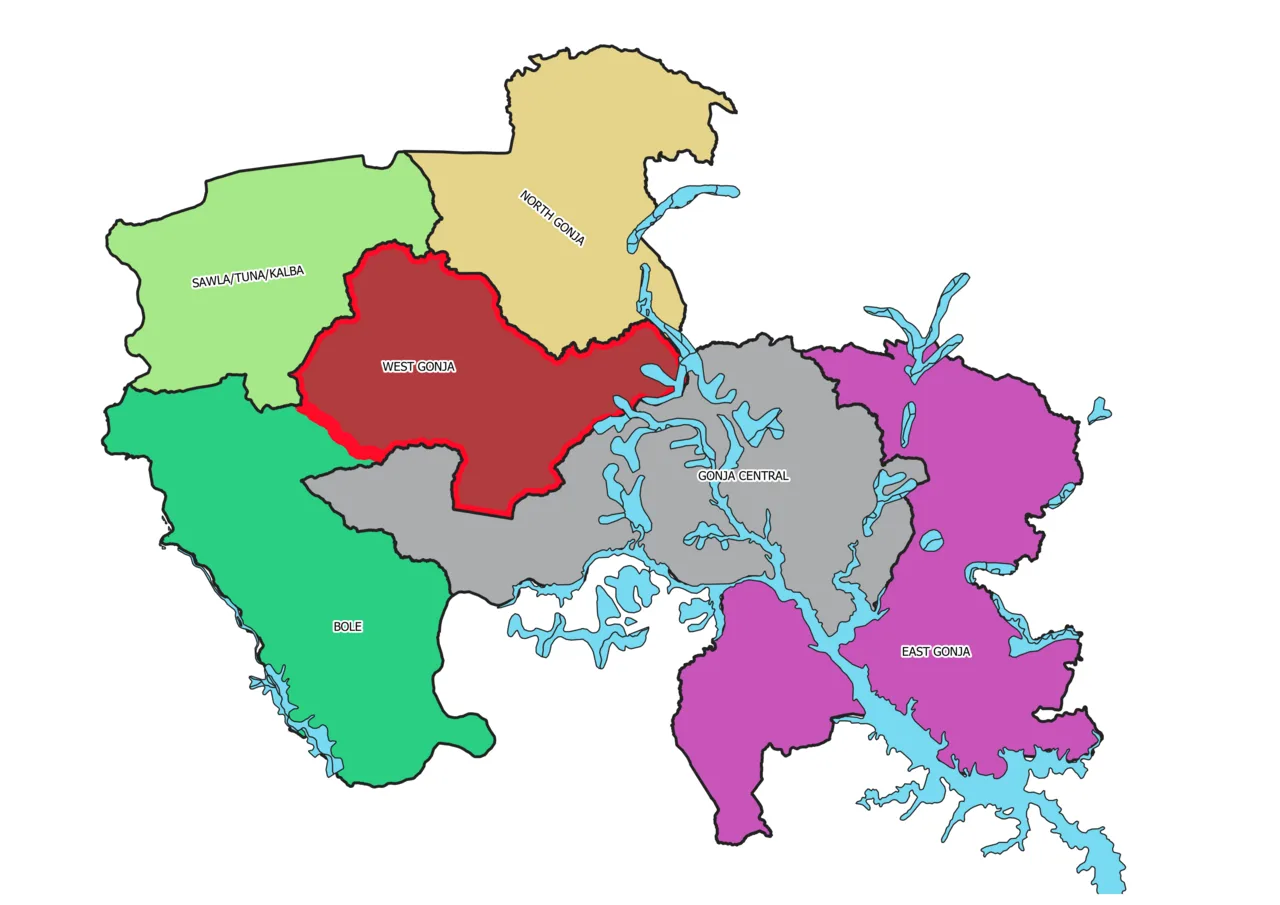
Ndewura Jakpa Tomb
The historical resting place of the legendary warrior king and founder of the Gonja Kingdom.
Learn more →
Aliu Mahama Sports Stadium
A major sports stadium in Tamale, newly built for the 2008 Africa Cup of Nations.
Learn more →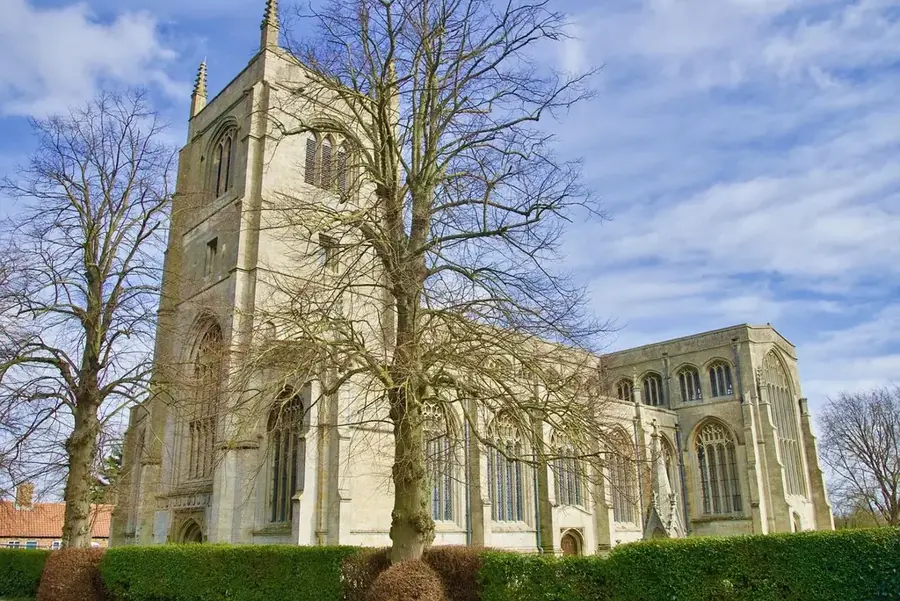
Holy Trinity Cathedral
An impressive Anglican cathedral in Accra, known for its colonial architecture.
Learn more →
Baba Yara Stadium
The largest sports stadium in Ghana, located in the heart of Kumasi.
Learn more →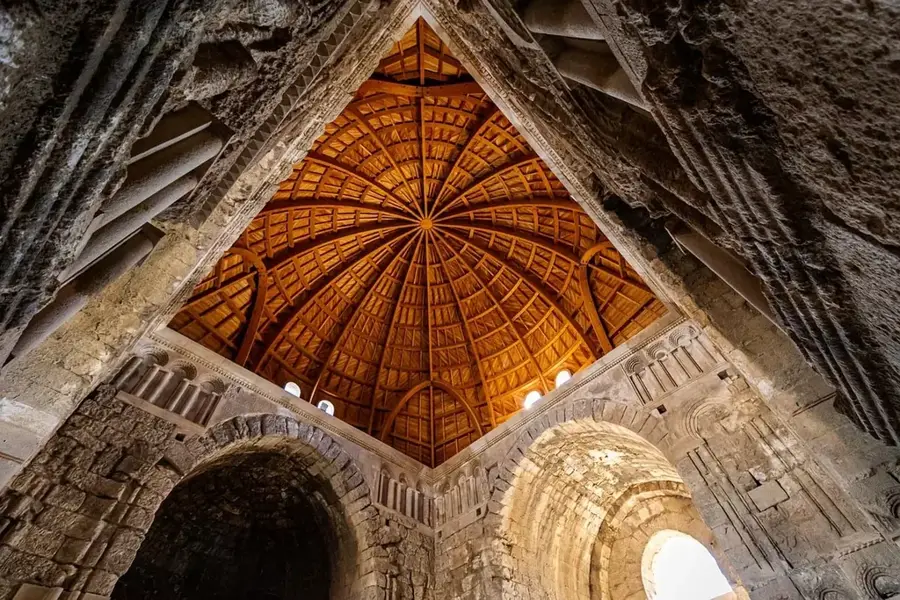
Independence Arch
A landmark of Ghanaian independence located on Black Star Square in Accra.
Learn more →Nature
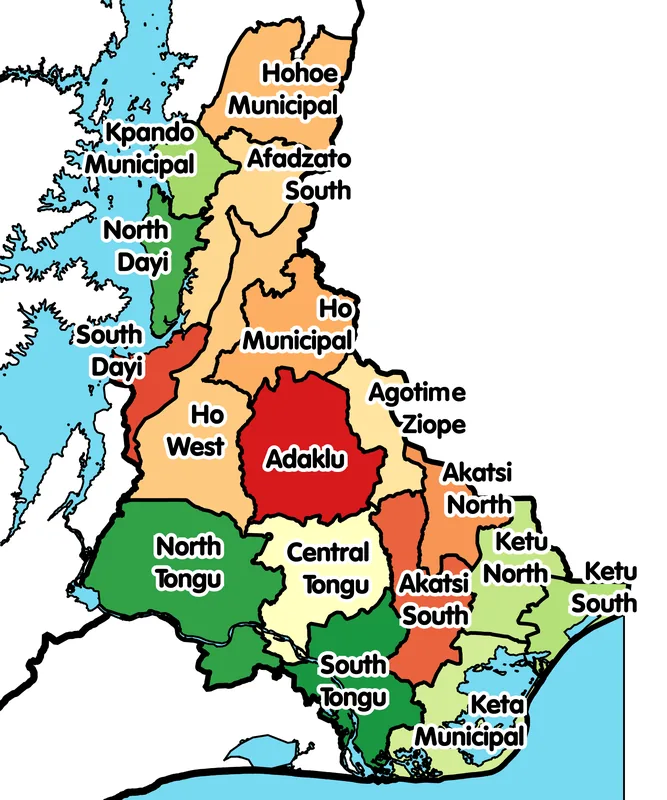
Keta Lagoon
The largest lagoon in Ghana.
Learn more →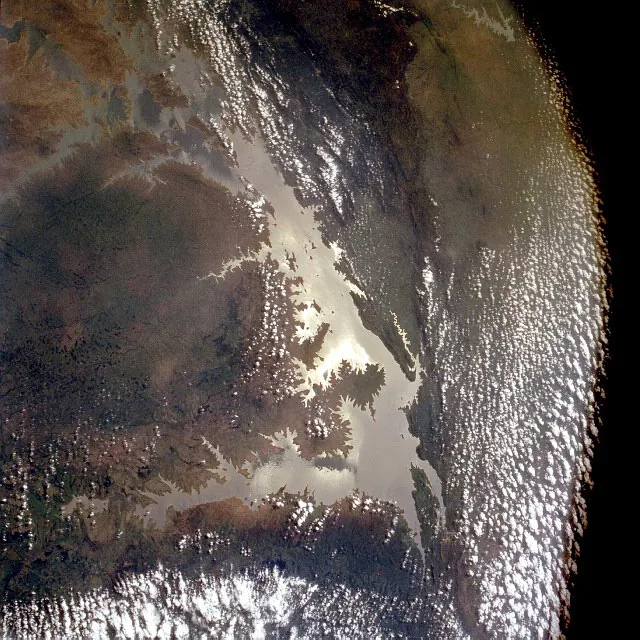
Lake Volta
The world's largest artificial reservoir by surface area.
Learn more →
Bui Reservoir
An artificial lake created by the Bui hydropower project.
Learn more →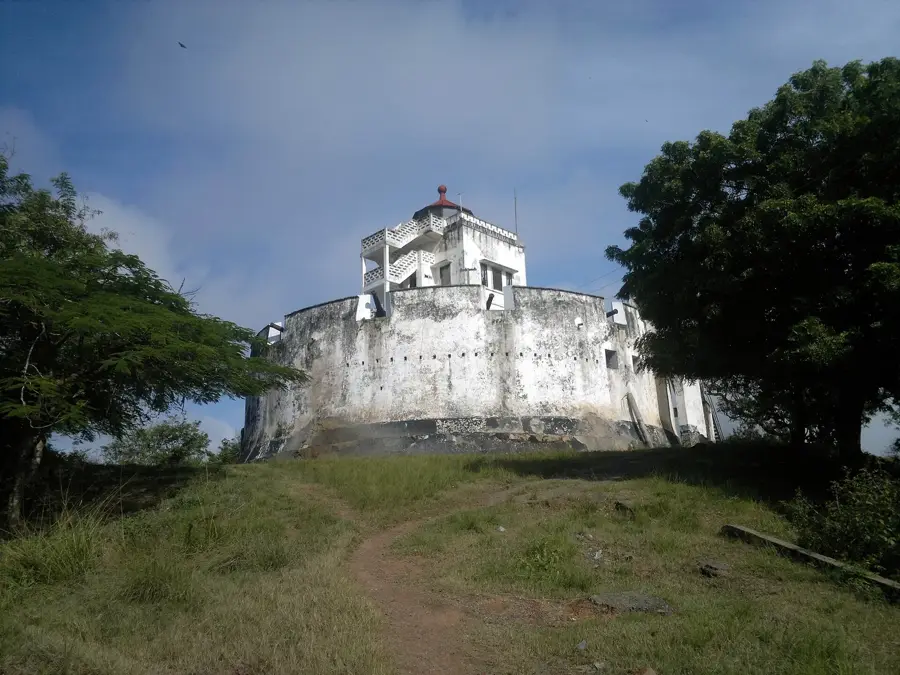
Fosu Lagoon
A coastal lagoon near Cape Coast.
Learn more →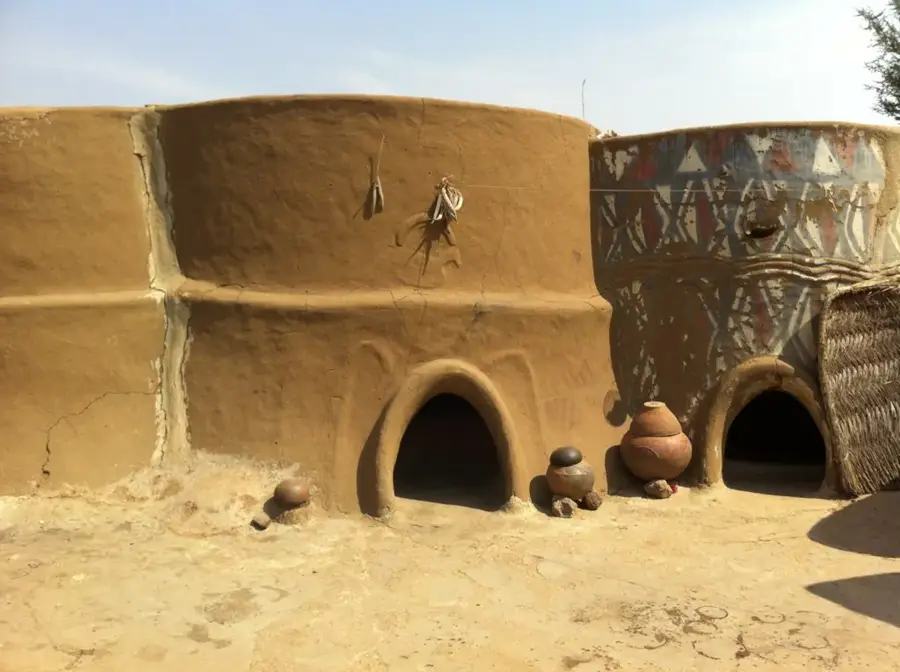
Gambia Hills
Small rock formations in the north.
Learn more →
Akuapem Ridge
A prominent range of hills in southern Ghana known for its cool climate and lush vegetation.
Learn more →More highlights
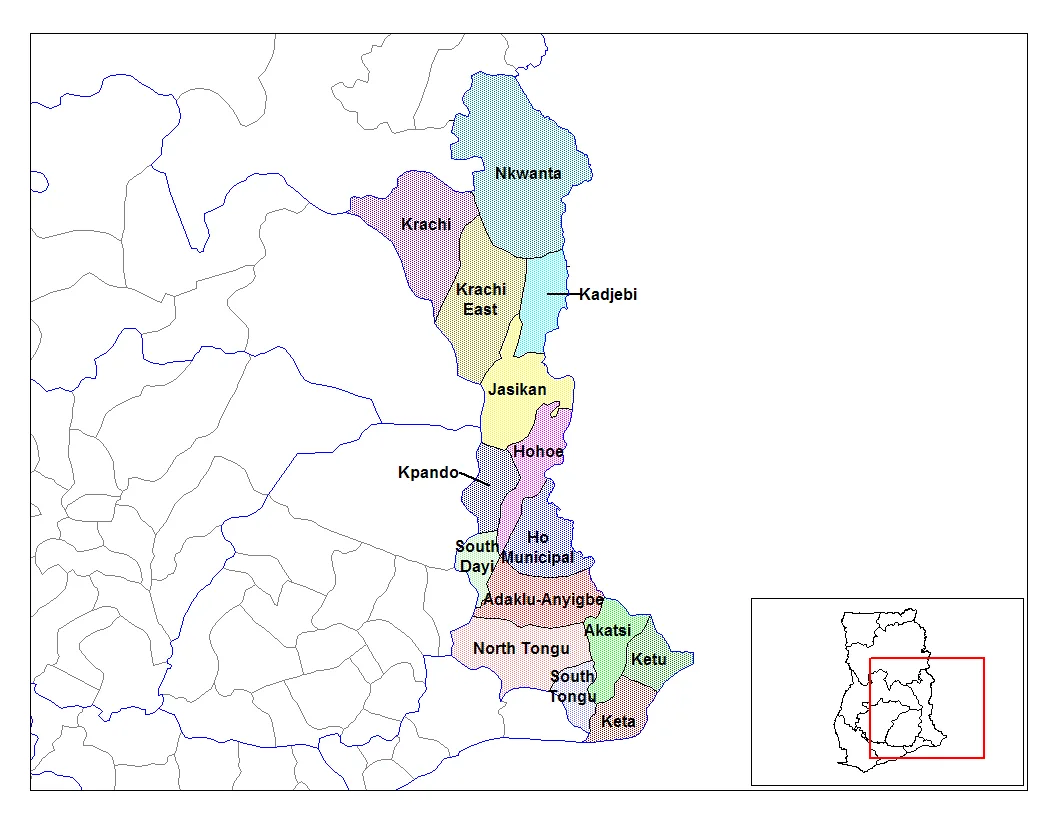
Fort Prinzenstein
A historic fort in Keta, originally built by Danes as a slave trading post.
Learn more →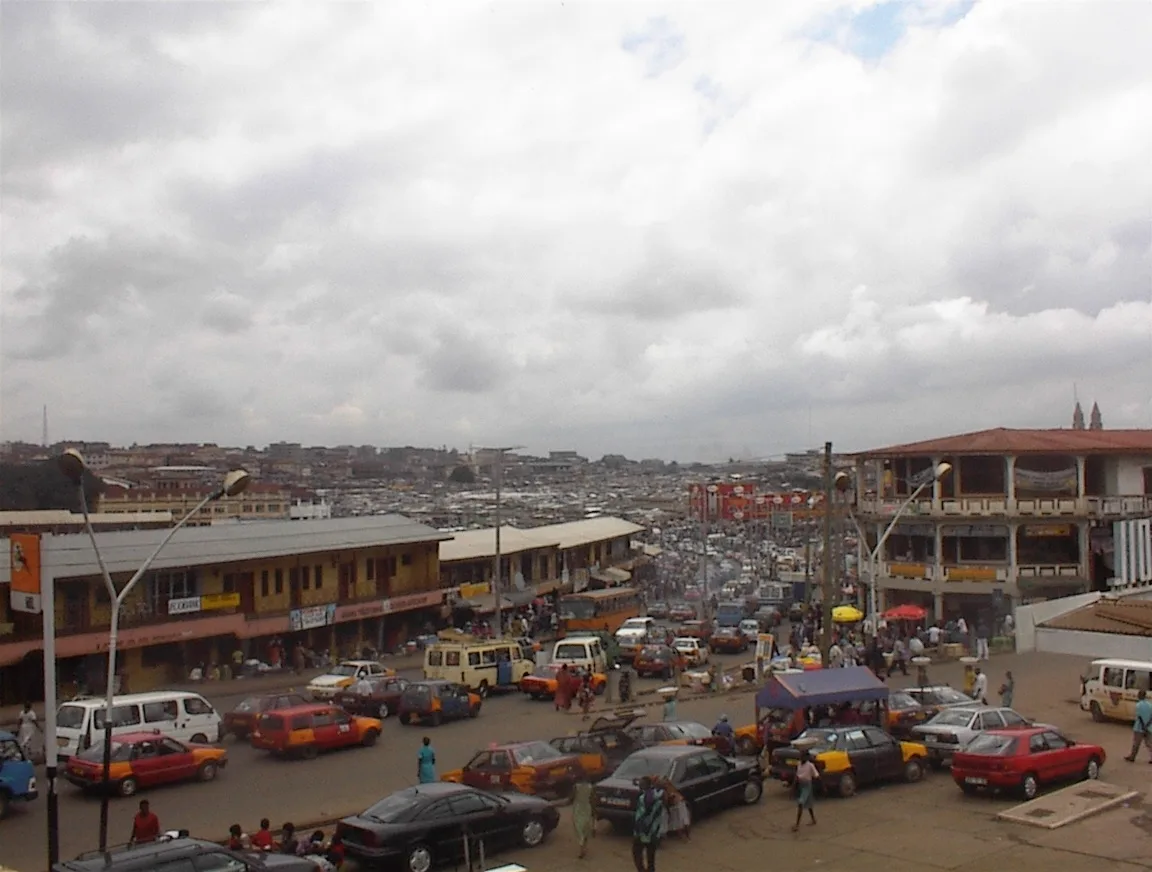
Manhyia Palace
The official residence of the Asantehene, the monarch of the Ashanti people.
Learn more →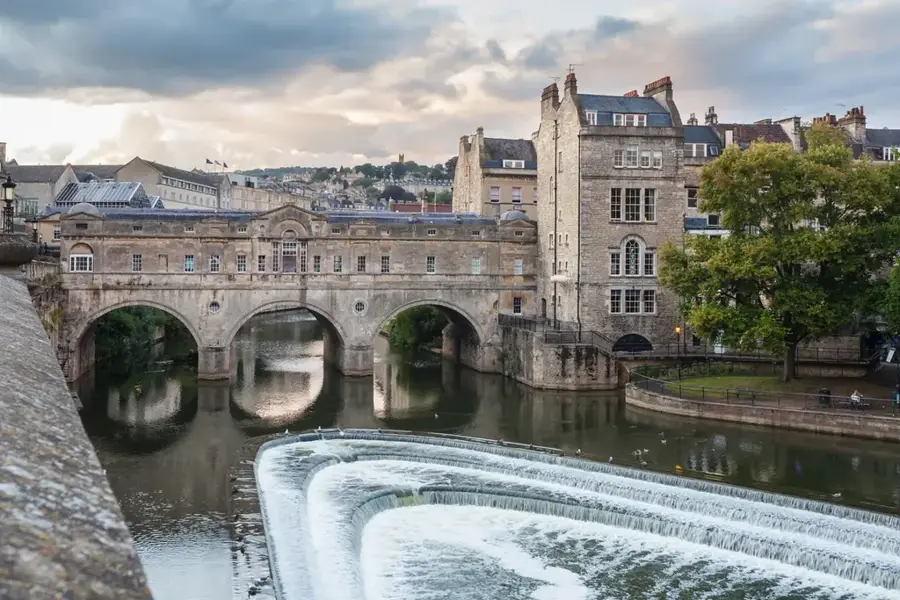
Assin Manso Slave River
A river where captive slaves took their final bath before the long march to the coastal dungeons.
Learn more →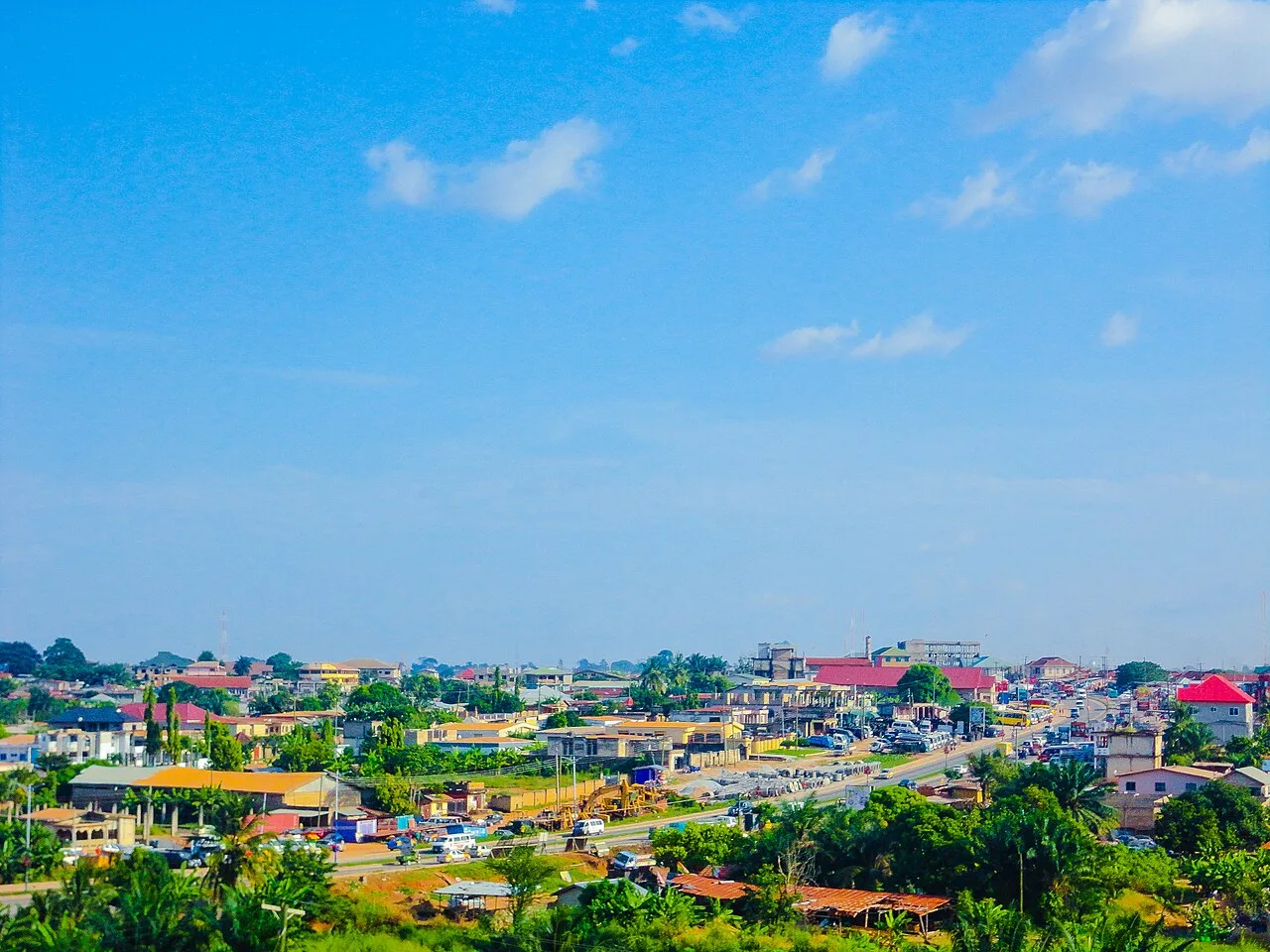
Kumasi Fort
A British-built fortress designed to assert control over the Ashanti Empire.
Learn more →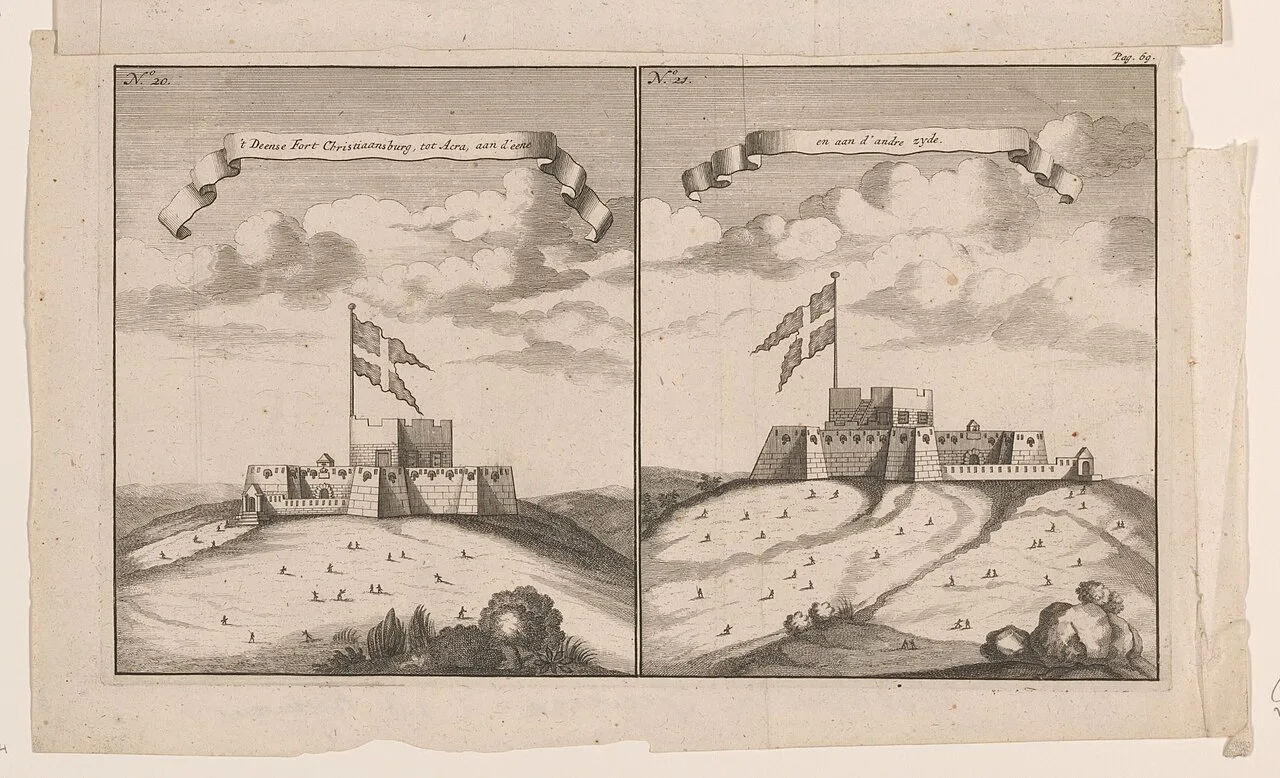
Osu Castle
Also known as Christiansborg Castle, this structure served as the administrative headquarters for Ghana for many decades.
Learn more →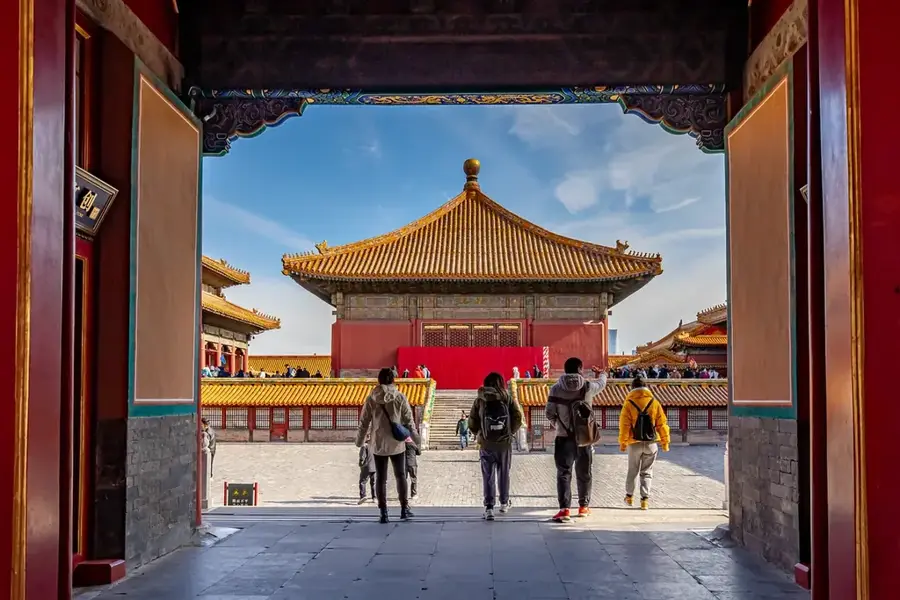
Begho Ancient City
One of the most important trade centers in pre-colonial Ghana, serving as a connector between forest and savannah.
Learn more →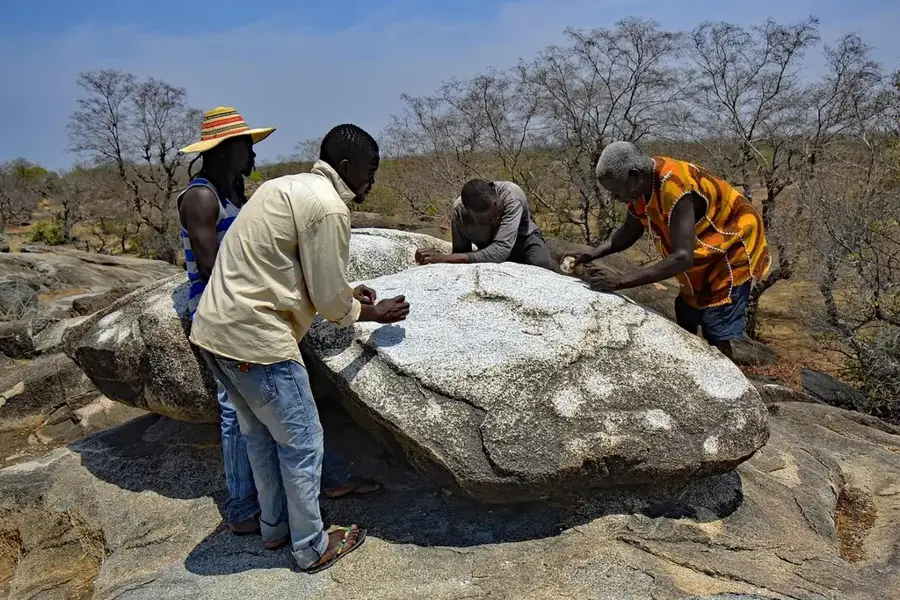
Pikworo Slave Camp
A site where captives were held before being moved to coastal markets.
Learn more →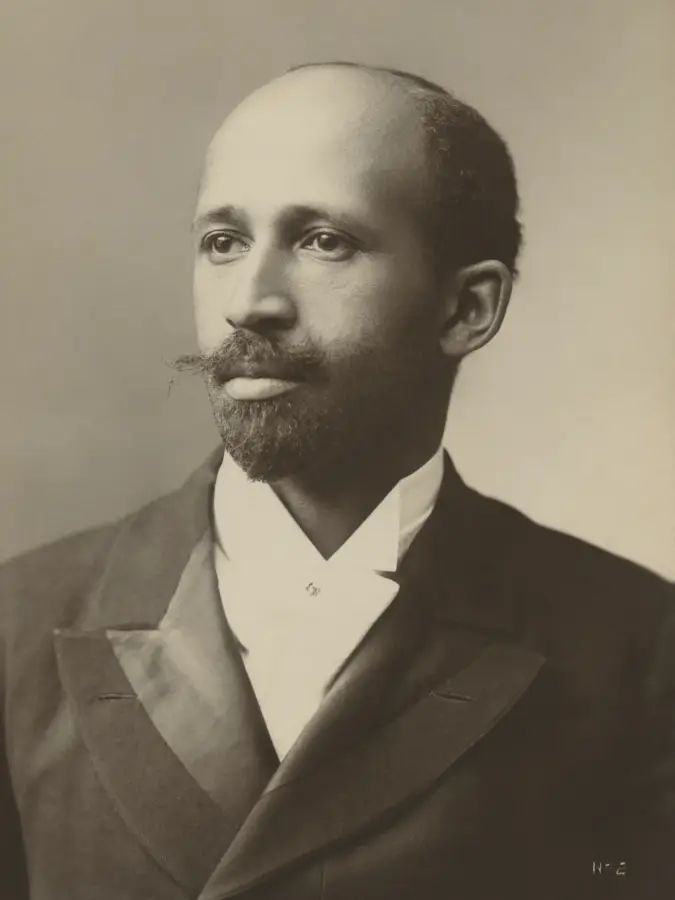
W. E. B. Du Bois Centre
The former residence and final burial site of the prominent American civil rights leader and intellectual.
Learn more →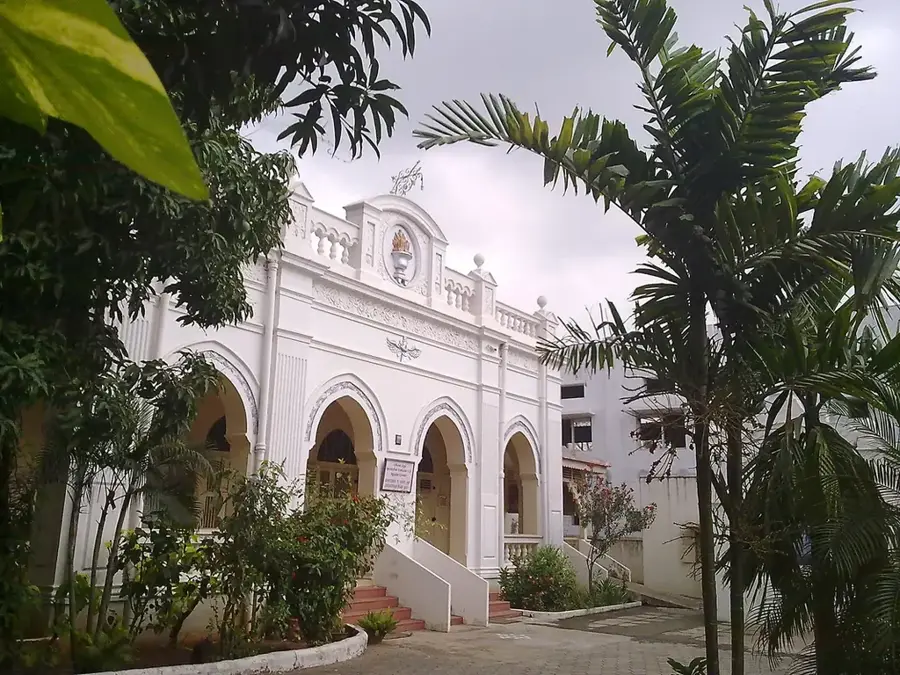
Fort Good Hope
A fort located in Senya Beraku, built by the Dutch for trade and protection against local threats.
Learn more →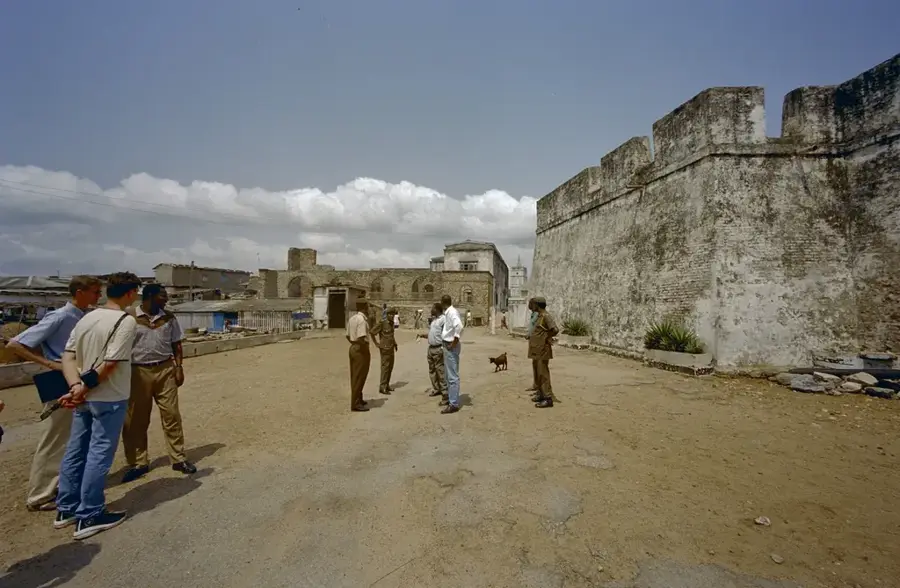
Fort William (Anomabu)
A fortress located in Anomabu, built by the British to counteract Dutch and French trade influence.
Learn more →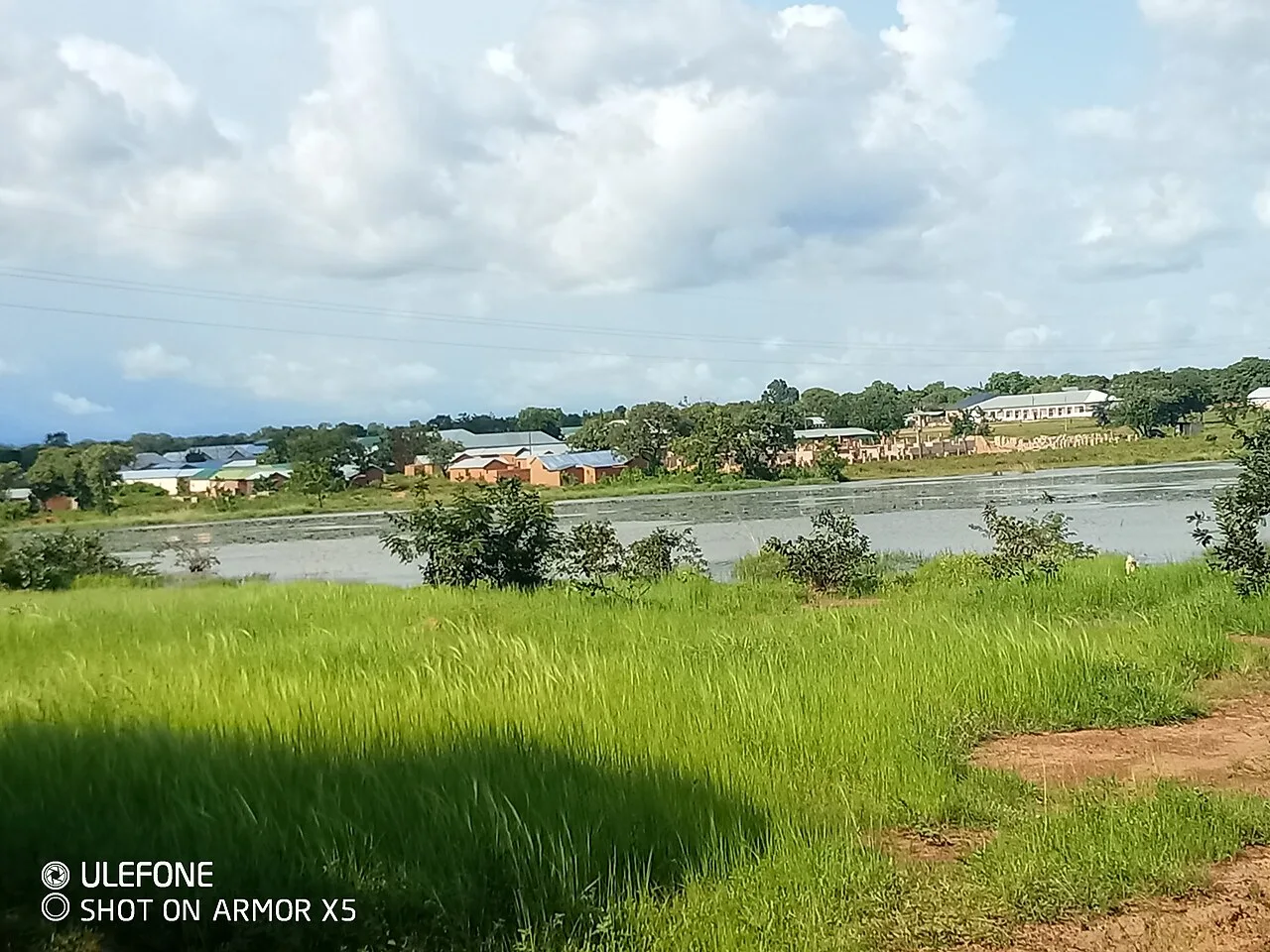
Nalerigu Defence Wall
A series of defensive earthworks constructed to protect Nalerigu from external invaders.
Learn more →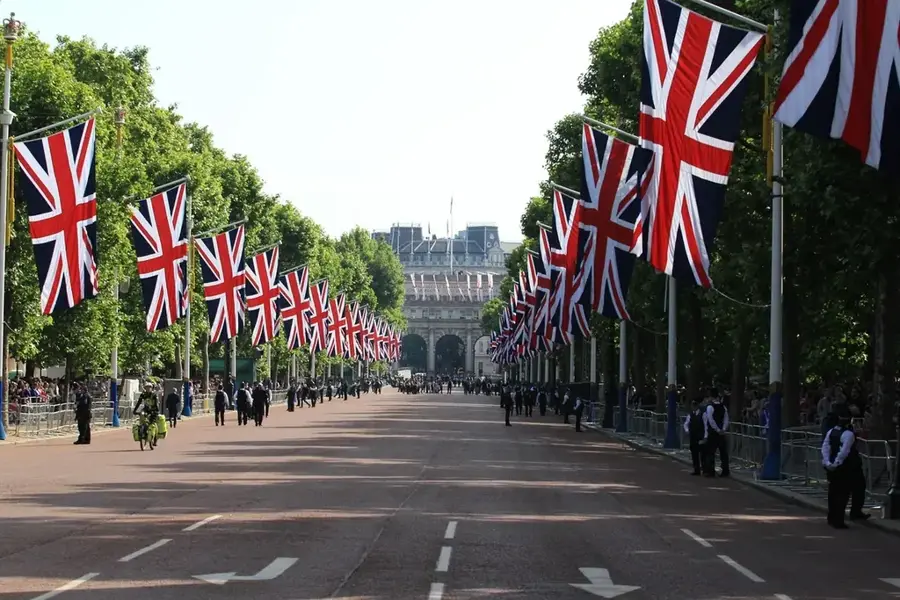
Prempeh II Jubilee Museum
A museum in Kumasi showcasing artifacts of the Ashanti royals and the history of the Ashanti throne.
Learn more →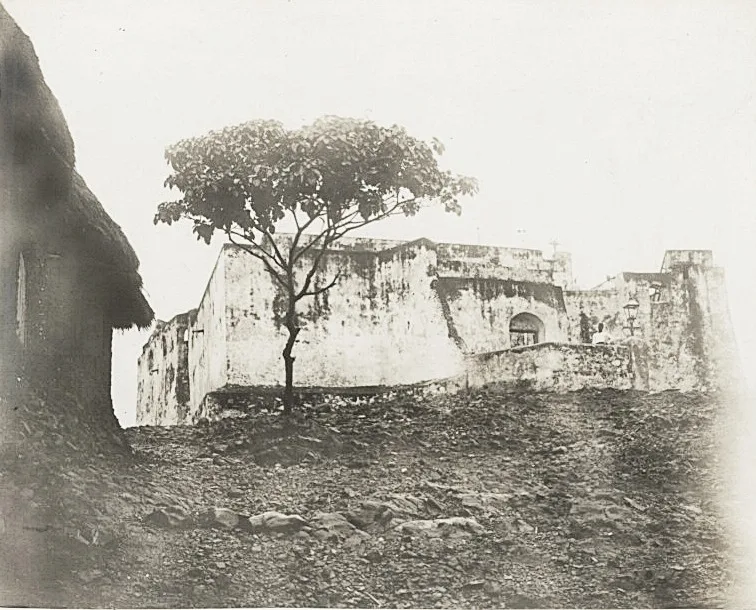
Fort Patience
A small fort in Apam, built by the Dutch and named due to the time taken for its completion.
Learn more →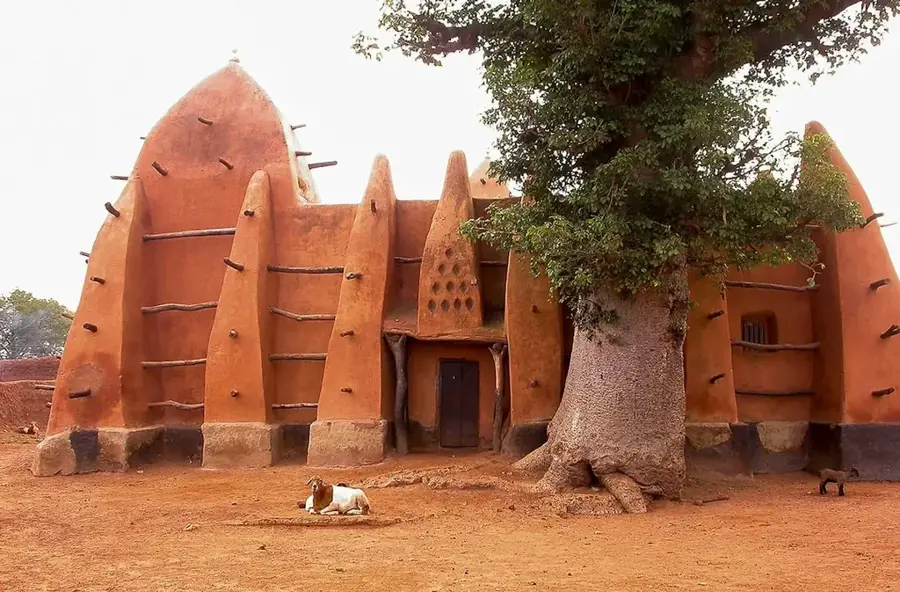
Kintampo Complex
An archaeological site that gives its name to the Kintampo culture of the late Stone Age.
Learn more →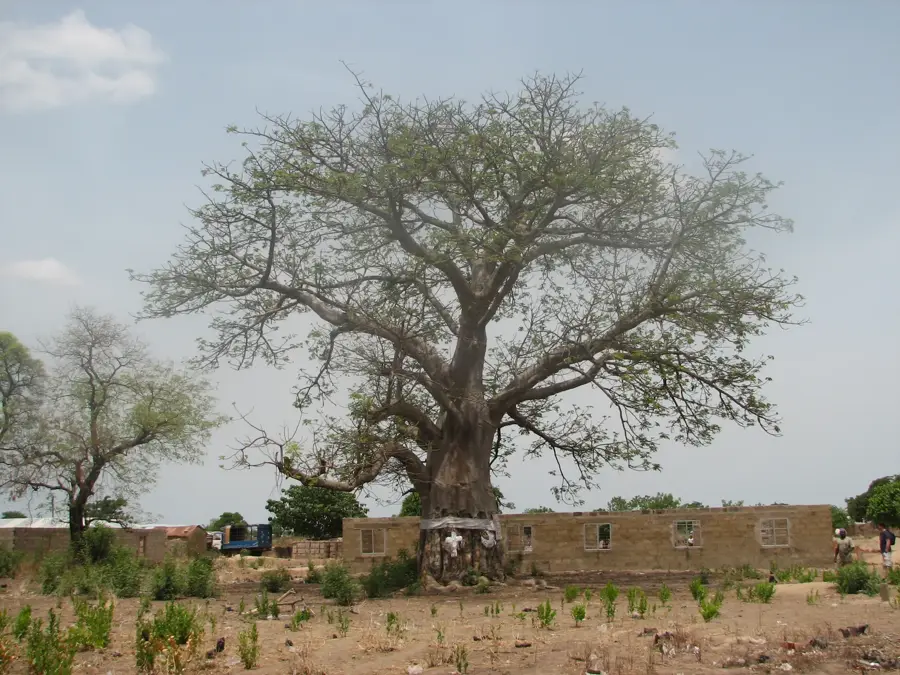
Salaga Slave Market
The site of one of the largest slave markets in West Africa, pivotal for historical studies of the slave trade.
Learn more →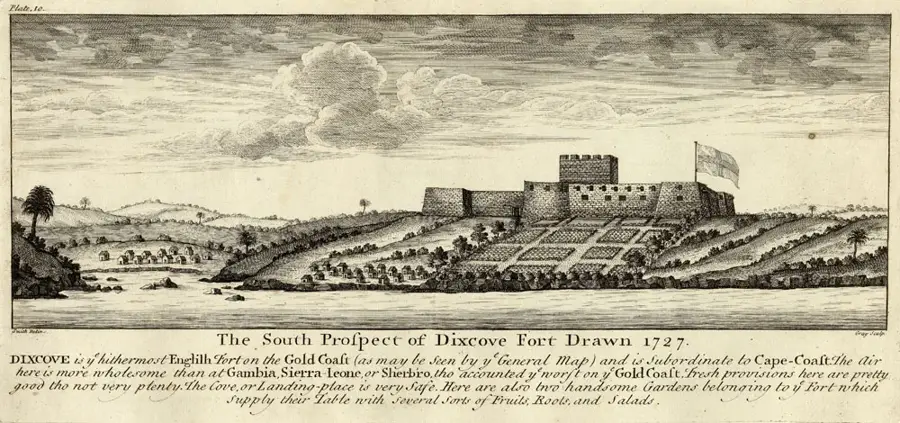
Fort Metal Cross
A hilltop fortification in Dixcove, designed to overlook the harbor and control trade.
Learn more →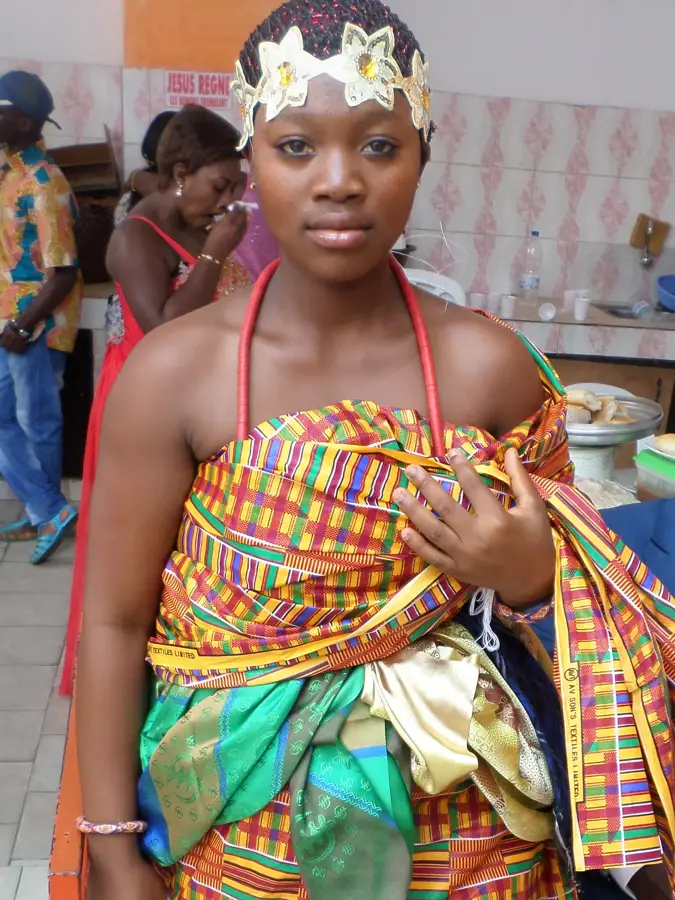
Bono Manso
The center of the ancient Bono State, recognized for its complex trade networks before the rise of the Ashanti.
Learn more →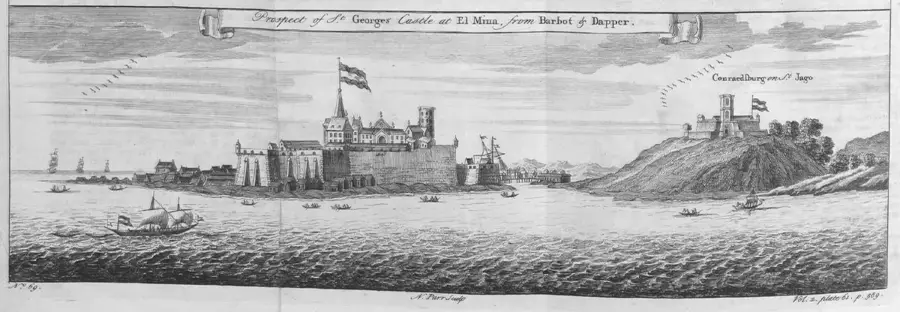
Fort St. Jago
A fortified position overlooking Elmina Castle, built by the Portuguese for observation and defense.
Learn more →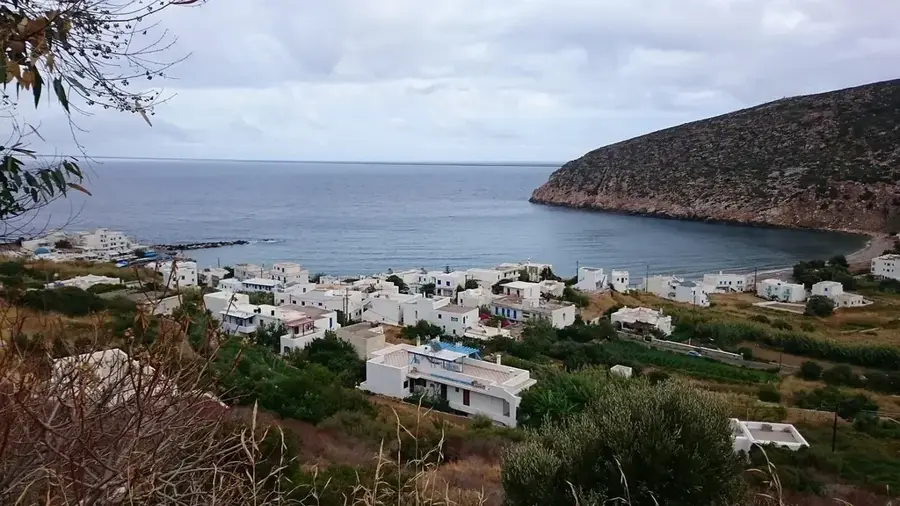
Fort Apollonia
A former British fort in Beyin, once a major center for palm oil and gold trade.
Learn more →
Fort Amsterdam
A fort in Abandze, originally constructed by the English and later captured by the Dutch.
Learn more →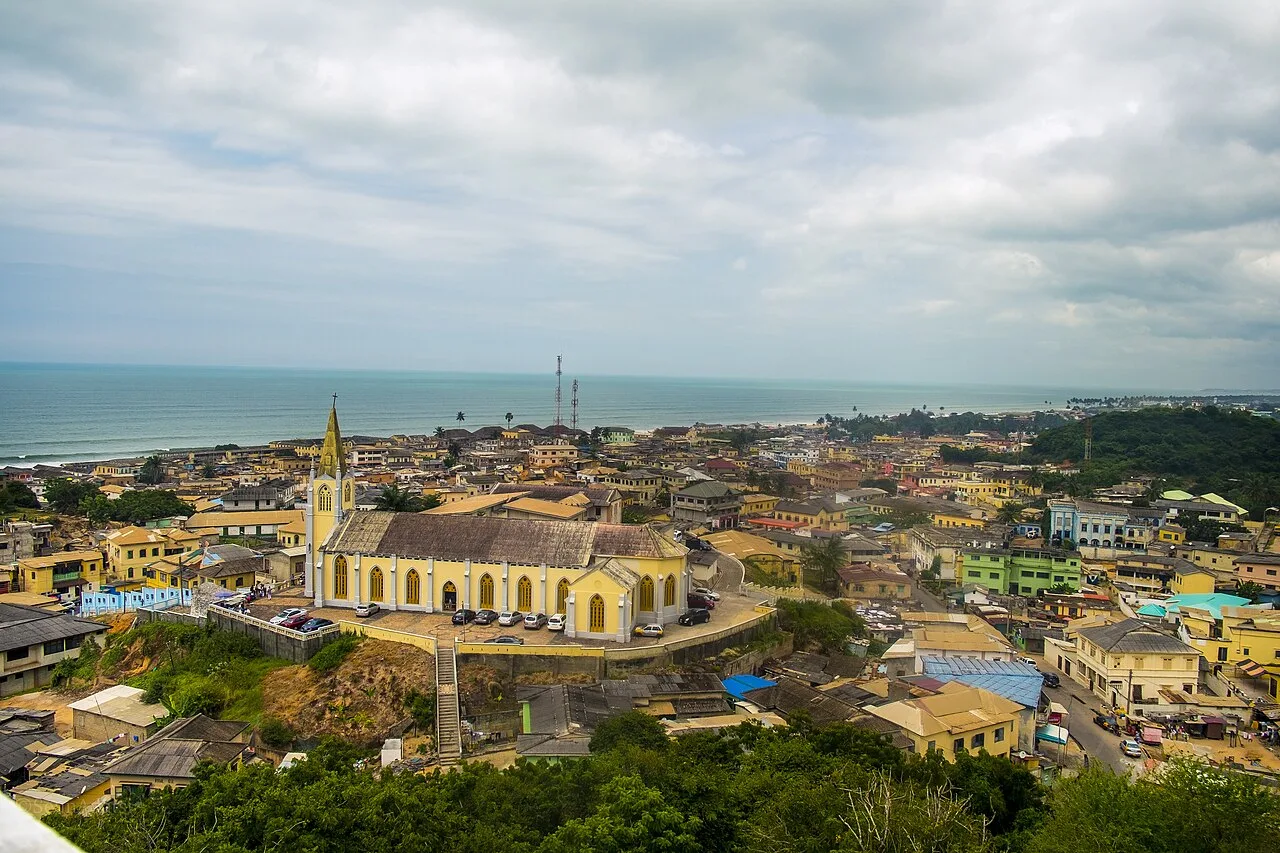
Fort McCarthy
A small British defensive fort located on a hill overlooking Accra.
Learn more →Frequently asked questions
What are the top attractions in Ghana?
Among the most popular are Paga, Navrongo Cathedral, Larabanga Mosque, Essipong Stadium, Akosombo Dam and many more – the full top 50 list is on this page.
When is the best time to visit Ghana?
May to October offers the most pleasant weather; July and August are warmest and busiest.