Plizio Visual Lab
Tsévié
ℹ️Practical info — Tsévié
▾
🌤 Weather — 5 days
📍 Nearby
Sights nearby
💡 Tips
- Visit in August to experience the colorful Ayiza Festival (Bean Festival), featuring traditional Ewe dances.
- Buy fresh pineapples from the roadside stalls along the main road; the region is famous for the country's sweetest fruits.
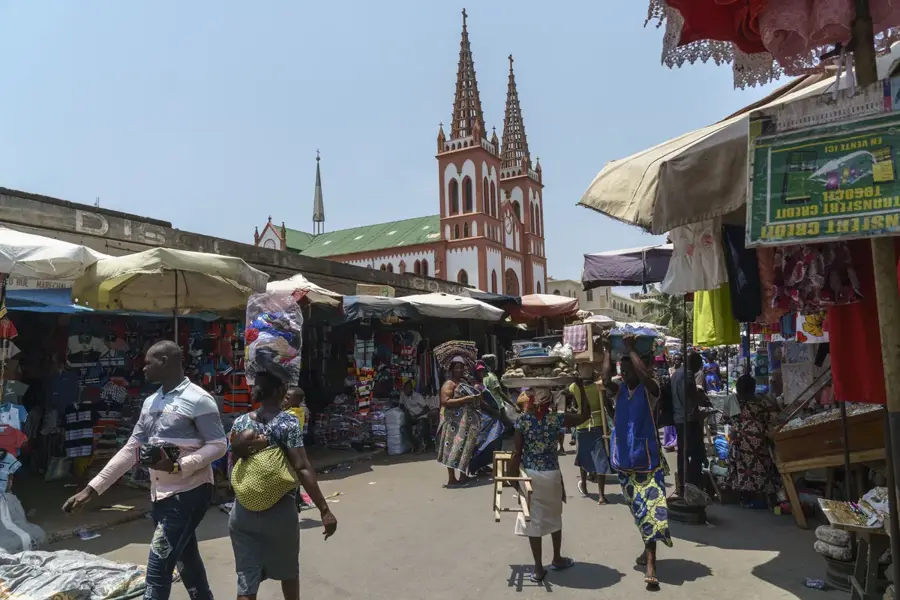
- Plan your visit for Friday, the main market day, for the best selection of local products and fresh palm oil.
- Learn a few Ewe greetings ('Ee-lo' for hello), as the people of Tsévié place great importance on polite social interactions.
- Look out for the numerous palm oil processing workshops that form the economic heart of the city.
🍽 Food
Try various specialties made from locally grown beans, especially available in the center during the festival.
A hearty stew that gets its characteristic color and nutty flavor from the fresh Tsévié palm oil.
Snack on freshly roasted corn on the cob, prepared over charcoal at almost every street corner in the late afternoon.
🛍 Shopping · 🧘 Quiet spots
Buy a bottle of high-quality, locally pressed red palm oil directly at the Friday market.
Large baskets of freshly harvested pineapples are available at unbeatable prices at the northern outskirts.
Look for 'negro pepper' (Xylopia) and local spices sold in small sachets in the market district.
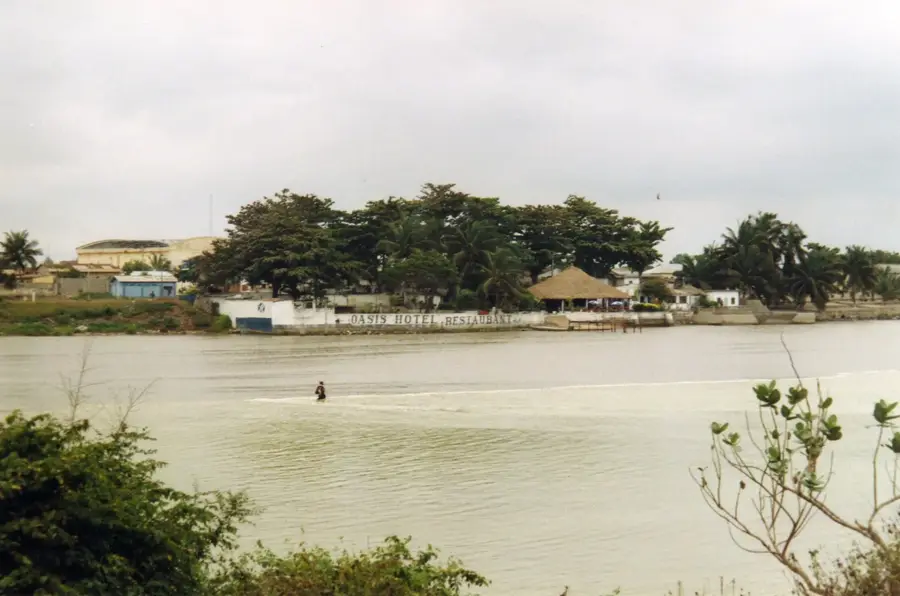
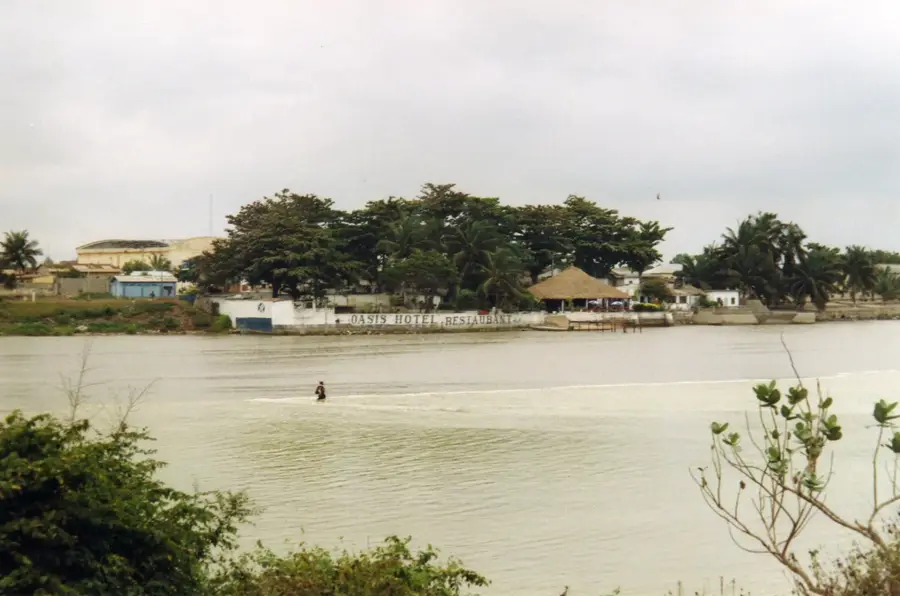
Walk to the quiet areas along the Zio River to watch local fishermen in their traditional pirogues.
The shaded paths through the oil palm groves on the outskirts offer cool and peaceful retreats.
Water temperature…
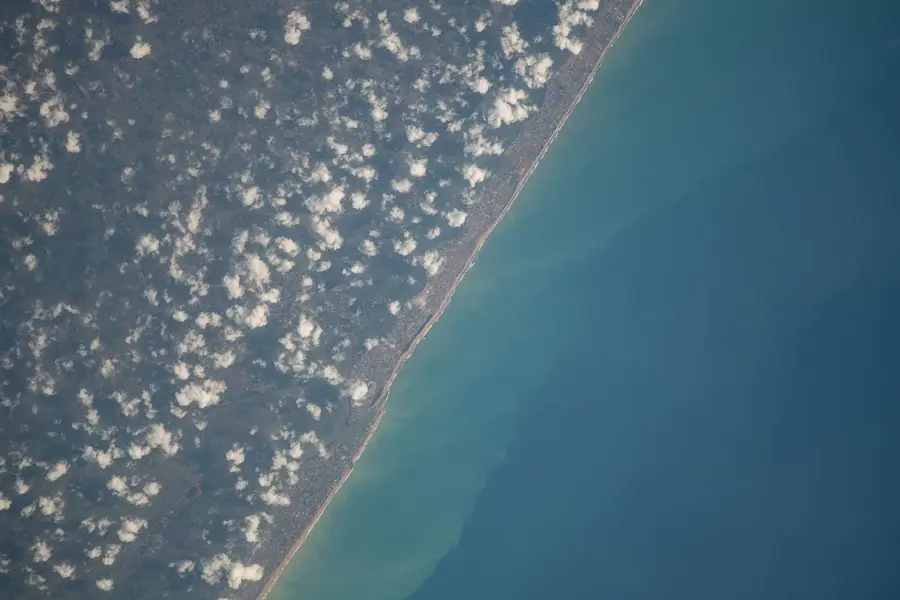
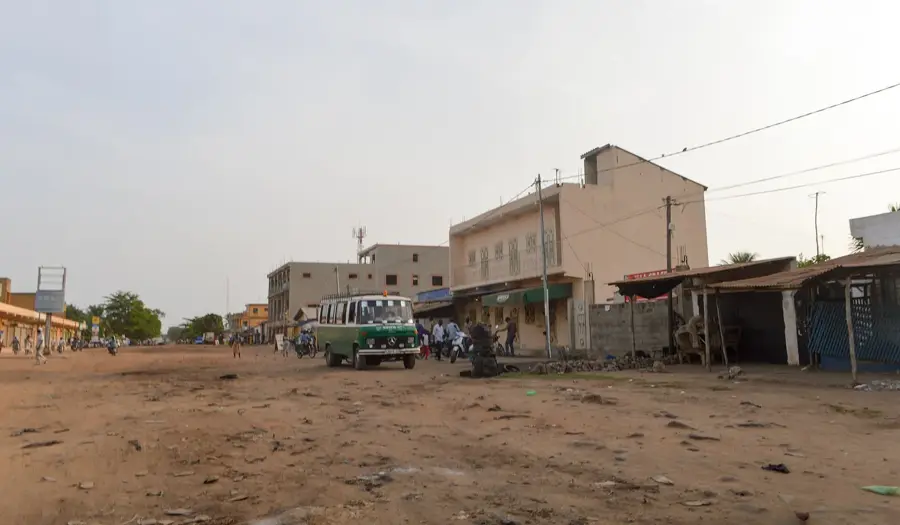
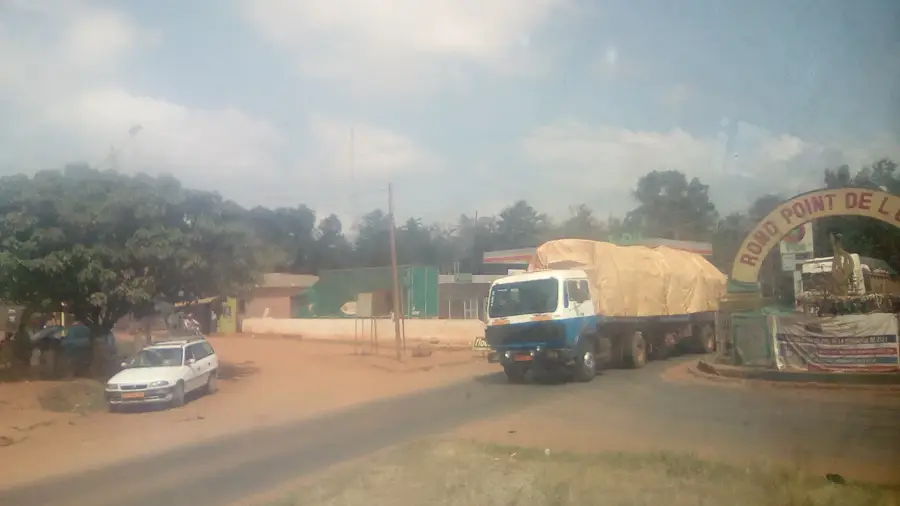
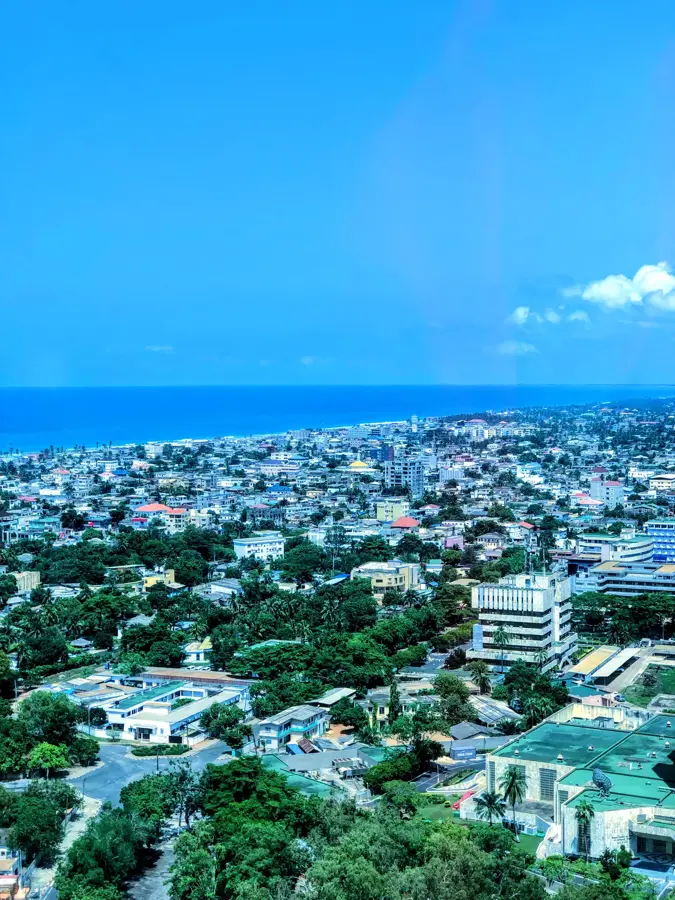
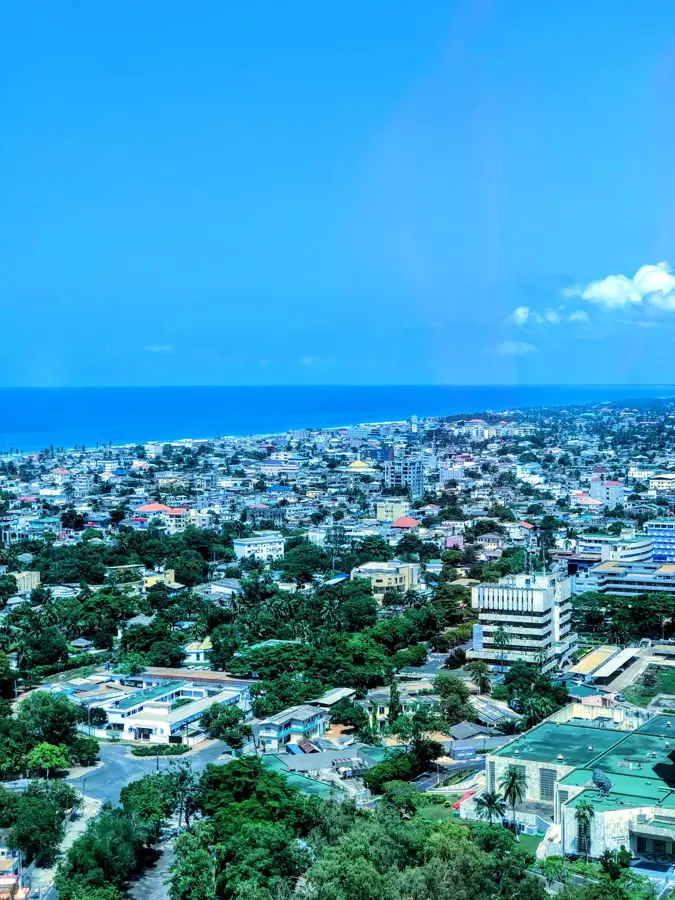
Tsévié lies about 35 kilometres north of Lomé along National Road 1 and serves as the capital of Zio Prefecture in the Maritime Region. With around 55,000 inhabitants, it forms an indispensable staging post on the route into the country's interior. Tsévié is at the heart of Ewe land and has been a centre of palm-oil processing for centuries, with the rich amber oil traditionally pressed from the fruit of the oil palm and used in cooking, soap-making and ceremonies. The fertile red lateritic soils are exceptionally well suited to growing maize, beans, cassava and yams. A particular cultural highlight is the annual Ayiza harvest festival, during which Ewe communities celebrate their bond with the land, the ancestors and the sacred bean. The German colonial administration built a railway station here around 1905 on the Lomé-Atakpamé line, and its remains still recall Tsévié's earlier economic prominence.
- Location: Togo
- Nearby: Lake Togo (30 km)
- Population: ~55.775 (2026)
Best time to visit & climate
The most pleasant time to visit is Jan, Nov, Dec.
| Jan | Feb | Mar | Apr | May | Jun | Jul | Aug | Sep | Oct | Nov | Dec | |
|---|---|---|---|---|---|---|---|---|---|---|---|---|
| Avg °C | 27 | 29 | 28 | 28 | 27 | 26 | 25 | 25 | 25 | 26 | 27 | 27 |
| Rain mm | 14 | 31 | 77 | 105 | 148 | 172 | 144 | 95 | 168 | 138 | 35 | 15 |
Geography
Facts
- Tsévié is the administrative seat of the Zio Prefecture.
- The city is known for its large-scale palm oil processing facilities.
- The Ayiza festival commemorates the historical migration of the Ewe from Notsé.
- Tsévié is a key station on the historical Lomé-Blitta railway line.
- The city has a population of approximately 55,000 people.
- Tsévié is situated in a fertile plain south of the Mono river basin.
Explore nearby
Notable places around
Route planner — Car & Motorhome
Where do you start? We build the route here, with stops and country notes along the way.
© OpenStreetMap contributors · OpenRouteService
Sights in the town Tsévié (1)
Frequently asked questions
How is the connectivity to Tsévié?
What is the typical local dish?
Is Tsévié family-friendly?
Are there sights for visitors?
Do you need a guide for a visit?
Tsévié: where is it located?
Tsévié: when is the best time to visit?
Tsévié: why is it worth visiting?

Nearby cities
History & landmarks
Nature
More places