Plizio Visual Lab

Bight of Benin
Plizio editorial teamData Sources
Sea
—°
Bight of Benin (Togo)

Weather…

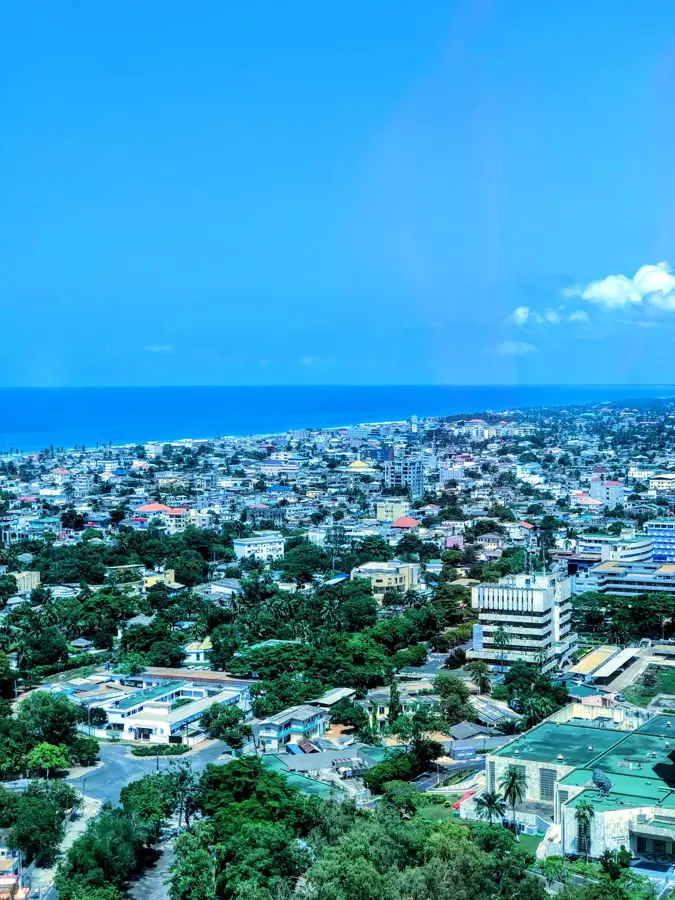
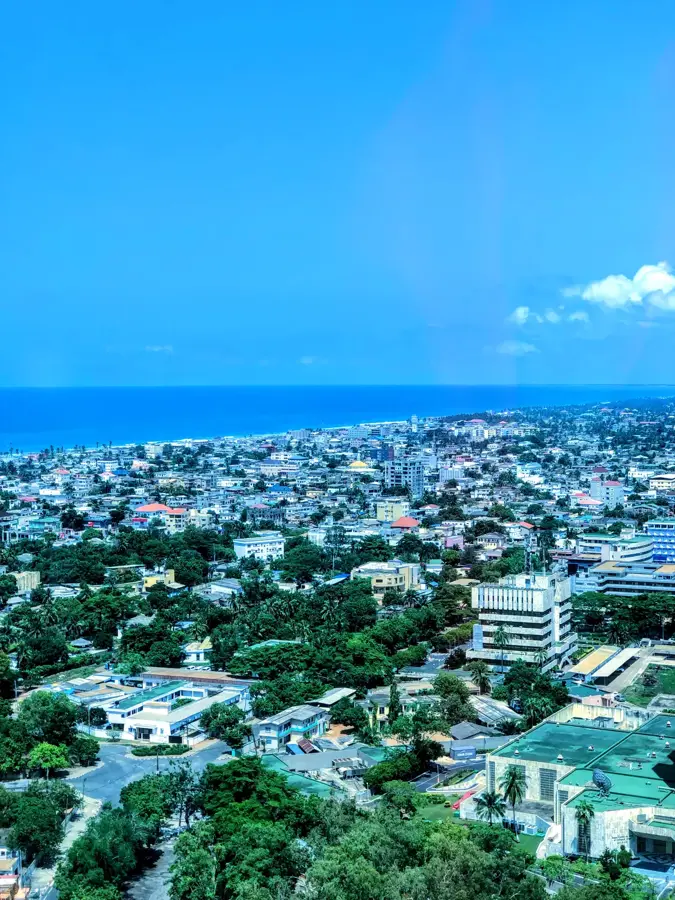
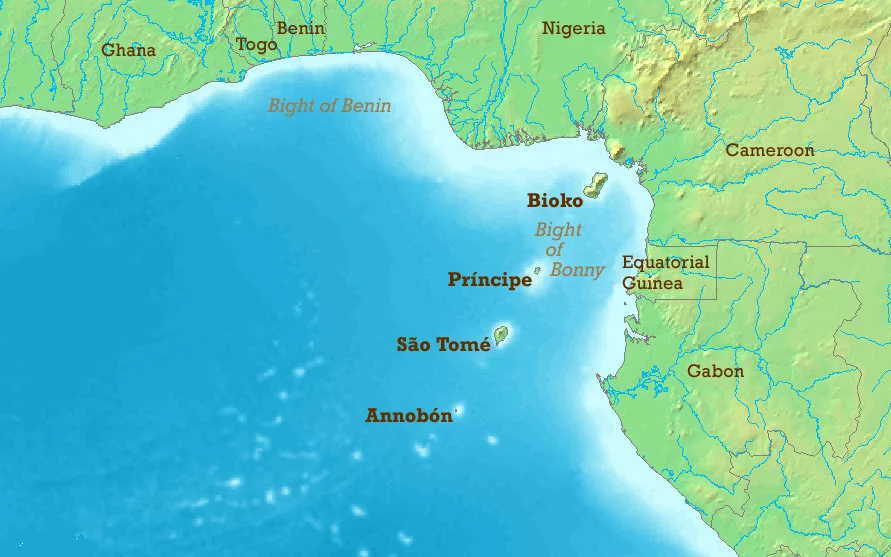
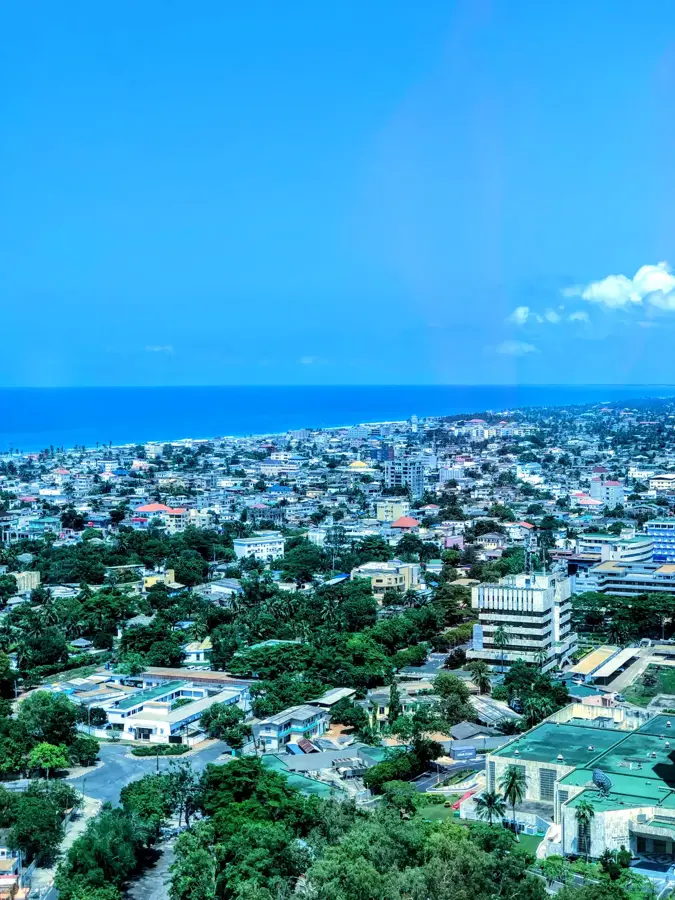
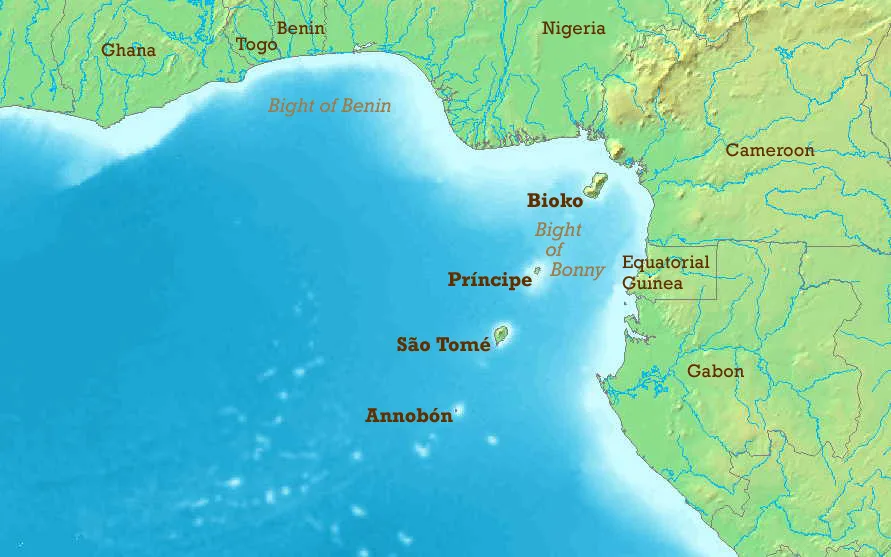
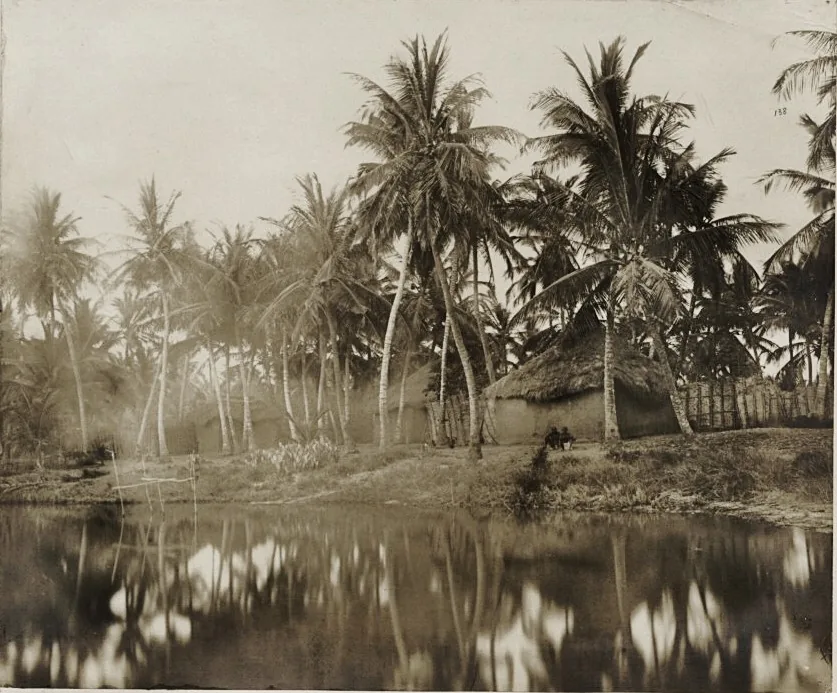
The Bight of Benin is a large bay or bight on the West African coast, forming a significant part of the Gulf of Guinea. It extends eastward for approximately 640 kilometers from Cape St. Paul in Ghana to the Nun outlet of the Niger River in Nigeria. Historically, the region was infamously known as the Slave Coast because it was a major departure point for millions of Africans during the Atlantic slave trade between the 16th and 19th centuries. The coastline is characterized by numerous lagoons, marshes, and sandbars that separate the Atlantic Ocean from inland waterways and mangroves. Major port cities along the bight include Cotonou in Benin, Lomé in Togo, and Lagos in Nigeria, making it a hub for international maritime trade. In the modern era, the Bight of Benin has become economically vital for its offshore petroleum deposits and extensive fishing industry. The area is currently facing environmental issues, most notably severe coastal erosion and rising sea levels affecting the coastal infrastructure.

Best time to visit & climate

The most pleasant time to visit is Jan, Aug, Dec.

JanFebMarAprMayJunJulAugSepOctNovDec
Avg °C282828282826252525262728
Rain mm153386118171181111571321404016

📋 Practical info

🧭
Getting there
Accessing this major coastal area typically involves traveling southward from inland regions directly to the shoreline of the Gulf of Guinea. The coastal road infrastructure generally allows for straightforward approaches to various beaches and seaside communities.
📅
Best season
The dry season is usually the most favorable time to visit, providing sunny weather and effectively avoiding heavy tropical rains. This period reliably has the most comfortable conditions for walking along the shore and observing the expansive bight waters.
⛰️
Terrain & paths
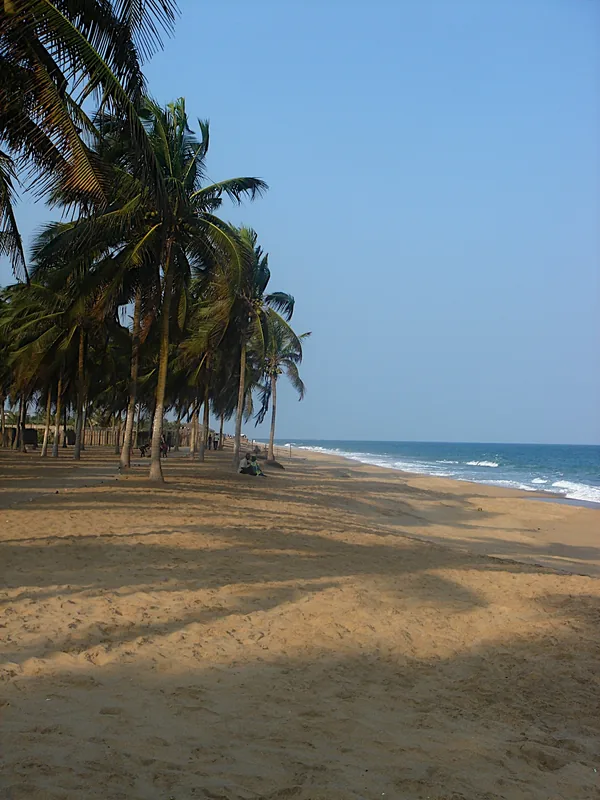
The coastal terrain largely consists of long, sandy beaches interspersed with occasional rocky outcrops and local fishing settlements. The landscape is generally flat and visibly open, exposed directly to continuous ocean breezes and the rhythmic Atlantic surf.
🎒
What to bring
Strong sun protection, including high-SPF sunscreen and wide hats, is completely essential due to the intense tropical sun reflecting off the water. Comfortable sandals for sandy walks and a light windbreaker are typically recommended for dealing with coastal breezes.
🅿️
Parking
Visitors can typically park in explicitly designated areas within coastal towns or simply safely off the main coastal road. It is generally advisable to avoid driving directly onto the soft beach sand at any point to prevent vehicles from becoming deeply stuck.
⚠️
Safety
The waters in this part of the Gulf of Guinea are notoriously known for powerful undertows, strong currents, and unpredictable heavy surf. Swimming is often strongly discouraged unless in explicitly protected, calm bays or under the direct supervision of knowledgeable locals.
⏱️
Time needed
A typical visit just to enjoy the general coastal views and sea breezes generally lasts around two to four hours for casual travelers. Those wishing to explore fundamentally different coastal communities along the entire Togolese shoreline might spend a full day or two doing so.

Geography

Coordinates
6.00000, 1.20000

Facts

  • The bight stretches for about 640 km from Cape St. Paul to the Niger Delta.
  • It was the primary region of the 'Slave Coast' for over 300 years.
  • The area is part of the eastern Atlantic's Gulf of Guinea.
  • Major cities like Lomé and Cotonou serve as vital deep-water ports.
  • Offshore oil exploration is a major industry in the Nigerian sector.
  • The coastline is known for its complex system of lagoons and sandbars.

Explore nearby

Notable places around
Route planner — Car & Motorhome

Where do you start? We build the route here, with stops and country notes along the way.

Vehicle
Only stops with (optional):

© OpenStreetMap contributors · OpenRouteService

Sights nearby

Frequently asked questions

How safe is swimming in the Bight of Benin?
Be cautious of strong currents; swimming should only take place in guarded zones.
Are there beautiful sandy beaches there?
Yes, there are extensive, beautiful sandy beaches along the entire bight.
When is the water warmest?
The water is pleasantly warm for swimming all year round.
When is the best time to travel?
From November to March, the dry season is the most pleasant for tourists.
Do you need a visa?
Yes, inform yourself about the entry regulations of the respective coastal states.
Bight of Benin: where is it located?
Bight of Benin is located in Togo.
Bight of Benin: when is the best time to visit?
The most pleasant time to visit is Jan, Aug, Dec.
Bight of Benin: why is it worth visiting?

The Bight of Benin is a large bay or bight on the West African coast, forming a significant part of the Gulf of Guinea.
View on map → The Top 50 Attractions → OpenStreetMap →
Africa
Explore with Plizio Discover more places in Africa
More places in Togo →

Nearby cities

History & landmarks

More places