Plizio Visual Lab
Digya National Park

Weather…
Water temperature…
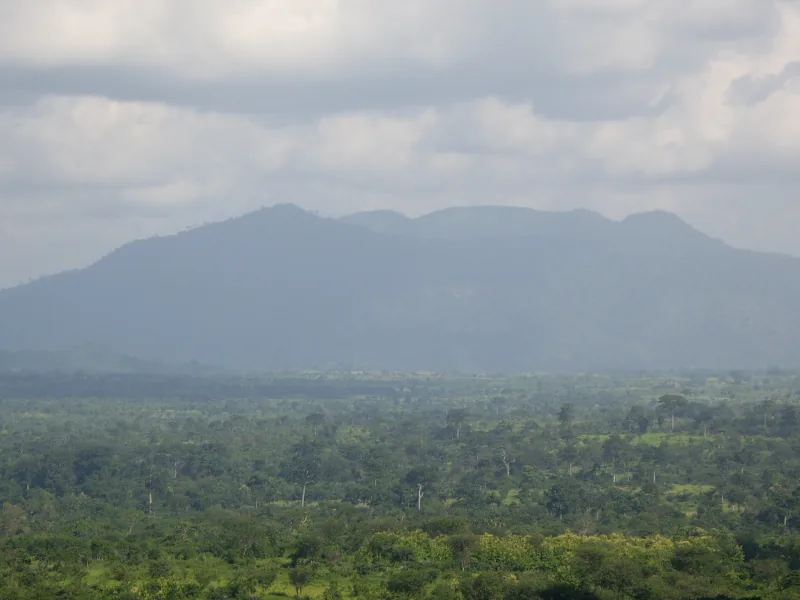
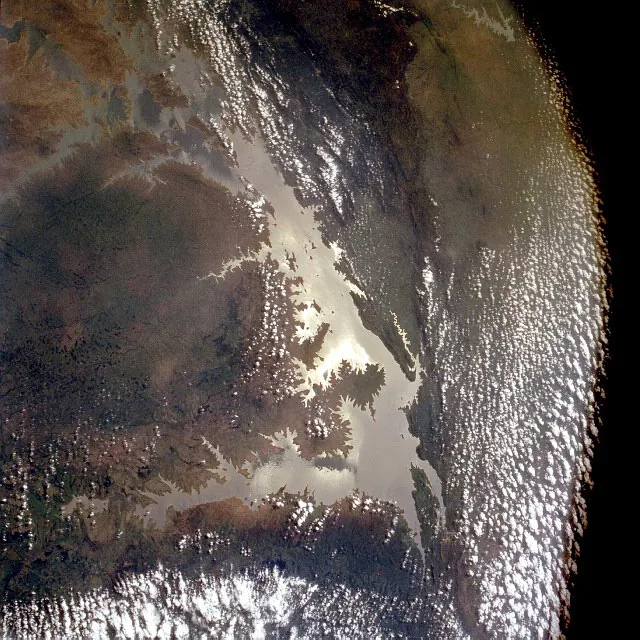
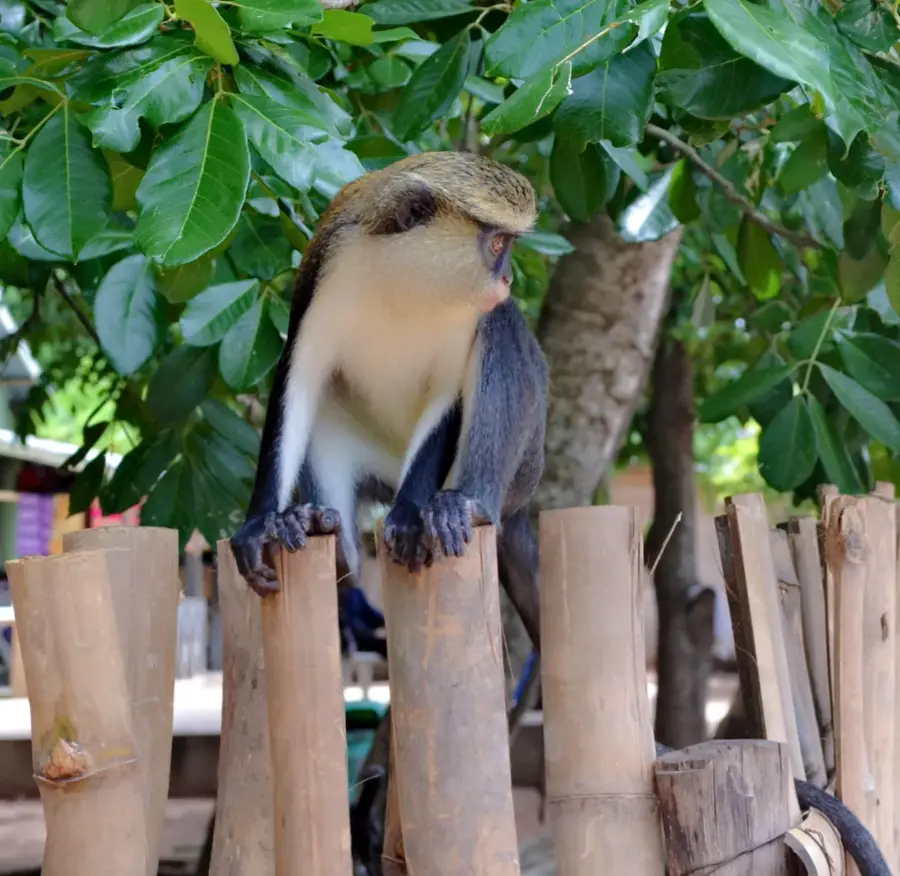
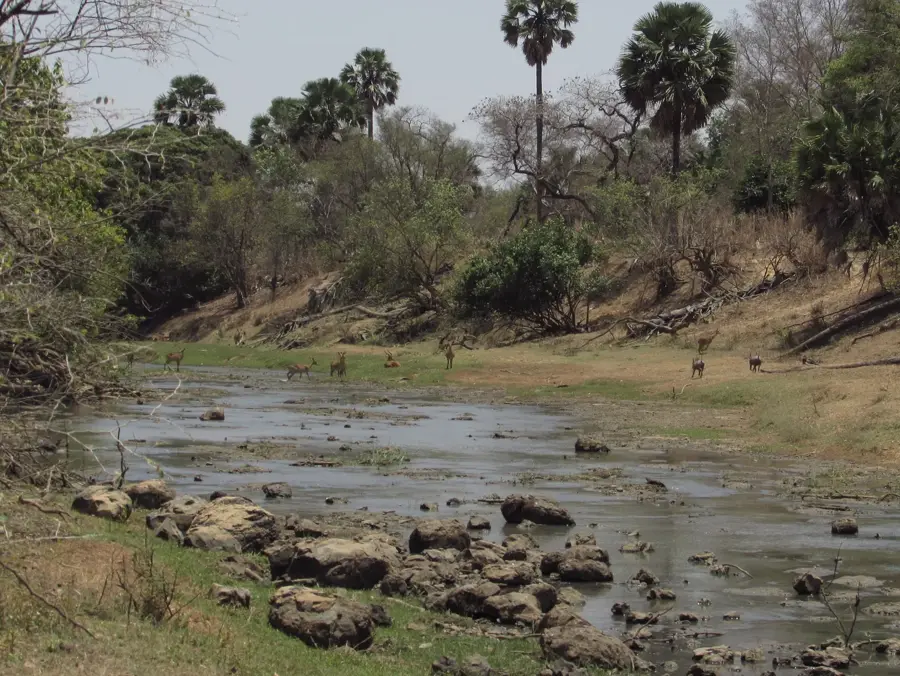
Digya National Park is the second-largest protected area in Ghana, spanning 3,478 square kilometers on the western shores of Lake Volta. Originally established as a wildlife reserve in 1900 and gazetted as a national park in 1971, it occupies a large peninsula that juts out into the lake. The park's environment is a mix of woodland savannah and transitional forest, providing a diverse range of habitats for wildlife. It is a critical sanctuary for forest elephants, leopards, and various primates, including colobus monkeys and olive baboons. Digya is also significant for its aquatic biodiversity, being one of the few places in Ghana where West African manatees are still sighted in the lake's coves. Because of its peninsular geography and water boundaries, the park remains relatively isolated, which has helped preserve its pristine condition. Current conservation strategies focus on protecting the park's boundaries from illegal fishing and logging, ensuring the long-term survival of its unique terrestrial and aquatic species.
- Location: Ghana
- Nearby: Mount Afadja (46 km)
Best time to visit & climate
The most pleasant time to visit is Jan, Nov, Dec.
| Jan | Feb | Mar | Apr | May | Jun | Jul | Aug | Sep | Oct | Nov | Dec | |
|---|---|---|---|---|---|---|---|---|---|---|---|---|
| Avg °C | 27 | 28 | 29 | 28 | 28 | 26 | 26 | 26 | 26 | 27 | 27 | 27 |
| Rain mm | 15 | 33 | 76 | 115 | 144 | 194 | 230 | 176 | 241 | 166 | 35 | 12 |
📋 Practical info
Geography
Facts
- Second-largest national park in Ghana (3,478 km²)
- Established as a wildlife reserve in 1900
- Forms a peninsula into Lake Volta
- A sanctuary for West African manatees
- Home to six different species of primates
- Critical habitat for forest elephants and leopards
Explore nearby
Notable places around


Route planner — Car & Motorhome
Where do you start? We build the route here, with stops and country notes along the way.
© OpenStreetMap contributors · OpenRouteService
Sights nearby
Frequently asked questions
How do you reach Digya National Park?
Are there elephants in Digya?
What is unique about Digya?
Can you see manatees?
Are there hiking trails there?
Digya National Park: where is it located?
Digya National Park: when is the best time to visit?
Digya National Park: why is it worth visiting?

Nearby cities


Nature
More places