Plizio Visual Lab

La Grand-Combe

Plizio editorial teamData Sources
City
—°255
La Grand-Combe (France)
ℹ️

Practical info — La Grand-Combe

🌤 Weather — 5 days

📍 Nearby

Sights nearby

💡 Tips

  • Visit the Maison du Mineur to understand the city's coal mining past.
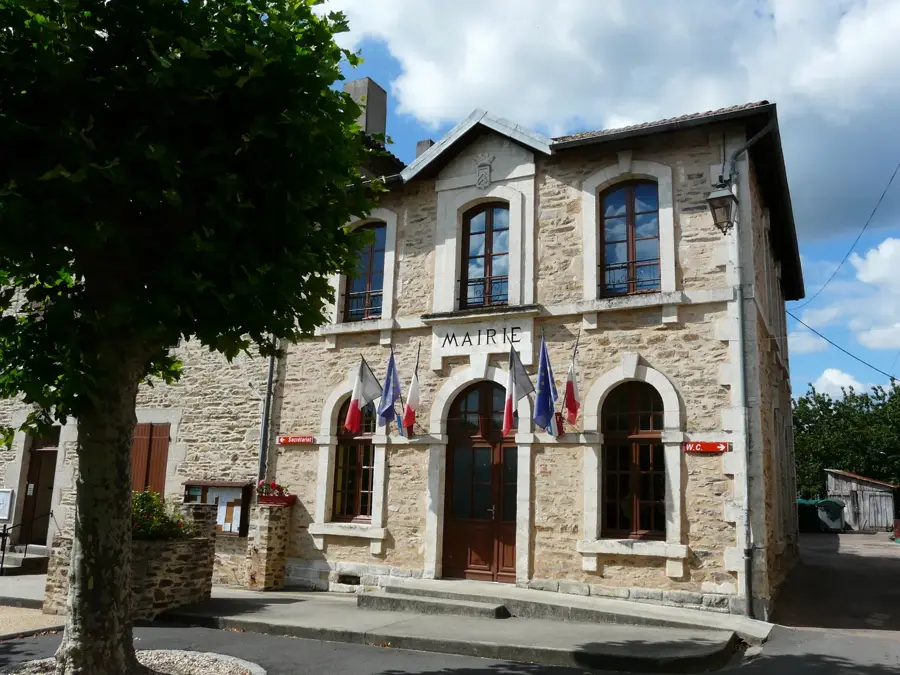
  • Parking is usually easy near the town hall or main square.
  • The town is located in the Cévennes, making it a great base for mountain hiking.
  • Weather can change quickly in the mountains, so bring layers.
  • Public transport is limited, renting a car is advisable to explore the surrounding nature.

🍽 Food

🍽
Pélardon cheese

Look for this local goat cheese at the weekly market.

🍽
Chestnut products

Try crème de marrons from local épiceries.

🍽
Charcuterie cévenole

Traditional cold cuts served in local brasseries.

🛍 Shopping · 🧘 Quiet spots

🛍
Local markets

Great for picking up Cévennes honey and artisanal jams.

🛍
Town center bakeries

Great for grabbing fresh baguettes and regional pastries before a hike.

🧘
Forêt de la Grand-Combe

A peaceful forest area handy for a quiet walk.

🧘
Banks of the Gardon river

Enjoy a calm stroll along the river that flows through the valley.

Highlights of 2026

2

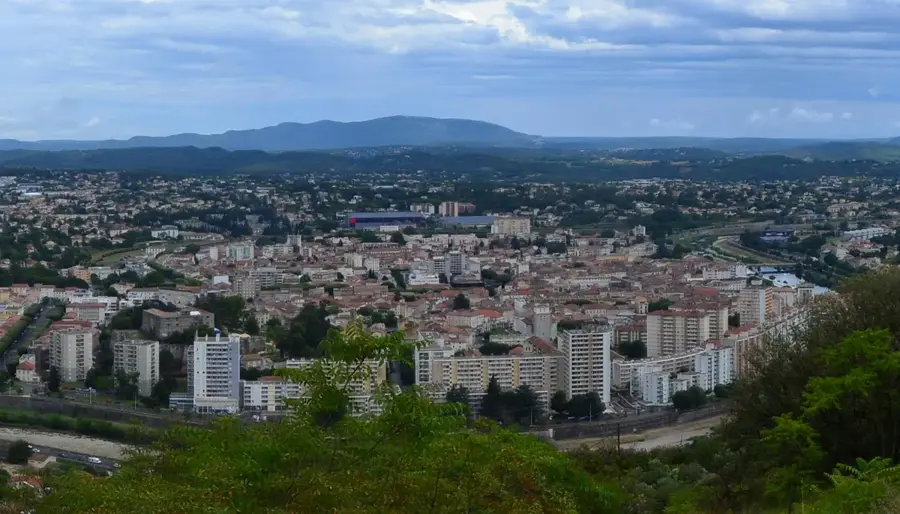
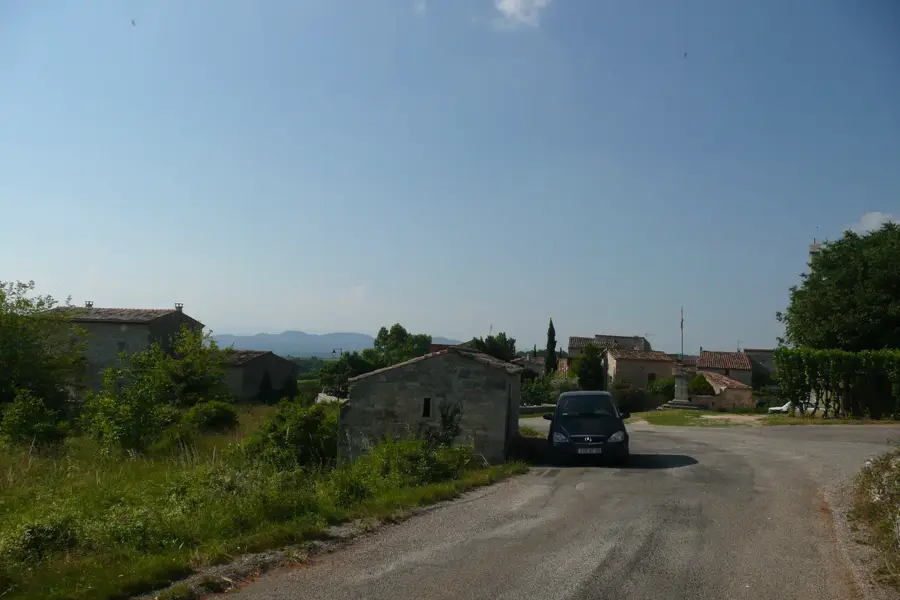
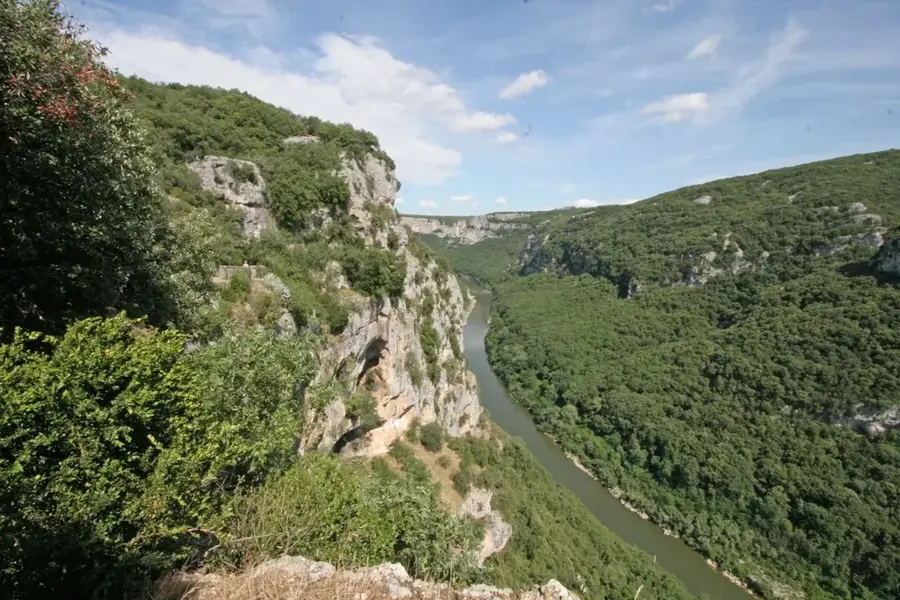
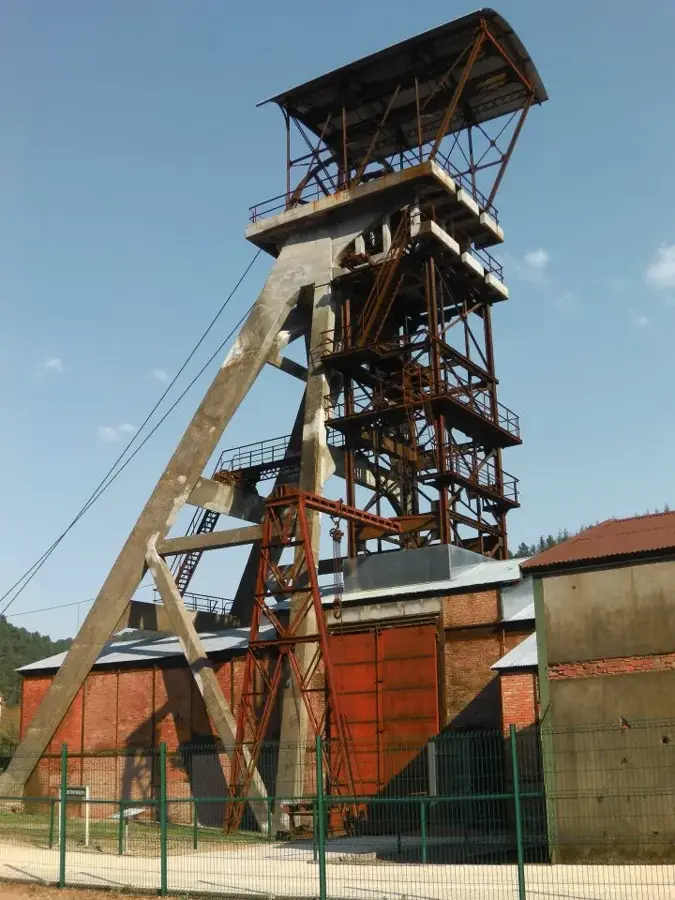
La Grand-Combe stands as a compelling example of a city created from scratch in the mid-19th century to exploit the vast coal reserves of the Cévennes mountains. Located in the Gard department, the town's entire urban layout reflects the hierarchical and industrial organization of a society built around coal extraction. Its history is inextricably linked to the founding of the Grand-Combe Mining Company in 1836, which drove the rapid expansion of the area. For over a hundred years, the city served as a cultural melting pot, attracting workers from across France and various European countries, resulting in a unique and resilient social identity. The eventual closure of the mines during the 1970s and 80s brought significant economic challenges, but modern La Grand-Combe has focused on a renewal strategy based on industrial heritage tourism. Landmarks like the Puits Ricard headframe have been preserved to honor the town's mining past while welcoming visitors. Set within the rugged and pristine environment of the Cévennes National Park, the city has a powerful contrast between its industrial scars and the surrounding natural beauty, making it a significant site for both social history and outdoor exploration.

Best time to visit & climate

The most pleasant time to visit is Jun–Aug.

JanFebMarAprMayJunJulAugSepOctNovDec
Avg °C3471114192222181384
Rain mm70566381764934396712010870

Geography

Population
2,789
Coordinates
44.21110, 4.02940

Facts

  • The city was officially established on September 17, 1846.
  • The Puits Ricard is a listed national industrial monument.
  • Elevation ranges from 169 to 760 meters above sea level.
  • At its peak in 1947, the mines produced over 1.5 million tons of coal.
  • The total municipal area is 12.01 km².
  • Located on the historic 'Cévenol' railway line.

Explore nearby

Notable places around

Route planner — Car & Motorhome

Where do you start? We build the route here, with stops and country notes along the way.

Vehicle
Only stops with (optional):

© OpenStreetMap contributors · OpenRouteService

Sights in the town La Grand-Combe (5)

Maison du Mineur🏛 museum

This museum is located in a former dormitory and showcases the daily life and work of coal miners in the Gard region.

Puits Ricard🏺 historical

The Ricard headframe is an impressive monument of the mining past, reminding visitors of the city's industrial heyday.

Church of the Immaculate Conception⛪ religious

Built in the 19th century, this church is the religious heart of the town and an example of the mining era's architecture.

Place Jean Jaurès🏙 civic

The central square of the town, where regular markets are held and the social life of the community takes place.

Dinopedia Parc👨‍👩‍👧 family

Dinopedia Parc is a theme park in La Grand Combe. Families can enjoy a fascinating adventure among dinosaur exhibits.

Frequently asked questions

Why visit the Maison du Mineur?
It is a museum located in a former mine shaft that impressively documents the life and hard work of miners in the Cévennes.
What is special about the church in La Grand-Combe?
The town has a 'double church' (Eglise de l'Immaculée-Conception), with its two buildings arranged symmetrically on the market square.
Can you travel to La Grand-Combe by train?
Yes, the station is on the famous 'Ligne des Cévennes', one of France's most scenic railway lines connecting Alès and Clermont-Ferrand.
Is the town located in a national park?
Yes, La Grand-Combe is at the edge of the Cévennes National Park, making it a well-suited starting point for nature hikes.
Are there any local festivals?
The 'Charbon d'Ardeur' festival celebrates the town's industrial heritage with cultural events and concerts.
La Grand-Combe: where is it located?
La Grand-Combe is located in Occitanie, France.
La Grand-Combe: what is there to see?
Highlights include Maison du Mineur, Puits Ricard, Church of the Immaculate Conception.
La Grand-Combe: when is the best time to visit?
The most pleasant time to visit is Jun, Aug.
La Grand-Combe: why is it worth visiting?
La Grand-Combe stands as a compelling example of a city created from scratch in the mid-19th century to exploit the vast coal reserves of the Cévennes mountains.
View on map → The Top 50 Attractions → Most beautiful beaches → OpenStreetMap →
Europe
Explore with Plizio Discover more places in Europe
More places in France →

Nearby cities

History & landmarks