Plizio Visual Lab
Mount Kono

Weather…
Water temperature…
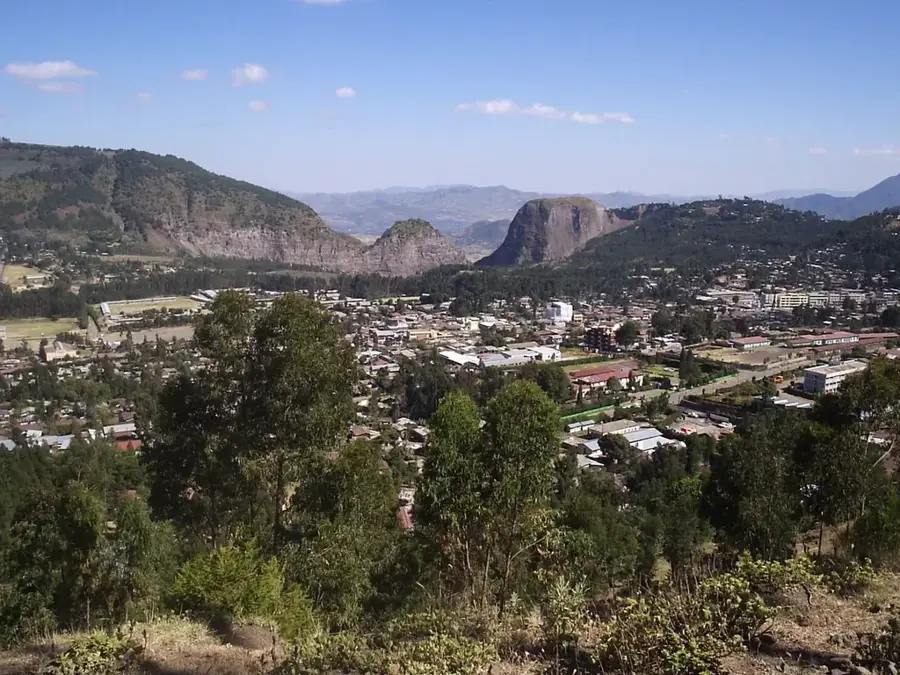
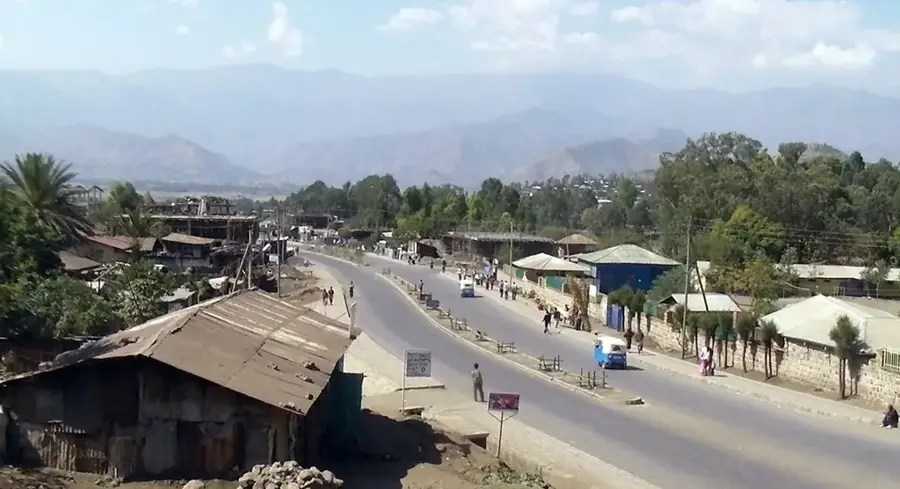
Mount Kono is a distinctive peak in the Ethiopian Highlands, forming part of the country's complex volcanic landscape. Located in a region characterized by sheer cliffs and deeply eroded valleys, the mountain serves as a significant geographical and cultural landmark. Geologically, Mount Kono is composed primarily of Tertiary basalt layers that have been sculpted by millions of years of weathering and erosion. Due to its elevated position, the mountain hosts a unique array of high-altitude flora, including several endemic plant species adapted to the cool, mist-prone environment. For climbers and trekkers, the mountain provides a challenging ascent rewarded with expansive views over the Ethiopian plateau. Culturally, Mount Kono is steeped in local folklore and traditions, often figuring in stories and rituals passed down through generations of highland dwellers. The surrounding lower slopes are frequently used for terrace farming, showcasing the local communities' adaptation to the vertical terrain.
- Location: Ethiopia
- Nearby: Gondar (79 km)
Best time to visit & climate
The most pleasant time to visit is Feb–Apr.
| Jan | Feb | Mar | Apr | May | Jun | Jul | Aug | Sep | Oct | Nov | Dec | |
|---|---|---|---|---|---|---|---|---|---|---|---|---|
| Avg °C | 18 | 20 | 21 | 21 | 21 | 20 | 17 | 17 | 18 | 17 | 17 | 17 |
| Rain mm | 5 | 10 | 25 | 45 | 68 | 87 | 300 | 299 | 113 | 39 | 17 | 7 |
📋 Practical info
Geography
Facts
- The mountain is composed of ancient volcanic basalt layers.
- It is home to rare and endemic afro-alpine vegetation.
- Traditional terrace farming is practiced on its lower slopes.
- The peak serves as a natural watershed for the area.
- Dense mountain mists often shroud the summit during rains.
- It is a key feature of the central Ethiopian highland chain.
Explore nearby
Notable places around



Route planner — Car & Motorhome
Where do you start? We build the route here, with stops and country notes along the way.
© OpenStreetMap contributors · OpenRouteService
Sights in the town Mount Kono (1)
Sights nearby
Frequently asked questions
Is Mount Kono developed for tourism?
What equipment do I need?
What is the terrain like?
Are there settlements there?
How high is the avalanche risk?
Mount Kono: where is it located?
Mount Kono: when is the best time to visit?
Mount Kono: why is it worth visiting?

Nearby cities

History & landmarks
Nature
More places