Plizio Visual Lab
Debre Markos
ℹ️Practical info — Debre Markos
▾
🌤 Weather — 5 days
📍 Nearby
Sights nearby
💡 Tips
- Like many Ethiopian highland towns, the weather can change quickly; carry an umbrella during the rainy season.
- Be prepared for occasional power outages; having a power bank for your phone is highly recommended.
- The local market is best visited early in the morning when it's most lively and vendors have the best produce.
- When visiting churches, remember to remove your shoes before entering and respect the dress code.
🍽 Food
This spicy chicken stew is best experienced in a local family-run restaurant.
A chickpea stew that is a staple fasting food, widely available and delicious with fresh injera.
Participate in a traditional coffee ceremony at a local cafe.
🛍 Shopping · 🧘 Quiet spots
Colorful and intricately designed, found in the main market.
Buy freshly ground spice blends from market stalls.
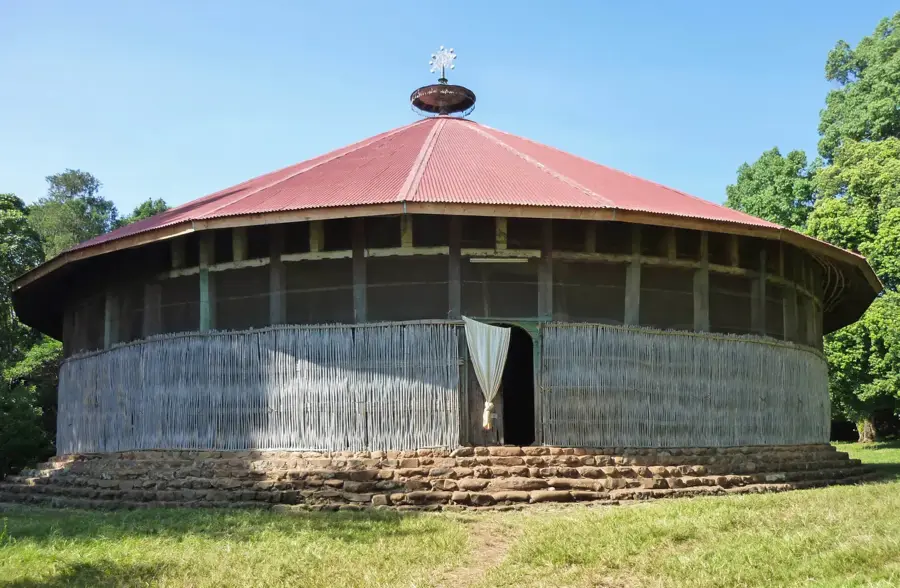
The historic church that gives the town its name, offering a peaceful courtyard.
If you venture slightly out of town, the lower slopes offer serene nature walks.
Water temperature…
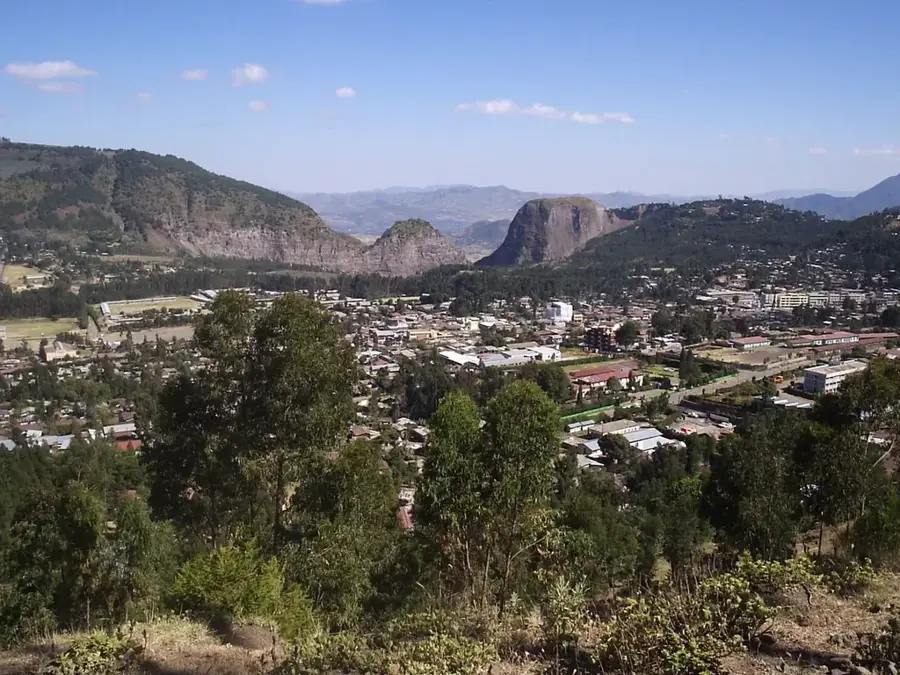
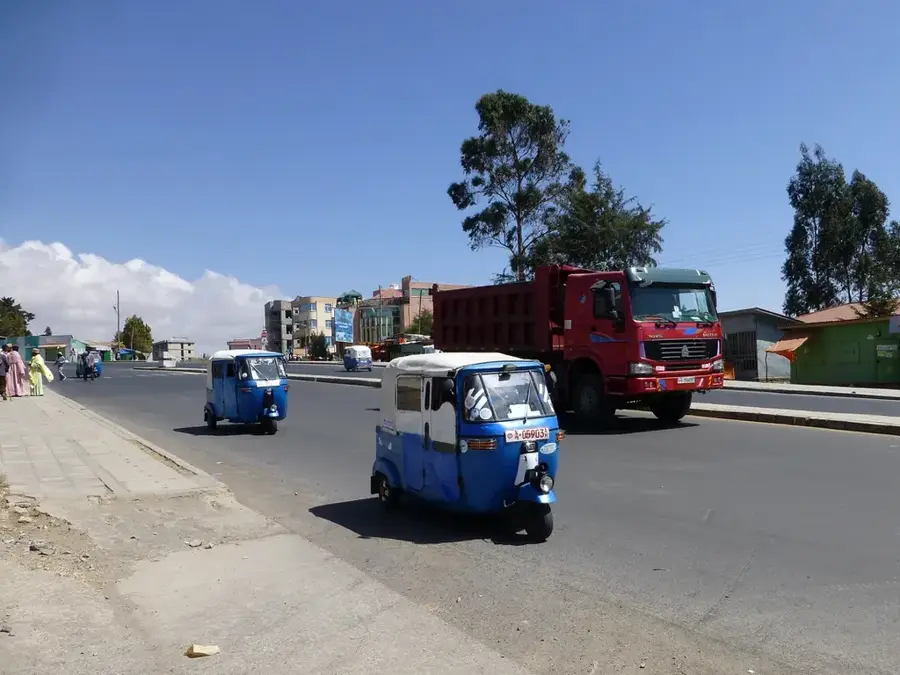
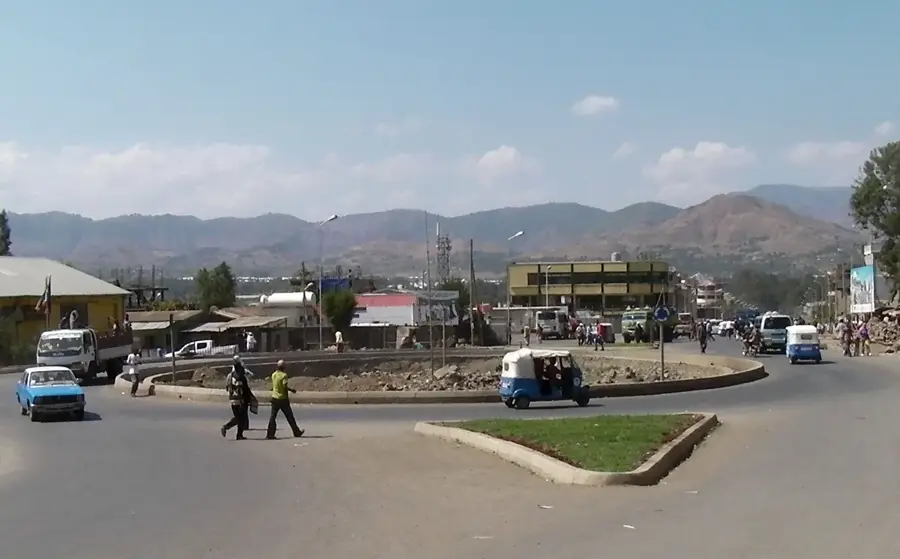
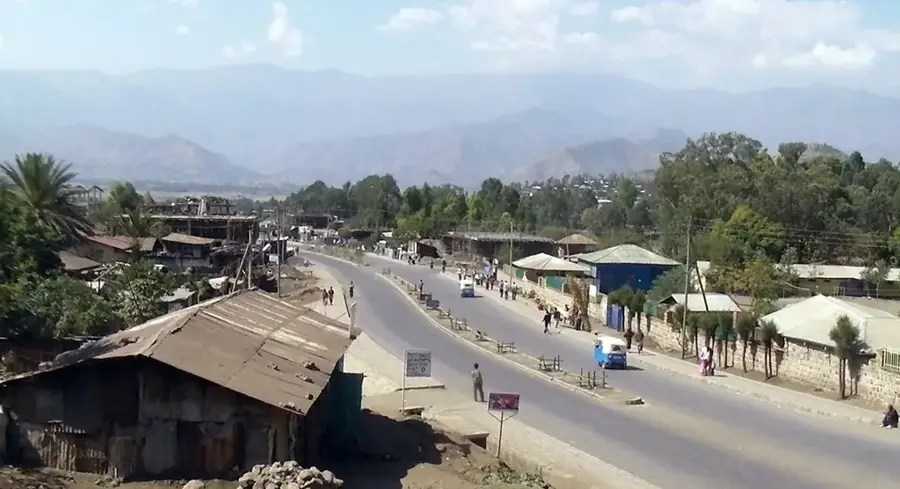
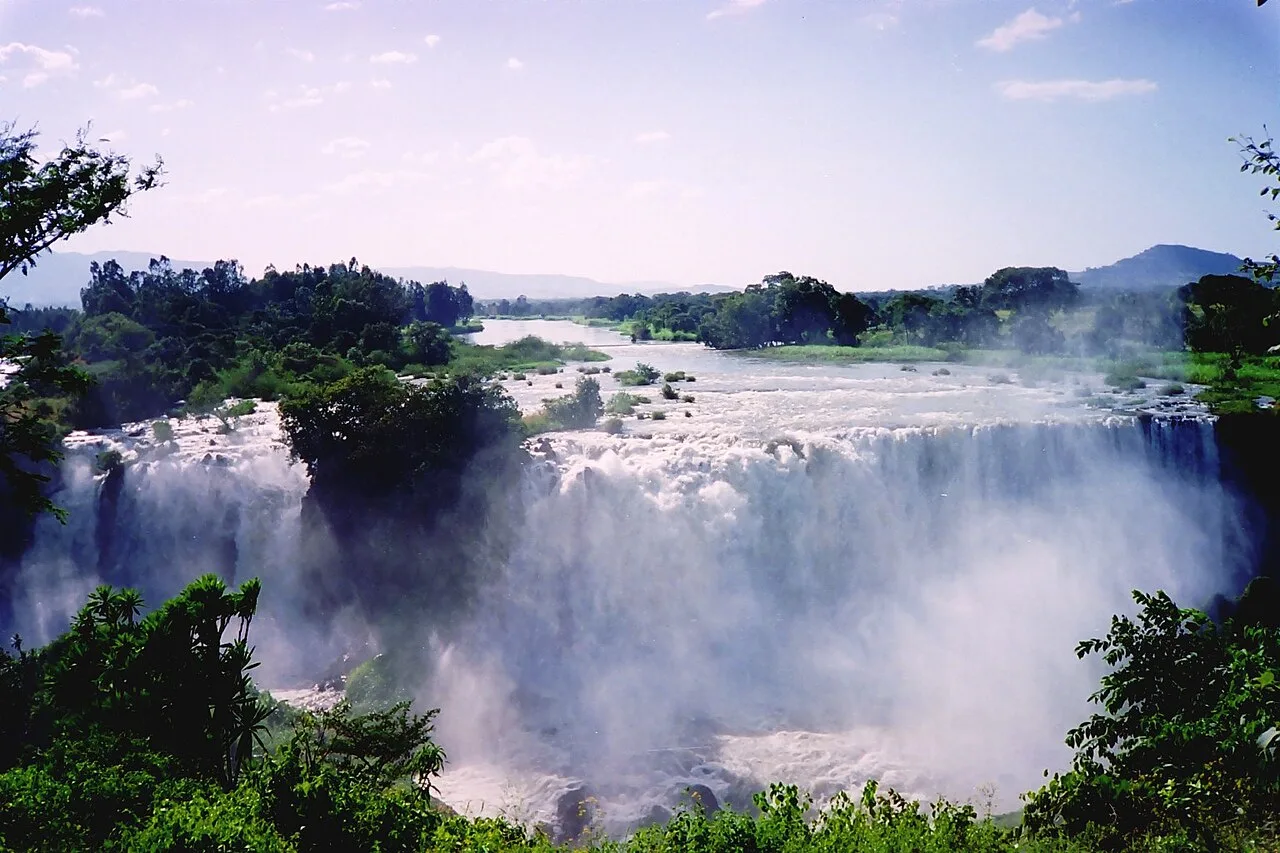
Debre Markos is the administrative capital of the East Gojjam Zone in the Amhara Region and historically served as the capital of the Gojjam province. The city takes its name from the prominent church of Saint Mark, established in the 19th century by Negus Tekle Haymanot, who made the city his political center. Perched at an elevation of roughly 2,450 meters, it has panoramic views of the surrounding highlands and is situated near the dramatic gorges of the Blue Nile. Debre Markos is a vital commercial center for agricultural products, particularly teff, wheat, and pulses, which thrive on the fertile volcanic soils of the Gojjam plateau. The Debre Markos University is a key institution that has driven modern infrastructure development and academic growth in the region. Its location on the main highway between Addis Ababa and Bahir Dar makes it a significant logistics and transit hub. The city combines historical significance with a growing modern urban landscape, reflecting its role as a regional leader in northern Ethiopia.
- Location: Ethiopia
- Nearby: Fincha (79 km)
- Population: ~140.700 (2023)
Best time to visit & climate
The most pleasant time to visit is Feb–Apr.
| Jan | Feb | Mar | Apr | May | Jun | Jul | Aug | Sep | Oct | Nov | Dec | |
|---|---|---|---|---|---|---|---|---|---|---|---|---|
| Avg °C | 17 | 19 | 20 | 21 | 20 | 18 | 16 | 16 | 16 | 16 | 16 | 16 |
| Rain mm | 5 | 15 | 37 | 67 | 143 | 210 | 383 | 370 | 245 | 87 | 34 | 14 |
Geography
Facts
- The city's altitude is approximately 2,446 meters (8,025 feet).
- It was originally known as Menkorer before being renamed Debre Markos.
- Negus Tekle Haymanot officially established his capital here in 1881.
- The city is situated about 300 kilometers northwest of Addis Ababa.
- Debre Markos University was established in 2005.
- The city is a major collection point for teff, Ethiopia's primary staple grain.
Explore nearby
Notable places around


Route planner — Car & Motorhome
Where do you start? We build the route here, with stops and country notes along the way.
© OpenStreetMap contributors · OpenRouteService
Sights in the town Debre Markos (1)
Frequently asked questions
What historical significance does Debre Markos have?
What is the most famous church?
How is it connected to the Blue Nile?
What is the local craft?
When is the climate most pleasant?
Debre Markos: where is it located?
Debre Markos: when is the best time to visit?
Debre Markos: why is it worth visiting?

Nearby cities

History & landmarks
Nature
More places