Plizio Visual Lab

Marsala
Plizio editorial teamData Sources
Landmark
—°16
Marsala (Italy)

Weather…

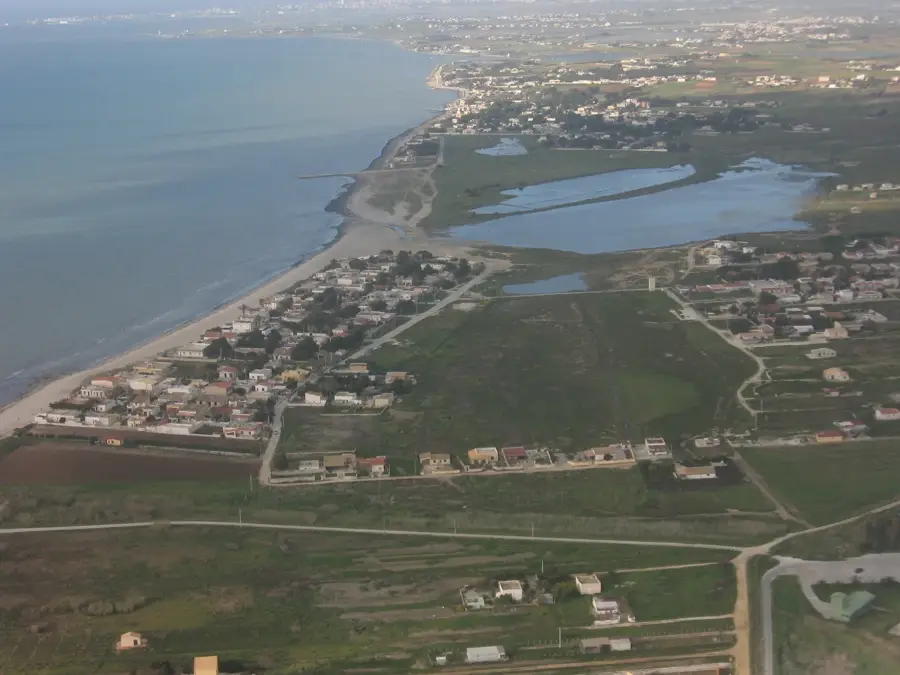
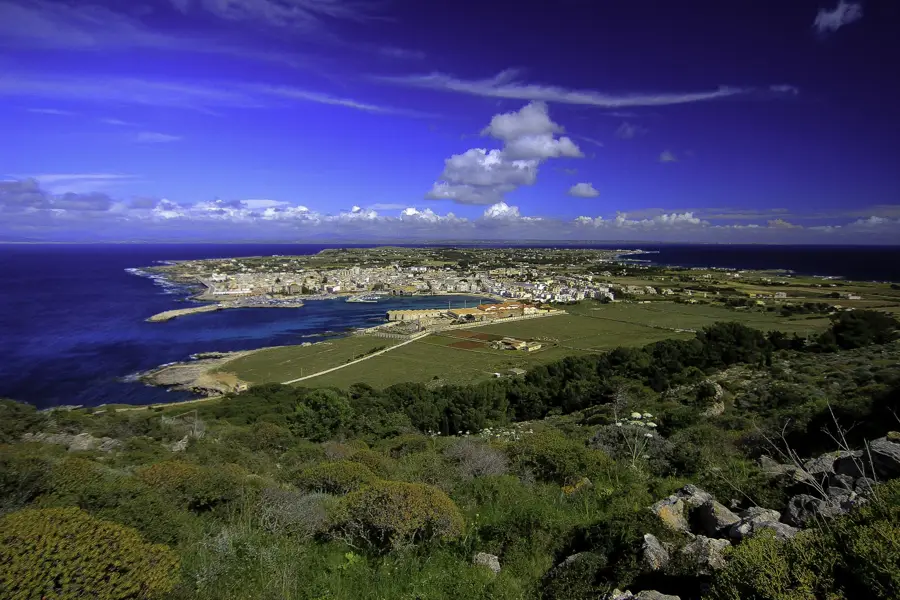
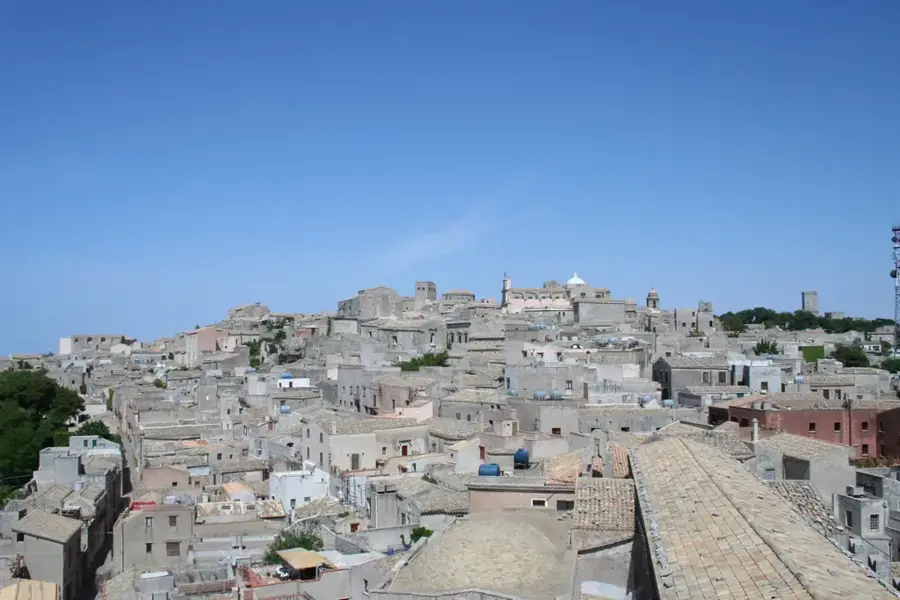
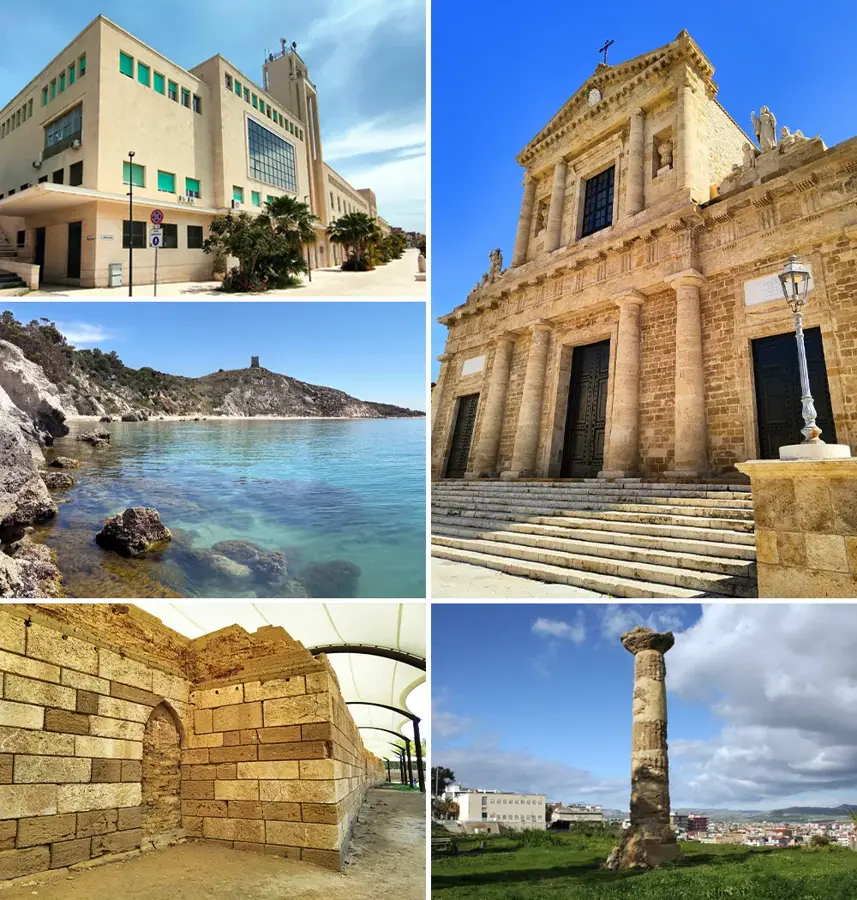
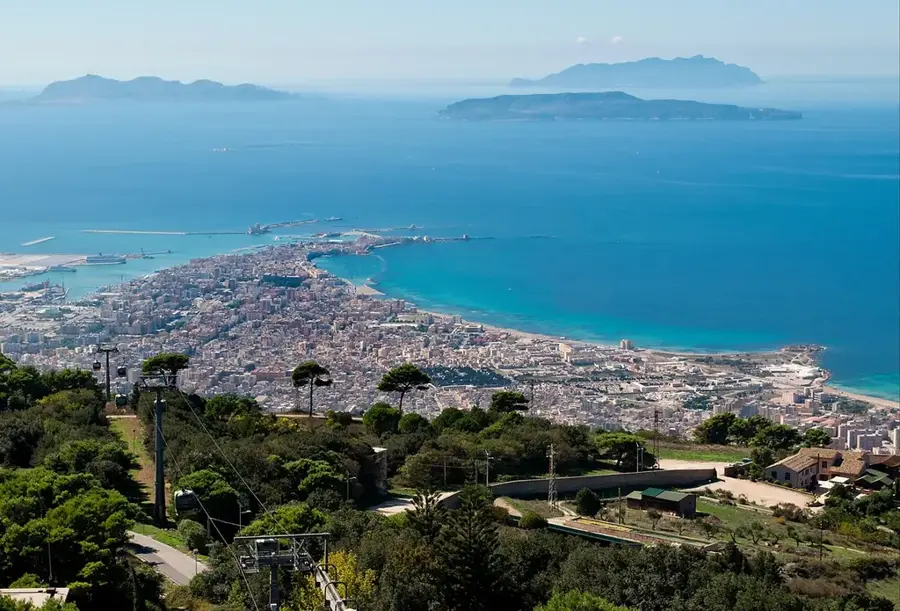
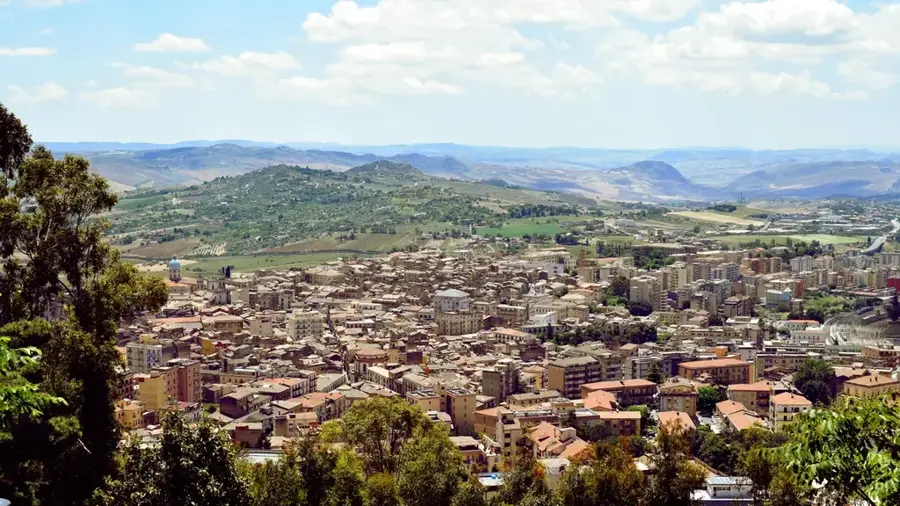
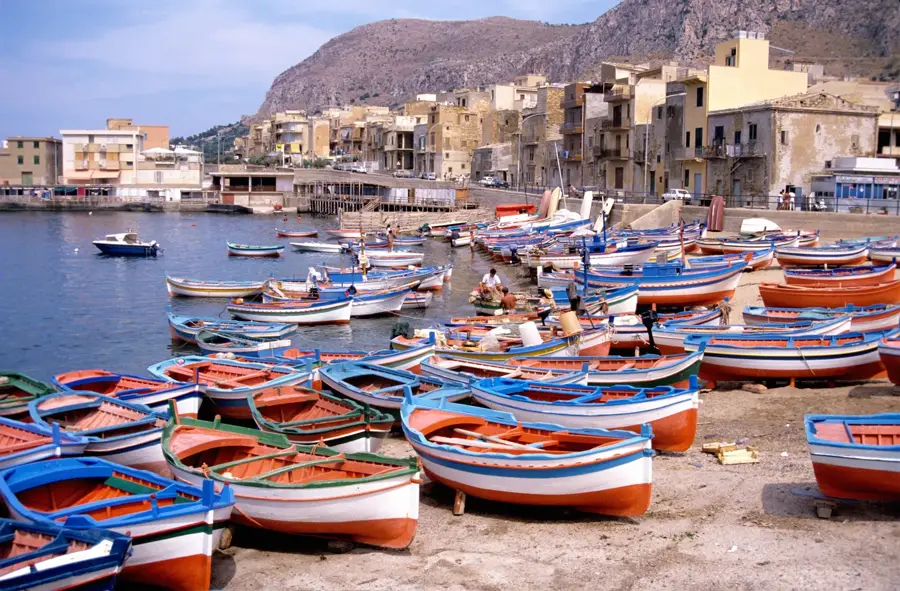
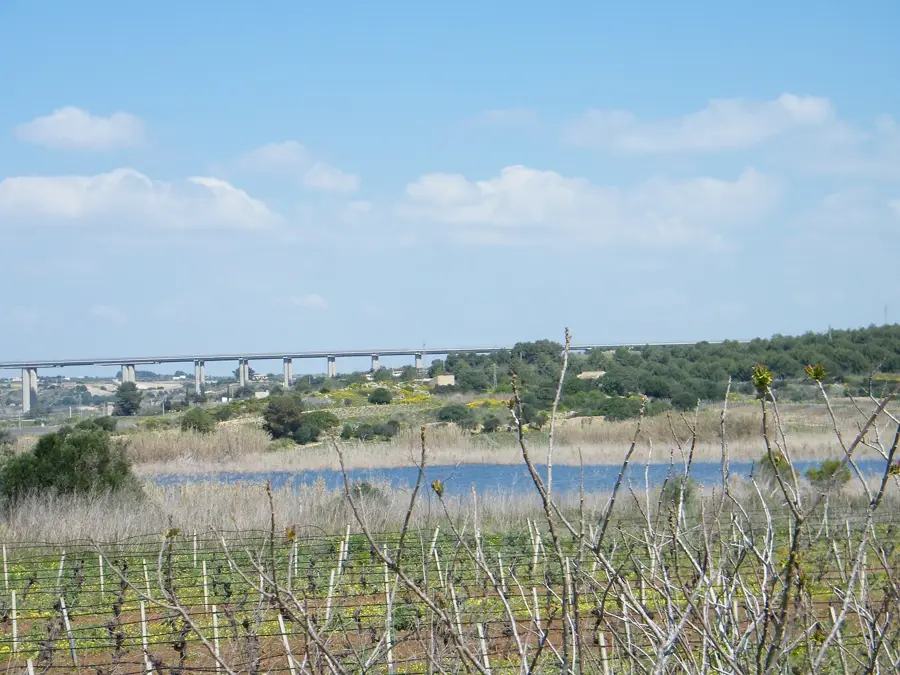
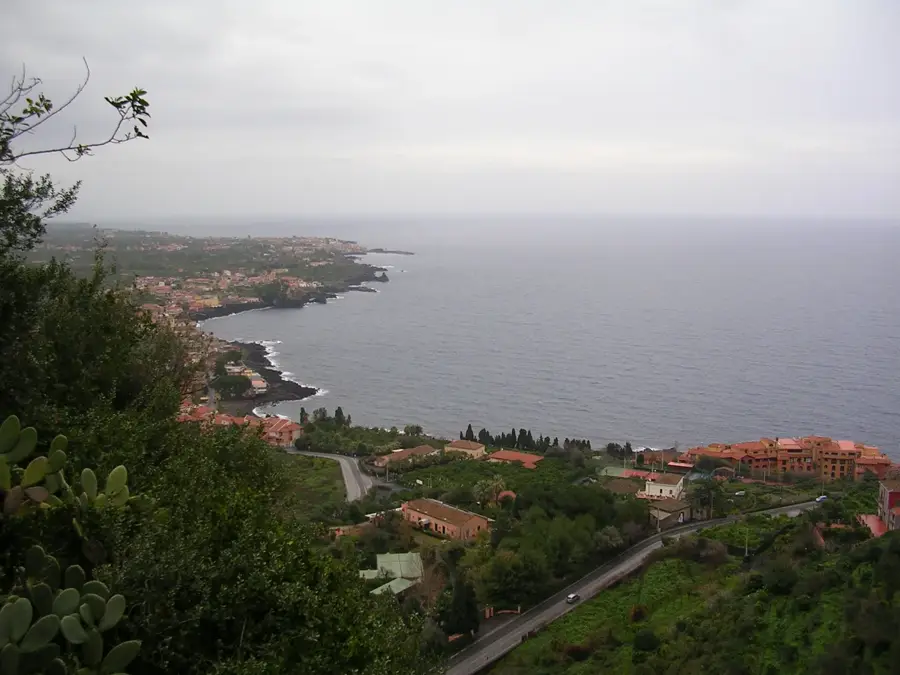
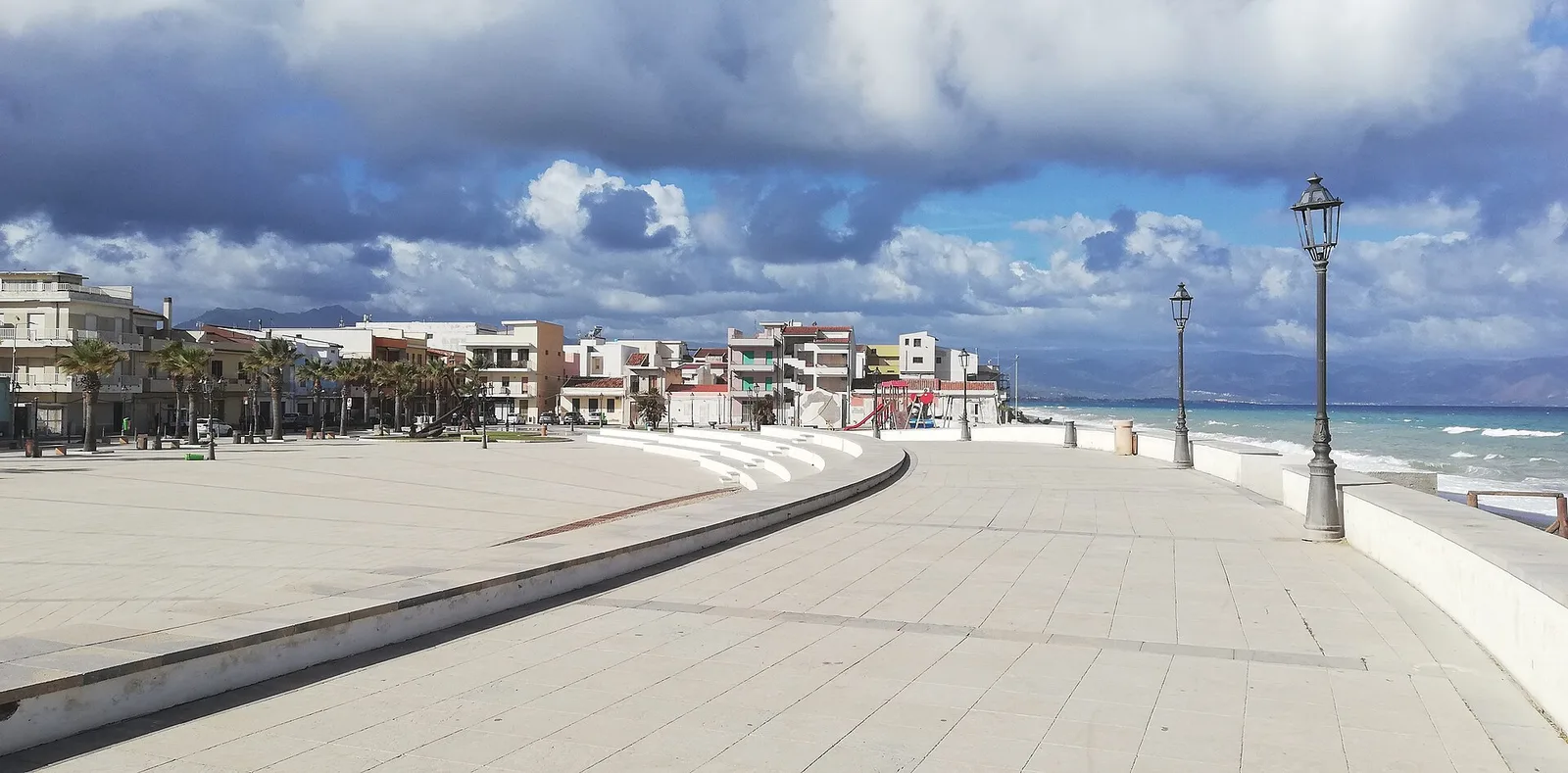
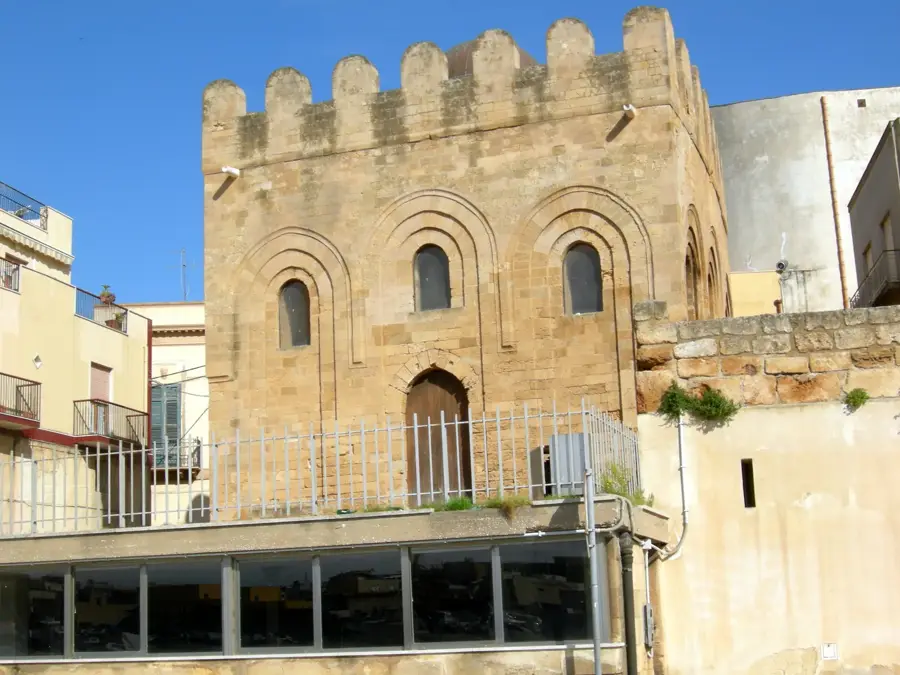
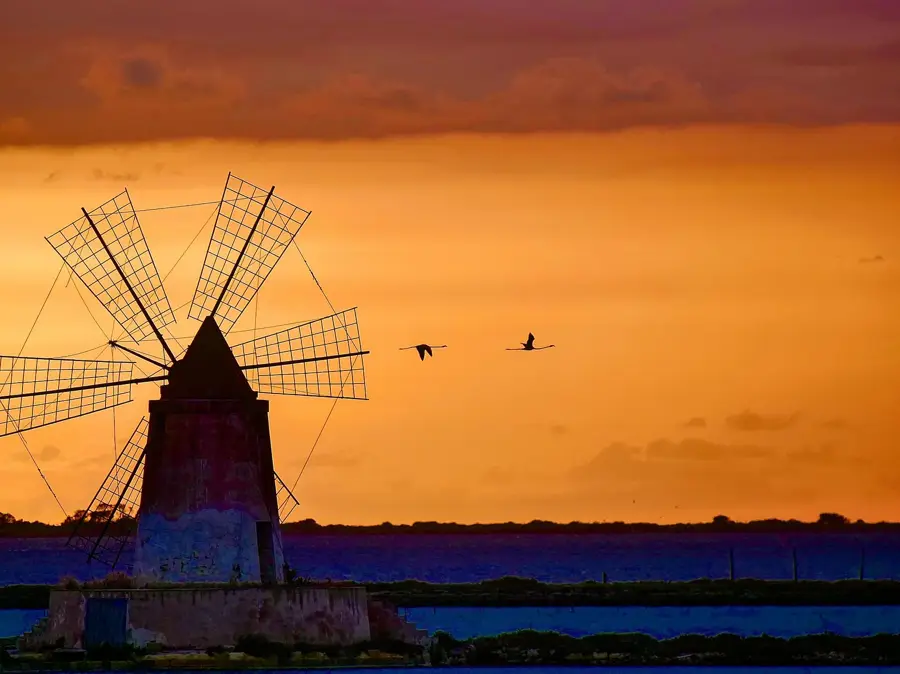
Marsala is located at the westernmost tip of Sicily and is a city of profound historical significance dating back to the Phoenicians. It became world-famous for its namesake Marsala wine, discovered and exported by English merchants in the 18th century. Historic wine cellars like Florio or Pellegrino still define the cityscape today, offering insights into the traditional production of this fortified wine. Along the coast stretch the famous salt pans of Marsala with their characteristic windmills. These form a unique lagoon landscape within the Stagnone Nature Reserve, which also houses the Phoenician island of Mozia. In the city, the Museo degli Arazzi showcases Flemish tapestries, while the Baglio Anselmi Archaeological Museum holds a rare Punic shipwreck. Marsala played a pivotal role in Italian history as the site where Giuseppe Garibaldi landed in 1860 with his 'Redshirts' to initiate the unification of Italy. The old town charms with Baroque palaces and the imposing Porta Garibaldi city gate. Marsala is easily accessible by train from Trapani or by car. The best time to visit is late afternoon, when the sun sets over the salt pans, bathing the landscape in golden light.

Best time to visit & climate

The most pleasant time to visit is May, Jun, Oct.

JanFebMarAprMayJunJulAugSepOctNovDec
Avg °C131213151923262724211714
Rain mm71645544281481561787776

📋 Practical info

🚪
Visiting
Marsala can be visited throughout; the historic center, salt pans, and Garibaldi's landing sites are publicly accessible.
🕒
Typical hours
The city is walkable at any time. The salt pans are typically accessible from March to October during daylight; museums have standard hours.
📷
Photography
Photography is allowed everywhere; the salt mounds at sunset and the Baroque buildings in the city center are especially worthwhile.
⏱️
Time needed
Allow about half a day to explore the old town, the salt pans, and enjoy a wine tasting.
Combine with
Combine Marsala with a trip to Trapani (about 30 km) or the Egadi Islands, reachable by ferry.
🧭
Getting there
Marsala is reachable by car, train, or bus. The train station is in the center; the salt pans are walkable or bikeable.
💡
Insider tip
Visit the salt pans in the late afternoon - the light tints the salt crystals pink, and flamingos are often seen.

Geography

Population
77,915 (2015)
Coordinates
37.79806, 12.43417

Facts

  • Origin of Marsala wine
  • Historic salt pans with windmills
  • Garibaldi's landing site (1860)
  • Archaeological island of Mozia
  • Punic ship in the museum
  • Baroque old town architecture
  • Stagnone Nature Reserve
  • Flemish tapestries museum

Explore nearby

Notable places around
Route planner — Car & Motorhome

Where do you start? We build the route here, with stops and country notes along the way.

Vehicle
Only stops with (optional):

© OpenStreetMap contributors · OpenRouteService

Sights in the town Marsala (16)

Museo degli Arazzi🏛 museum

Museum of Flemish tapestries housed in the former Jesuit college in Marsala.

🕒 Tu, Th 09:00-13:00, 16:30-19:30; We, Fr-Su 09:00-13:00

Palazzo Fici📍 landmark

A historic palazzo in the old town of Marsala.

Capo Lilybeo🏺 historical

The ancient cape of Lilybaeum, site of the Punic settlement.

Teatro Finestre sul mondo🎭 culture

A contemporary theatre hosting international performances.

Teatro Comunale Maestro Eliodoro Sollima🎭 culture

A neoclassical theatre named after composer Eliodoro Sollima.

🕒 Tu-Sa 09:00-13:00; Su 10:00-13:00

Museo e Chiesa del Carmine🏛 museum

Museum and church of the Carmine with a 17th-century altarpiece in Marsala.

Bastione San Francesco📍 landmark

A 16th-century bastion fortification.

Teatro Impero🎭 culture

Art Deco cinema-theatre built in 1938 in Marsala.

Parco Archeologico di Lilibeo🏺 historical

The Parco Archeologico di Lilibeo is an archaeological site in Marsala, preserving the remains of the ancient city of Lilybaeum.

Museo Archeologico Baglio Anselmi🏛 museum

The Museo Archeologico Baglio Anselmi in Marsala is a museum housing regional ancient artifacts, including a Punic ship.

insula romana🏺 historical

Ruins of a Roman residential quarter.

Chiesa della Madonna della Cava⛪ religious

Church dedicated to Our Lady of the Quarry, built into a cave in Marsala.

Ipogeo Crispia Salvia📍 landmark

An ancient Roman underground tomb chamber.

Bastione San Giacomo🏰 castle

Bastione San Giacomo is a historic defensive bastion forming part of the castle structures in Marsala.

Bastione Sant'Antonio🏰 castle

A coastal bastion fortress from the Spanish period.

Chiesa di San Matteo⛪ religious

Church of St. Matthew with a Baroque facade in Marsala.

Sights nearby

Frequently asked questions

What is Marsala famous for worldwide?
For its fortified 'Marsala' wine and the landing of Garibaldi in 1860.
Can you visit the wine cellars?
Yes, historic cellars like Florio or Pellegrino offer guided tours and tastings.
What are the Marsala salt pans?
Ancient sea salt extraction sites with windmills in the Stagnone lagoon.
How to get to Mozia island?
Small boats run regularly to the island from the piers near the salt pans.
Where to see the best sunset?
At the Ettore and Infersa salt pans, where the sun reflects beautifully on the water.
Marsala: where is it located?
Marsala is located in Italy.
Marsala: what is there to see?
Highlights include Museo degli Arazzi, Palazzo Fici, Capo Lilybeo.
Marsala: when is the best time to visit?
The most pleasant time to visit is May, Jun, Oct.
Marsala: why is it worth visiting?
Marsala is located at the westernmost tip of Sicily and is a city of profound historical significance dating back to the Phoenicians.
View on map → The Top 50 Attractions → Most beautiful beaches → OpenStreetMap →
Europe
Explore with Plizio Discover more places in Europe
More places in Italy →

Nearby cities

History & landmarks
More places