Plizio Visual Lab
Bhunya
ℹ️Practical info — Bhunya
▾
🌤 Weather — 5 days
📍 Nearby
Sights nearby
💡 Tips
- The town is small and industrial, so it's best explored as a brief stopover while visiting the surrounding Usutu Forest.
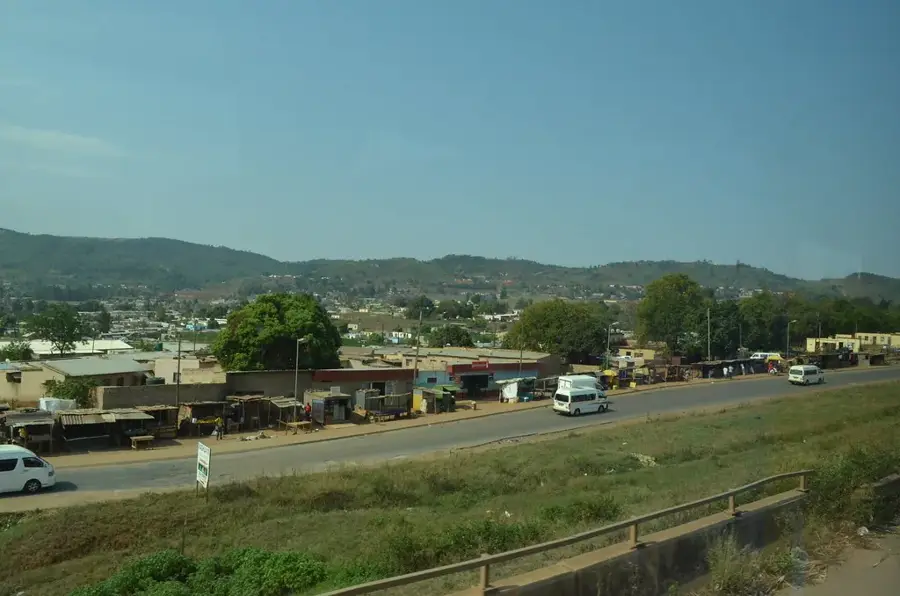
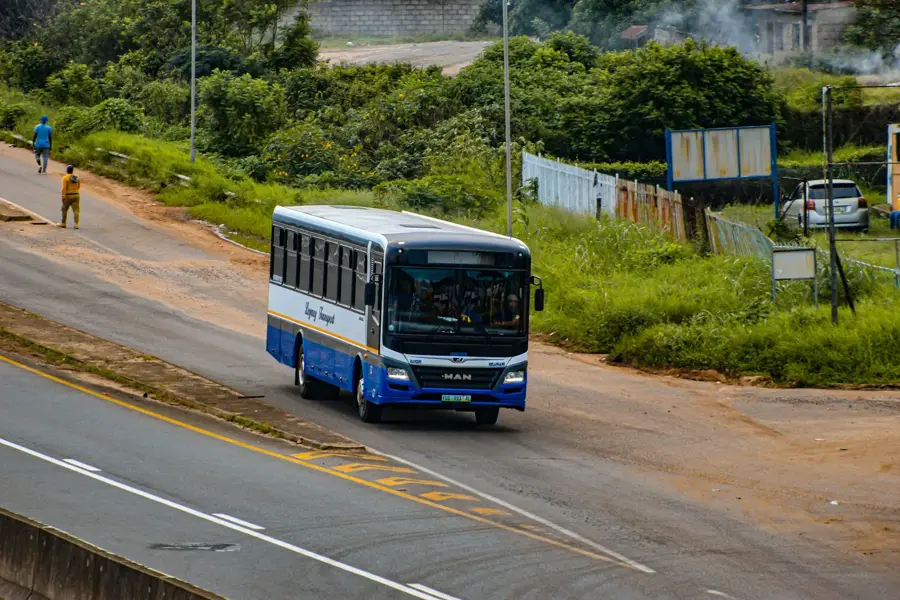
- Public transport (kumbis) operates on a fill-up-and-go basis; travel early in the day for the most reliable service.
- Cash is essential here, as card machines may be scarce in local shops.
- Keep a respectful distance from the active industrial zones and timber processing areas.
🍽 Food
Traditional Swazi barbecue, often found at informal local roadside stalls on the outskirts.
The staple maize porridge served with a hearty beef or bean stew at local eateries.
The local premium lager, perfectly enjoyed ice-cold at a small local tavern after a long walk.
🛍 Shopping · 🧘 Quiet spots
Occasional vendors along the main road selling carved wood or grass-woven items from the surrounding villages.
A small local market for fresh produce and basic daily necessities.
The vast pine plantations surrounding the town offer peaceful walking paths (check local access rules).
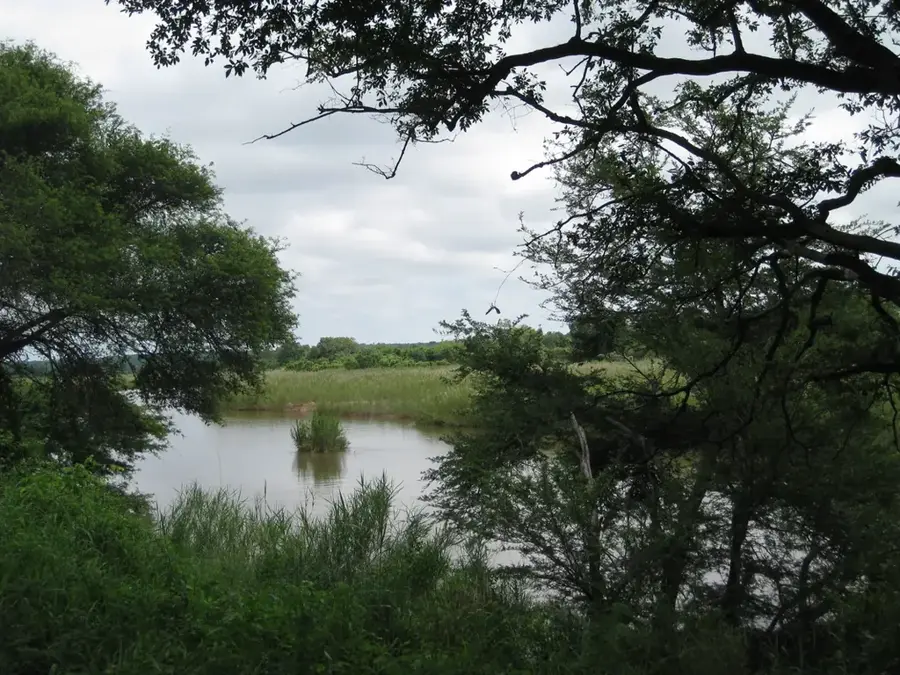
Find a calm spot along the river just outside town for birdwatching and relaxation.
Water temperature…
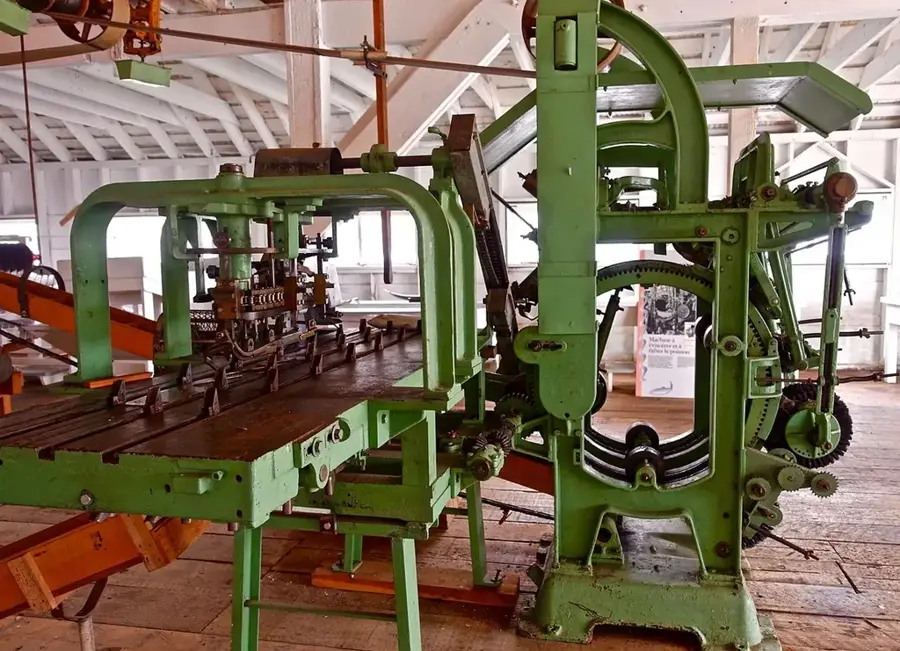
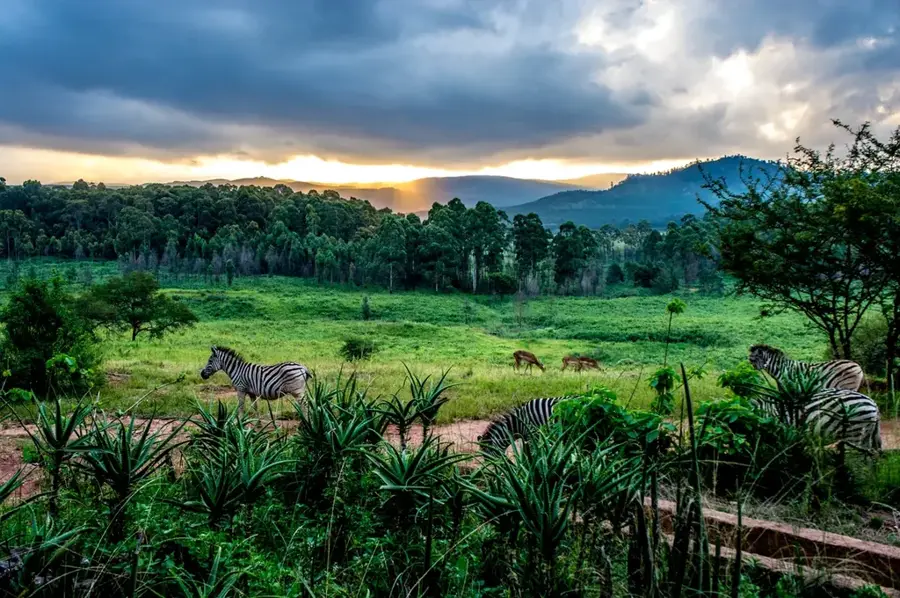
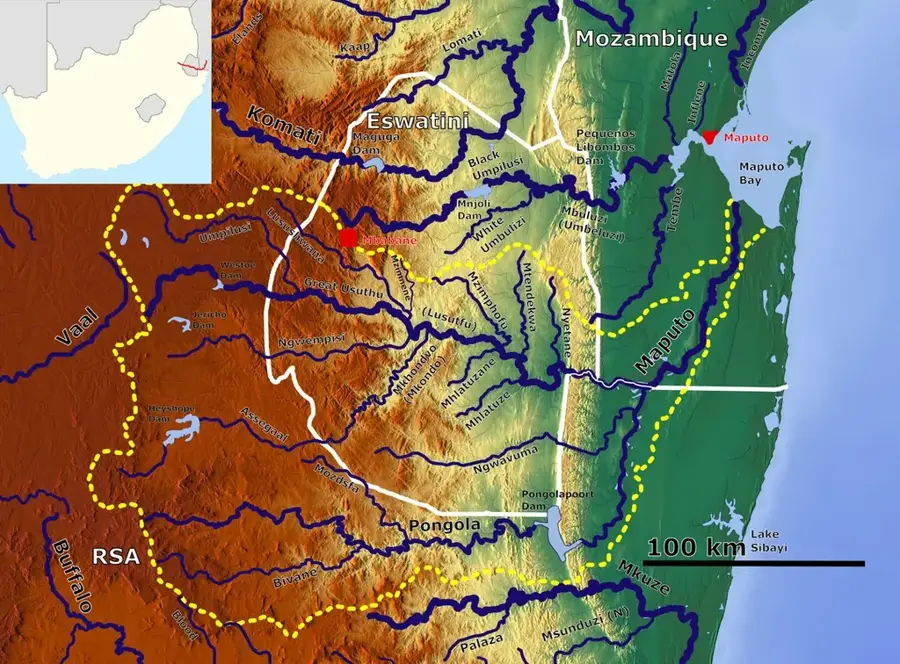
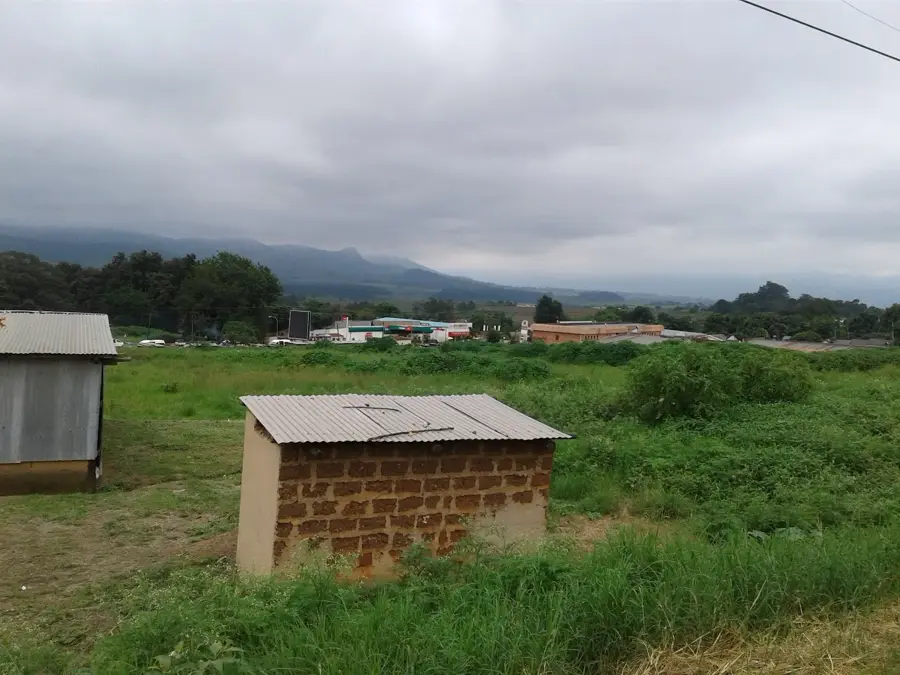
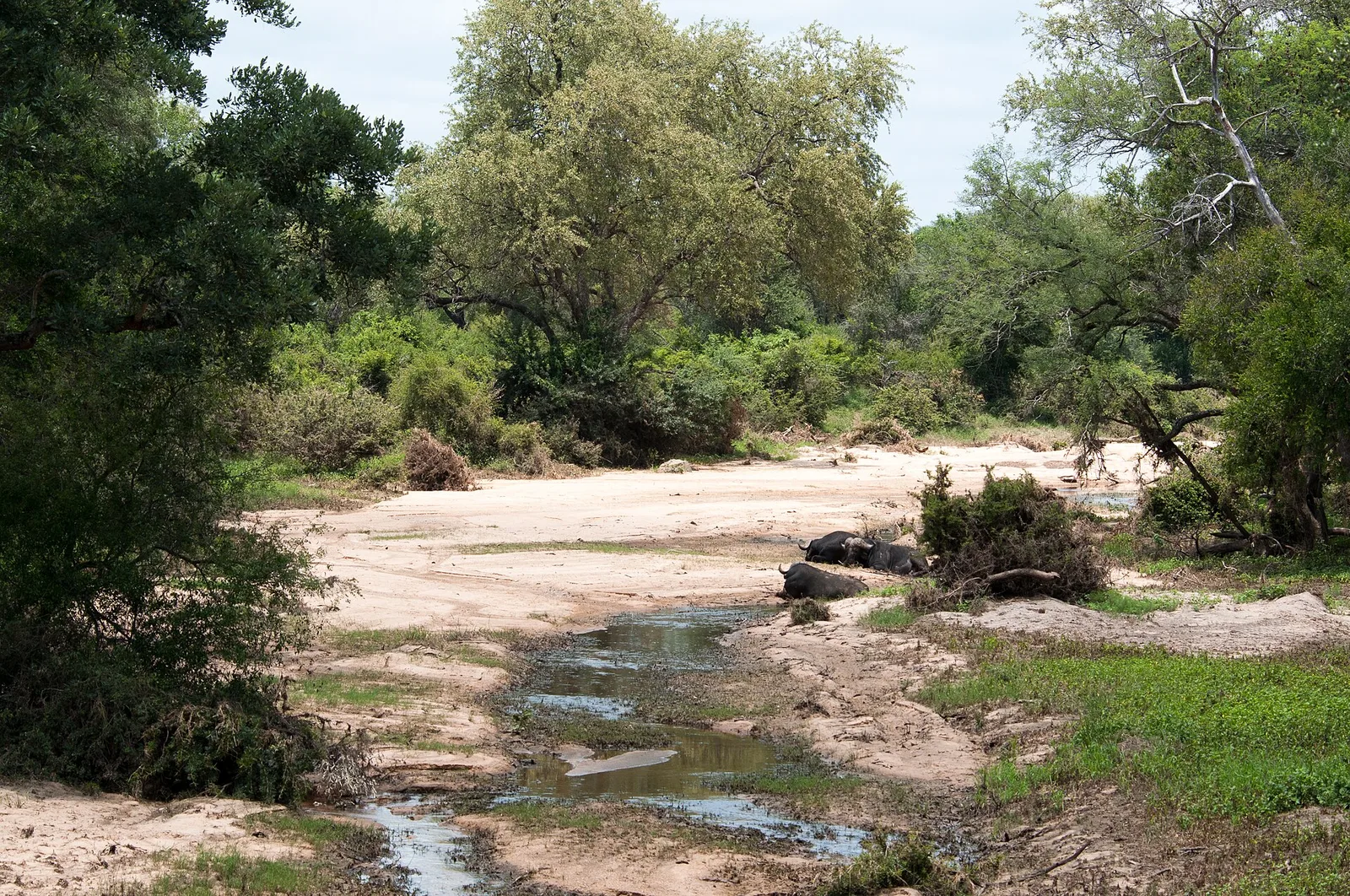
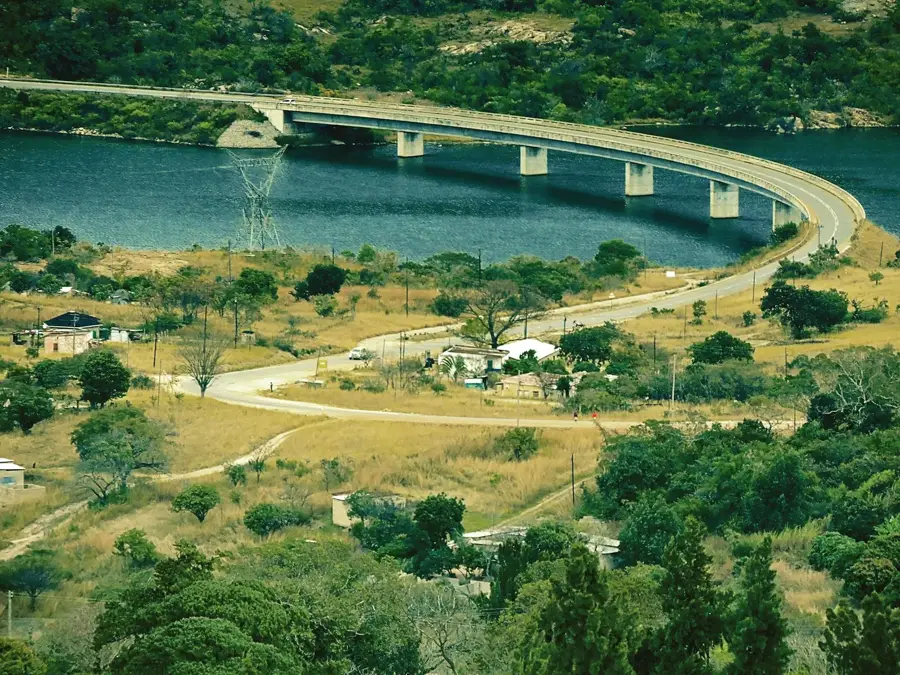
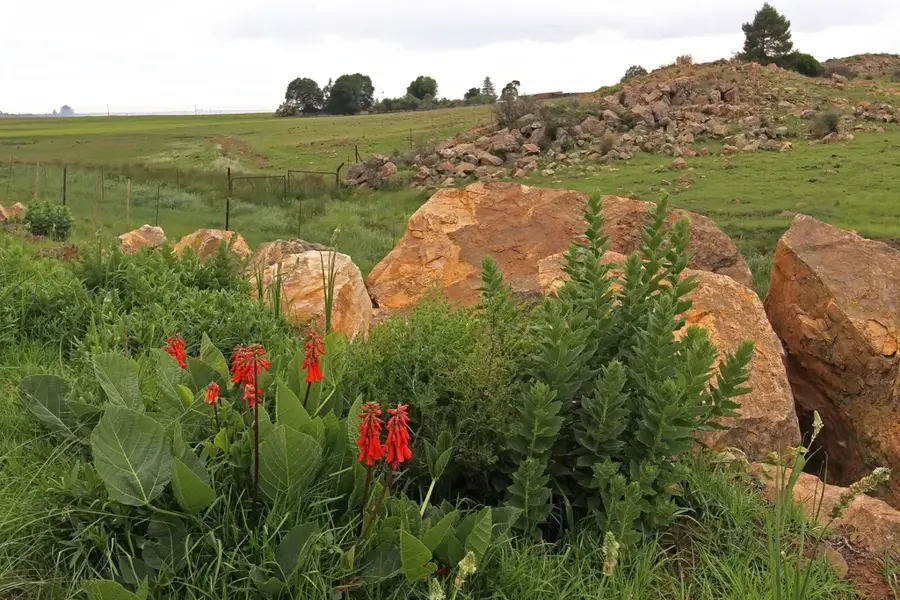
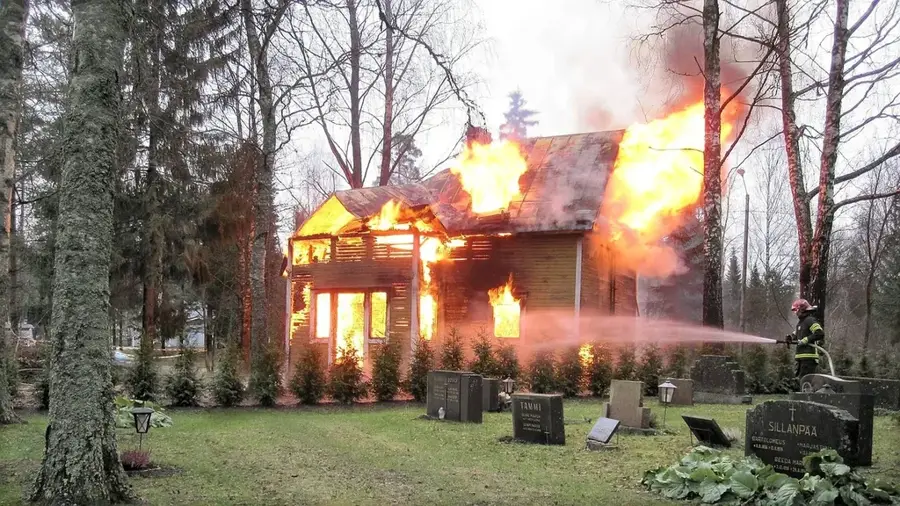
Bhunya lies in the western Manzini District, set in the vast pine forests of the Usutu Forest. Until 2010 the town was the heart of Africa's largest pulp mill: the Sappi Usutu Pulp Mill, built in 1961, employed more than 4,000 people at its peak and processed about 220,000 tonnes of pine wood per year into pulp for the world market. The closure of the mill after a major fire severely hit the local economy, causing the population to shrink significantly. Today Bhunya is undergoing structural change: parts of the forest area have been sold to Montigny Investments, and new initiatives are emerging around timber processing, bioenergy and eco-tourism. The town itself sits picturesquely at around 700 meters elevation, surrounded by endless dark-green pine, eucalyptus and acacia forests that define much of the Highveld region. The climate brings cool summers and mild winters; occasional mists lend the region an almost Scottish atmosphere. Bhunya is also a starting point for hikes to the Mahamba and Phophonyane Falls and to the Mlilwane Wildlife Sanctuary. Its former industrial heritage and quiet mountain setting give Bhunya an unusual, almost melancholy character.
- Location: Eswatini
- Nearby: Mhlambanyatsi (9 km)
- Population: ~3.046 (2024)
Best time to visit & climate
The most pleasant time to visit is Apr, Sep, Oct.
| Jan | Feb | Mar | Apr | May | Jun | Jul | Aug | Sep | Oct | Nov | Dec | |
|---|---|---|---|---|---|---|---|---|---|---|---|---|
| Avg °C | 23 | 23 | 22 | 19 | 17 | 15 | 14 | 17 | 20 | 21 | 22 | 23 |
| Rain mm | 137 | 96 | 86 | 53 | 16 | 10 | 12 | 13 | 29 | 59 | 104 | 122 |
Geography
Facts
- Bhunya is situated at an elevation of about 820 meters in the Middleveld of Eswatini.
- The Usutu forests around Bhunya are among the largest man-made forests in the world.
- The Great Usutu River is used for cooling industrial plants and for irrigation purposes.
- Bhunya hosts a significant regional hospital established by the industry.
- The town is connected directly to the South African border post of Sandlane via a main road.
- The local economy is increasingly diversifying into other timber products such as sawmill exports.
Explore nearby
Notable places around



Route planner — Car & Motorhome
Where do you start? We build the route here, with stops and country notes along the way.
© OpenStreetMap contributors · OpenRouteService
Frequently asked questions
How many days for Bhunya?
When should one travel to Bhunya?
How to get to Bhunya?
What food is available in Bhunya?
Is Bhunya suitable for a family visit?
Bhunya: where is it located?
Bhunya: when is the best time to visit?
Bhunya: why is it worth visiting?

Nearby cities


History & landmarks

Nature
More places