Plizio Visual Lab
Bhunya Pulp Mill
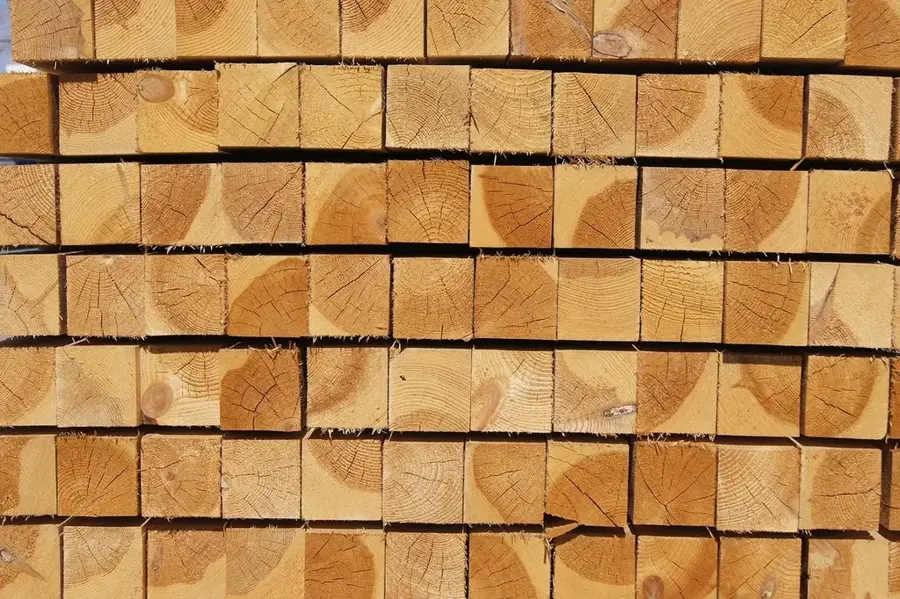
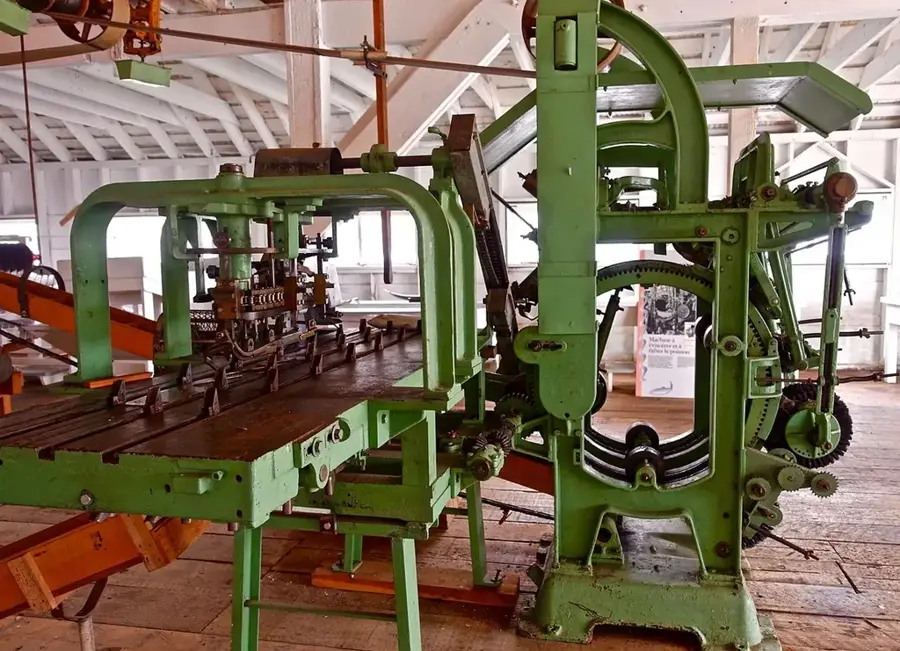
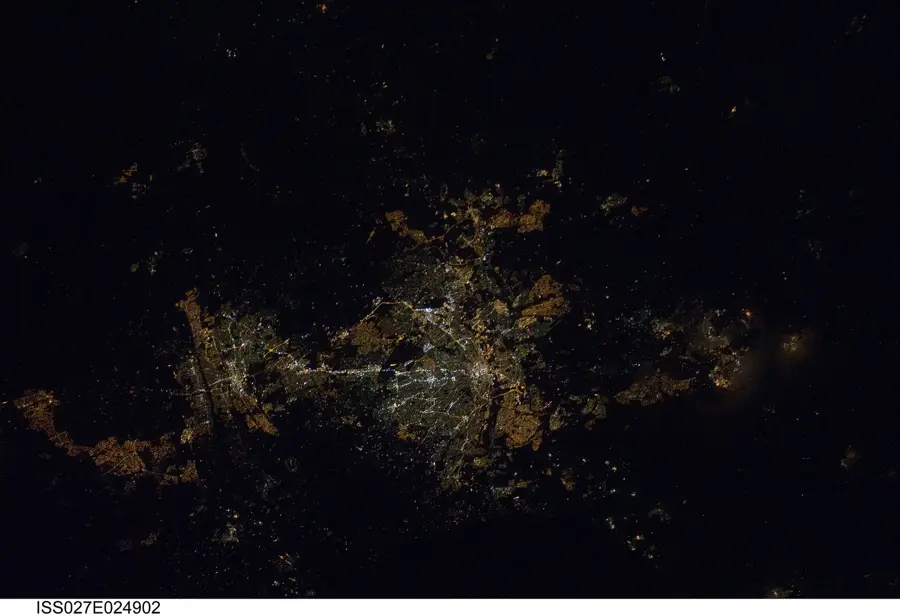
The Bhunya Pulp Mill was for decades the industrial heart of the Usutu Forest region and one of Eswatini's most significant economic enterprises. Established to process timber from the vast Usutu Forest, one of the world's largest man-made forests, the mill specialized in producing unbleached kraft pulp. This commodity was exported globally for the manufacture of packaging paper and industrial cardboard. Bhunya evolved as a quintessential company town, where the mill provided housing, education, and healthcare for its large workforce. While the facility has faced operational challenges and periods of closure due to market conditions and environmental factors, the site remains a vital asset for the national timber industry. Recent initiatives have focused on revitalizing the infrastructure with new investments in wood processing technology. The mill's presence is central to the livelihoods of thousands in the Highveld, and its logistical integration with the surrounding forest estates continues to be a cornerstone of Eswatini's industrial strategy.
- Location: Eswatini
- Nearby: Mhlambanyatsi (9 km)
Best time to visit & climate
The most pleasant time to visit is Apr, Sep, Oct.
| Jan | Feb | Mar | Apr | May | Jun | Jul | Aug | Sep | Oct | Nov | Dec | |
|---|---|---|---|---|---|---|---|---|---|---|---|---|
| Avg °C | 23 | 23 | 22 | 19 | 17 | 15 | 14 | 17 | 20 | 21 | 22 | 23 |
| Rain mm | 137 | 96 | 86 | 53 | 16 | 10 | 12 | 13 | 29 | 59 | 104 | 122 |
📋 Practical info
Geography
Facts
- Bhunya processed timber from the 65,000-hectare man-made Usutu Forest
- The mill specialized in the production of unbleached kraft pulp
- The Bhunya settlement was established as a purpose-built industrial town
- In the 1990s, the mill was one of Eswatini's top foreign exchange earners
- The site was originally supported by the Commonwealth Development Corporation
- Current redevelopment plans involve modern sustainable biomass processing
Explore nearby
Notable places around

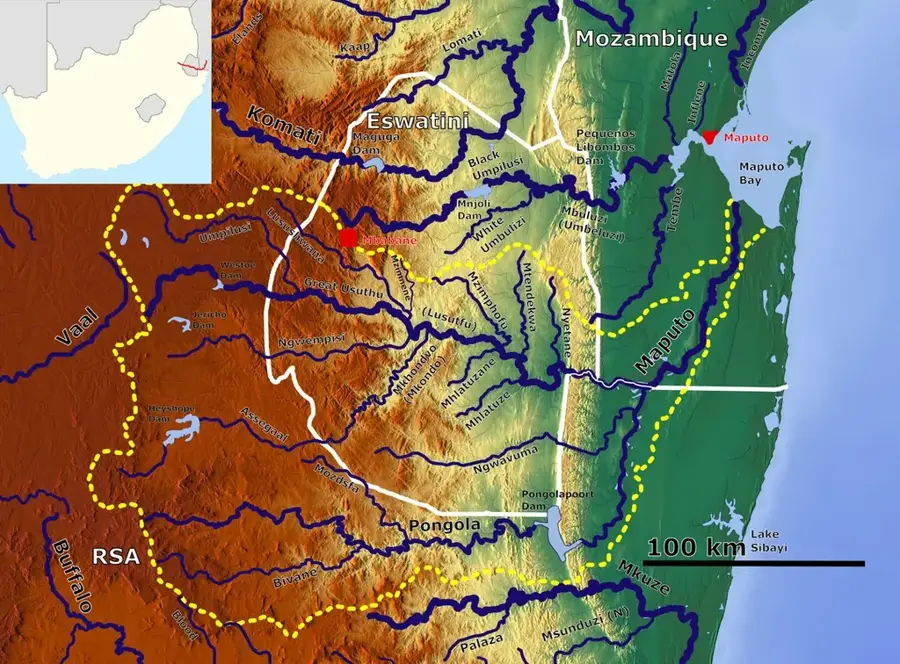


Route planner — Car & Motorhome
Where do you start? We build the route here, with stops and country notes along the way.
© OpenStreetMap contributors · OpenRouteService
Sights nearby
Frequently asked questions
What is made at the Bhunya pulp mill?
Is the mill a tourist destination?
What impact does the mill have on the area?
Are there ecological specifics?
Is the site safe?
Bhunya Pulp Mill: where is it located?
Bhunya Pulp Mill: when is the best time to visit?
Bhunya Pulp Mill: why is it worth visiting?

Nearby cities
History & landmarks
Nature
More places