Plizio Visual Lab

Komati River
Plizio editorial teamData Sources
River
—°2
Komati River (Eswatini)

Weather…

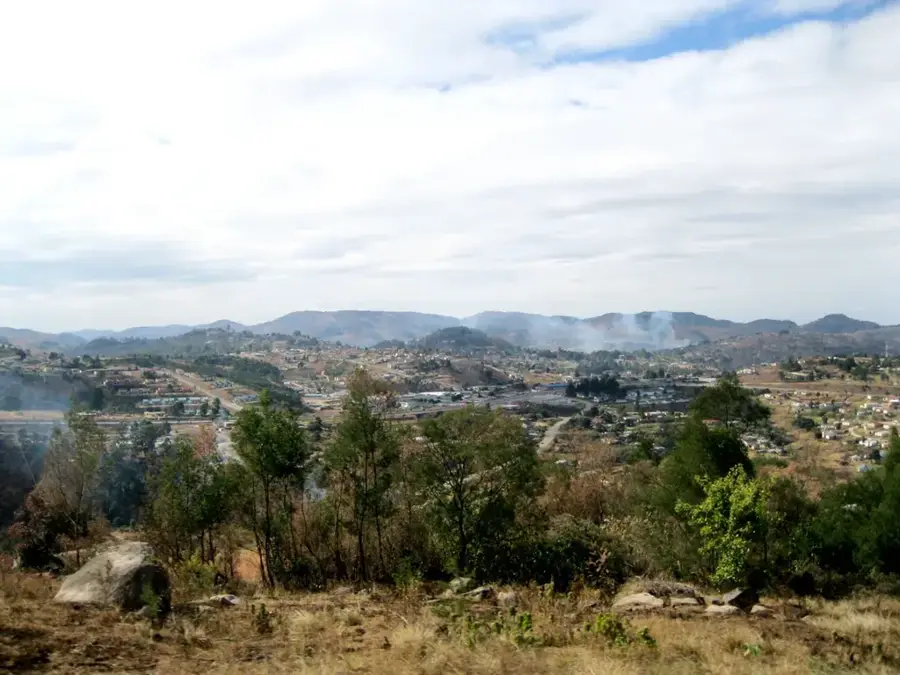
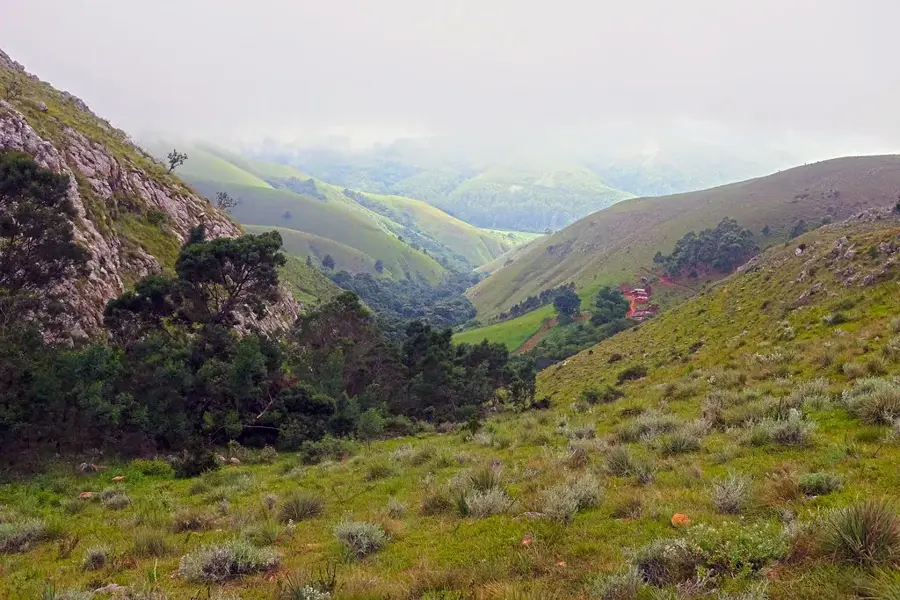
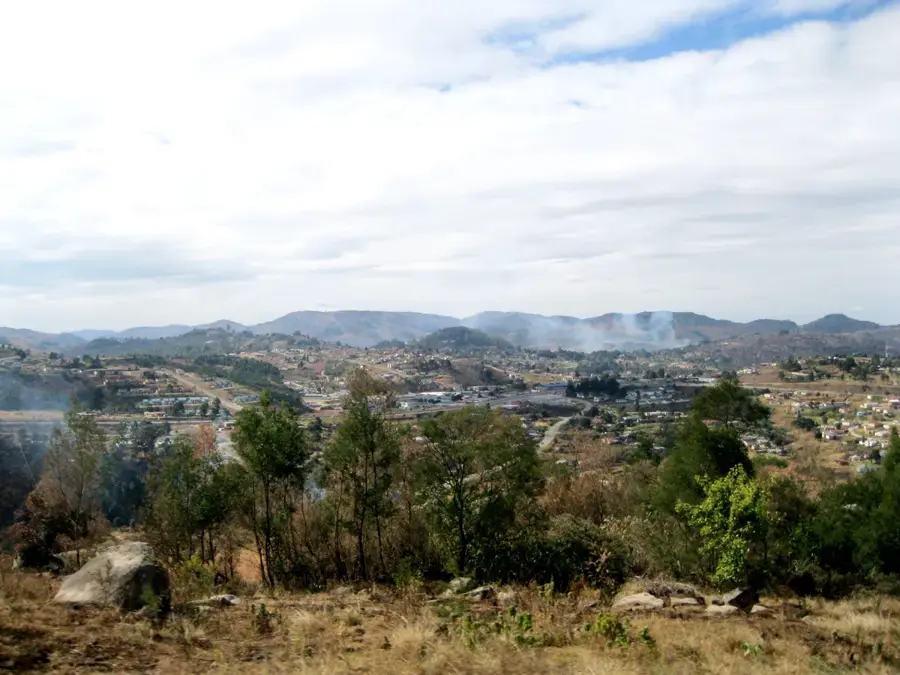
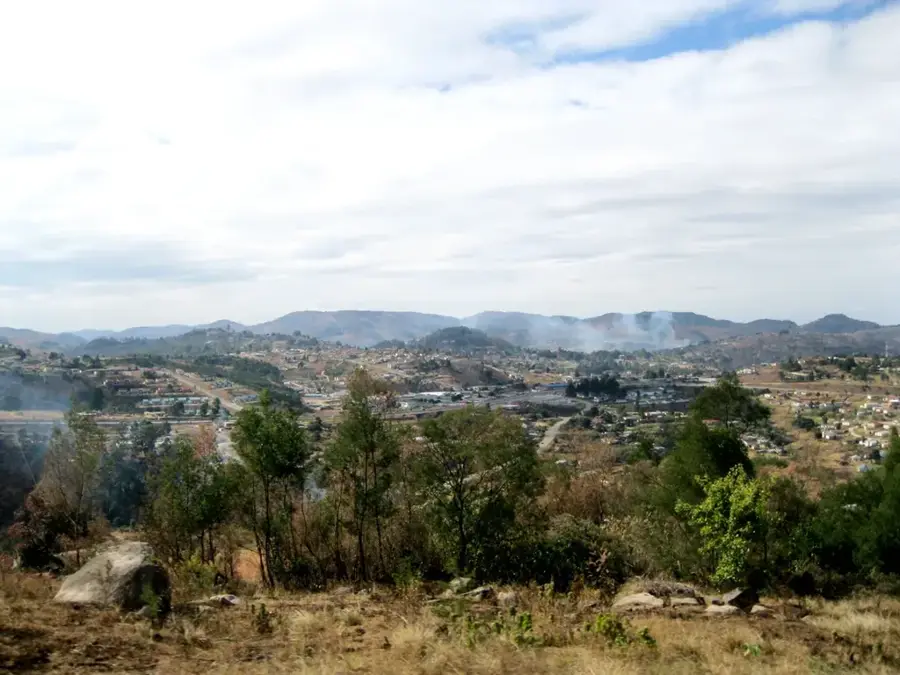
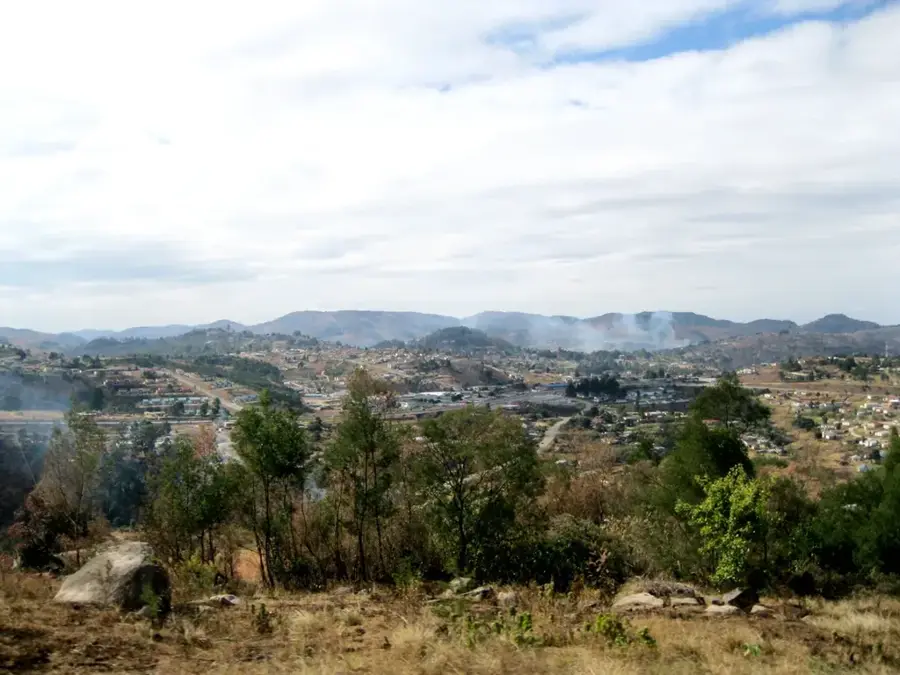
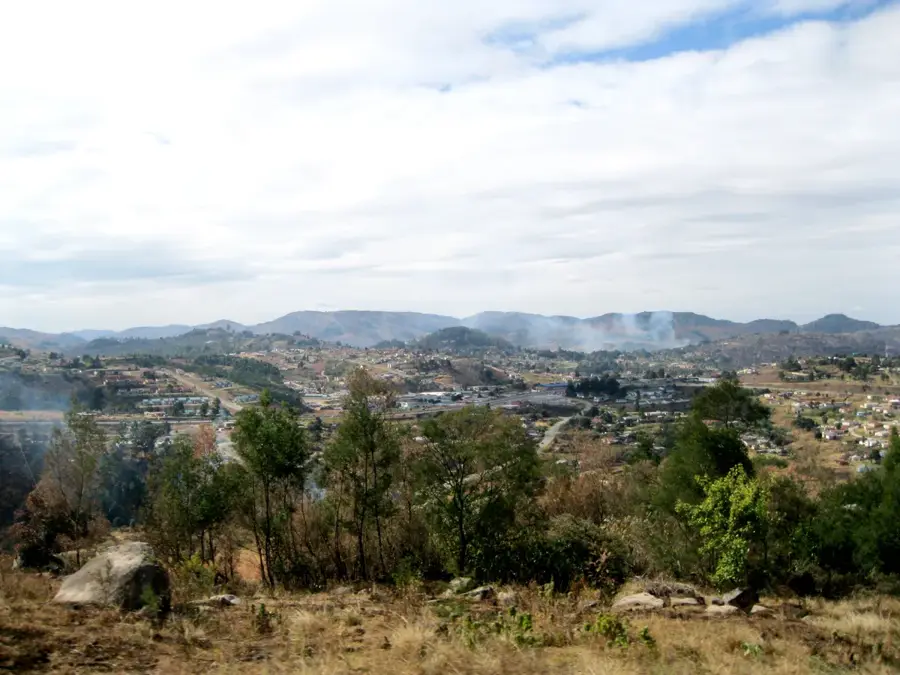
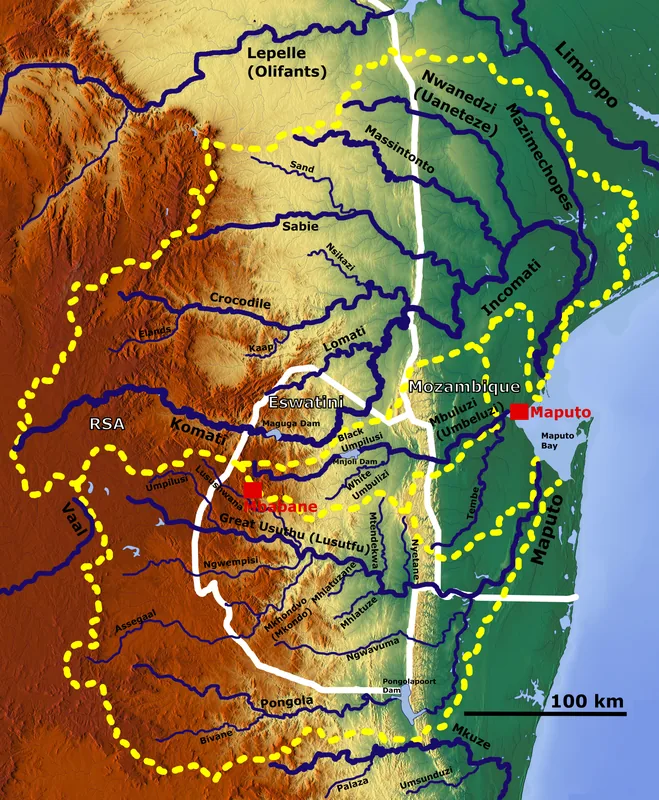
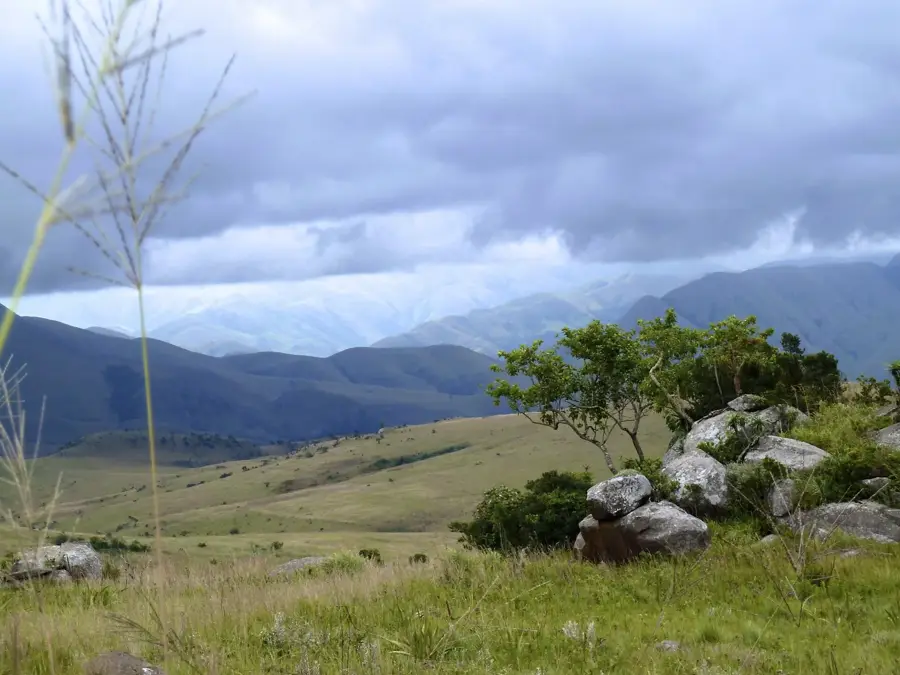
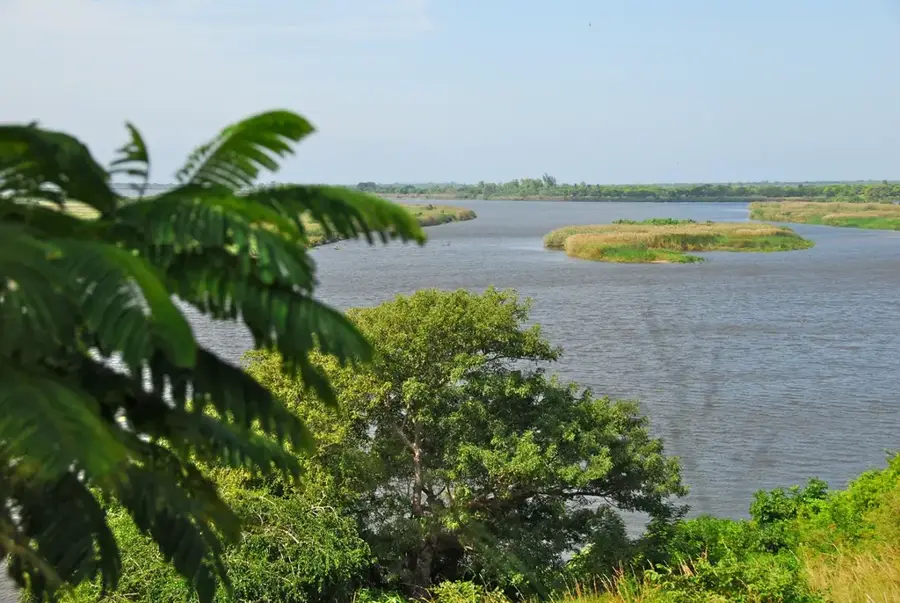
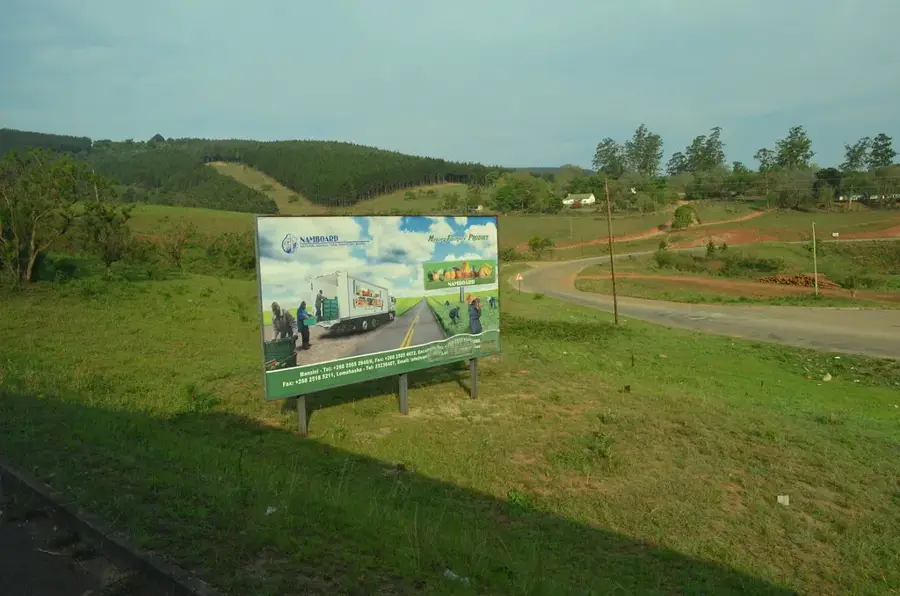
The Komati River is a prominent waterway in Southern Africa, flowing through South Africa, Eswatini, and Mozambique. In Eswatini, it traverses the northern part of the country, where it has gained immense economic importance following the construction of the massive Maguga Dam. The river originates near Ermelo in South Africa and winds through the mountainous terrain of the Highveld, creating deep valleys and fertile riparian zones. The Maguga Dam, one of the country's largest infrastructure projects, serves dual purposes: hydroelectric power generation and the irrigation of agricultural lands, thereby enhancing regional food security. Ecologically, the Komati supports a rich biodiversity, hosting numerous native fish species and a variety of birds that nest in the wetlands along its banks. The scenic backdrop of the river and its reservoir increasingly attracts tourists who enjoy activities such as fishing, boating, and wildlife viewing.

Best time to visit & climate

The most pleasant time to visit is May, Sep, Oct.

JanFebMarAprMayJunJulAugSepOctNovDec
Avg °C232322191715151719212223
Rain mm1429783541491012275899125

📋 Practical info

🧭
Getting there
The Komati River is easily accessible via the MR1 highway that crosses the northern highlands of Eswatini. Several bridges and viewpoints offer direct access, while agricultural roads and tracks lead closer to the riverbanks near the Maguga Dam area.
📅
Best season
The river and surrounding highlands are photogenic year-round, but the dry winter months from May to September offer comfortable, cooler weather for exploration. The summer months bring heavy rains that dramatically increase the river's flow but can make dirt access tracks slippery and muddy.
⛰️
Terrain & paths
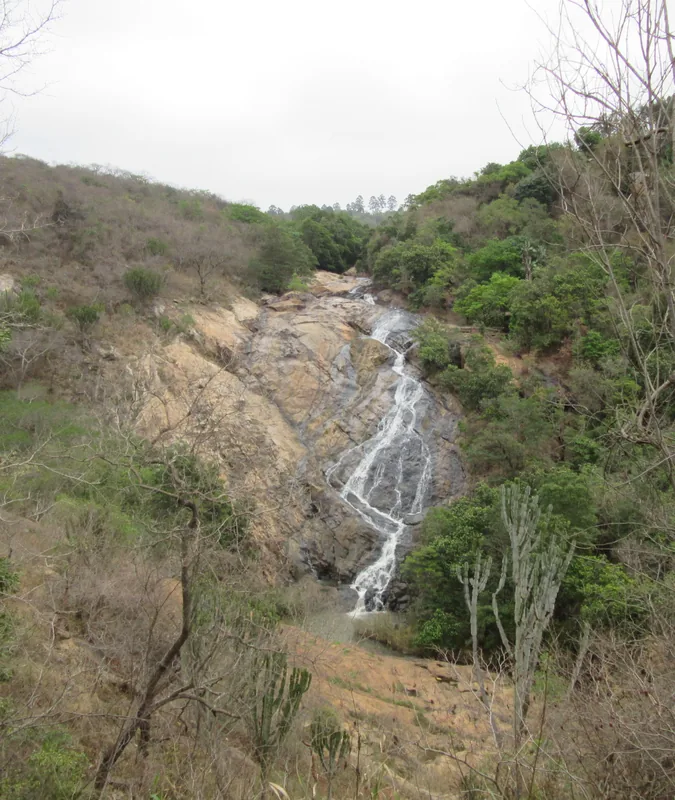
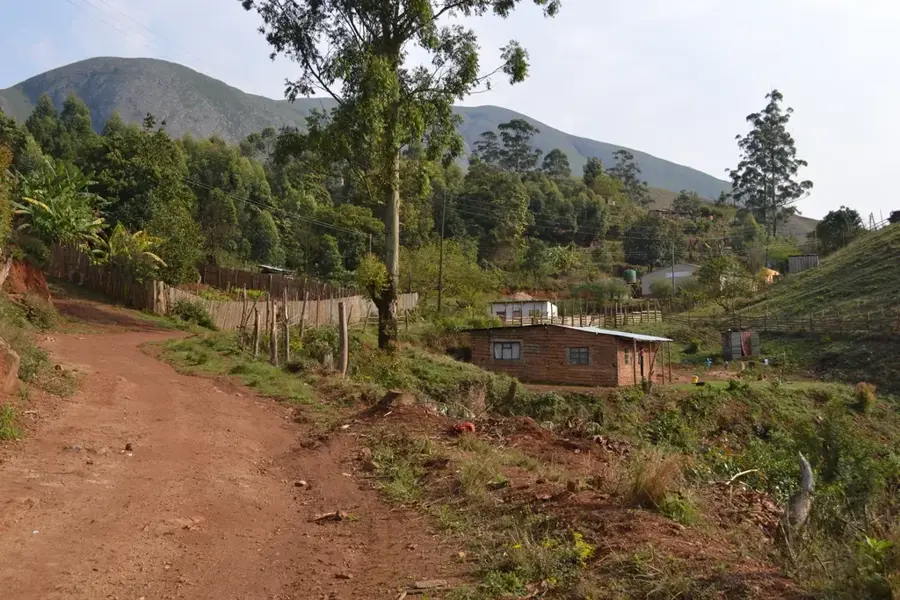
The river cuts through a deeply incised valley in the highlands, flanked by rolling green hills, rocky gorges, and agricultural terraces. While the surrounding hills can be steep, the areas near the dam and established viewpoints offer relatively flat, well-maintained footpaths.
🎒
What to bring
Comfortable walking shoes are sufficient for the main viewpoints, but sturdy hiking boots are recommended for exploring the rocky gorges. Sunscreen, a hat, and binoculars for birdwatching are useful additions, along with a light jacket for the cooler upland breezes.
🅿️
Parking
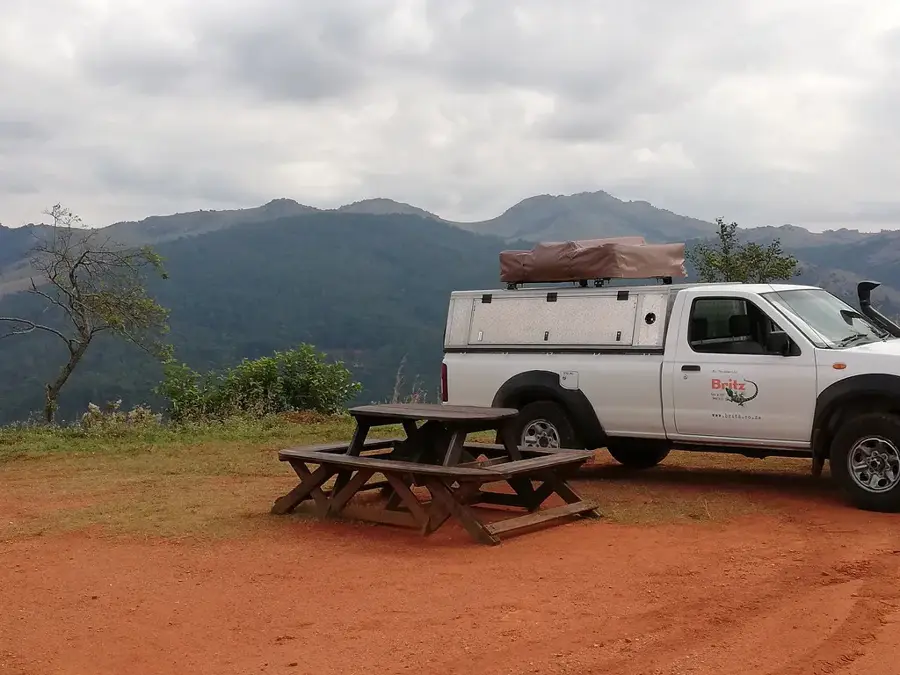
Excellent parking facilities are available at major attractions like the Maguga Dam viewpoint and nearby lodges. For more informal access points along the river, visitors can usually find safe pull-offs along the main paved roads.
⚠️
Safety
Visitors should be cautious of steep drops near the gorges and always stay behind established barriers at viewpoints. While the river is beautiful, swimming is generally discouraged due to strong currents, submerged rocks, and the potential presence of crocodiles or hippos in certain stretches.
⏱️
Time needed
A scenic drive and stops along the Komati River can be easily completed in a half-day excursion. Many visitors choose to spend a full day or overnight in the area, taking advantage of the lodges and recreational activities around the Maguga Dam.

Geography

Coordinates
-26.00000, 31.30000

Facts

  • The Komati River flows through South Africa, Eswatini, and Mozambique.
  • The Maguga Dam on the Komati is the largest dam in Eswatini.
  • The river's name is derived from the Swati word for 'cow' or 'river of cows'.
  • It supports a 19-megawatt hydroelectric power station at Maguga.
  • The river is a critical resource for the Komati Downstream Development Project.
  • It eventually joins the Crocodile River to form the Incomati in Mozambique.

Explore nearby

Notable places around

Route planner — Car & Motorhome

Where do you start? We build the route here, with stops and country notes along the way.

Vehicle
Only stops with (optional):

© OpenStreetMap contributors · OpenRouteService

Sights in the town Komati River (2)

Nsangwini Rock Art📍 landmark

The Nsangwini Rock Art shelter features ancient, bustling San bushman paintings that depict hunting scenes and spiritual figures on a massive rock face.

The Gap📍 landmark

The Gap is a striking geological formation where a powerful river dramatically forces its way through a narrow cleft in the solid rock.

Sights nearby

Frequently asked questions

Are there boat tours on the Komati River?
Guided canoe or boat tours are offered in some tourist sections.
Do you have to watch out for crocodiles?
Yes, crocodiles and hippos live in large parts of the river; caution is advised.
Is the area suitable for hiking?
Yes, the riverside paths offer nice views but are best explored with a guide.
What season is best for a visit?
The winter months from May to August are dry and pleasantly temperate.
Are there nearby lodges?
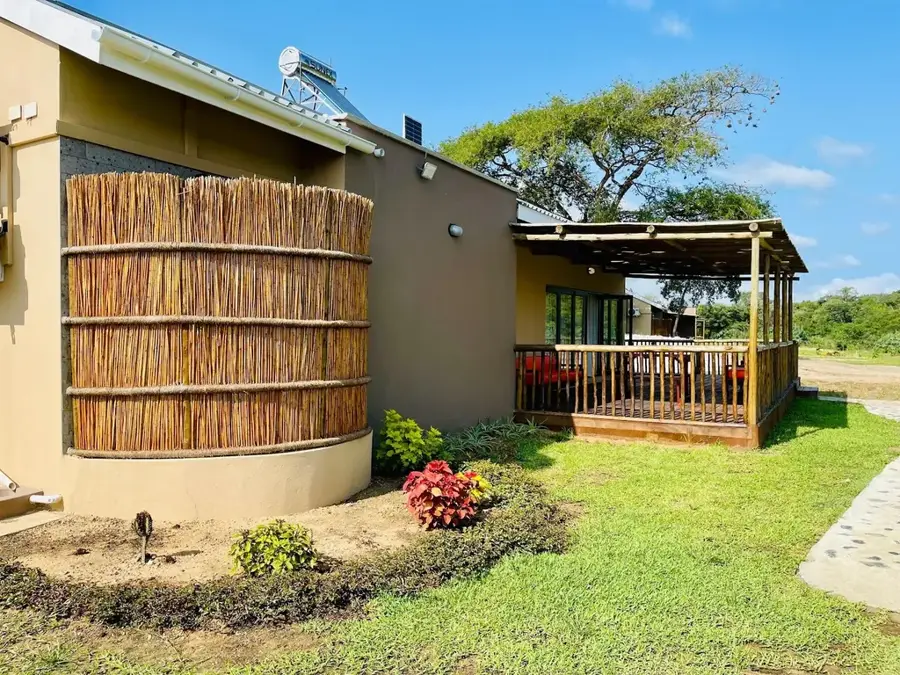
Yes, numerous accommodations can be found along the tourist-accessible sections.
Komati River: where is it located?
Komati River is located in Eswatini.
Komati River: what is there to see?
Highlights include Nsangwini Rock Art, The Gap.
Komati River: when is the best time to visit?
The most pleasant time to visit is May, Sep, Oct.
Komati River: why is it worth visiting?

The Komati River is a prominent waterway in Southern Africa, flowing through South Africa, Eswatini, and Mozambique.
View on map → The Top 50 Attractions → OpenStreetMap →
Africa
Explore with Plizio Discover more places in Africa
More places in Eswatini →

Nearby cities

History & landmarks
Nature
More places