Plizio Visual Lab
Lobamba
ℹ️Practical info — Lobamba
▾
🌤 Weather — 5 days
📍 Nearby
Sights nearby
💡 Tips
- Dress modestly when visiting areas near the royal residences; avoid short skirts and bare shoulders to respect local culture.
- Public minibuses (kombis) are cheap but lack set schedules; ask locals for the right route at the rank.
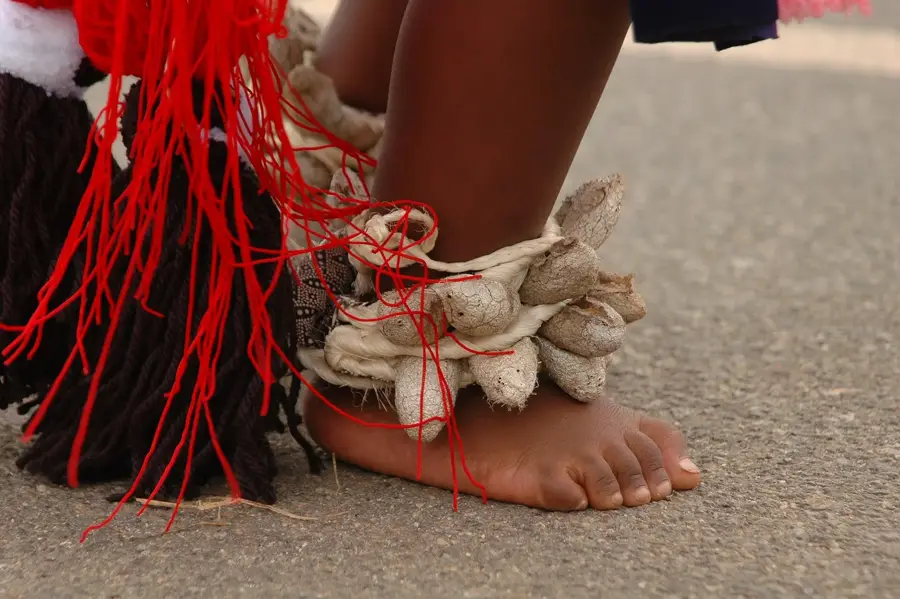
- If traveling during the Umhlanga (Reed Dance) in August/September, book accommodation months in advance.
- Carry cash (Emalangeni or South African Rand, which is widely accepted) as many small vendors do not take cards.
🍽 Food
A thick maize porridge often served with meat or beans, available at traditional eateries.
Local open-air barbecued meats, best enjoyed near the markets or busy minibus ranks.
Buy seasonal mangoes and avocados directly from roadside vendors for the best taste.
🛍 Shopping · 🧘 Quiet spots
Excellent for handmade local souvenirs, woven baskets, and traditional Swazi art.
Nearby stalls offering intricate wood carvings and colorful beaded jewelry.
Features calm walking trails leading to a beautiful waterfall, away from city noise.
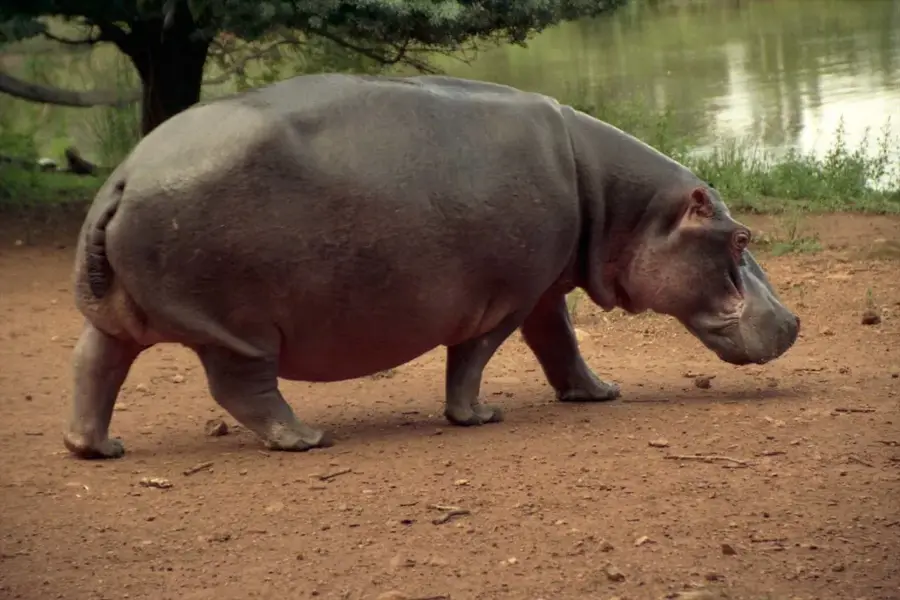
A short trip from Lobamba, allowing safe, peaceful walks among non-predatory wildlife like zebras.
Water temperature…
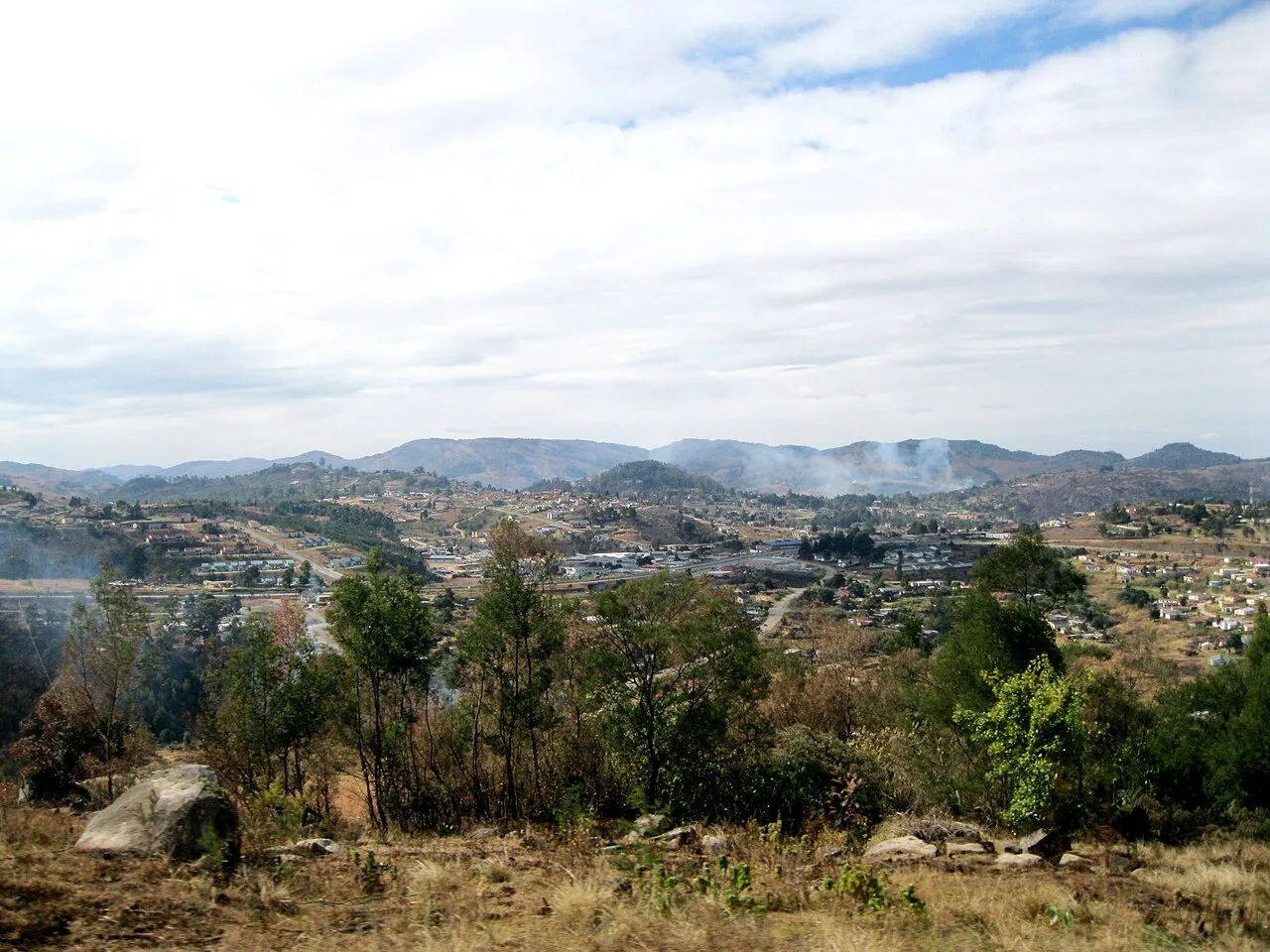
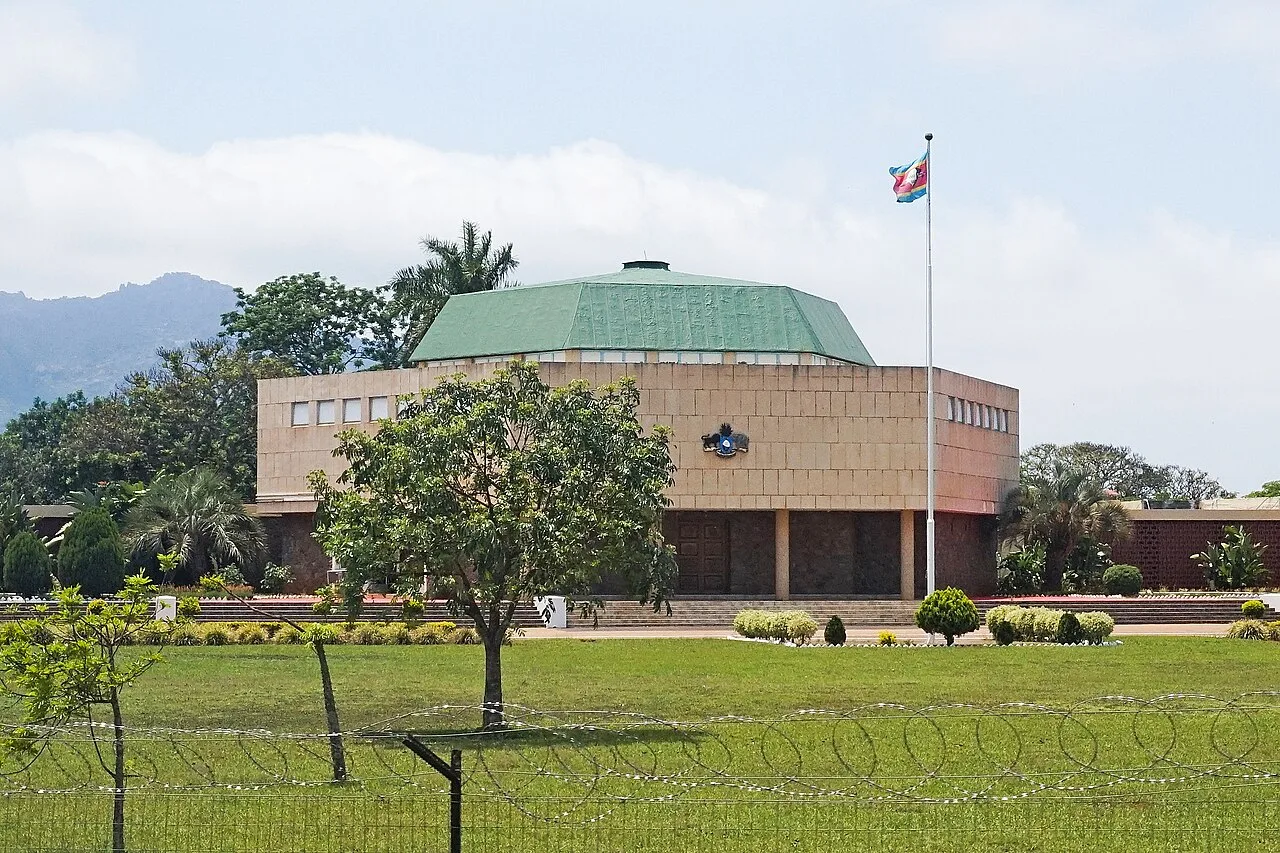
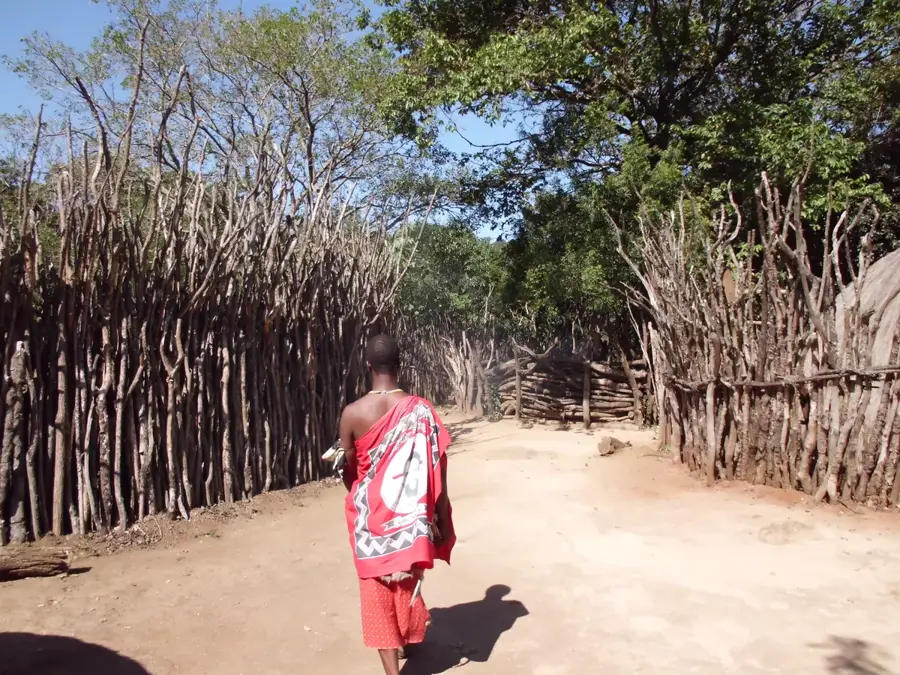
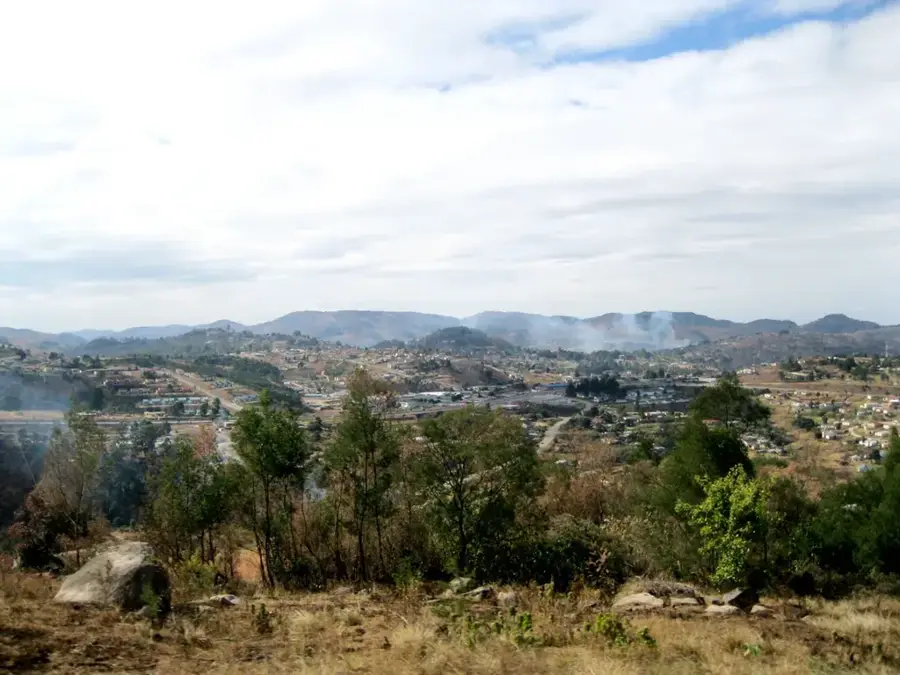
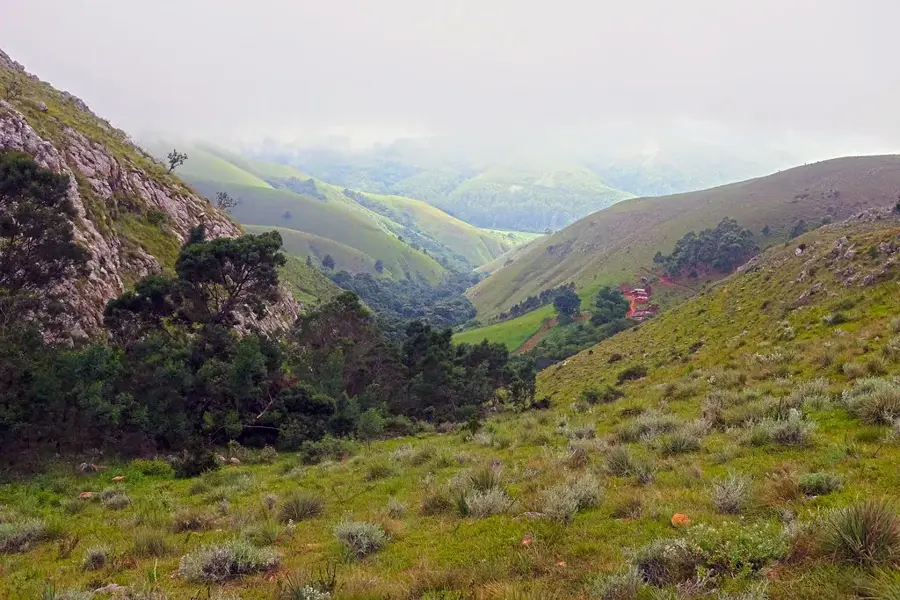
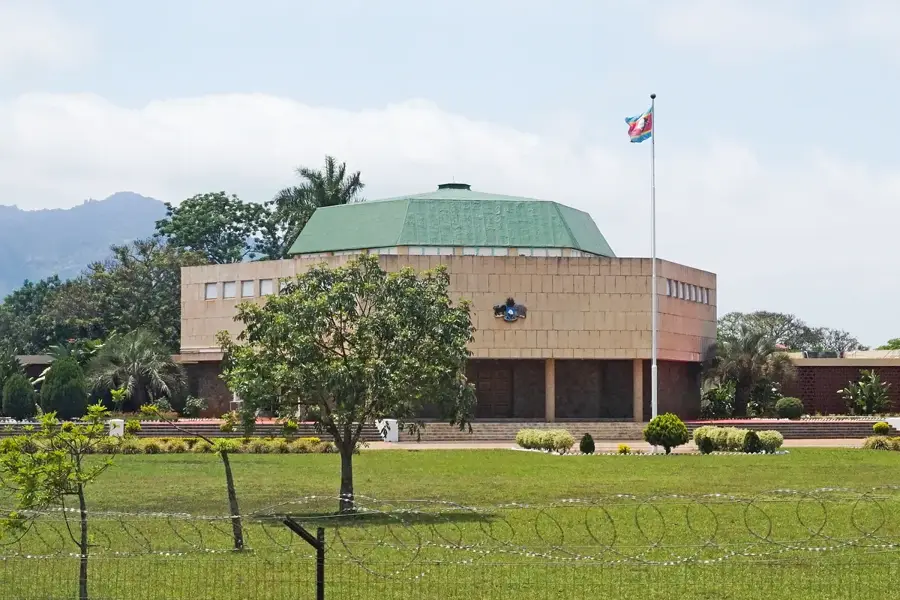
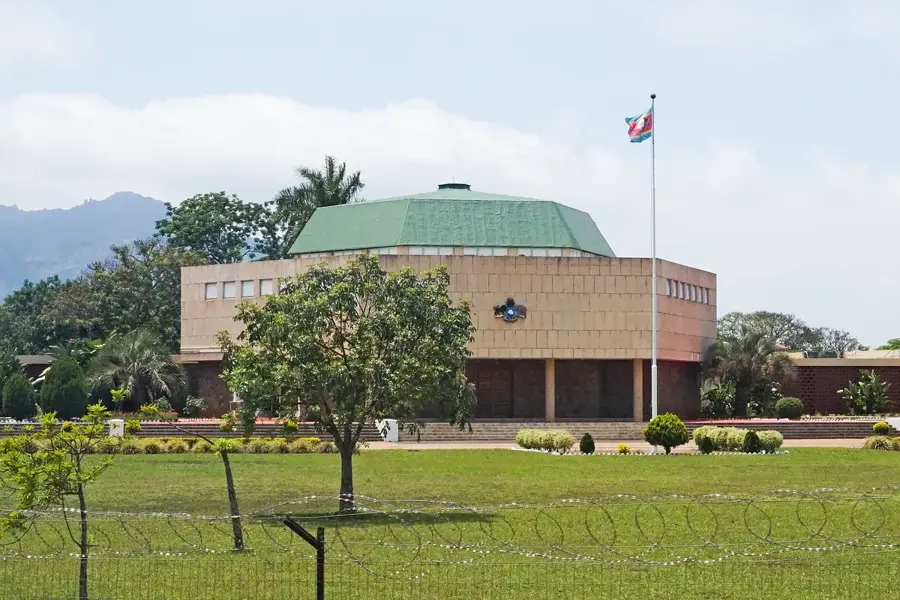
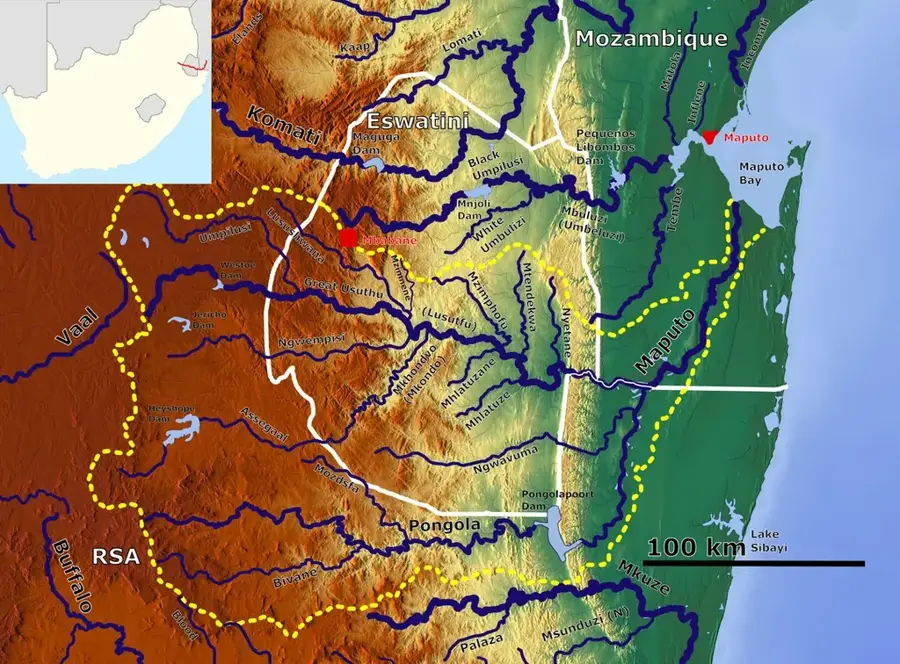
Lobamba stands as the traditional, spiritual, and legislative capital of the Kingdom of Eswatini, serving as the cultural heart of the Swazi nation. While Mbabane is the administrative seat, Lobamba is home to the country's Parliament and the royal residence of the Queen Mother, or Ndlovukazi. Located in the Ezulwini Valley, also known as the "Valley of Heaven," the town is the focal point for Eswatini’s most significant national ceremonies. The Ludzidzini Royal Village located here is the primary venue for the annual Umhlanga (Reed Dance) and the Incwala (First Fruits) ceremony, which are vital expressions of national unity and loyalty to the monarchy. Lobamba features several key national institutions, including the National Museum of Eswatini, which preserves the kingdom’s archaeological and ethnographic heritage, and the King Sobhuza II Memorial Park, dedicated to the nation’s founding father of independence. The Parliament Building, with its iconic golden dome, stands as a symbol of the country's legislative process within its unique diarchal system. Geographically, Lobamba is surrounded by the scenic Mlilwane Wildlife Sanctuary and the Mantenga Cultural Village, where visitors can experience traditional Swazi life firsthand. The local economy is bolstered by its status as a tourism hub, with the Ezulwini Valley hosting numerous craft markets, luxury hotels, and cultural centers. Lobamba represents a fascinating synthesis of the ancient and the modern; here, high-level political debates take place within walking distance of traditional beehive-shaped huts. For the Swazi people, Lobamba is more than just a capital; it is a sacred ground where the continuity of their ancestral lineage and the future of their sovereign state are intertwined, making it one of the most culturally significant locations in Southern Africa.
- Location: Eswatini
- Nearby: Ezulwini (5 km)
- Population: ~4.557 (2019)
Best time to visit & climate
The most pleasant time to visit is Apr, Sep, Oct.
| Jan | Feb | Mar | Apr | May | Jun | Jul | Aug | Sep | Oct | Nov | Dec | |
|---|---|---|---|---|---|---|---|---|---|---|---|---|
| Avg °C | 23 | 23 | 22 | 19 | 17 | 15 | 14 | 17 | 20 | 21 | 22 | 23 |
| Rain mm | 137 | 96 | 86 | 53 | 16 | 10 | 12 | 13 | 29 | 59 | 104 | 122 |
Geography
Facts
- Lobamba is the legislative capital of Eswatini and the site of Parliament.
- It is the official home of the Queen Mother (the Ndlovukazi).
- The town hosts the Umhlanga (Reed Dance) festival every August or September.
- The Eswatini National Museum was established here in 1972.
- King Sobhuza II Memorial Park houses a museum about the late king's life.
- It is situated in the Ezulwini Valley, Eswatini's primary tourism hub.
- The town's population is relatively small, emphasizing its ceremonial role.
- The Mantenga Cultural Village nearby showcases traditional 19th-century life.
Explore nearby
Notable places around


Route planner — Car & Motorhome
Where do you start? We build the route here, with stops and country notes along the way.
© OpenStreetMap contributors · OpenRouteService
Sights in the town Lobamba (1)
Frequently asked questions
Why is Lobamba special?
Can one visit the parliament?
Are there cultural sights?
Best time to travel?
Is it suitable for families?
Lobamba: where is it located?
Lobamba: when is the best time to visit?
Lobamba: why is it worth visiting?

Nearby cities
History & landmarks
Nature
More places