Plizio Visual Lab

Río Muni Basin
Plizio editorial teamData Sources
Relief
—°1
Río Muni Basin (Equatorial Guinea)

Weather…

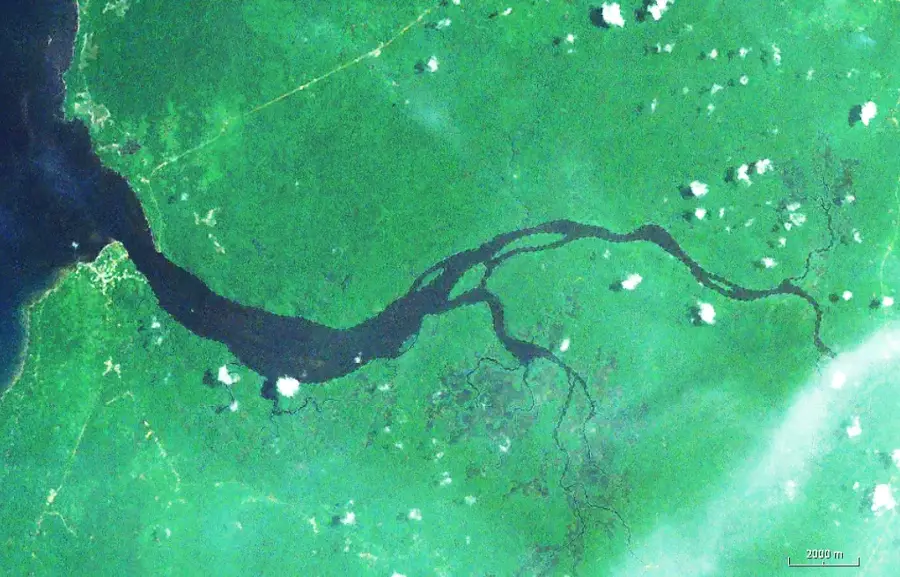
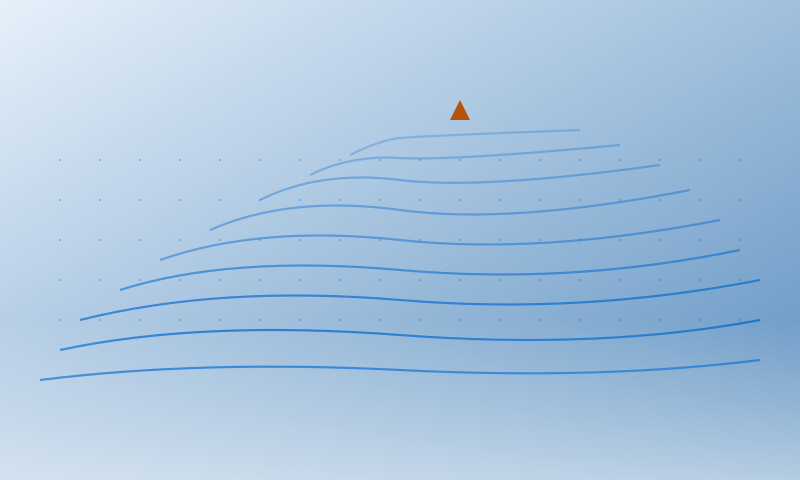
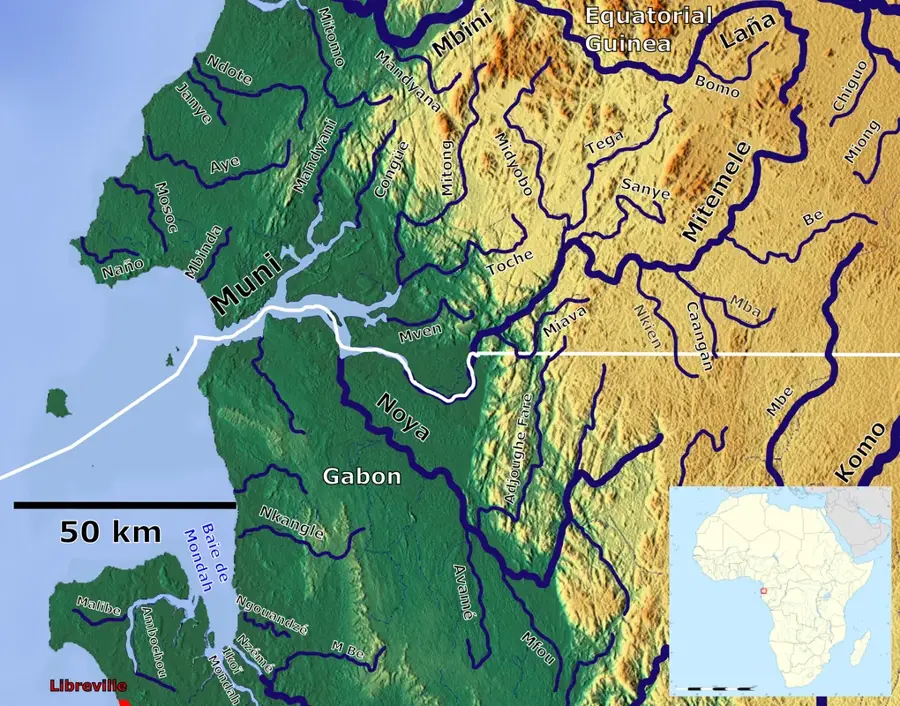
The Río Muni Basin is a vast sedimentary basin that characterizes much of the continental territory of Equatorial Guinea. Geologically, it consists of deep layers of sedimentary rocks that were deposited over millions of years, containing significant mineral and potential hydrocarbon resources. The basin's relief is relatively flat to gently rolling, providing the foundation for the dense rainforests that cover the region. It is drained by major river systems like the Benito and the Wele, which have carved wide valleys through the sedimentary landscape. The basin is essential for the nation's agriculture and its geological history is key to understanding the formation of the West African coastline. Curriculum: Earth Science K8, Geography K6.

Best time to visit & climate

The most pleasant time to visit is Jun–Aug.

JanFebMarAprMayJunJulAugSepOctNovDec
Avg °C252525252524232324242425
Rain mm184174286274227954670185400391212

📋 Practical info

🧭
Getting there
The vast basin region is typically traversed via the main national highways connecting the coastal city of Bata to the interior. Access to specific natural sites generally requires navigating secondary dirt roads or logging tracks.
📅
Best season
Travel across the basin is generally much more reliable during the dry seasons, roughly from December to February and June to August. Heavy rains outside these months can make unpaved regional roads extremely difficult or impossible to traverse.
⛰️
Terrain & paths
The topography is broadly characterized by gently undulating sedimentary plains heavily blanketed by dense tropical rainforests. Ground-level exploration typically involves navigating thick vegetation and muddy trails common to the equatorial environment.
🎒
What to bring
Robust, waterproof footwear and protective, breathable clothing are essential for any exploration in this humid, forested basin. Visitors must also carry comprehensive tropical health supplies, including strong insect repellent, a first-aid kit, and water.
🅿️
Parking
Parking is generally limited to established towns, logging camps, or designated clearings along the main highways. When venturing off the main routes, vehicles are usually left at the start of local tracks under the watch of community members.
⚠️
Safety
The immense scale and dense forest cover of the basin mean that getting lost is a significant risk. It is universally advised to never venture far from established roads without an experienced local guide and proper communication equipment.
⏱️
Time needed
Experiencing the basin is typically part of a multi-day journey traversing the continental mainland of Equatorial Guinea. Stops at specific points of interest along the way usually take between one to three hours of dedicated exploration.

Geography

Coordinates
1.45500, 10.12500

Facts

  • A large sedimentary formation covering much of the mainland.
  • Rich in geological deposits and potential mineral resources.
  • Forms the topographical foundation of the Rio Muni rainforest.
  • Drained by the extensive Benito and Wele river systems.
  • Features a relatively flat to gently rolling landscape.
  • Critical for the study of the region's geological evolution.
  • Supports the primary agricultural and forestry activities of the nation.

Explore nearby

Notable places around

Route planner — Car & Motorhome

Where do you start? We build the route here, with stops and country notes along the way.

Vehicle
Only stops with (optional):

© OpenStreetMap contributors · OpenRouteService

Sights in the town Río Muni Basin (1)

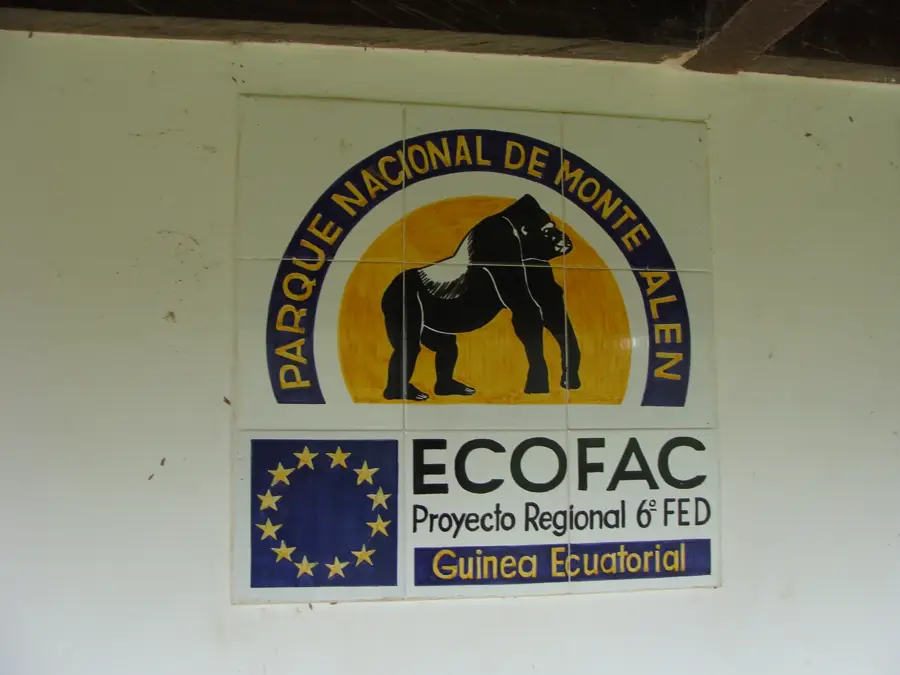
Monte Alén National Park🌿 nature

Monte Alén National Park is a forested nature reserve that protects the tropical rainforest of Equatorial Guinea.

Sights nearby

Frequently asked questions

What does the Río Muni Basin encompass?
It is the geological basin that forms the majority of mainland Equatorial Guinea.
Which rivers define the landscape?
The Mbini (Rio Benito) is the most significant river crossing the basin from east to west.
Is the basin developed for tourism?
Only very sporadically; it is more of a destination for adventurers and naturalists.
What raw materials are suspected to be here?
The basin is primarily known for its offshore oil and natural gas deposits.
What is the vegetation like in the basin?
Tropical lowland rainforest dominates with an enormous biodiversity.
Río Muni Basin: where is it located?
Río Muni Basin is located in Equatorial Guinea.
Río Muni Basin: when is the best time to visit?
The most pleasant time to visit is Jun, Aug.
Río Muni Basin: why is it worth visiting?

The Río Muni Basin is a vast sedimentary basin that characterizes much of the continental territory of Equatorial Guinea.
View on map → The Top 50 Attractions → OpenStreetMap →
Africa
Explore with Plizio Discover more places in Africa
More places in Equatorial Guinea →

Nearby cities

History & landmarks
Nature
More places