Plizio Visual Lab
Bitica

ℹ️Practical info — Bitica
▾
🌤 Weather — 5 days
📍 Nearby
Sights nearby
💡 Tips
- Infrastructure is extremely basic; bring all essentials like medications, extra water, and a power bank.
- Roads leading to Bitica can become impassable during the rainy season; travel via 4x4 is highly recommended.
- Spanish is the official language, but knowing a few words of the local Fang language goes a long way.
- Take military checkpoints seriously: always have your passport ready and do not take photos of soldiers or government buildings.
🍽 Food
A locally brewed traditional beverage, often offered by locals during social gatherings.
A hearty, nutritious soup made with crushed peanuts and often served with local game or chicken.
Look for boiled or roasted groundnuts sold as quick, energy-rich snacks.
🛍 Shopping · 🧘 Quiet spots
You can buy exceptionally fresh tropical fruits like papayas and bananas directly from villagers.
Occasionally, local artisans sell small Fang-style wooden masks or figures-ask a local to point you to a carver.
The village is surrounded by dense jungle; stepping just a few minutes outside has complete immersion in nature.
In the early afternoon, the central communal area is deeply peaceful as locals rest during the hottest part of the day.
Water temperature…
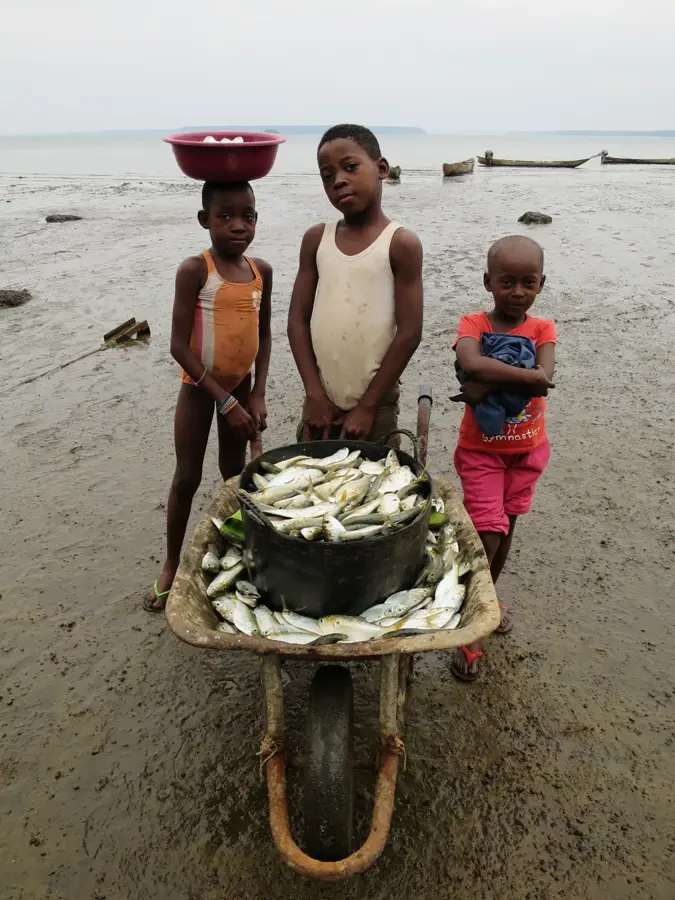
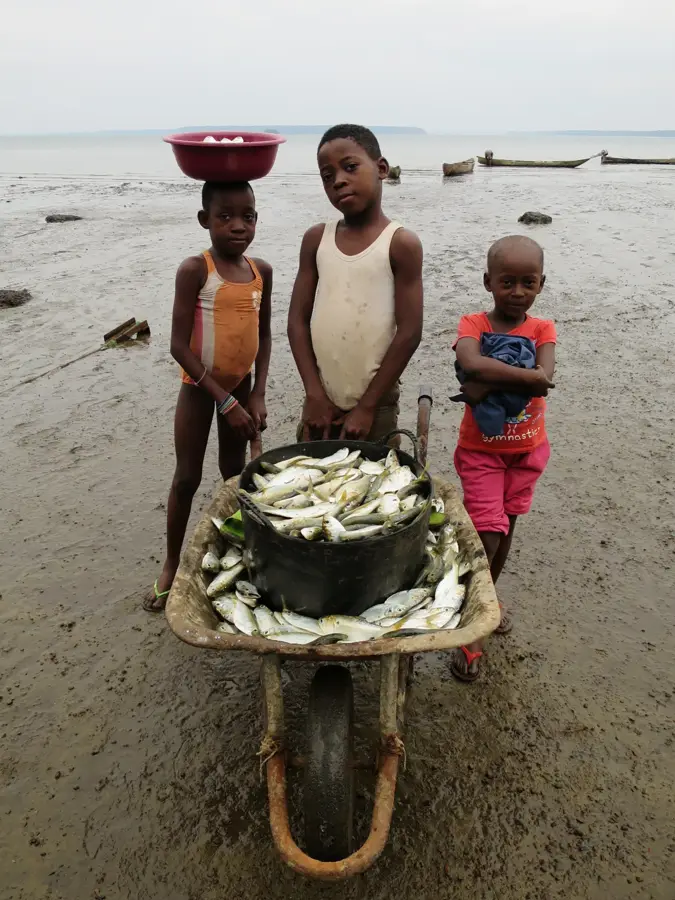
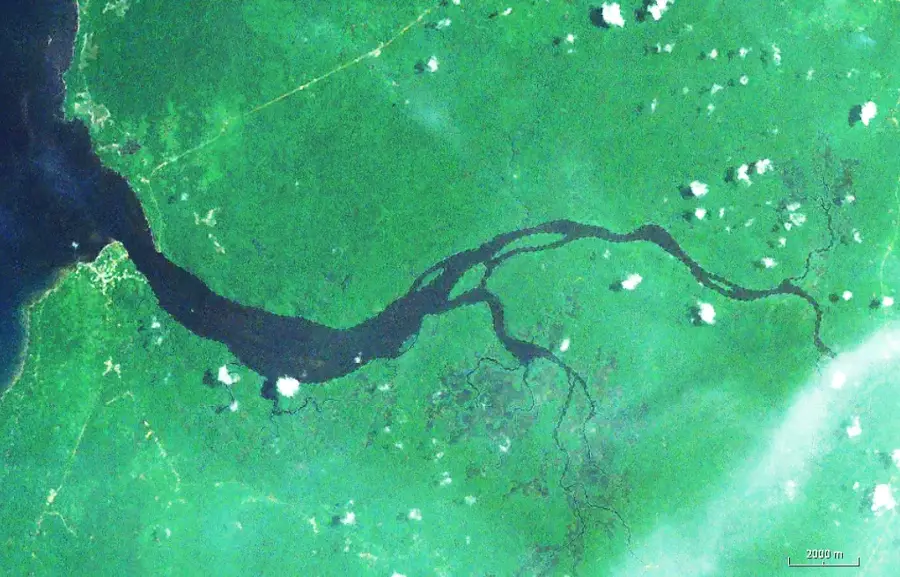
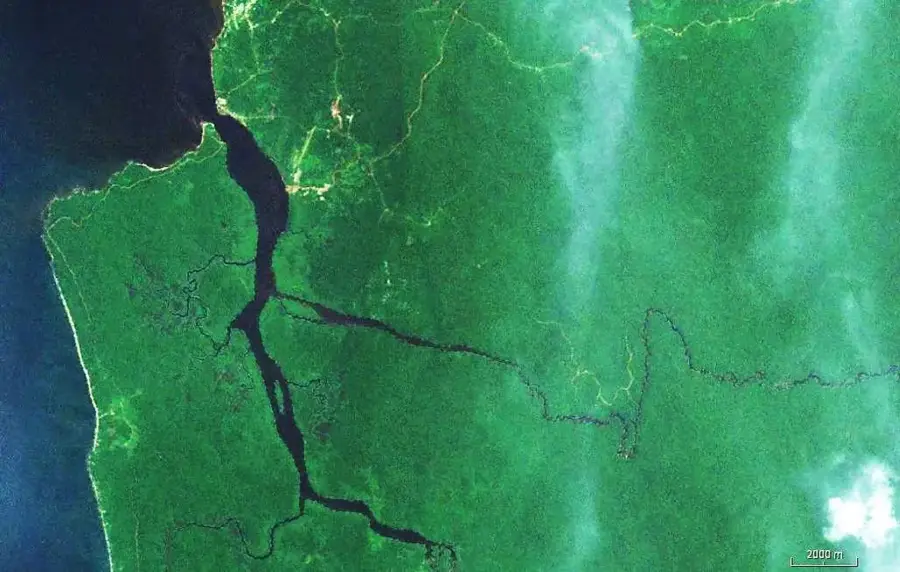
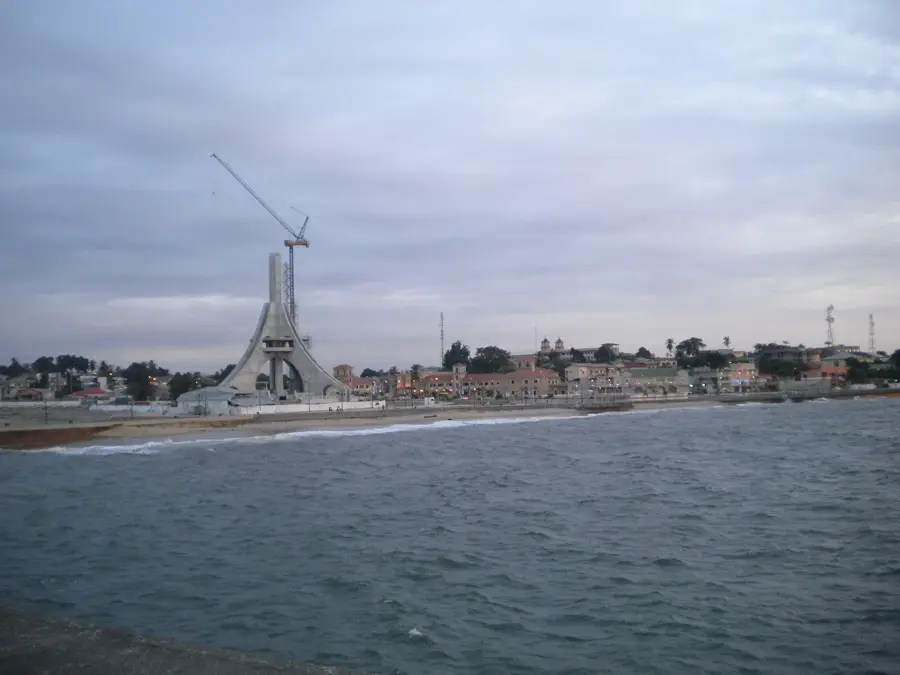
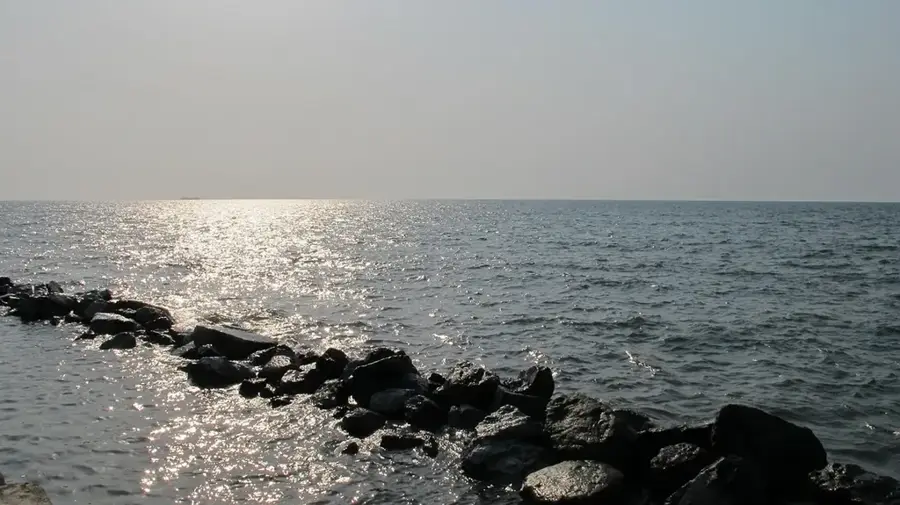
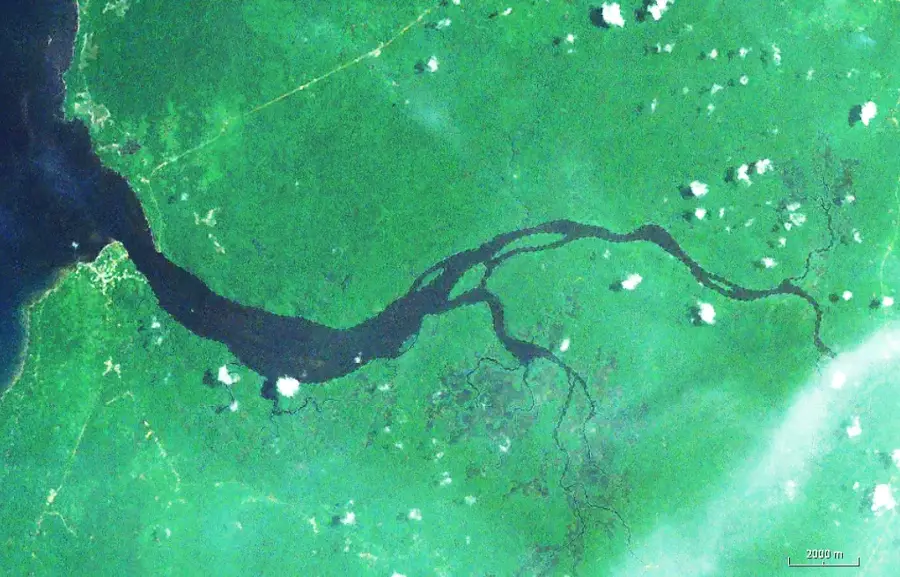
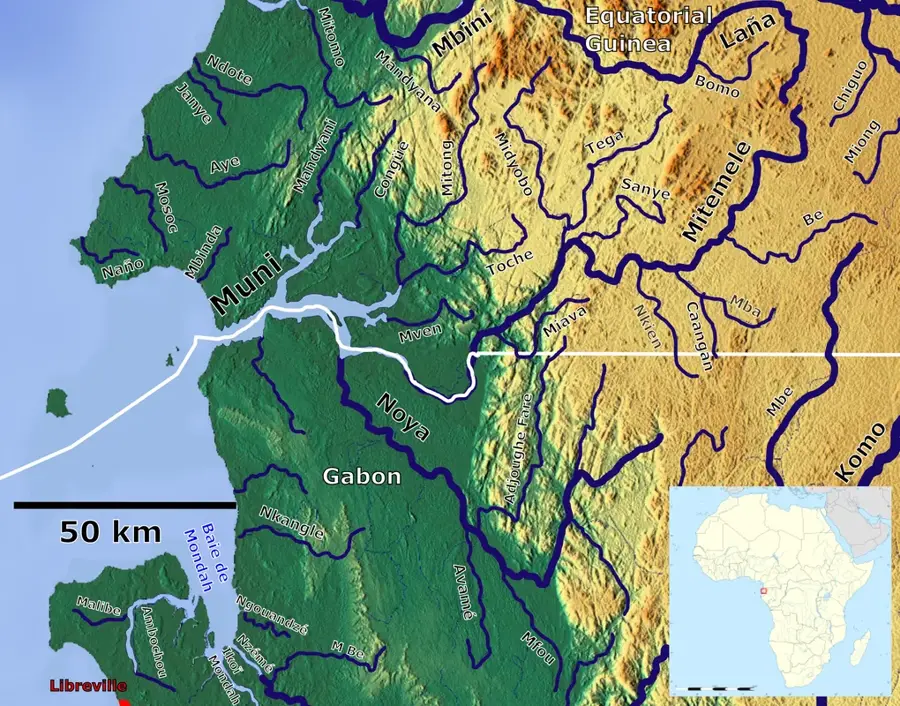
Bitica is a small port town in the Litoral province of southwestern Equatorial Guinea, located near the mouth of the Muni River and the border with Gabon. Its geographic position on the Bay of Corisco gives the town a distinct maritime atmosphere and historical significance as a trading post. The surrounding area consists of a mosaic of mangroves, wetlands, and tropical coastal forest, hosting a rich variety of wildlife. Bitica serves as an important transshipment point for goods transported by water between the nearby islands and the mainland. The local economy is heavily driven by fishing and cross-border trade with neighboring Gabonese communities. Historically, the town was a site of border disputes and colonial negotiations between Spain and France in the late 19th century. Today, Bitica is a quiet settlement that has a unique glimpse into the coastal life of Rio Muni due to its remote location at the edge of the Muni estuary.
- Location: Equatorial Guinea
- Nearby: Mbini (15 km)
- Population: ~1.464 (2018)
Best time to visit & climate
The most pleasant time to visit is Jun–Aug.
| Jan | Feb | Mar | Apr | May | Jun | Jul | Aug | Sep | Oct | Nov | Dec | |
|---|---|---|---|---|---|---|---|---|---|---|---|---|
| Avg °C | 27 | 27 | 28 | 28 | 27 | 26 | 25 | 25 | 26 | 26 | 26 | 27 |
| Rain mm | 199 | 185 | 288 | 267 | 219 | 70 | 32 | 48 | 158 | 378 | 386 | 222 |
Geography
Facts
- Located at the Rio Muni estuary in the far southwest.
- Key border post for waterborne traffic to Gabon.
- Center for trade in artisanal fishery products.
- Historical negotiation site for the 1900 Treaty of Paris.
- Primary departure point for travelers going to Corisco Island.
- Surrounded by the Rio Muni Estuary natural reserve.
Explore nearby
Notable places around


Route planner — Car & Motorhome
Where do you start? We build the route here, with stops and country notes along the way.
© OpenStreetMap contributors · OpenRouteService
Frequently asked questions
Is Bitica worth visiting?
How do I get from Bata to Bitica?
Are there beaches in Bitica?
What are the main economic activities in Bitica?
Do you need a guide for Bitica?
Bitica: where is it located?
Bitica: when is the best time to visit?
Bitica: why is it worth visiting?

Nearby cities


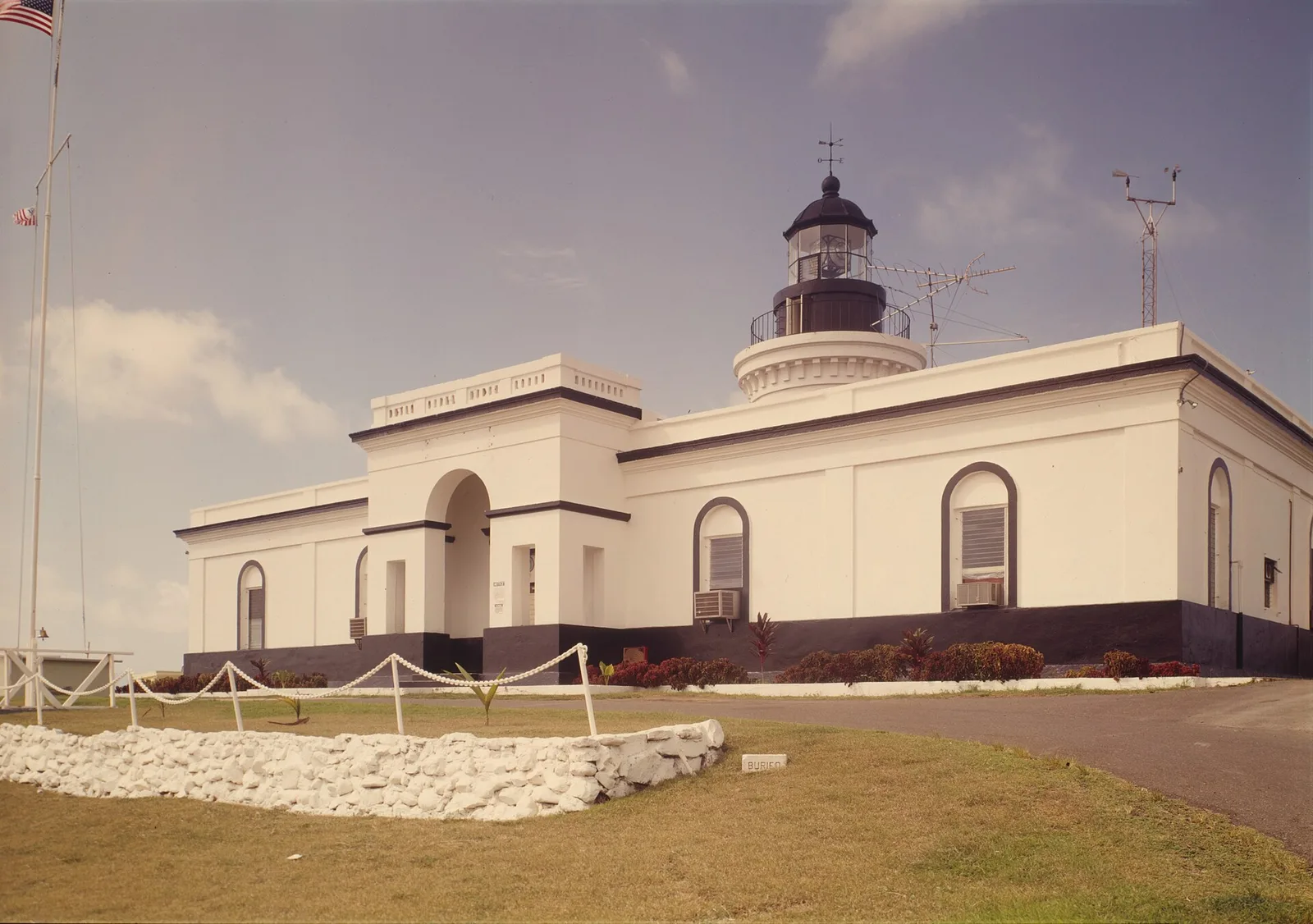
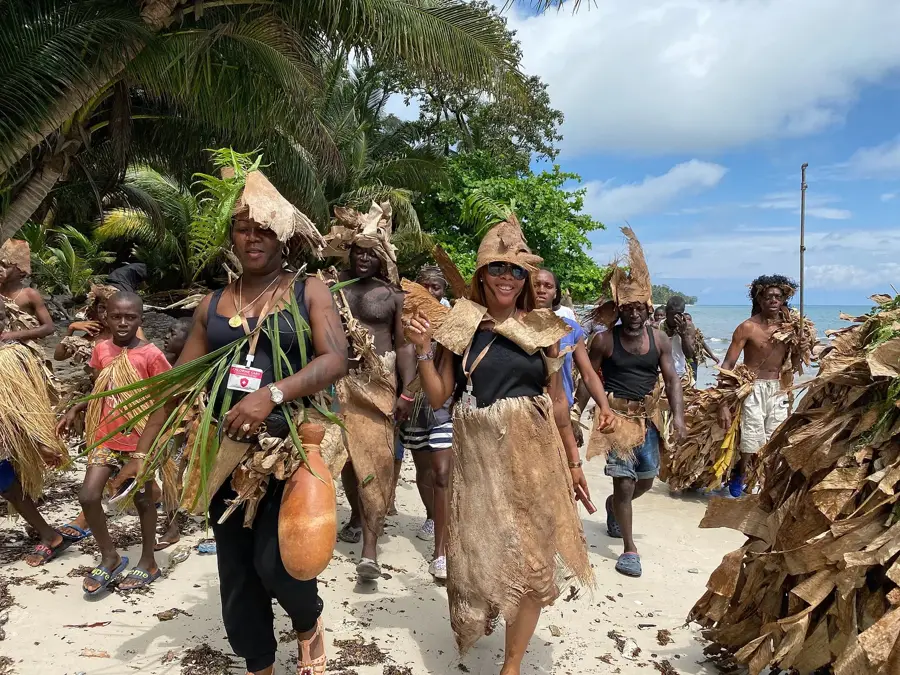
History & landmarks
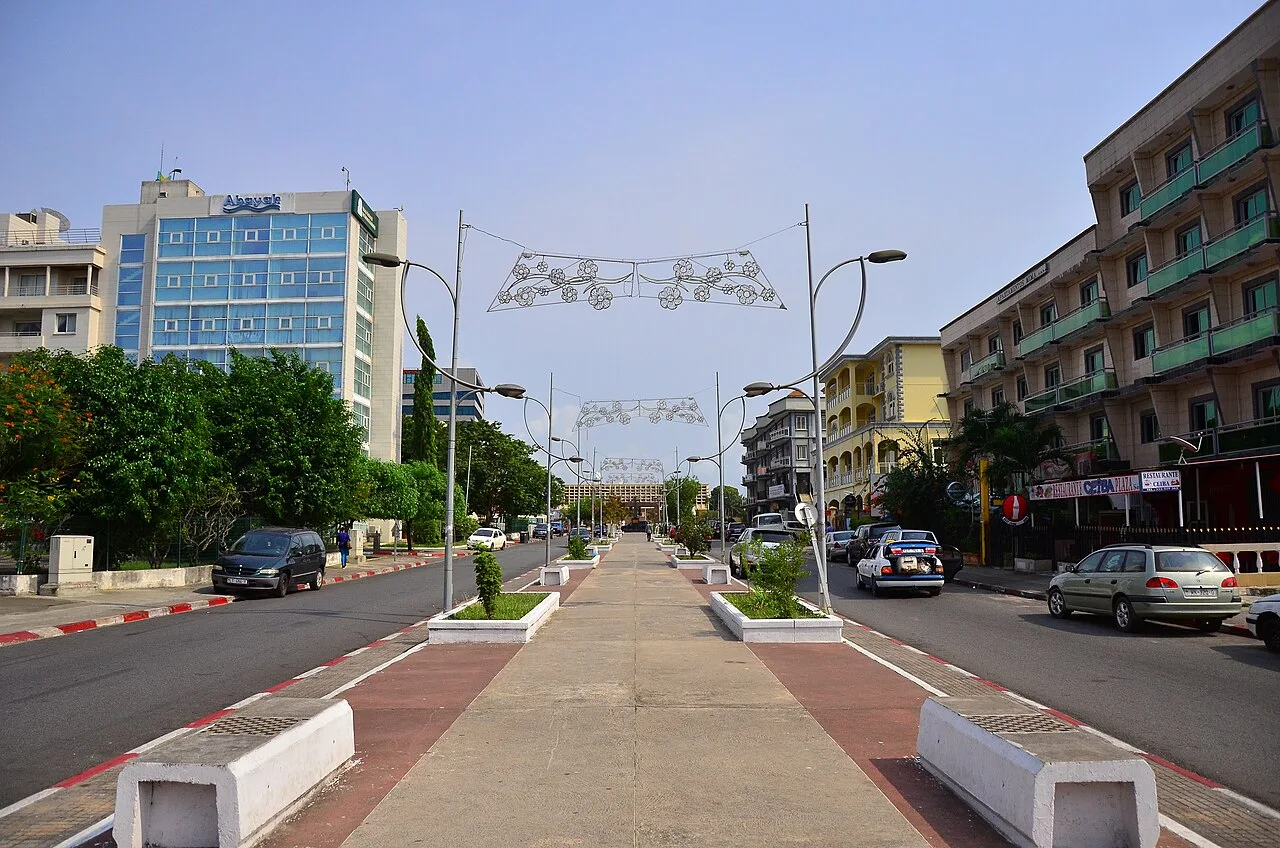
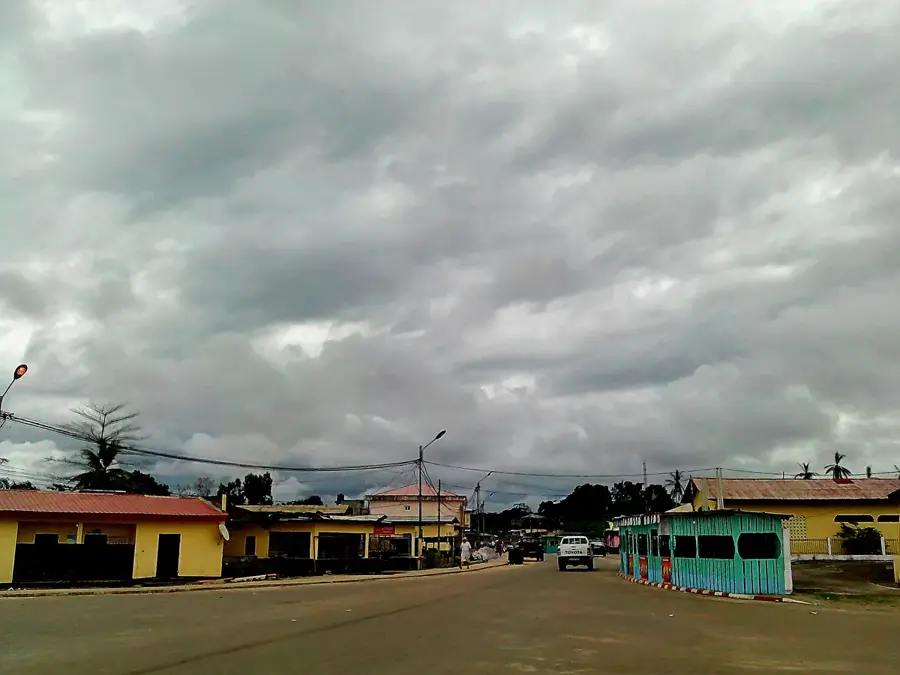
Nature
More places