Plizio Visual Lab
Cayapas-Mataje Ecological Reserve

Weather…
Water temperature…
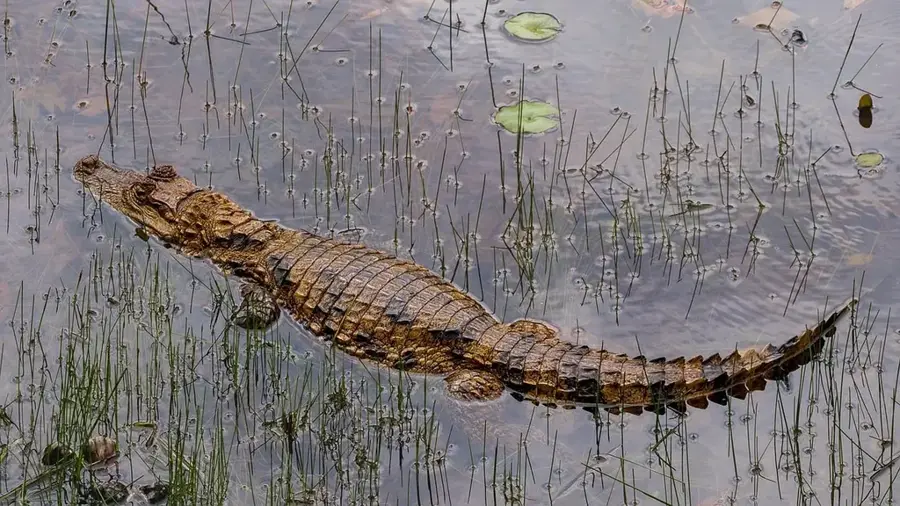
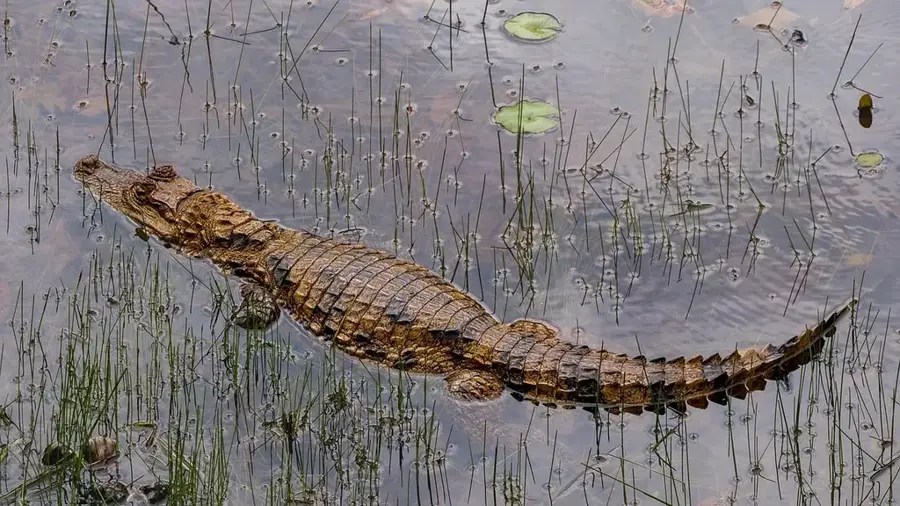
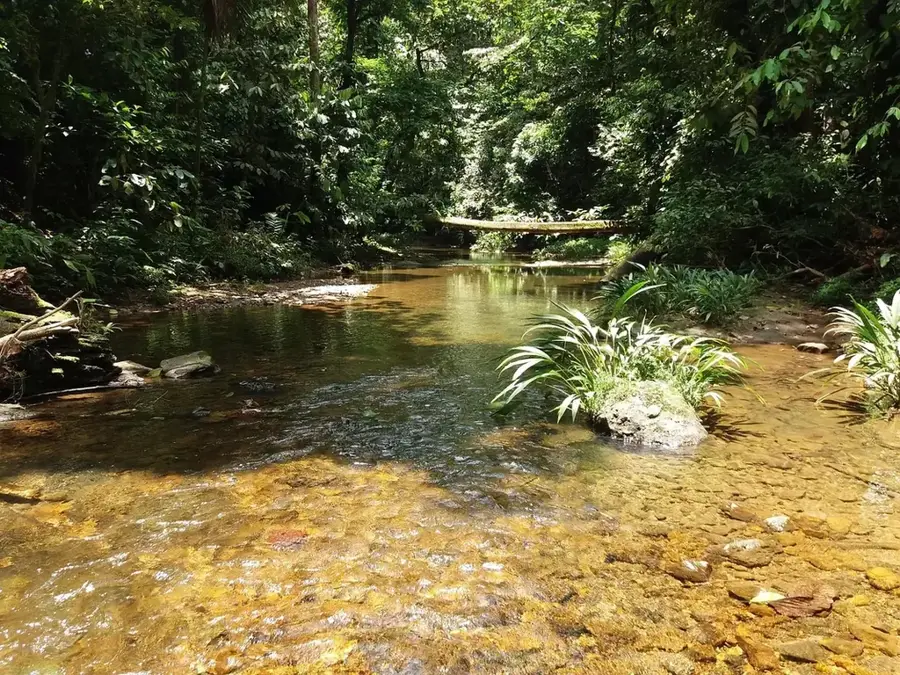
The Cayapas-Mataje Mangroves Ecological Reserve is located in northwestern Ecuador in the Esmeraldas Province, bordering Colombia. Established on October 26, 1995, it covers an area of approximately 51,300 hectares, consisting of extensive mangrove swamps, estuaries, and tropical wet forests. The reserve is most famous for the Majagual mangroves, which are considered the tallest in the world, with some trees reaching heights of up to 60 meters. These forests, dominated by the red mangrove (Rhizophora mangle), create a complex root system that serves as a critical nursery for numerous fish, crustacean, and mollusk species. Due to its ecological significance, the reserve was designated as a Ramsar Wetland of International Importance in 2003. Local Afro-Ecuadorian communities have a deep-rooted cultural and economic connection to the mangroves, practicing traditional shell harvesting (Concha Prieta) and artisanal fishing. In addition to marine life, the area is home to terrestrial species such as howler monkeys, otters, and a vast array of resident and migratory waterbirds.
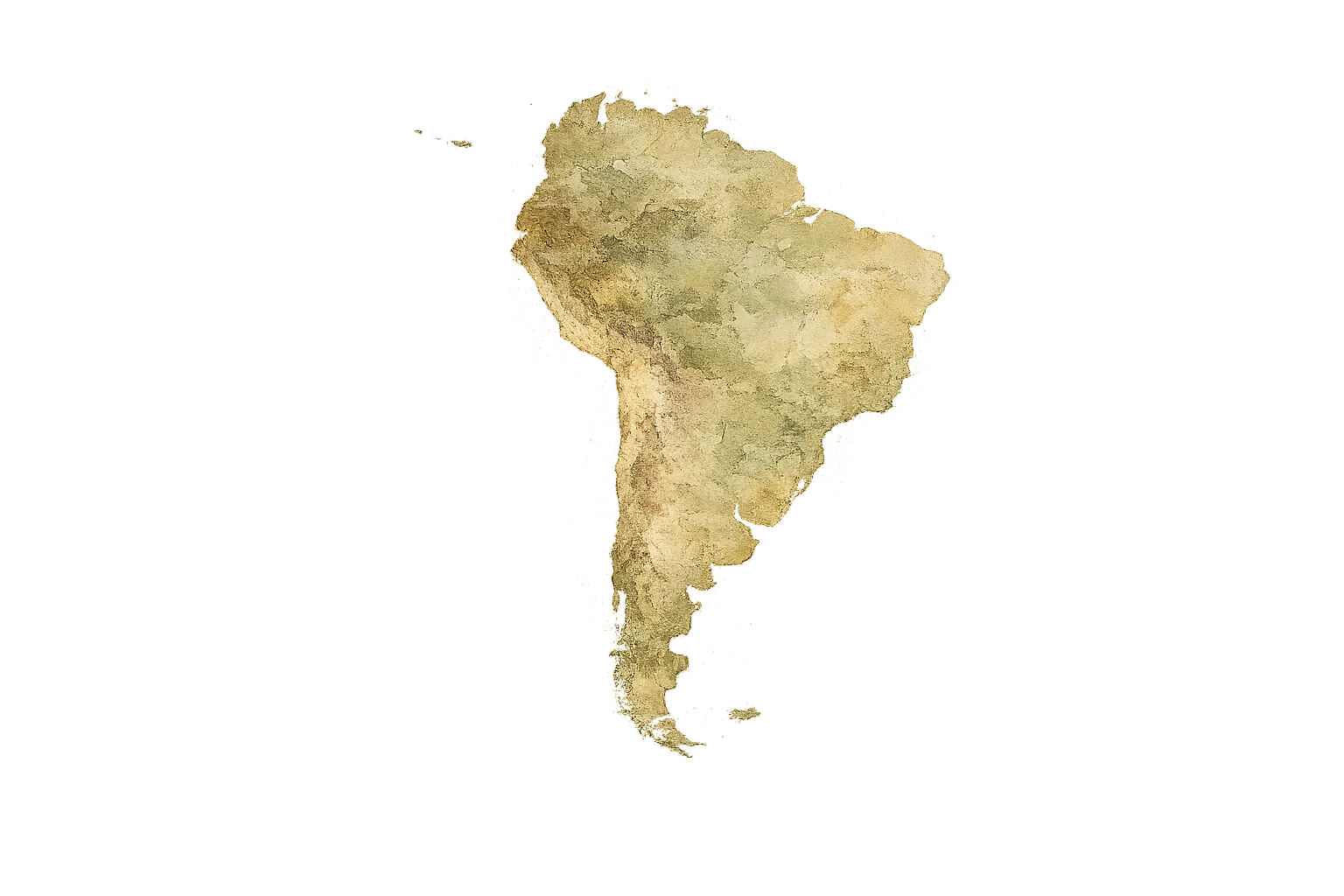
- Location: Ecuador
- Top sights: Pampa de Oro · Isla de La Tola · Isla Canchimalero
- Nearby: San Lorenzo (22 km)
Best time to visit & climate
The most pleasant time to visit is Jul–Sep.
| Jan | Feb | Mar | Apr | May | Jun | Jul | Aug | Sep | Oct | Nov | Dec | |
|---|---|---|---|---|---|---|---|---|---|---|---|---|
| Avg °C | 26 | 26 | 26 | 26 | 26 | 26 | 26 | 27 | 27 | 26 | 26 | 26 |
| Rain mm | 103 | 98 | 115 | 134 | 104 | 65 | 36 | 23 | 35 | 75 | 90 | 87 |
📋 Practical info
Geography
Facts
- The reserve was officially established on October 26, 1995.
- It is home to the world's tallest mangroves, reaching 60 meters.
- The protected area encompasses about 51,300 hectares of land.
- It was designated as a Ramsar International Wetland in 2003.
- It is located in Esmeraldas Province near the Colombian border.
- Red mangroves are the primary species forming the dense forests.
Explore nearby
Notable places around

Route planner — Car & Motorhome
Where do you start? We build the route here, with stops and country notes along the way.
© OpenStreetMap contributors · OpenRouteService
Sights in the town Cayapas-Mataje Ecological Reserve (3)
Sights nearby
Frequently asked questions
What makes this reserve special?
What is the best way to explore the area?
Is a guide necessary?
Are there mosquitoes?
Can you go birdwatching?
Cayapas-Mataje Ecological Reserve: where is it located?
Cayapas-Mataje Ecological Reserve: what is there to see?
Cayapas-Mataje Ecological Reserve: when is the best time to visit?
Cayapas-Mataje Ecological Reserve: why is it worth visiting?
Nearby cities

History & landmarks

Nature
More places