Plizio Visual Lab
Quinindé
ℹ️Practical info — Quinindé
▾
🌤 Weather — 5 days
📍 Nearby
Sights nearby
💡 Tips
- Pack strong mosquito repellent, as the town is a gateway to the lush rainforest.
- Tricimotos (auto rickshaws) are the most efficient way to navigate the bustling and chaotic center.
- Learn a few basic Spanish phrases, as English is rarely spoken outside of major hotels.
- The climate is extremely humid; drink plenty of bottled water to stay hydrated.
🍽 Food
Fish cooked in a rich coconut sauce at traditional Afro-Ecuadorian restaurants.
A robust seafood and plantain stew found at local eateries near the market.
Sweet coconut candies sold by street vendors around the central plaza.
🛍 Shopping · 🧘 Quiet spots
Best place to buy fresh palm hearts (palmito) and tropical fruits.
Look for handmade items woven from natural jungle fibers in small shops.
Take a short trip out of town to this serene lake, well-suited for bird watching.
Find a quiet spot along the river to watch the sunset away from the traffic.
Water temperature…
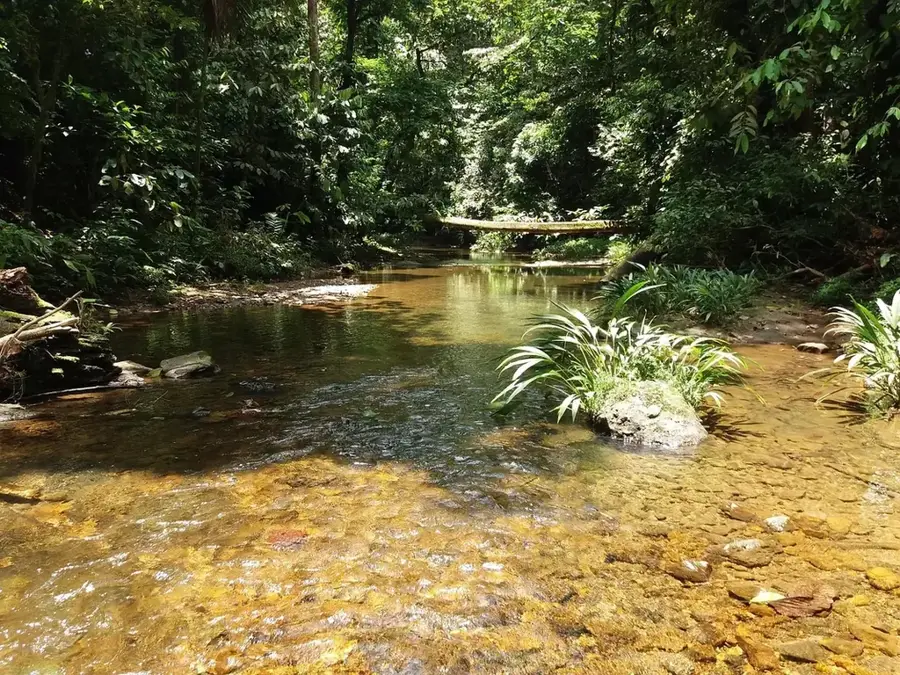
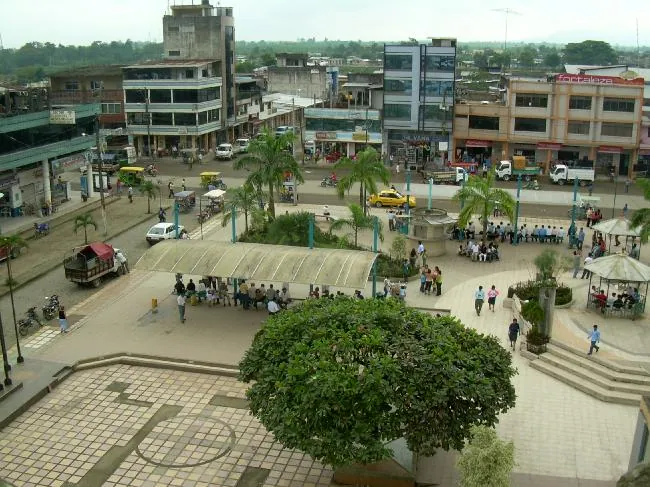
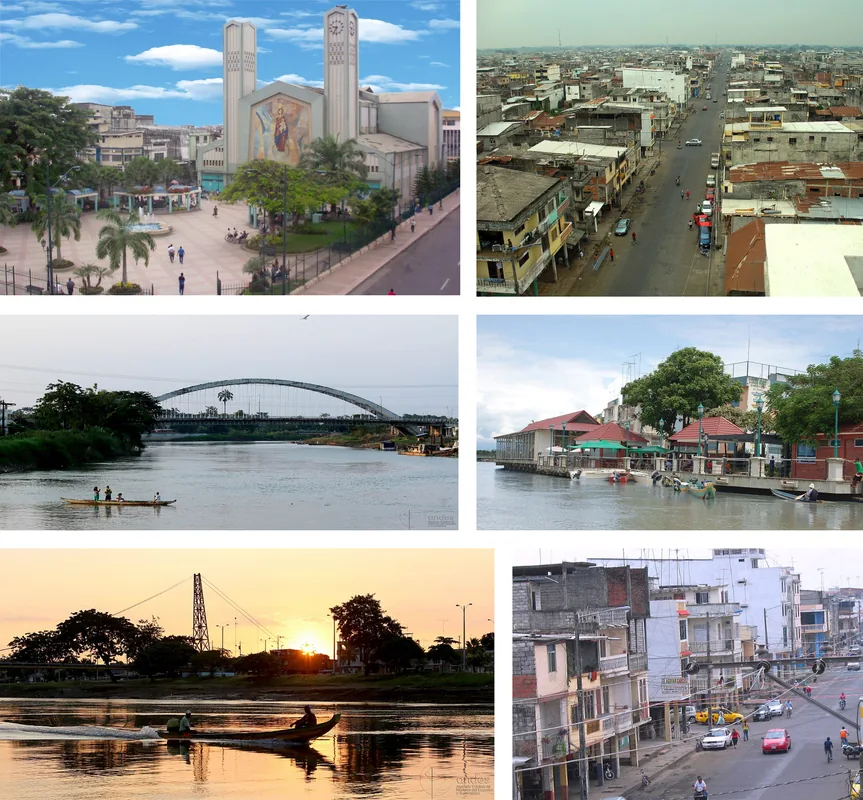
Quinindé, officially known as Rosa Zárate, is a significant urban center in the Esmeraldas Province, situated at the confluence of the Blanco and Quinindé rivers. The city is named after the independence heroine Rosa Zárate, who fought for Ecuador's freedom in the early 19th century. Geographically, Quinindé is located within a humid tropical rainforest zone, making the region one of the most productive agricultural areas in the coastal province. The economy is heavily influenced by agro-industry, particularly the large-scale cultivation of oil palm, cocoa, bananas, and high-quality timber. Quinindé is regarded as a bastion of Afro-Ecuadorian culture in the region, with deep-seated traditions in music (notably the marimba) and local customs. Over recent decades, the city has experienced substantial population growth, leading to rapid urban expansion and infrastructure development. Despite industrial progress, the outskirts of Quinindé retain valuable ecological reserves and riverine landscapes that are vital for local tourism. The city serves as a crucial commercial link for trade between the Andean highlands and the ports of Esmeraldas.
- Location: Ecuador
- Nearby: La Concordia (10 km)
- Population: ~42.121 (2017)
Best time to visit & climate
The most pleasant time to visit is Jul–Sep.
| Jan | Feb | Mar | Apr | May | Jun | Jul | Aug | Sep | Oct | Nov | Dec | |
|---|---|---|---|---|---|---|---|---|---|---|---|---|
| Avg °C | 25 | 25 | 25 | 25 | 25 | 25 | 25 | 26 | 26 | 26 | 26 | 25 |
| Rain mm | 210 | 214 | 239 | 227 | 158 | 78 | 32 | 20 | 34 | 50 | 52 | 102 |
Geography
Facts
- Official name of the city is Rosa Zárate
- Located at the confluence of the Blanco and Quinindé rivers
- Key center for Afro-Ecuadorian cultural heritage
- Major producer of palm oil and tropical hardwoods
- Named after a 19th-century independence heroine
- Granted canton status in the year 1967
Explore nearby
Notable places around

Route planner — Car & Motorhome
Where do you start? We build the route here, with stops and country notes along the way.
© OpenStreetMap contributors · OpenRouteService
Sights in the town Quinindé (1)
Frequently asked questions
What characterizes Quinindé?
What crops are grown here?
How is the weather?
Are there river activities?
What should you try?
Quinindé: where is it located?
Quinindé: when is the best time to visit?
Quinindé: why is it worth visiting?
Nearby cities
Nature
More places