Plizio Visual Lab

Tulipe
Plizio editorial teamData Sources
Historical site
—°7
Tulipe (Ecuador)

Weather…

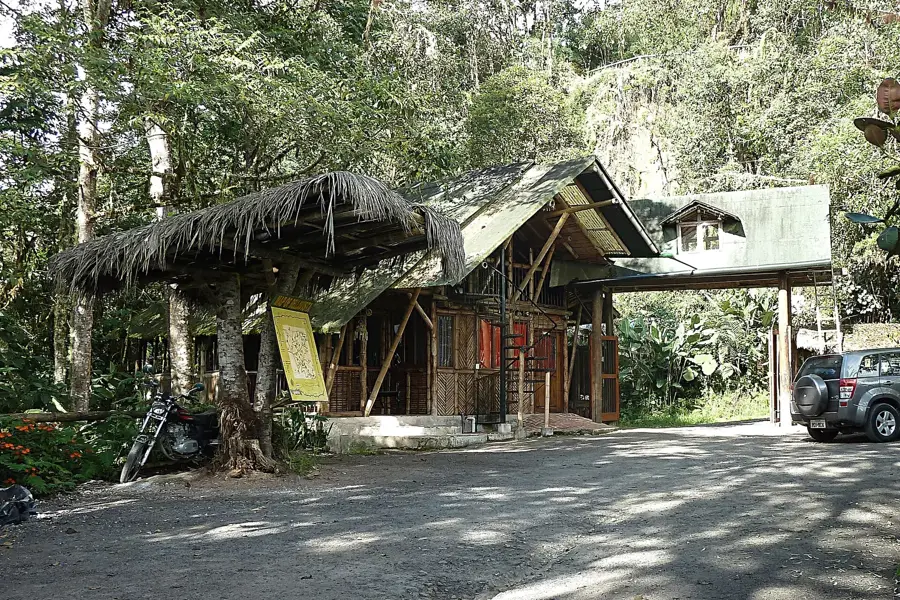
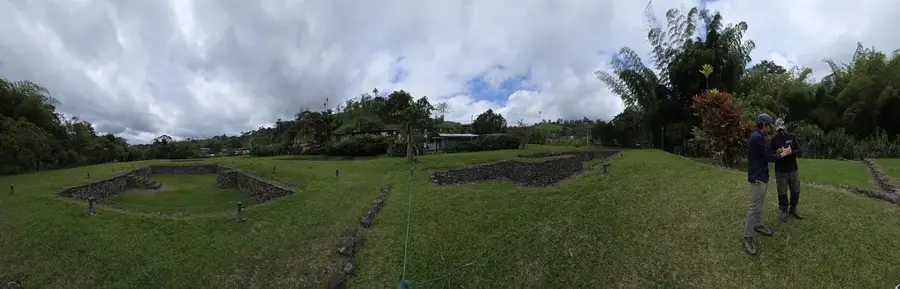
Tulipe is a fascinating archaeological site located in the subtropical northwest of Quito, considered the ceremonial center of the Yumbo culture. This culture flourished between 800 and 1660 AD and was renowned for its role as an intermediary in trade between the coast and the highlands. The highlight of the site consists of eight monumental stone pools used for ritual washings and astronomical observations. These pools were constructed in various geometric shapes, such as squares, rectangles, and circles, and were once filled with water from nearby rivers. Tulipe was not only a religious site but also a hub for 'culuncos,' deep-cut paths in the earth used for transporting goods. The site was rediscovered in 1979 and now features a modern museum explaining the complex cosmovision of the Yumbo people. The eruption of the Pichincha volcano in 1660 is believed to have contributed to the abandonment of the settlement.

Best time to visit & climate

The most pleasant time to visit is Jul–Sep.

JanFebMarAprMayJunJulAugSepOctNovDec
Avg °C171718181818171818171717
Rain mm139143176177123583425387690100

📋 Practical info

🚪
Visiting
The archaeological site of Tulipe can be visited and explored on foot. Most of the structures, including the sunken pools, are outdoors and accessible along marked trails. Visitors are advised to wear comfortable shoes and bring sun protection due to limited shade.
🕒
Typical hours
The site is typically open from morning until late afternoon, usually around 9:00 AM to 5:00 PM. It is advisable to check the official schedule in advance, as hours may change seasonally. Many archaeological sites in Ecuador follow similar patterns.
📷
Photography
Photography for personal use is generally allowed without flash. Tripods may require special permission; it is best to ask staff upon arrival. A wide-angle lens is recommended for the sunken pools to capture the full layout.
⏱️
Time needed
A typical visit takes about two to three hours to see all structures and read information panels. Those interested in deeper history may spend additional time. Allow at least half a day if combining the site with other nearby attractions.
Combine with
Tulipe can be combined with other Yumbo culture sites such as the nearby archaeological museum. Consider a day trip from Quito to explore the scenic valley. Local guides often offer combined tours for a comprehensive experience.
🧭
Getting there
The site is located about 90 minutes west of Quito by car. Buses from Quito to the area are available, but a rental car has more flexibility. Follow the road towards the town of Tulipe; signs will direct you to the entrance.
💡
Insider tip
Arrive early in the morning to avoid the midday heat and have the site nearly to yourself. Bring plenty of water and insect repellent, as the area can be humid. A hat and sunscreen are essential for the uncovered sections.

Geography

Coordinates
0.08250, -78.73690

Facts

  • Religious center of the Yumbo culture (800-1660 AD)
  • Features 8 artificial stone pools for ritual purposes
  • The largest pool has a diameter of approximately 20 meters
  • Discovered in 1979 by Central Bank Museum archaeologists
  • Located at a crossroads of strategic trade routes (culuncos)
  • The on-site museum was opened to the public in 2007

Explore nearby

Notable places around
Route planner — Car & Motorhome

Where do you start? We build the route here, with stops and country notes along the way.

Vehicle
Only stops with (optional):

© OpenStreetMap contributors · OpenRouteService

Sights in the town Tulipe (7)

Intillacta Tucanopy📍 landmark

An adventure park with ziplines allowing for spectacular sightings of toucans in the forest.

Museo de Sitio Tulipe🏛 museum

This museum displays astronomical tools and ritual artifacts of the ancient Yumbo culture.

Tola la granada📍 landmark

A ceremonial earthen mound (tola) of the Yumbo culture built for religious purposes in the Tulipe valley.

La Victoriana📍 landmark

A rural estate in the historic Tulipe region, surrounded by lush tropical vegetation.

piscinas de Tulipe🏺 historical

Unique geometric stone pools used by the Yumbo people for star observation and ritual bathing.

Bosque Protector Tulipe Pachijal🌿 nature

A nature reserve protecting the biodiversity along the Tulipe and Pachijal river valleys.

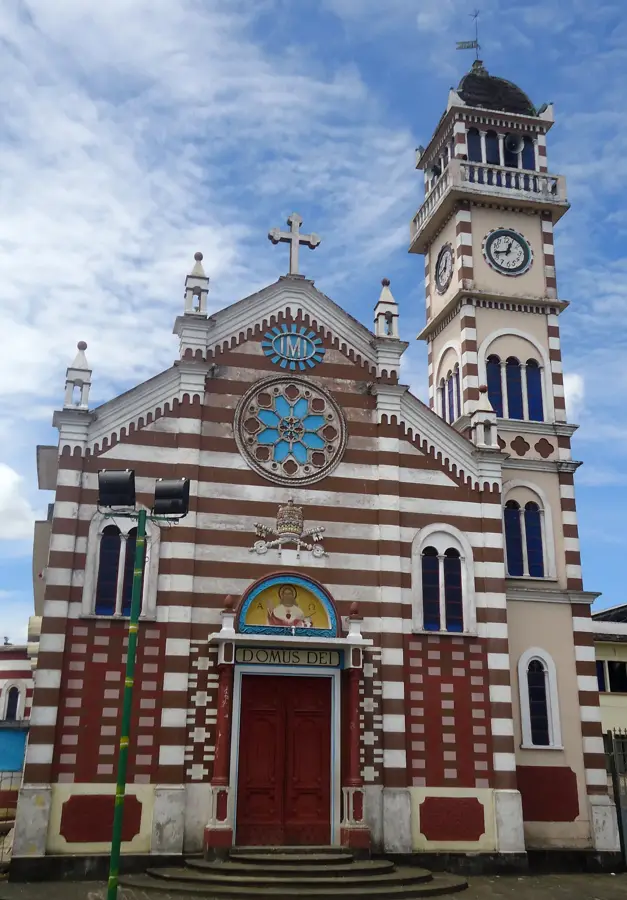
Iglesia Católica Inmaculada Concepción, Gualea⛪ religious

Set in the lush surroundings of Gualea, this church serves as the spiritual center for the region's coffee farmers.

Sights nearby

Frequently asked questions

What can you see in Tulipe?
Ceremonial water pools of the Yumbo culture and a small museum.
Is a guide necessary?
A guide is recommended to better understand the complex symbolism of the pools.
How is the weather there?
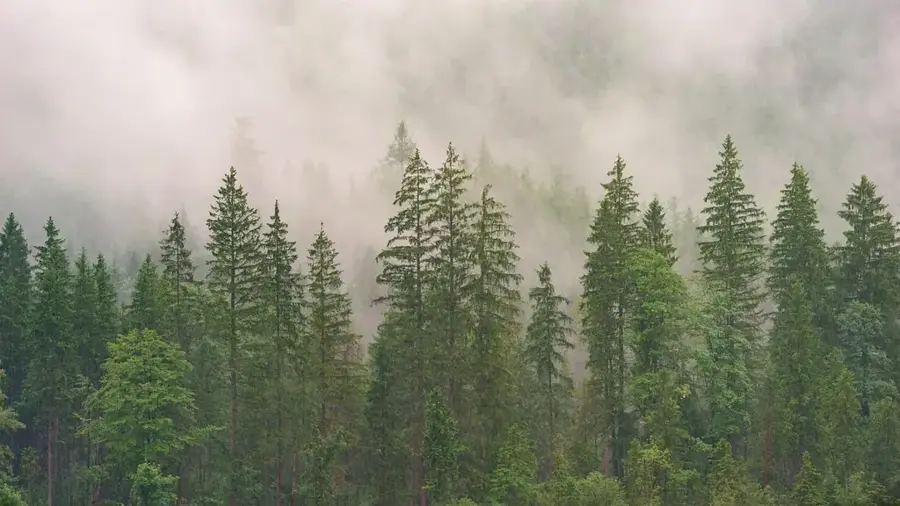
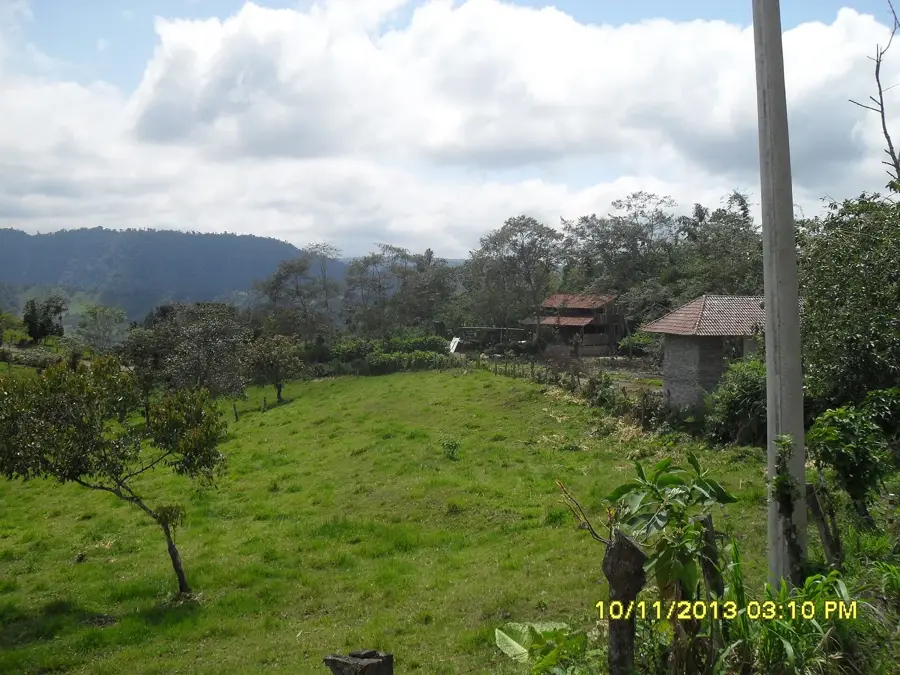
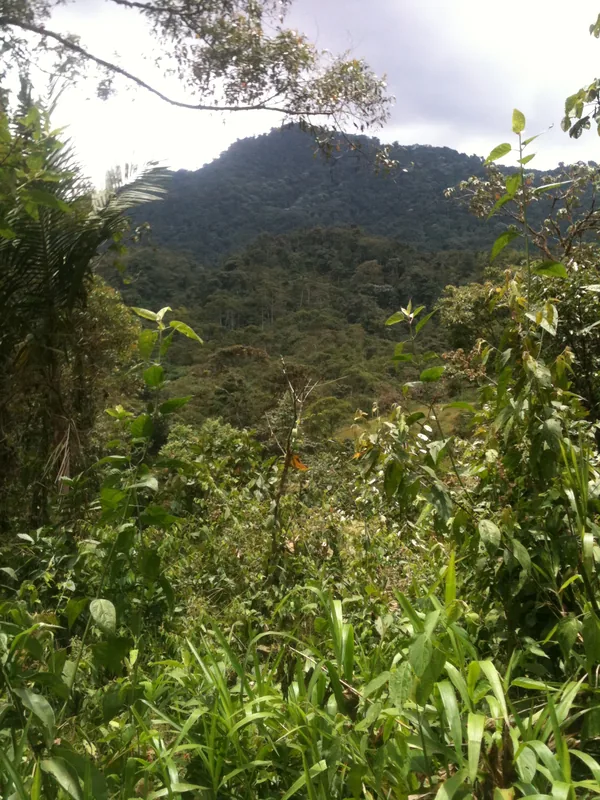
It is humid and warm, as it is located in a subtropical cloud forest zone.
Are the pools filled with water?
Yes, some of the restored pools contain rainwater or spring water.
How do you get to Tulipe?
By car from Quito via the road to Nanegalito (approx. 2 hours).
Tulipe: where is it located?
Tulipe is located in Ecuador.
Tulipe: what is there to see?
Highlights include Intillacta Tucanopy, Museo de Sitio Tulipe, Tola la granada.
Tulipe: when is the best time to visit?
The most pleasant time to visit is Jul, Sep.
Tulipe: why is it worth visiting?
Tulipe is a fascinating archaeological site located in the subtropical northwest of Quito, considered the ceremonial center of the Yumbo culture.
View on map → The Top 50 Attractions → OpenStreetMap →
South America
Explore with Plizio Discover more places in South America
More places in Ecuador →

Nearby cities

History & landmarks

More places