Plizio Visual Lab

Ruinas de Todos Santos
Plizio editorial teamData Sources
Historical site
—°16
Ruinas de Todos Santos (Ecuador)

Weather…

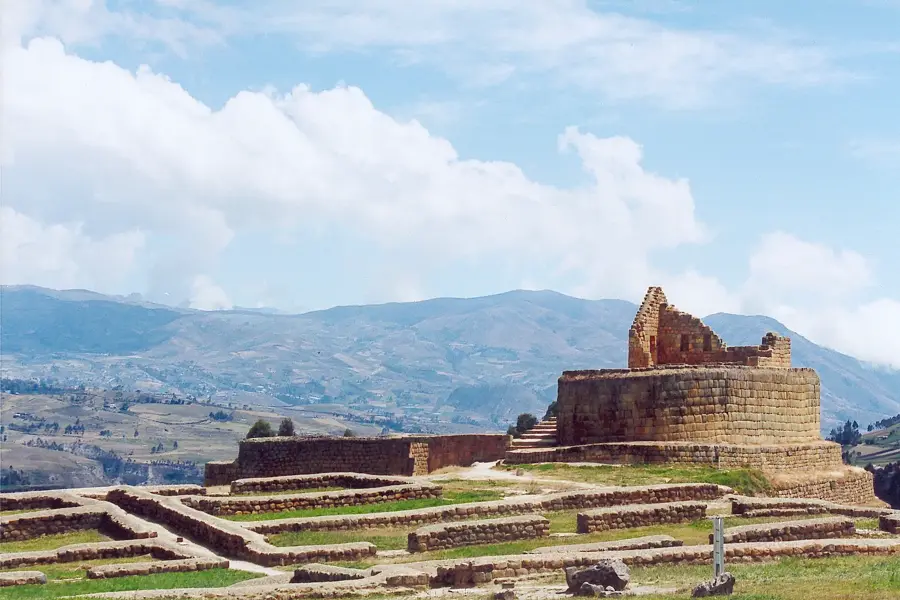
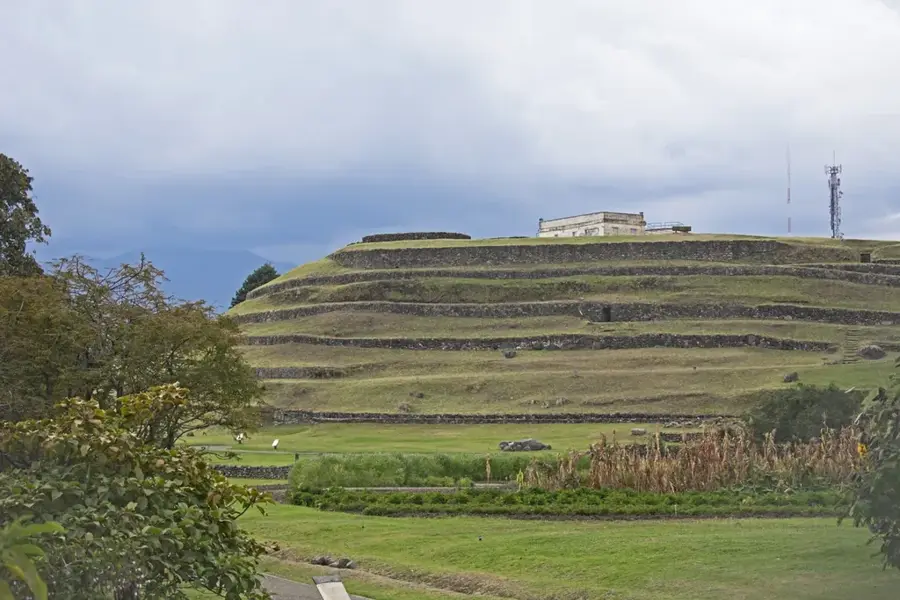
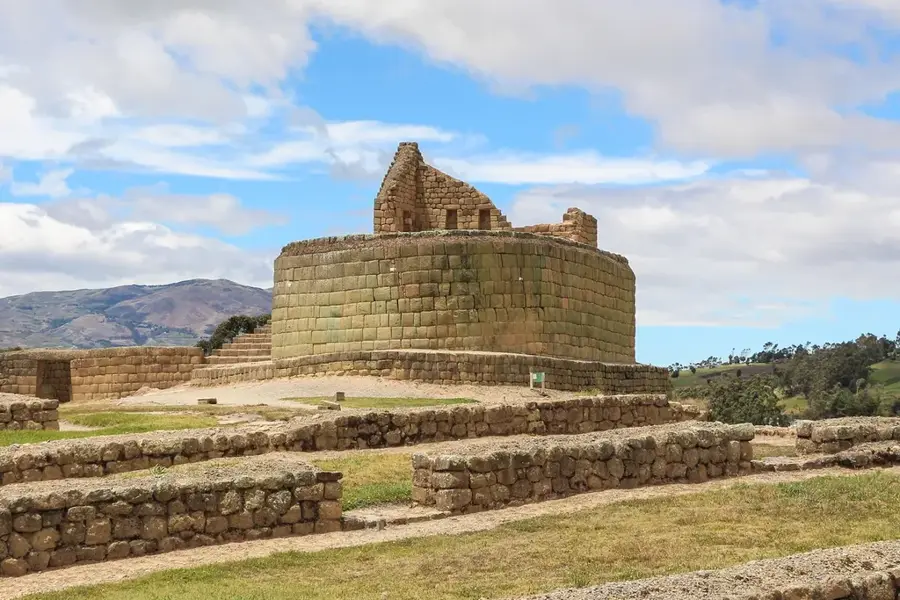
The Ruinas de Todos Santos is a significant archaeological site in Cuenca, Ecuador, showcasing a unique layering of different cultures. The complex reveals remains of the Cañari culture, the Inca civilization, and the Spanish colonial era in a single location. Excavations in 1972 uncovered structures such as walls made of finely carved Inca stones and the foundations of 16th-century flour mills. It is believed that the site was part of the Inca city of Tomebamba before the arrival of the Spanish, which was in turn built over an older Cañari settlement. Particularly noteworthy are the niches in the walls, typical of Inca architecture, and the remnants of the first Spanish water mills in the region. The site is located near the Tomebamba River and provides insights into the technological transition from pre-Columbian construction to colonial industry. Today, the site is protected as an open-air museum and highlights the complex history of Cuenca's urban foundation.

Best time to visit & climate

The most pleasant time to visit is Sep, Nov, Dec.

JanFebMarAprMayJunJulAugSepOctNovDec
Avg °C141414141312121213141414
Rain mm85981241078979585149808682

📋 Practical info

🚪
Visiting
The Ruinas de Todos Santos are open-air archaeological ruins situated in Cuenca's historic core, displaying Cañari, Inca, and Spanish colonial constructions. You can explore the site freely, though a small entrance fee is typically charged for upkeep and preservation work.
🕒
Typical hours
Such archaeological sites generally open around 8 in the morning and close by 5 in the afternoon, depending on the season. Exact timetables are subject to local regulations and weather conditions, so check ahead.
📷
Photography
Photography for personal use without flash is permitted throughout the site, allowing you to capture the layered history. Using a tripod or professional equipment may require prior authorisation from the site management.
⏱️
Time needed
A thorough visit covering the main structures and informational panels takes roughly one and a half to two hours. If you also visit the small on-site museum displaying artifacts, allow an additional 30 to 45 minutes.
Combine with
Pair your visit with the nearby Museo de las Culturas Aborígenes, which gives deeper context on the indigenous cultures. The historic center of Cuenca, with its beautiful cathedrals and colonial architecture, is also within a short walk.
🧭
Getting there
The ruins are located at Calle Larga and Manuel J. Vega in central Cuenca, a 10-minute walk from Plaza de Armas. You can also reach them by taxi from anywhere in the city for a modest fare or via local bus lines that stop nearby.
💡
Insider tip
Go early in the morning, around opening time, to experience the site with fewer visitors and in the pleasant morning light. Wear sturdy footwear because the terrain includes uneven stone paths and steps.

Geography

Coordinates
-2.90610, -78.99860

Facts

  • 1972 was the year the archaeological site was rediscovered
  • 16th century is the age of the Spanish mill remains
  • 500 AD is when the Cañari people first settled here
  • 15th century marks the Inca expansion into this area
  • 100 meters is the approximate distance to the river
  • 16 stone mills were operated here during colonial times

Explore nearby

Notable places around
Route planner — Car & Motorhome

Where do you start? We build the route here, with stops and country notes along the way.

Vehicle
Only stops with (optional):

© OpenStreetMap contributors · OpenRouteService

Sights in the town Ruinas de Todos Santos (16)

Puente Roto🏺 historical

This historic "Broken Bridge" over the Tomebamba River was partially destroyed by a massive flood in 1950.

Mirador de Turi🌿 nature

Set high on a southern hill, this viewpoint features panoramic, postcard-first-rate views of Cuenca's red-tiled roofs.

Mirador El Calvario🌿 nature

A scenic Andean viewpoint named after Mount Calvary, providing sweeping vistas of the surrounding mountain valleys.

Art Exhibition Miguel Illescas C.🏛 museum

This bustling gallery showcases the mixed-media metal and wood sculptures of acclaimed Ecuadorian artist Miguel Illescas.

🕒 Mo-Su 09:00-20:00

Ruinas arqueologicas de Todos Santos🏺 historical

These historic archaeological ruins reveal superimposed stonework from the Cañari, Inca, and Spanish colonial periods.

CENTRO CULTURAL AVISPERO🎭 culture

An independent cultural center and theater hosting experimental performing arts and alternative music gigs.

🕒 Mo-Su 09:00-23:30

Monumento a Carlos Cueva Tamariz🏺 historical

A commemorative stone monument honoring Carlos Cueva Tamariz, a prominent Ecuadorian politician and educator.

E. Vega Galería y Talleres de Cerámica Artística🎭 culture

Situated near the Turi viewpoint, this arts center features the renowned colorful ceramic murals of Eduardo Vega.

Swing📍 landmark

A thrilling hillside swing that allows visitors to soar high above the scenic valley landscape of Cuenca.

Museo de la Moneda🏛 museum

This numismatic museum displays a vast chronological collection of historic coins and banknotes from the region.

🕒 Martes a Viernes 09:00 a 17:00 Sábados, Domingos y feriados 🆓

Pumapungo Avery📍 landmark

Part of the Pumapungo complex, this wildlife aviary rehabilitates rescued parrots, macaws, and Andean raptors.

Museo de los Metales🏛 museum

The Museo de los Metales showcases exhibitions detailing the region's history of metallurgy and metalworking.

Capilla del Colegio Corazón de María📍 landmark

Capilla del Colegio Corazón de María is a Christian chapel serving as a prayer space for the attached school community.

Iglesia Paz de Dios⛪ religious

Iglesia Paz de Dios is a local Christian place of worship where neighborhood faithful gather for services.

🕒 We, Sa; Su-Tu, Th-Fr 09:00-09:00, 18:00-18:00

Iglesia de Punta Corral⛪ religious

Iglesia de Punta Corral is a local church building hosting regular worship services for the neighbourhood.

Mercado 27 de Febrero🎭 culture

Mercado 27 de Febrero is a covered marketplace with stalls selling fresh agricultural produce from the surrounding region.

Sights nearby

Frequently asked questions

Where are the ruins located?
In Cuenca, on Calle Larga, right next to the Tomebamba River.
Which cultures are represented here?
You can find remains of the Cañari, Inca, and Spanish colonial cultures.
Can the ruins be seen at any time?
They can be seen from the street, but access to the site is restricted.
How much time do you need?
A tour takes about 30 to 45 minutes.
Is it interesting for children?
Yes, it is a small, manageable site good for a brief history lesson.
Ruinas de Todos Santos: where is it located?
Ruinas de Todos Santos is located in Ecuador.
Ruinas de Todos Santos: what is there to see?
Highlights include Puente Roto, Mirador de Turi, Mirador El Calvario.
Ruinas de Todos Santos: when is the best time to visit?
The most pleasant time to visit is Sep, Nov, Dec.
Ruinas de Todos Santos: why is it worth visiting?
The Ruinas de Todos Santos is a significant archaeological site in Cuenca, Ecuador, showcasing a unique layering of different cultures.
View on map → The Top 50 Attractions → OpenStreetMap →
South America
Explore with Plizio Discover more places in South America
More places in Ecuador →

Nearby cities

History & landmarks
Nature
More places