Plizio Visual Lab
Cuenca
ℹ️Practical info — Cuenca
▾
🌤 Weather — 5 days
📍 Nearby
Sights nearby
💡 Tips
- The city sits at around 2,500 meters; take it easy on your first day to avoid altitude sickness.
- Weather changes rapidly (from sun to rain); dress in layers and carry a jacket.
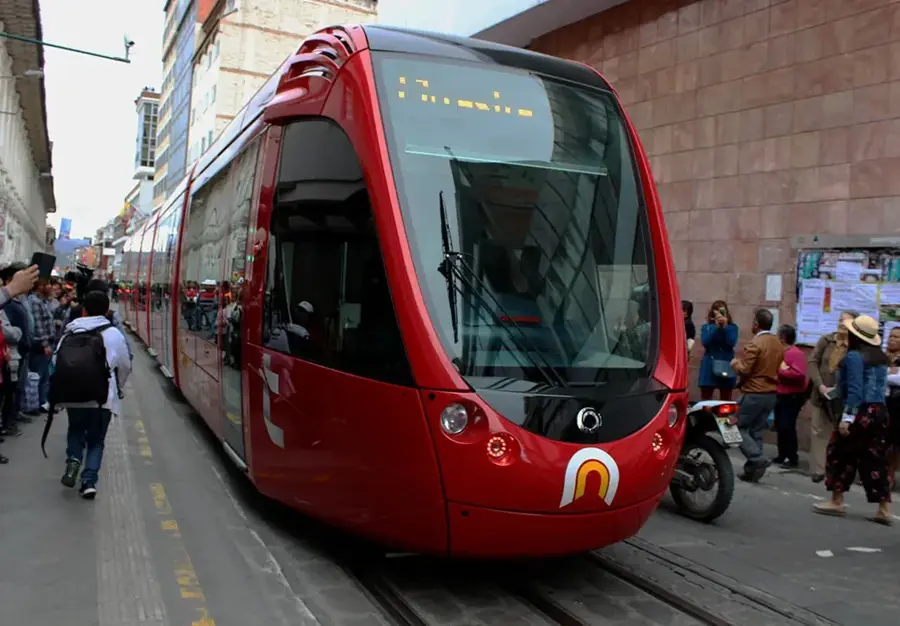
- The modern tram (Tranvía) is the fastest and most comfortable way to move across the city.
- Look for the blue tiles on the street corners of the center, which display the old street names.
🍽 Food
Roast pork, best tried authentically at the Mercado 10 de Agosto.
A traditional dish made of hominy corn (mote) and eggs, served in most local restaurants.
Roasted guinea pig, an Andean specialty. Try it in the asaderos on the outskirts of the city.
🛍 Shopping · 🧘 Quiet spots
Buy an authentic hat directly from workshops like Homero Ortega.
A great place for woven baskets, pottery, and traditional craft items.
A scenic and quiet path along the river, lined with historical houses.
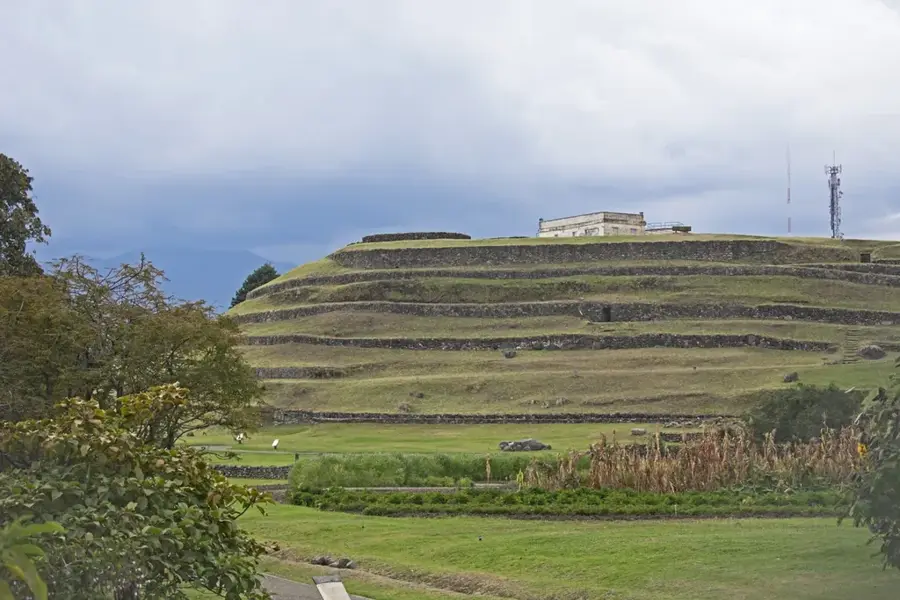
Enjoy the silence in this archaeological park and its beautiful botanical garden.
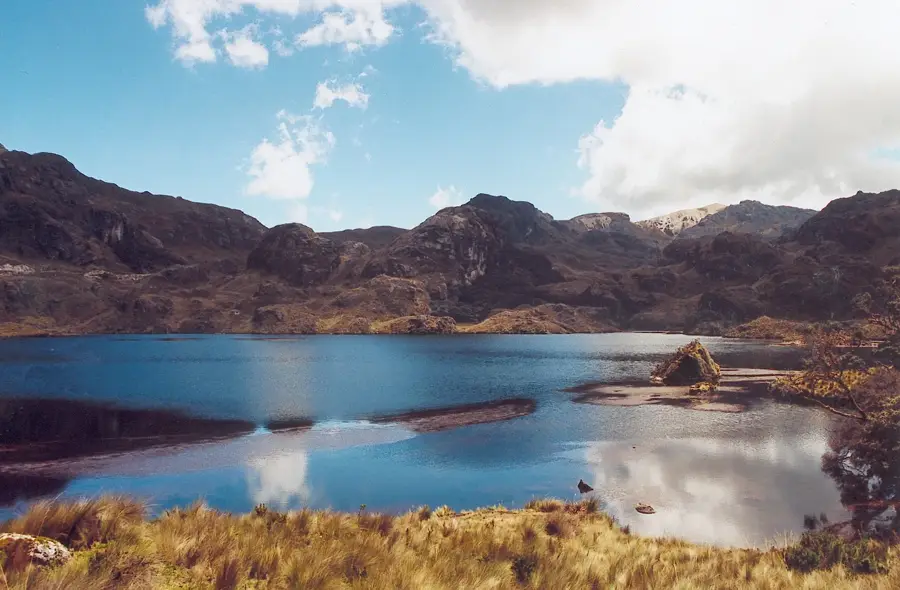
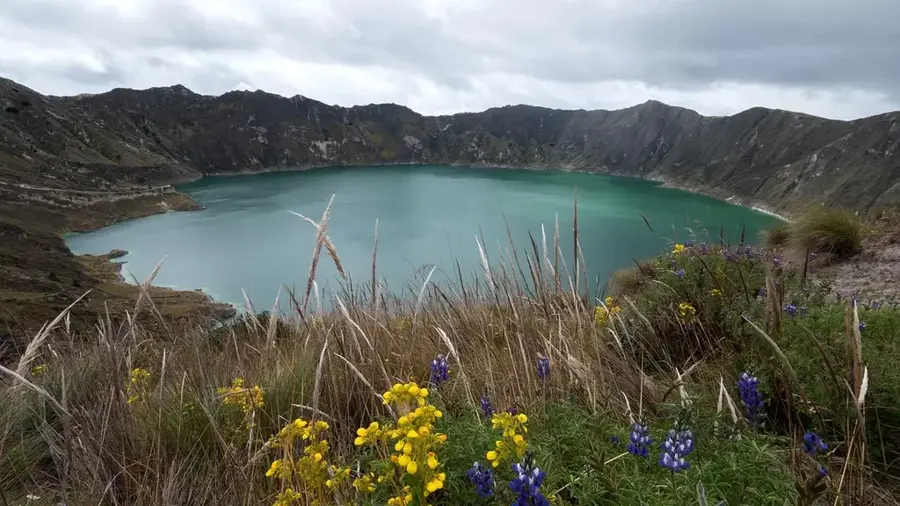
Just outside the city, this national park gives pristine lakes and absolute silence.
Water temperature…
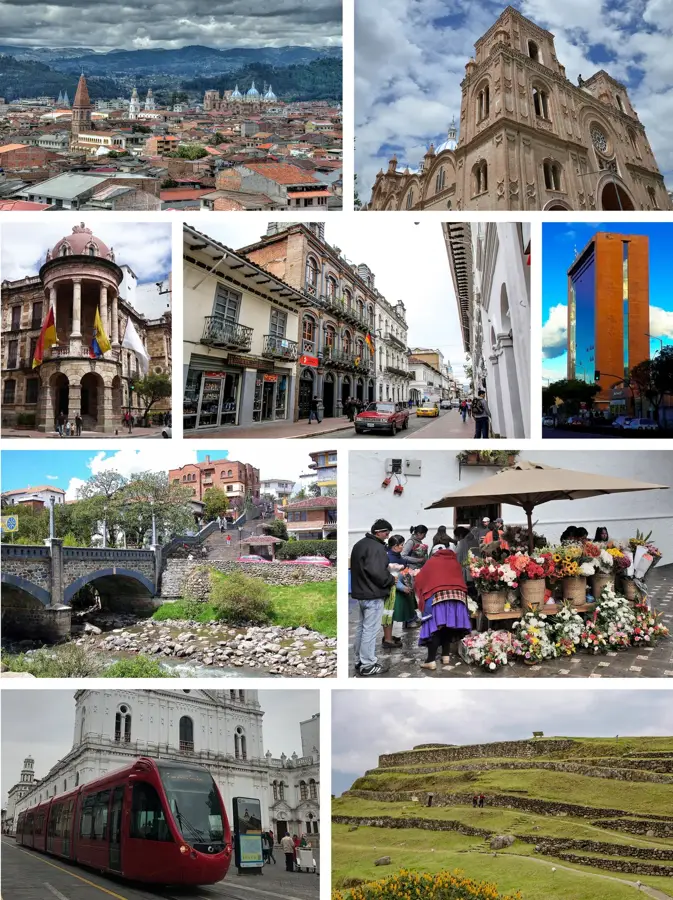
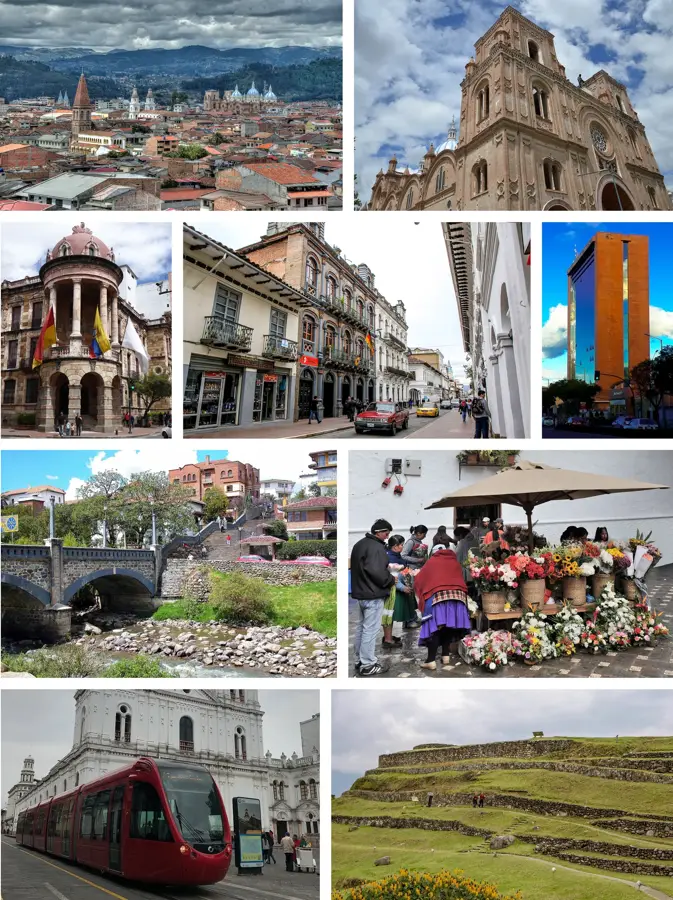
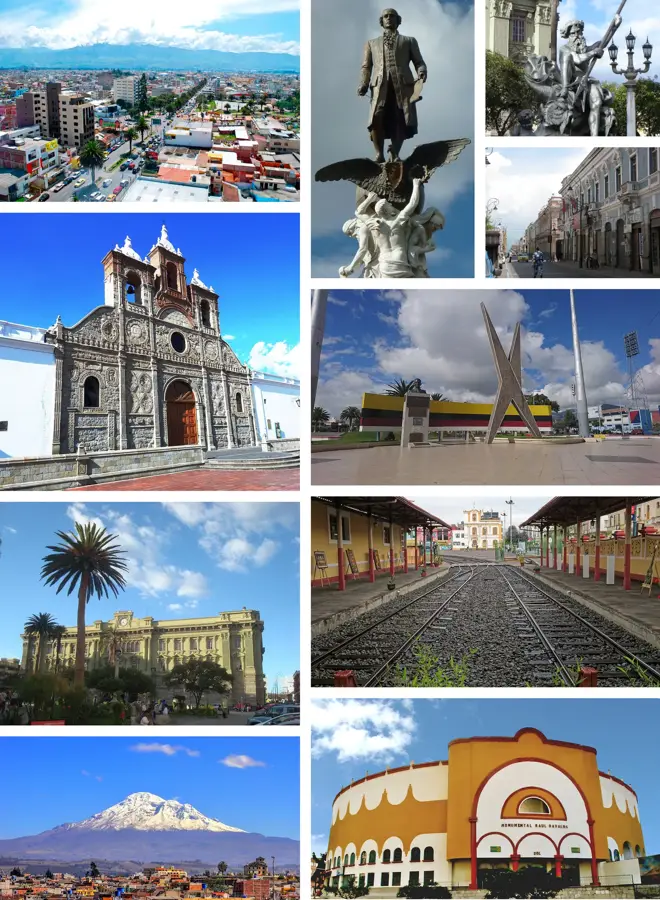
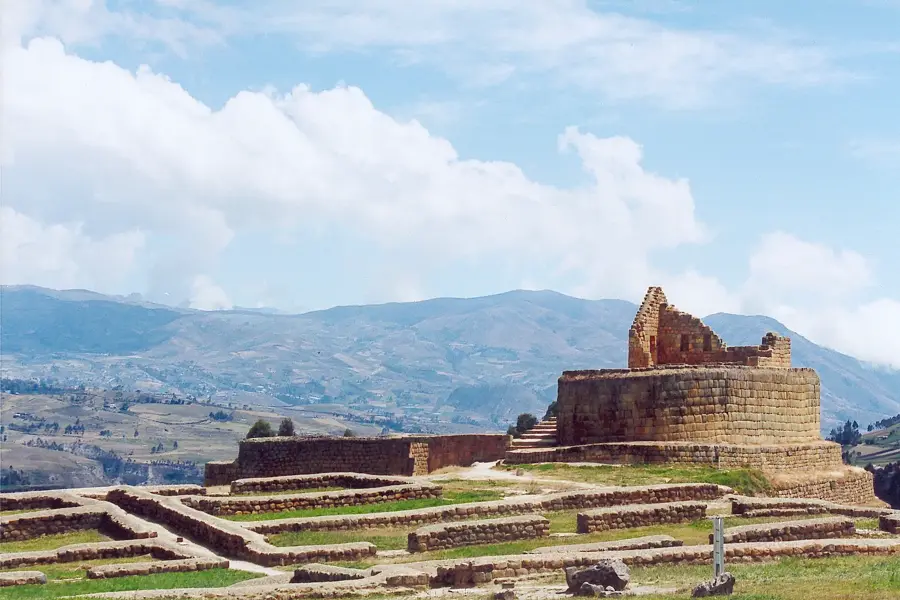
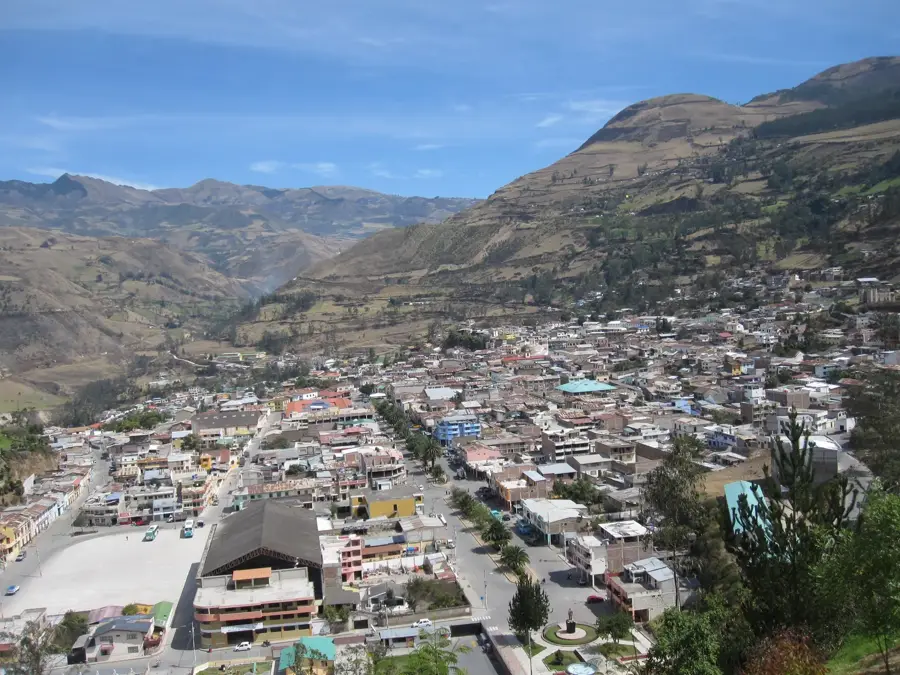
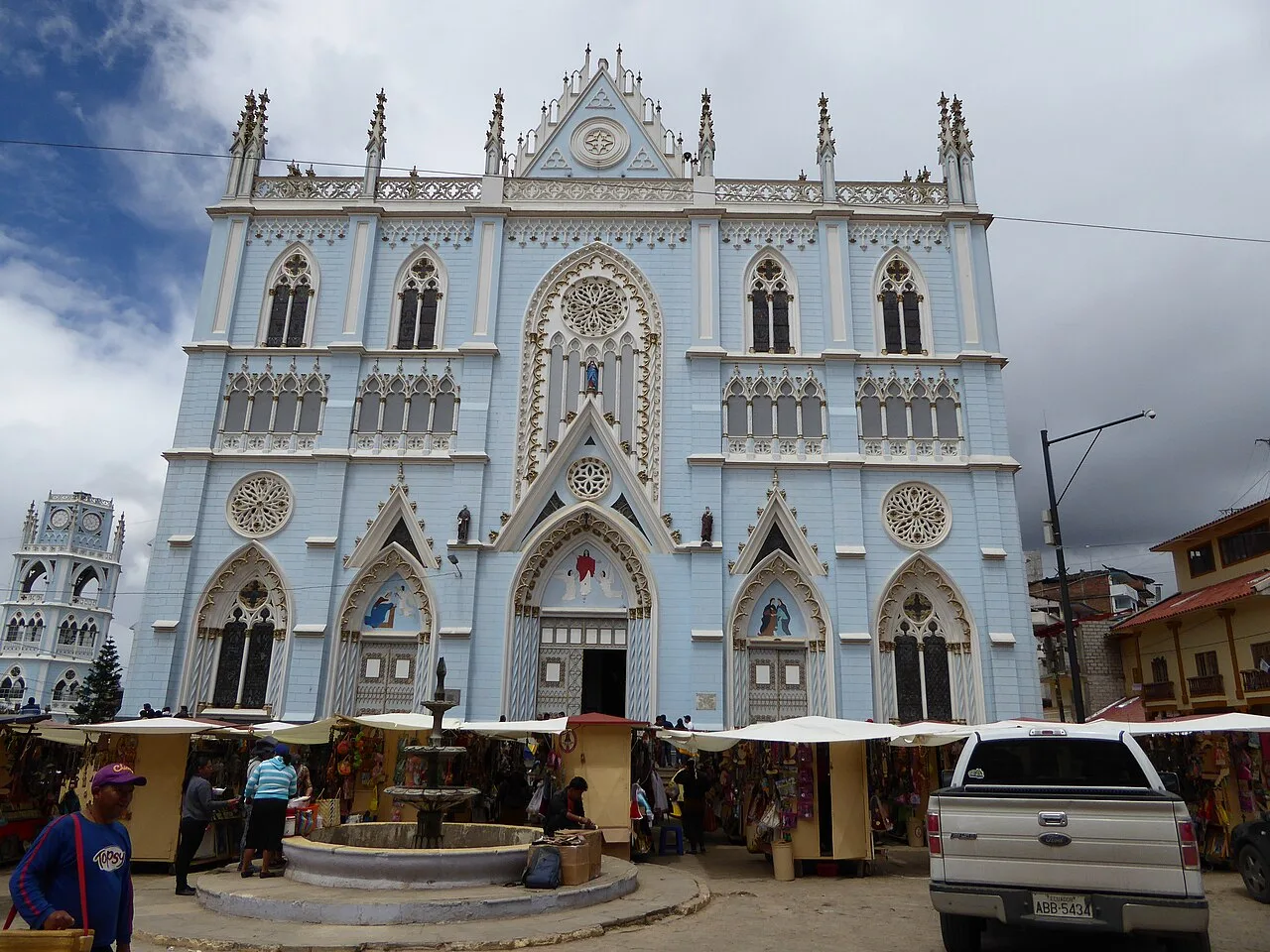
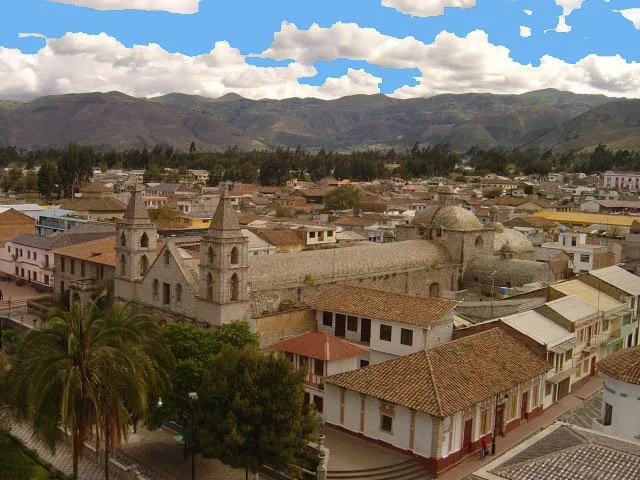
Cuenca, officially known as Santa Ana de los Cuatro Ríos de Cuenca, is Ecuador's third-largest city and the capital of the Azuay province. Set in the southern Andes at an altitude of 2,560 meters, the city is uniquely defined by the four rivers that flow through it: the Tomebamba, Yanuncay, Tarqui, and Machángara. Cuenca's historic center was designated a UNESCO World Heritage site in 1999, celebrated for its impeccably preserved Spanish colonial architecture mixed with 19th-century Republican styles. The skyline is dominated by the blue-tiled domes of the New Cathedral (Catedral de la Inmaculada Concepción), while the cobblestone streets are lined with ornate churches and flower-adorned balconies. The city occupies a site of immense historical significance; it was once the Incan city of Tomebamba, intended to be a second Cusco, and before that, the Cañari capital of Guapondelig. The archaeological remains at Pumapungo allow visitors to trace this rich indigenous past. Today, Cuenca is widely regarded as the cultural and intellectual heart of Ecuador, earning the nickname 'the Athens of Ecuador' for its numerous universities, poets, and artists. It is a world-renowned center for handicrafts, specifically the weaving of toquilla straw hats (Panama hats), silver filigree jewelry, and fine ceramics. In recent years, Cuenca has become a global destination for retirees, attracted by its spring-like climate, modern healthcare, and high quality of life. This has infused the city with a cosmopolitan vibe while it maintains its traditional Andean soul. The local transit system was recently upgraded with a state-of-the-art tram, the Tranvía de Cuenca, seamlessly connecting the old city with modern residential areas. Beyond the urban limits, the Cajas National Park gives a dramatic paramo landscape with hundreds of glacial lakes, providing a stark natural contrast to the city's refined architecture. Cuenca's culinary scene is equally compelling, ranging from traditional roast pork (hornado) sold in bustling markets to sophisticated international fusion cuisine.
- Location: Ecuador
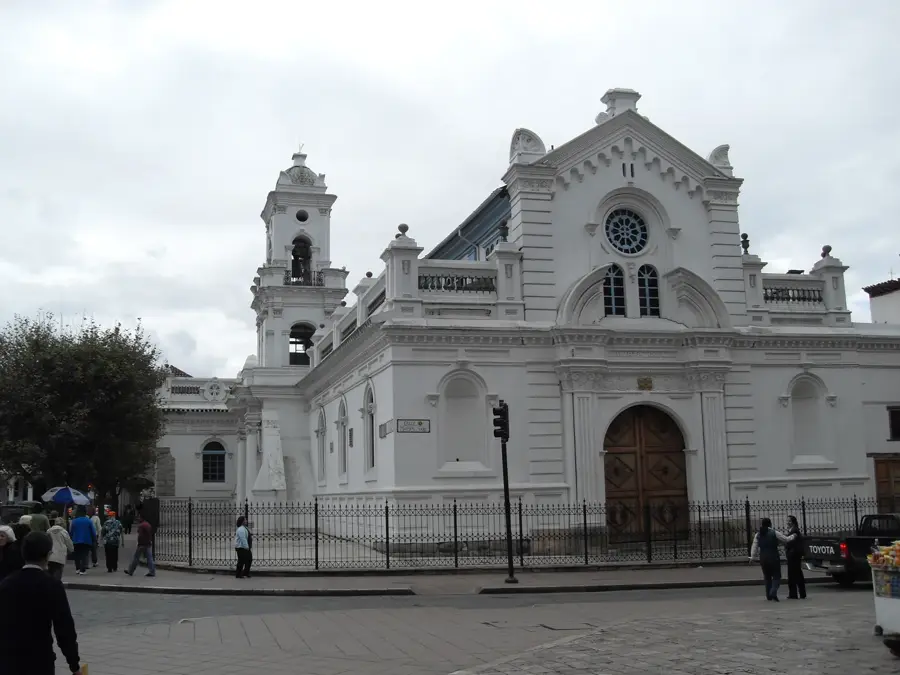
- Top sights: Museo Remigio Crespo Toral · Museo de las Culturas Aborigenes · Iglesia Católica del Monasterio de la Inmaculada Concepción, Cuenca
- Nearby: Gualaceo (25 km)
- Population: ~636.996 (2025)
Best time to visit & climate
The most pleasant time to visit is Sep, Nov, Dec.
| Jan | Feb | Mar | Apr | May | Jun | Jul | Aug | Sep | Oct | Nov | Dec | |
|---|---|---|---|---|---|---|---|---|---|---|---|---|
| Avg °C | 14 | 14 | 14 | 14 | 13 | 12 | 12 | 12 | 13 | 14 | 14 | 14 |
| Rain mm | 85 | 98 | 124 | 107 | 89 | 79 | 58 | 51 | 49 | 80 | 86 | 82 |
Live webcam – Cuenca
See what it looks like near Cuenca right now.
Cuenca › North: Universidad del Azuay · 2.2 km · Open webcam on Windy · Webcams provided by Windy.com
Geography
Facts
- Cuenca was officially founded in 1557 by order of the Viceroy of Peru.
- The city is located approximately 440 kilometers south of Quito.
- The New Cathedral's full name is 'Catedral de la Inmaculada Concepción'.
- Cuenca has been voted multiple times as the best place for expats to retire.
- The Tomebamba River walk (Barranco) is one of the most scenic paths in the city.
- Local industries include ceramics, textiles, and tire manufacturing (Continental).
- The Chordeleg district nearby is famous for its intricate gold and silver jewelry.
- Cuenca's municipal tramway is the highest high-capacity rail system in Ecuador.
Explore nearby
Notable places around
Route planner — Car & Motorhome
Where do you start? We build the route here, with stops and country notes along the way.
© OpenStreetMap contributors · OpenRouteService
Sights in the town Cuenca (14)
Frequently asked questions
Why is Cuenca considered a cultural center?
Do Panama hats really come from Cuenca?
What is the 'New Cathedral'?
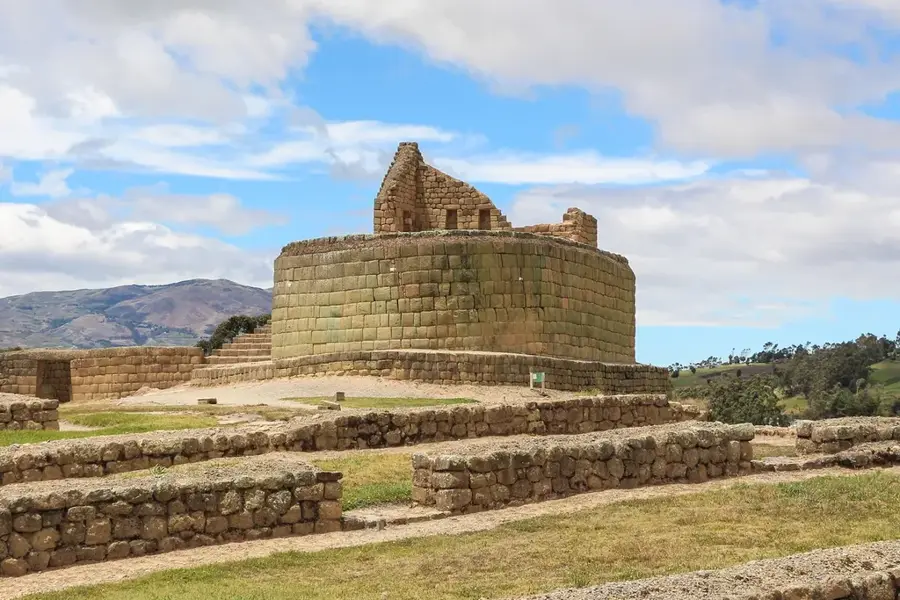
Are there Inca ruins nearby?
How many rivers flow through Cuenca?
Cuenca: where is it located?
Cuenca: what is there to see?
Cuenca: when is the best time to visit?
Cuenca: why is it worth visiting?
Nearby cities
History & landmarks
Nature
More places