Plizio Visual Lab

Pumapungo
Plizio editorial teamData Sources
Historical site
—°15
Pumapungo (Ecuador)

Weather…

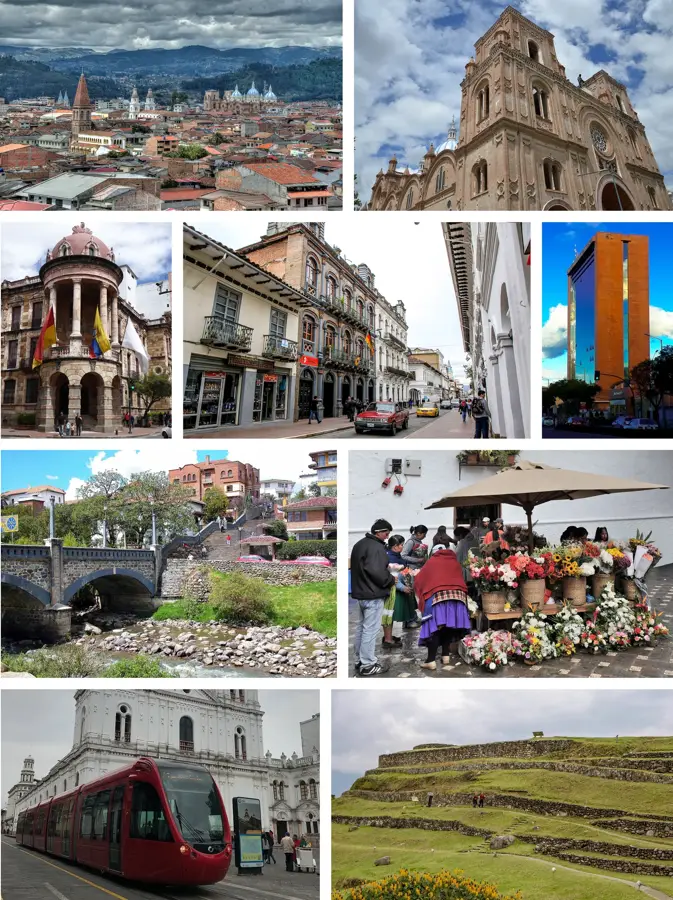
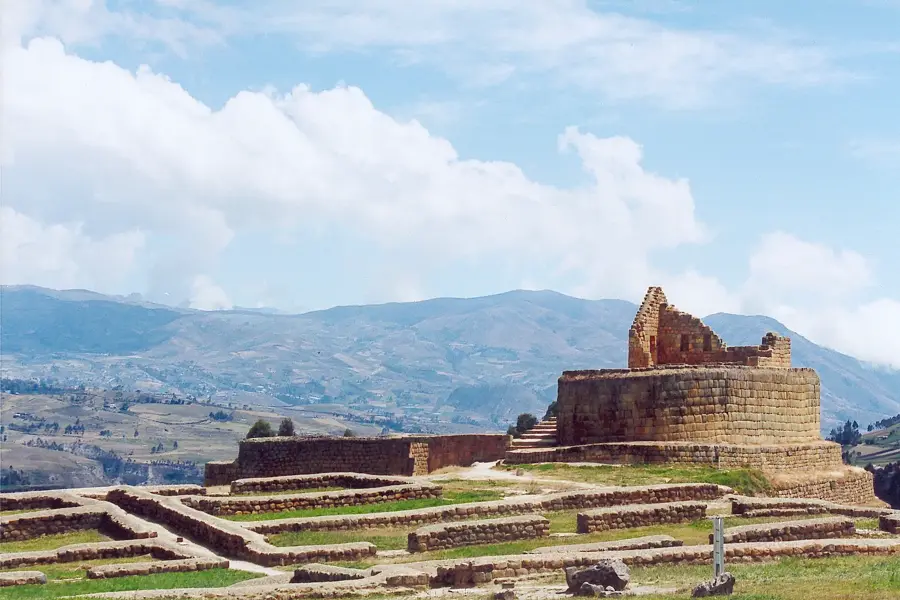
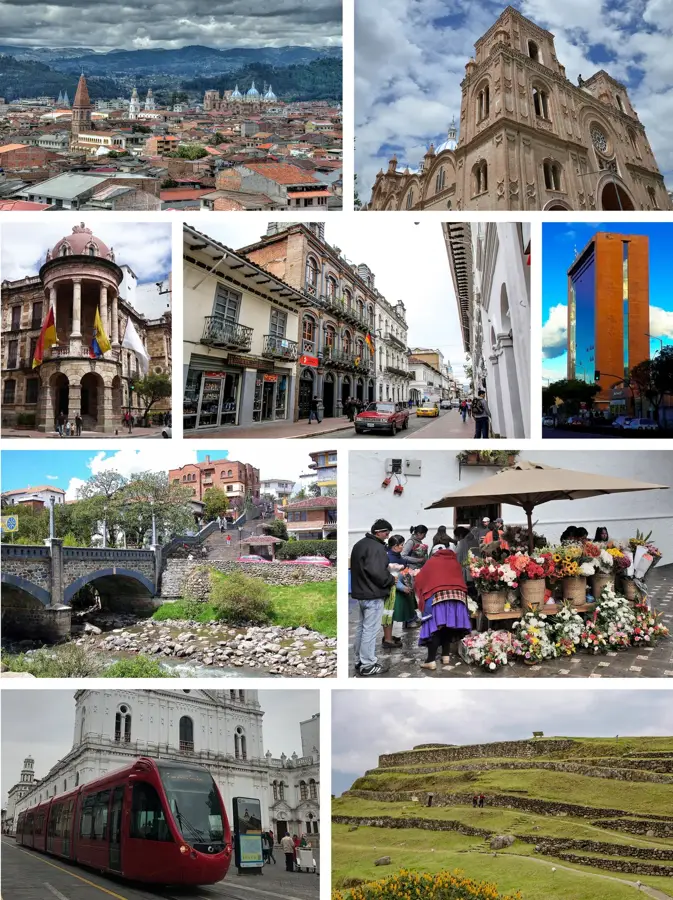
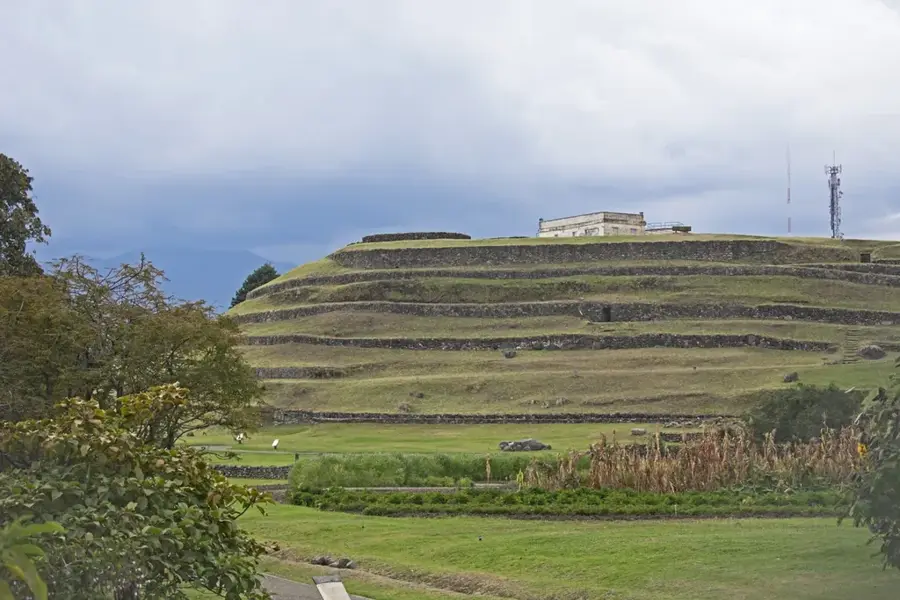
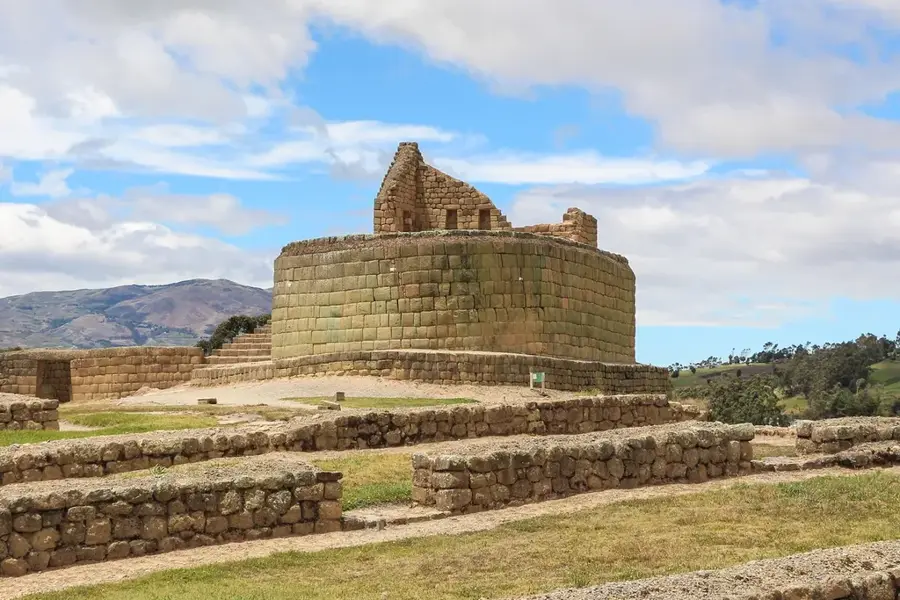
Pumapungo is a major archaeological site in the city of Cuenca, representing the remains of the ancient Inca city of Tomebamba. Built at the end of the 15th century under the Inca ruler Huayna Cápac, it was considered the 'second Cusco,' an administrative and religious center of immense importance in the northern part of the empire. The complex features impressive terraces, palace foundations, and a sacred area dedicated to sun worship. During the Inca Civil War and the subsequent Spanish conquest, the city was largely destroyed, but the surviving stonework still testifies to the superior architectural skills of the Inca. Today, the grounds also house an ethnobotanical garden where over 200 plant species sacred or useful to Andean culture are cultivated. The attached museum provides deep insights into pre-Hispanic history and the diversity of Ecuador's indigenous cultures, making Pumapungo an essential site for understanding the country's identity.

Best time to visit & climate

The most pleasant time to visit is Sep, Nov, Dec.

JanFebMarAprMayJunJulAugSepOctNovDec
Avg °C141414141312121213141414
Rain mm85981241078979585149808682

📋 Practical info

🚪
Visiting
The Pumapungo ruins in the heart of Cuenca are open to visitors within an archaeological park. You can explore the remains of the Inca city that once served as a religious and administrative center.
🕒
Typical hours
Archaeological sites in Ecuador typically open in the morning and close in the late afternoon. Exact hours are best confirmed on site, as they may vary by season.
📷
Photography
Photography is allowed throughout the archaeological park, but without flash indoors. Use the opportunity to capture the terraced structures against the backdrop of the Andes.
⏱️
Time needed
Allow about one to one and a half hours to explore the ruins and the small museum. Afterwards, a walk through the adjacent park is worthwhile.
Combine with
Combine the visit with the nearby Museo de las Culturas Aborígenes. The old town of Cuenca with its colonial architecture is also a short walk away.
🧭
Getting there
The ruins are in the historic center of Cuenca, easily reachable on foot from the cathedral. Taxis and city buses stop near the entrance.
💡
Insider tip
Wear comfortable shoes as the terrain is uneven and has many steps. Visit the site early in the morning to avoid crowds and get the best light for photos.

Geography

Coordinates
-2.90690, -78.99500

Facts

  • Part of the ancient Inca city of Tomebamba.
  • Built by the Inca Huayna Cápac around 1470.
  • Considered the administrative center of the northern Inca Empire.
  • Includes a tunnel believed to have been used for ritual purposes.
  • Home to a garden featuring over 200 native plant species.
  • The museum houses a collection of shrunken heads (Tzantzas).

Explore nearby

Notable places around
Route planner — Car & Motorhome

Where do you start? We build the route here, with stops and country notes along the way.

Vehicle
Only stops with (optional):

© OpenStreetMap contributors · OpenRouteService

Sights in the town Pumapungo (15)

Parque El Paraíso🌳 park

The extensive Parque El Paraíso is an urban recreation area located at the confluence of two rivers in Cuenca.

Casa de Chaguarchimbana🏛 museum

Housed in a historic country home in Cuenca, this museum preserves local heritage.

Quinta Bolívar🏛 museum

The Quinta Bolívar museum is dedicated to Simón Bolívar's historic stays in this region.

Monumento Huayna Cápac🏺 historical

This monument commemorates the Inca ruler Huayna Cápac near the ruins of Pumapungo.

Qurikancha🏺 historical

This archaeological site testifies to the Inca presence within the historic Pumapungo complex.

Monumento a Emiliano J. Crespo🏺 historical

The urban monument honors the historical figure Emiliano J. Crespo in a public square.

Iglesia⛪ religious

This place of worship serves the religious community near the Pumapungo sites.

Iglesia Matriz de El Valle⛪ religious

The main church of El Valle is the spiritual center of this urban district.

Iglesia del Despacho del Valle⛪ religious

This religious building complements the parish in the bustling district of El Valle.

Micro El Portal🎭 culture

The small El Portal marketplace supplies local neighborhood residents with daily goods.

Plásticos y Descartables🎭 culture

A marketplace specializing in plastics and disposable goods.

Mercado Totoracocha🎭 culture

A neighborhood market serving fresh local goods in the Totoracocha area.

Hábitat Anfibios📍 landmark

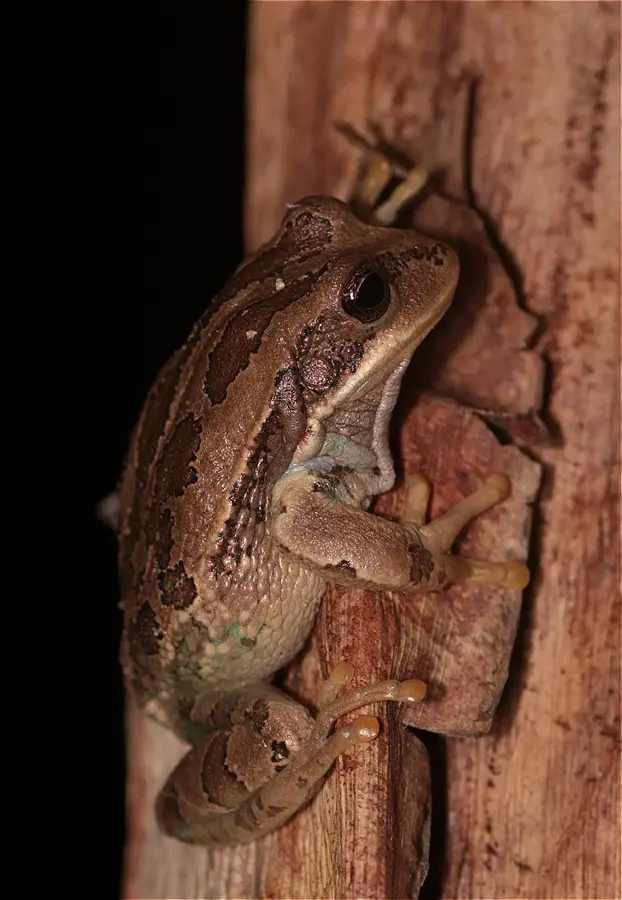
An educational exhibition space dedicated to the conservation of local amphibian life.

El Boquerón📍 landmark

A scenic mountain pass offering panoramic views of the surrounding high-altitude valleys.

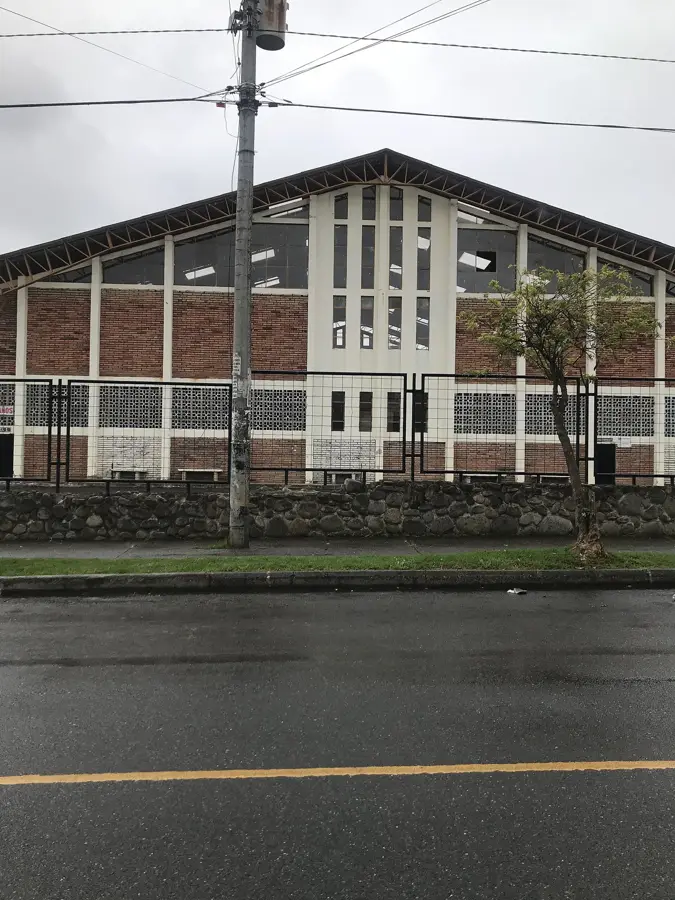
Iglesia Bilingue Belen📍 landmark

A bilingual Christian congregation catering to a diverse local community.

Sights nearby

Frequently asked questions

What can be seen in Pumapungo Park?
Inca ruins, botanical gardens, and an ethnographic museum.
Where is Pumapungo located?
Right in the city center of Cuenca, at the end of Calle Larga.
Is there an entrance fee?
Admission to the museum and the park is typically free.
Are there any animals there?
Yes, there is a bird rescue center with parrots and eagles.
How much time should you plan for?
About 1.5 to 3 hours to explore the museum and the outdoor grounds.
Pumapungo: where is it located?
Pumapungo is located in Ecuador.
Pumapungo: what is there to see?
Highlights include Parque El Paraíso, Casa de Chaguarchimbana, Quinta Bolívar.
Pumapungo: when is the best time to visit?
The most pleasant time to visit is Sep, Nov, Dec.
Pumapungo: why is it worth visiting?
Pumapungo is a major archaeological site in the city of Cuenca, representing the remains of the ancient Inca city of Tomebamba.
View on map → The Top 50 Attractions → OpenStreetMap →
South America
Explore with Plizio Discover more places in South America
More places in Ecuador →

Nearby cities

History & landmarks
Nature
More places