Plizio Visual Lab
Zamora
ℹ️Practical info — Zamora
▾
🌤 Weather — 5 days
📍 Nearby
Sights nearby
💡 Tips
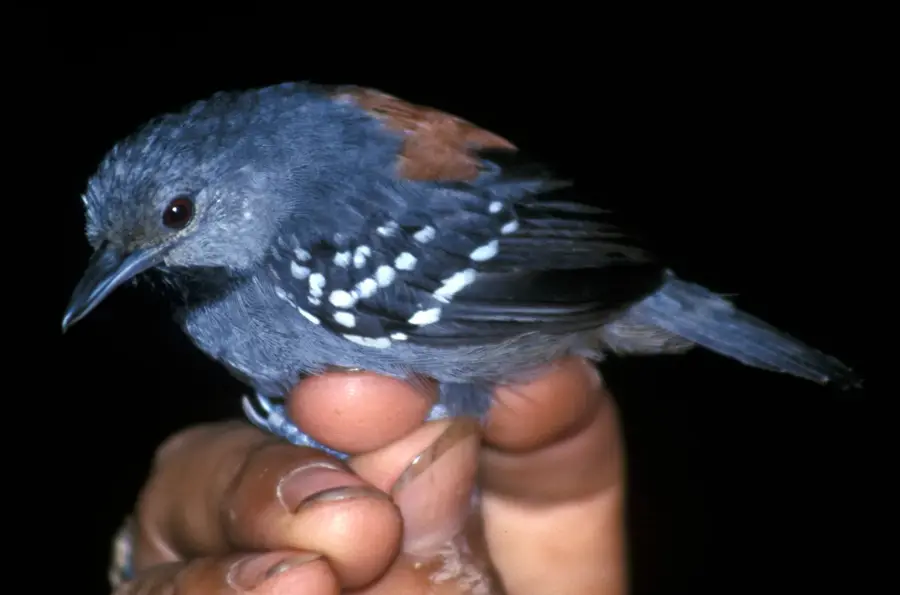
- Known as the 'City of Birds and Waterfalls,' pack reliable rain gear as the Amazonian climate means sudden showers.
- Start early if you plan to visit Podocarpus National Park to see the best wildlife.
- The riverside walks (malecones) are beautiful but can be humid; wear lightweight clothing.
- Look for local transport (camionetas) to reach nearby waterfalls cheaply.
- Try the local sugarcane juice (jugo de caña) to stay energized.
🍽 Food
Meat or fish steamed in leaves, a traditional Shuar dish commonly found in the central market.
A local specialty served in traditional restaurants along the Zamora River.
Freshly fried fish, easily found at numerous riverside eateries.
🛍 Shopping · 🧘 Quiet spots
The best place to buy exotic Amazonian fruits like chonta and pitahaya.
Look for beadwork and traditional artifacts from local indigenous communities.
Small items reflecting the town's history as a mining center, available in local shops.
Head to the Bombuscaro entrance for a tranquil hike through the dense, biodiverse cloud forest.
A pleasant riverside promenade well-suited for a relaxing evening stroll.
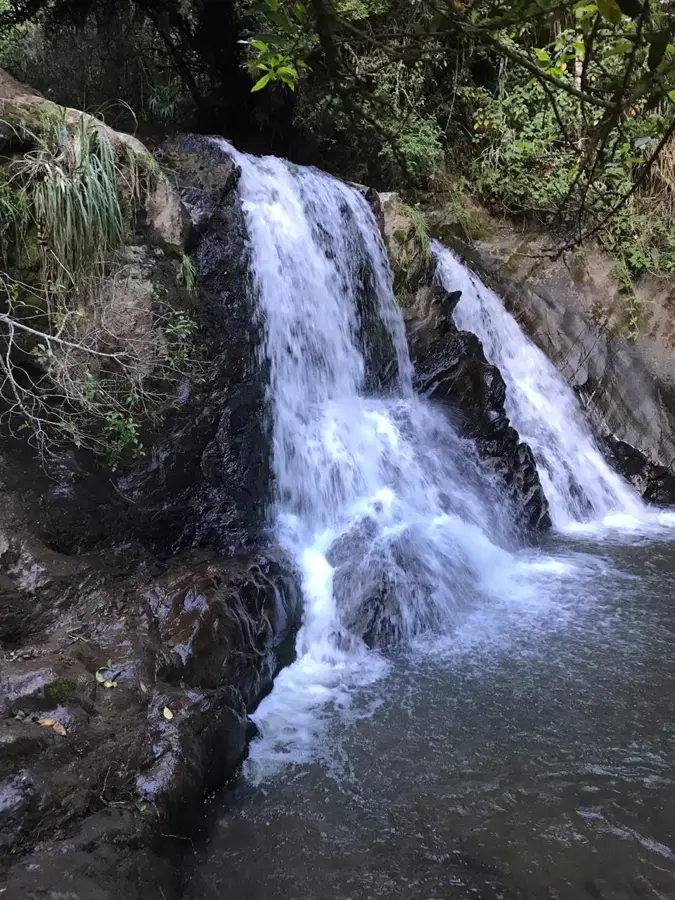
A short trip from the center offering a peaceful waterfall setting.
Water temperature…
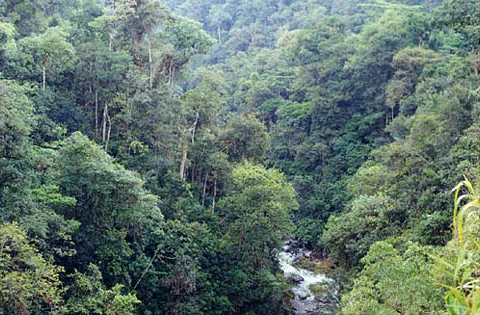
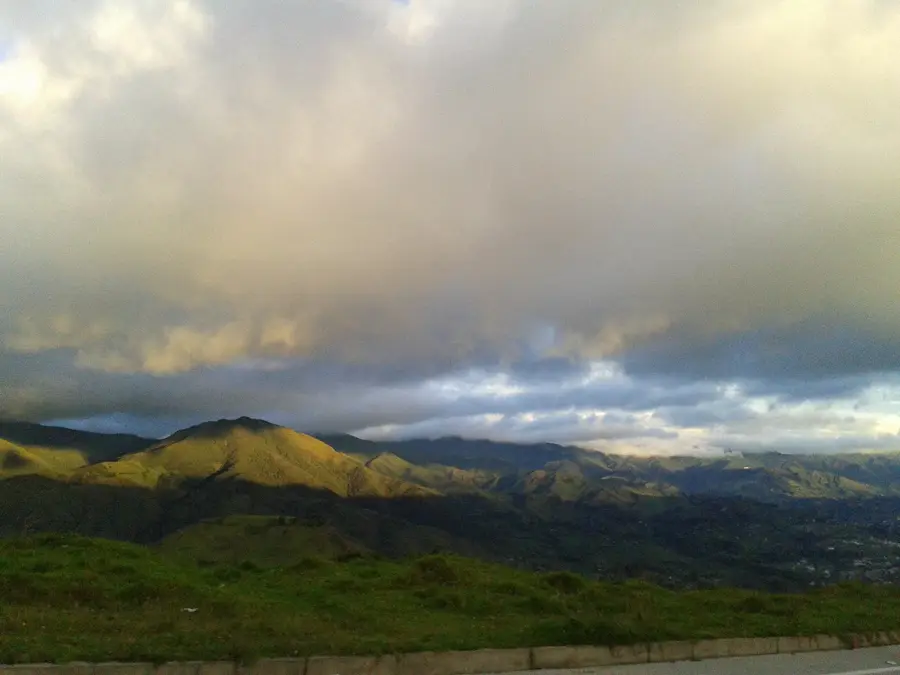
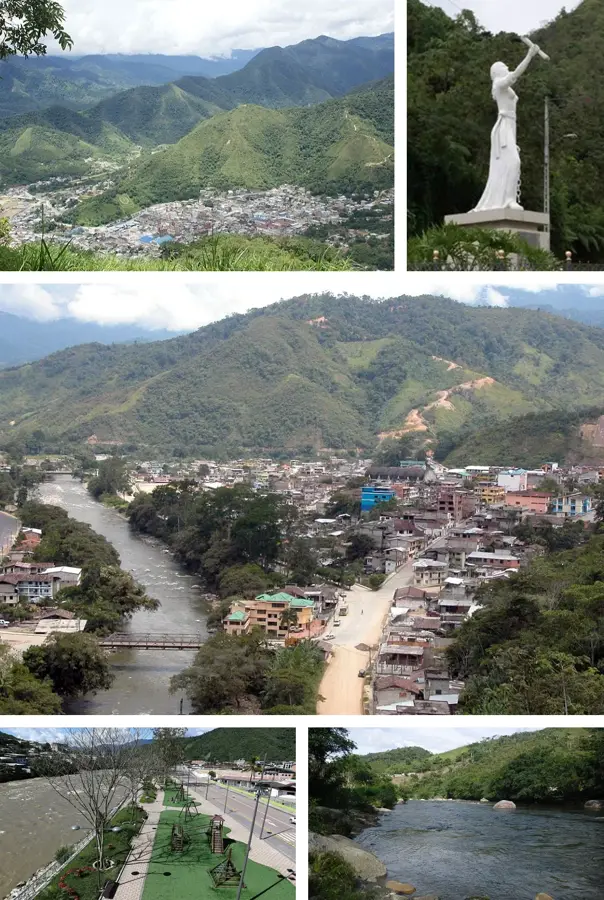
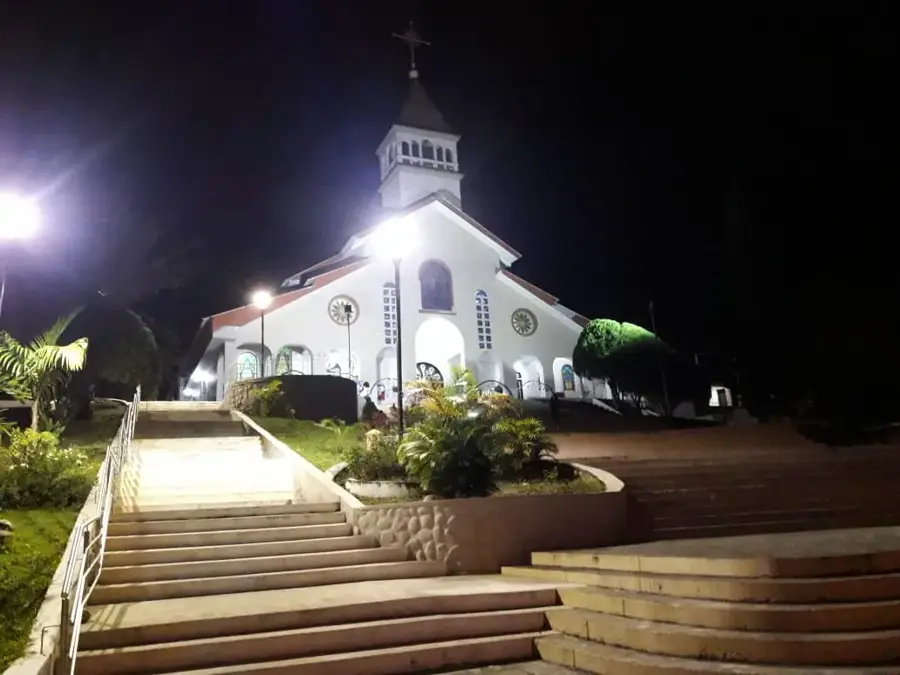
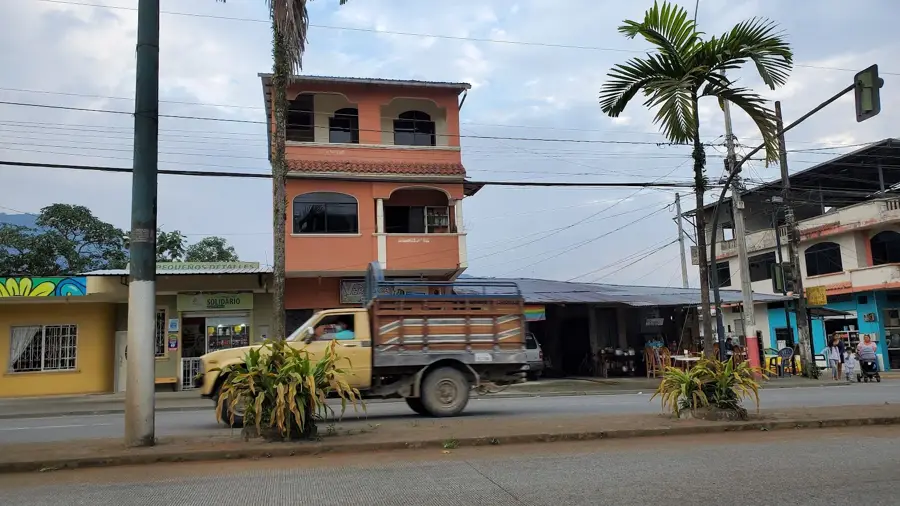
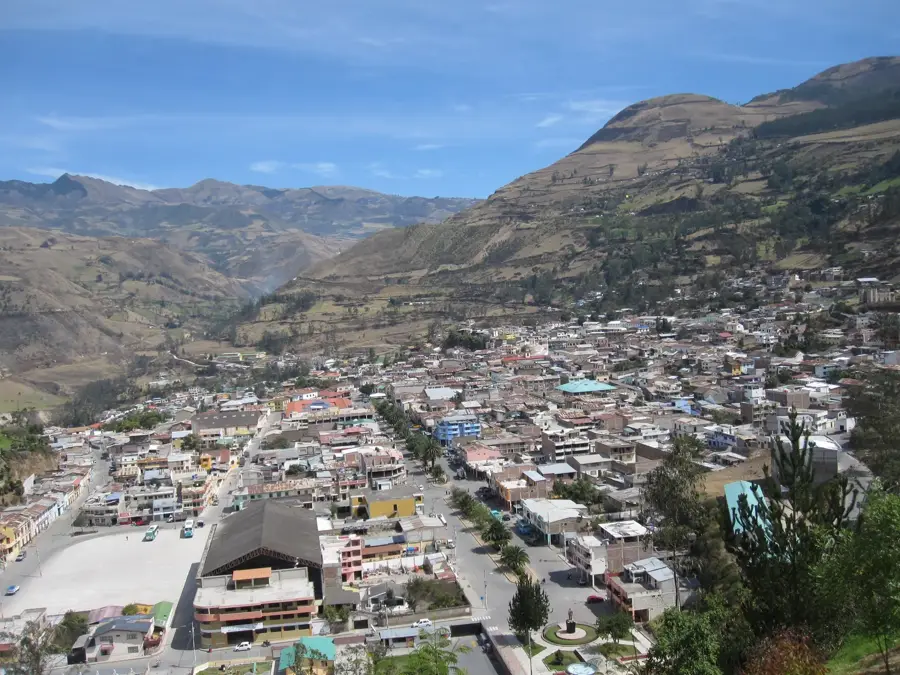
Zamora, affectionately known as the 'City of Birds and Waterfalls,' serves as the capital of the Zamora-Chinchipe Province in southeastern Ecuador. Located at the foot of the Andes as they descend into the Amazon Basin, the city occupies a unique ecological niche characterized by cloud forests and humid tropical jungles. Its history is deeply intertwined with the quest for precious metals, specifically gold, which drew Spanish explorers to the region as early as the mid-16th century. However, the fierce resistance of the indigenous Shuar people meant that the settlement faced numerous challenges and relocations over the centuries. In the modern era, Zamora has emerged as a strategic hub for mining, agriculture, and increasingly, ecotourism. The nearby Podocarpus National Park is a major draw for scientists and nature enthusiasts, housing thousands of plant species and over 600 species of birds. The local economy benefits from fertile soil, producing high-grade coffee, cacao, and tropical fruits, while cattle ranching remains a traditional mainstay. The city itself is laid out along the banks of the Zamora River, featuring landmarks like the massive Giant Clock on the hillside, one of the largest of its kind. Culturally, Zamora is a melting pot where the traditions of the Shuar and Saraguro indigenous groups blend with those of mestizo settlers. The humid tropical climate ensures that the landscape remains vibrantly green, with spectacular waterfalls cascading from the surrounding mountains just minutes from the city center. As infrastructure improves, particularly the road link to the highlands of Loja, Zamora continues to grow as a vital link between the Andean mountains and the vast Amazonian wilderness, balancing industrial growth with environmental stewardship.
- Location: Ecuador
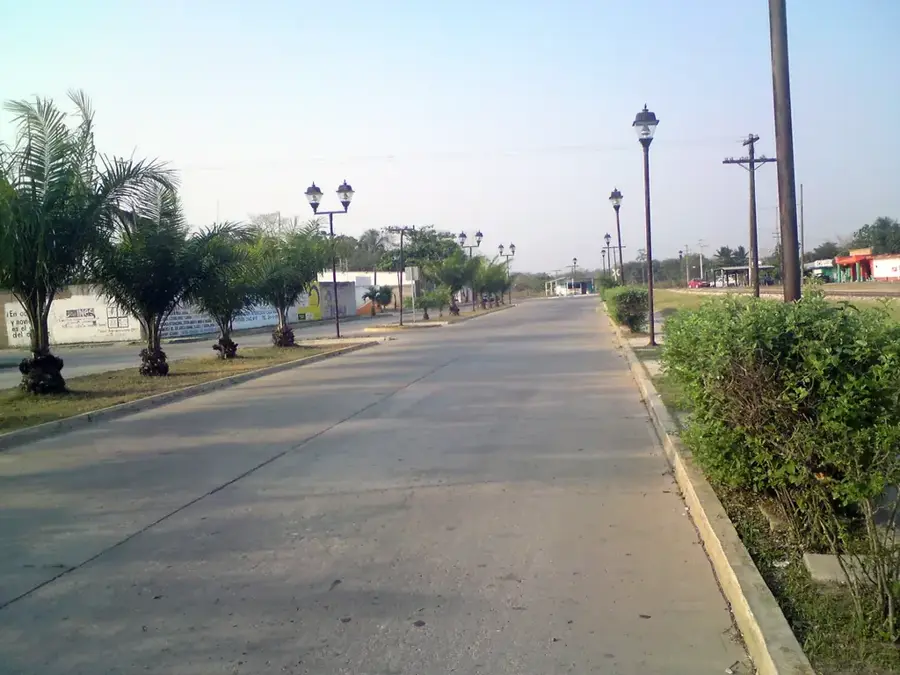
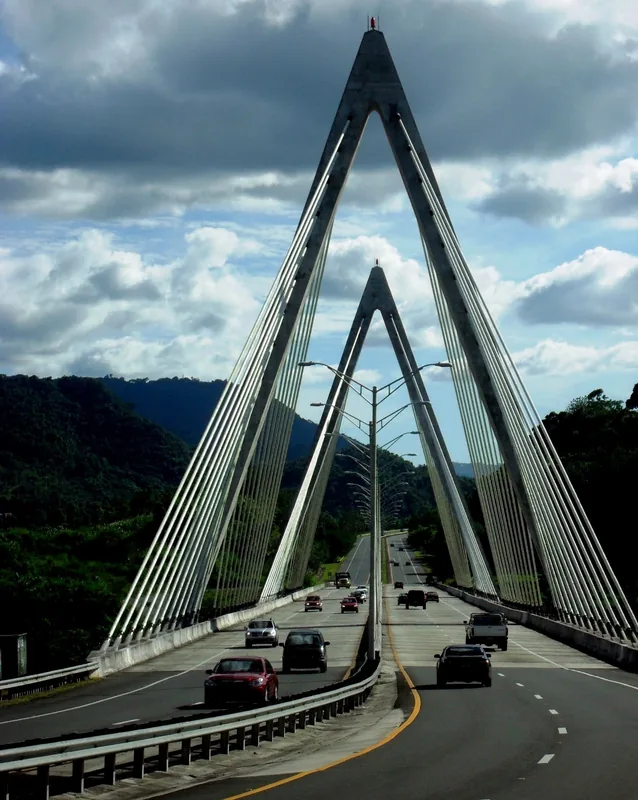
- Top sights: Puente Martín Ujukam · Redondel Naya La Chapetona · Letras ZAMORA
- Nearby: Vilcabamba (29 km)
- Population: ~15.276 (2026)
Best time to visit & climate
The most pleasant time to visit is Aug–Oct.
| Jan | Feb | Mar | Apr | May | Jun | Jul | Aug | Sep | Oct | Nov | Dec | |
|---|---|---|---|---|---|---|---|---|---|---|---|---|
| Avg °C | 20 | 19 | 19 | 19 | 19 | 18 | 18 | 19 | 20 | 20 | 20 | 20 |
| Rain mm | 75 | 102 | 105 | 83 | 62 | 58 | 45 | 34 | 34 | 67 | 73 | 75 |
Geography
Facts
- Zamora is known as the 'City of Birds and Waterfalls' for its biodiversity.
- The city was originally founded in 1549 by Spanish conquistadors.
- It sits at an altitude of approximately 920 meters (3,018 feet).
- The Giant Clock of Zamora is a major landmark visible from across the city.
- Podocarpus National Park, nearby, is home to the rare Spectacled Bear.
- Gold mining in the area dates back to the colonial era and remains active.
- The population of the city is roughly 25,000 people.
- It is a primary center for the production of fine aroma cacao in Ecuador.
Explore nearby
Notable places around
Route planner — Car & Motorhome
Where do you start? We build the route here, with stops and country notes along the way.
© OpenStreetMap contributors · OpenRouteService
Sights in the town Zamora (15)
Frequently asked questions
Why is Zamora called the 'City of Birds and Waterfalls'?
What is the Giant Clock of Zamora?
Is Podocarpus National Park nearby?
What is a typical drink in Zamora?
How is the climate in Zamora?
Zamora: where is it located?
Zamora: what is there to see?
Zamora: when is the best time to visit?
Zamora: why is it worth visiting?
Nearby cities
History & landmarks
Nature
More places