Plizio Visual Lab
Sagallou

ℹ️Practical info — Sagallou
▾
🌤 Weather — 5 days
📍 Nearby
Sights nearby
💡 Tips
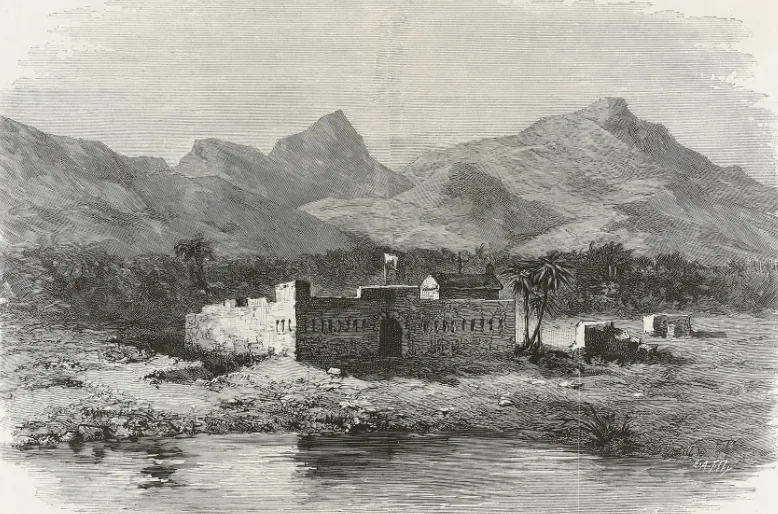
- Look out for the subtle remnants of the short-lived 19th-century Russian settlement.
- The beaches are pristine but unguarded; swim with caution regarding currents.
- Access is best via a 4x4 vehicle along the coastal track from Tadjoura.
- Bring all necessary supplies, as the village has very limited shops.
🍽 Food
Sometimes made by local families.
Caught daily in the Gulf of Tadjoura.
A common welcoming drink in coastal Afar homes.
🛍 Shopping · 🧘 Quiet spots
Sometimes small traditional items can be found.
Occasional finds if you ask local women.
Walk along the quiet, palm-fringed coast.
A reflective spot imagining the brief Russian colonial history.
Water temperature…
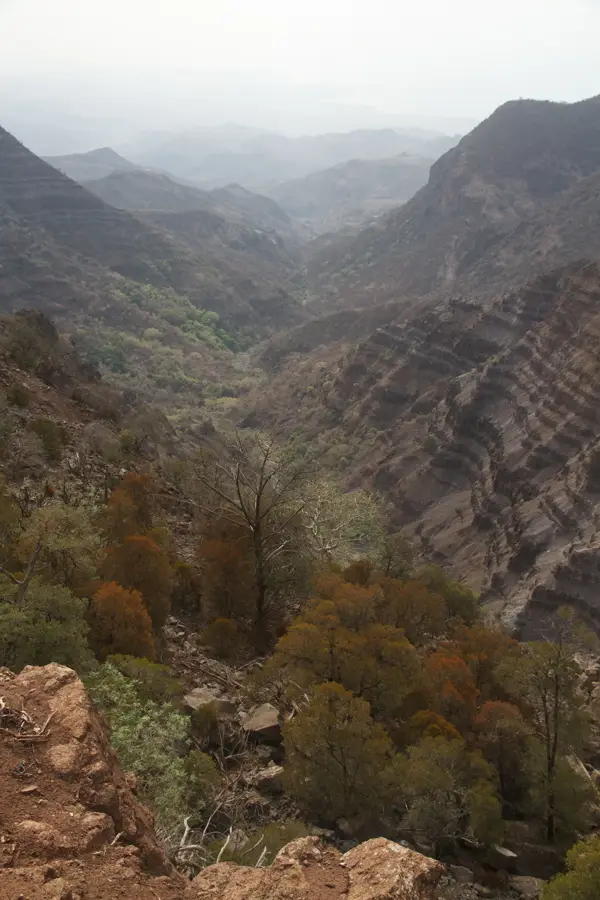
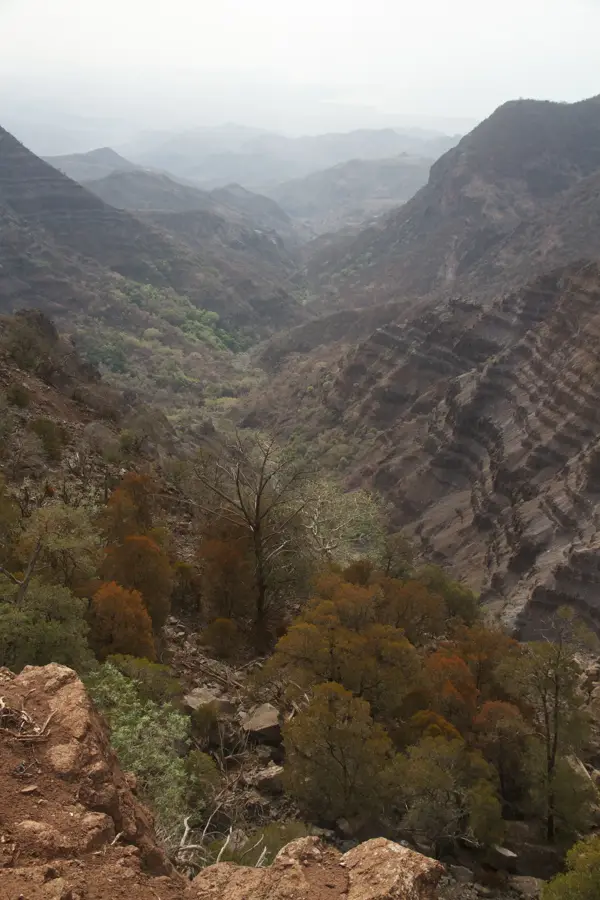
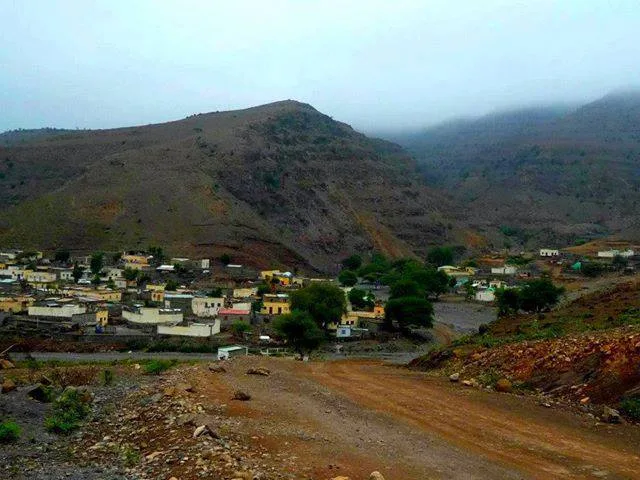
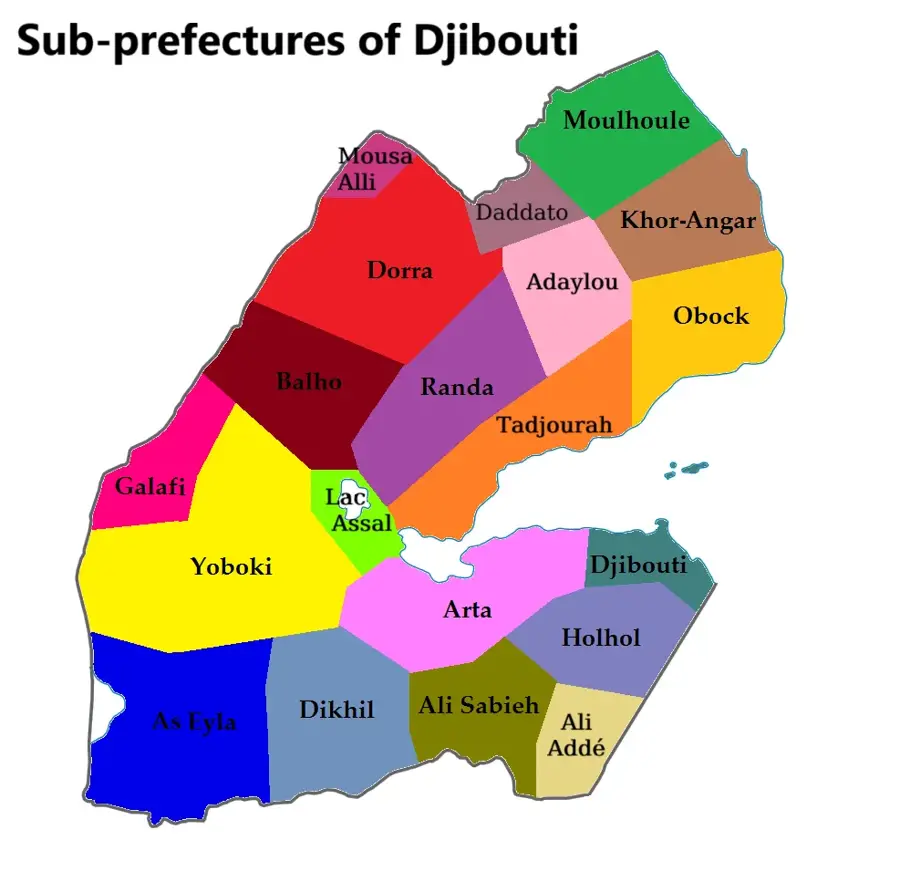
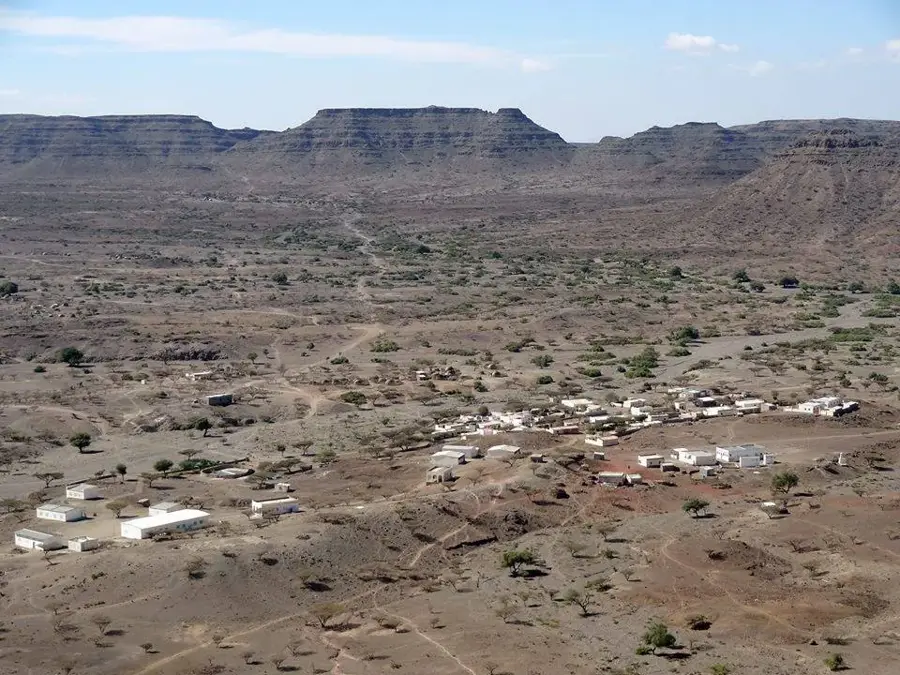
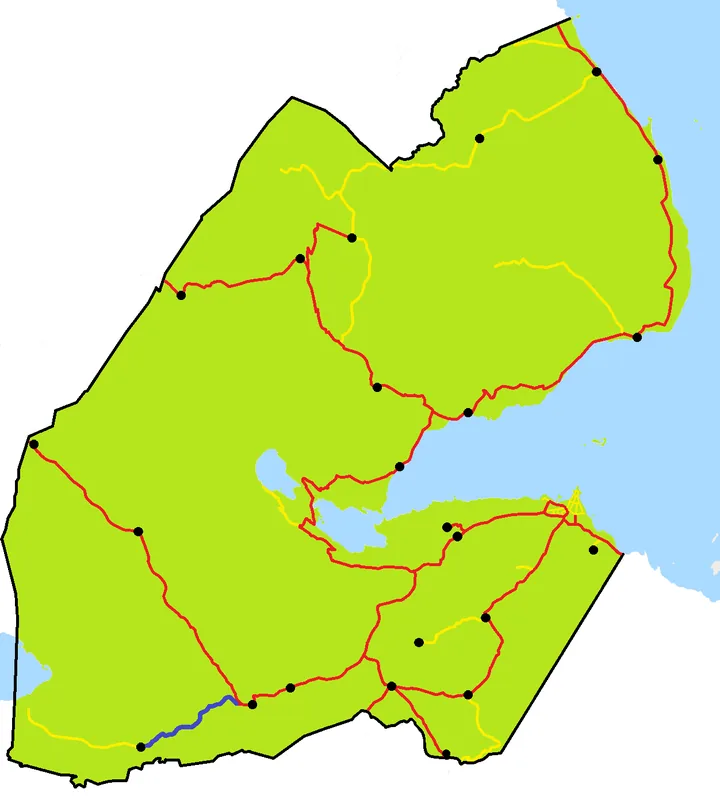
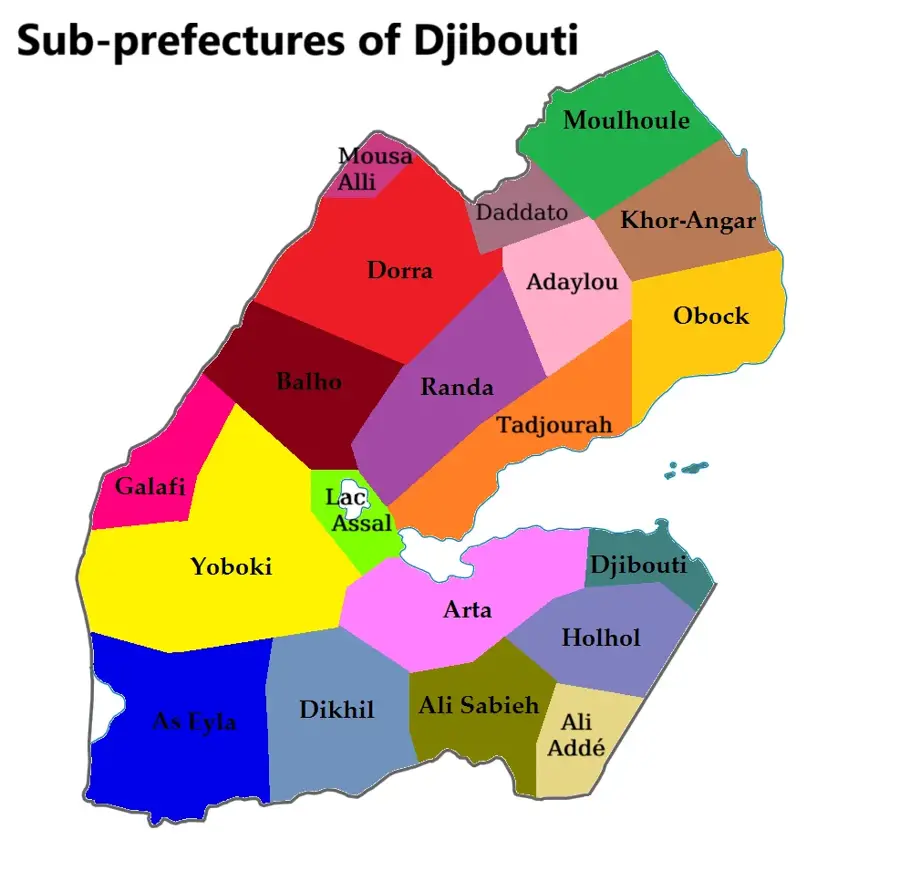
Sagallou is a coastal town in the Tadjourah Region of northern Djibouti, located on the Gulf of Tadjoura. The town is historically significant as the site of a failed Russian colonization attempt in 1889, when a group of Cossacks led by Nikolay Achinov tried to establish a settlement named 'New Moscow'. This event led to a brief diplomatic crisis and an intervention by the French Navy, who claimed the territory. Today, Sagallou is a quiet fishing village known for its traditional Afar architecture and its proximity to the Goda Mountains. The surrounding landscape is defined by arid coastal plains and volcanic rock formations. The local economy is primarily based on artisanal fishing and small-scale trade between coastal communities. Due to its sheltered location, the town provides a glimpse into the region's maritime culture, which has been influenced by Indian Ocean trade for centuries. Climatic conditions are hot and dry year-round, which limits agricultural possibilities and requires residents to adapt to a semi-nomadic way of life.
- Location: Djibouti
- Top sights: Hankatta · Garrôni ‘Ale · ‘Asa Kôma
- Nearby: Karta (11 km)
Best time to visit & climate
The most pleasant time to visit is Jan, Feb, Dec.
| Jan | Feb | Mar | Apr | May | Jun | Jul | Aug | Sep | Oct | Nov | Dec | |
|---|---|---|---|---|---|---|---|---|---|---|---|---|
| Avg °C | 23 | 24 | 26 | 28 | 31 | 34 | 34 | 33 | 32 | 28 | 26 | 24 |
| Rain mm | 6 | 7 | 24 | 55 | 28 | 7 | 33 | 50 | 39 | 20 | 10 | 14 |
Geography
Facts
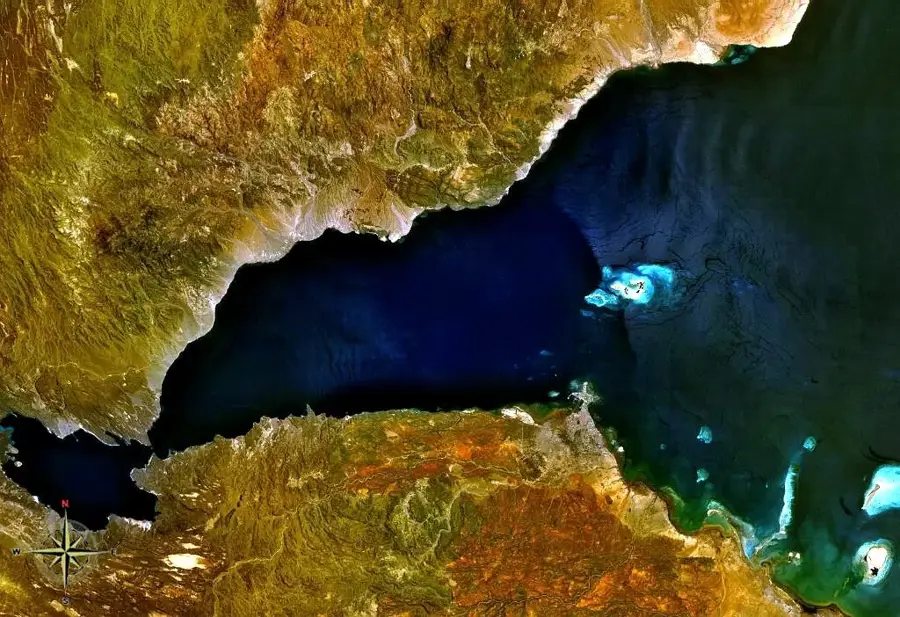
- Located on the Gulf of Tadjoura in northern Djibouti.
- Site of the 1889 Russian attempt to establish a colony.
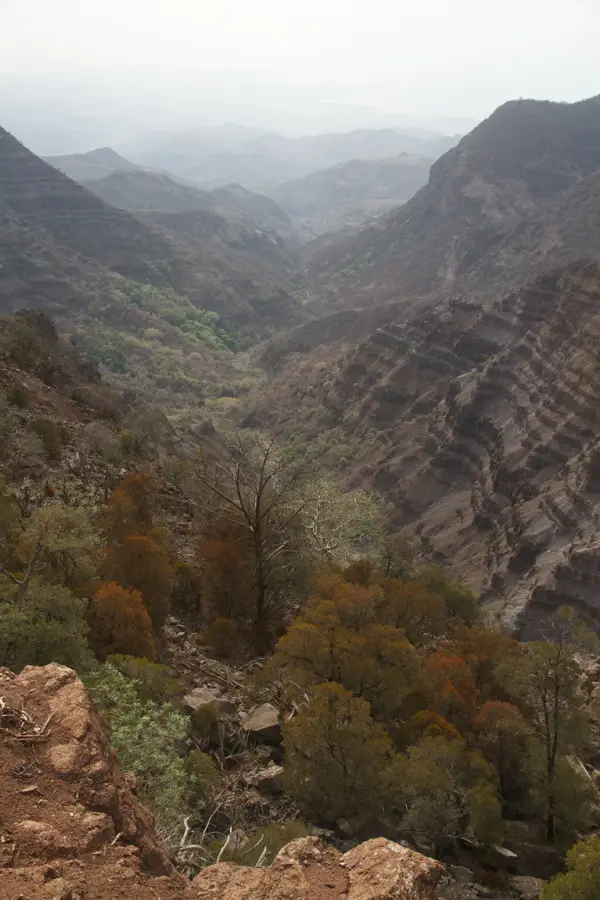
- Situated near the forested slopes of the Goda Mountains.
- Witnessed a French naval intervention against Russian Cossacks.
- The primary source of income is traditional artisanal fishing.
- Provides access to the coral reefs of the Gulf of Tadjoura.
Explore nearby
Notable places around
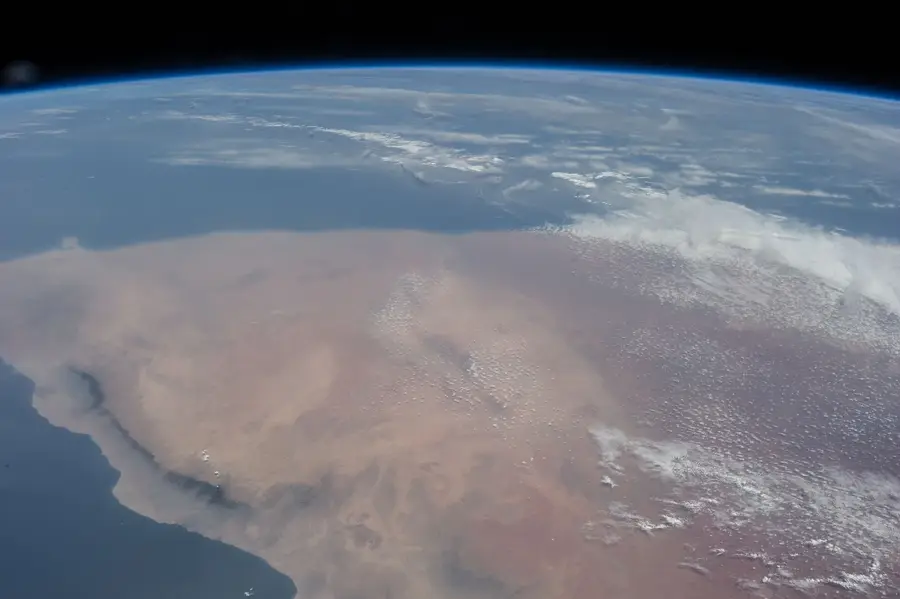


Route planner — Car & Motorhome
Where do you start? We build the route here, with stops and country notes along the way.
© OpenStreetMap contributors · OpenRouteService
Sights in the town Sagallou (3)
Frequently asked questions
What is Sagallou known for?
Where is it located?
Are there ruins to see?
Can you swim there?
How to get there from Tadjoura?
Sagallou: where is it located?
Sagallou: what is there to see?
Sagallou: when is the best time to visit?
Sagallou: why is it worth visiting?

Nearby cities
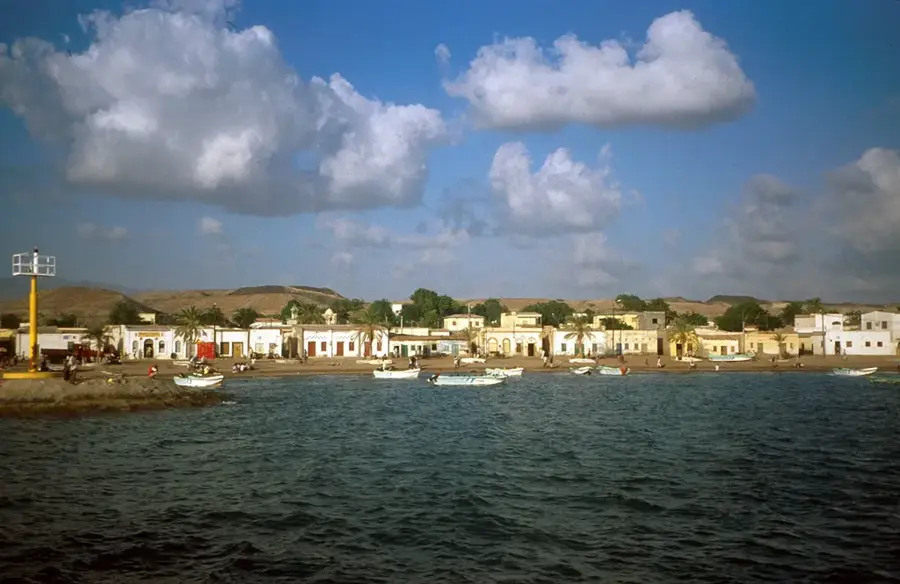
History & landmarks
Nature
More places