Plizio Visual Lab

Goda Forest
Plizio editorial teamData Sources
Forest
—°3
Goda Forest (Djibouti)

Weather…

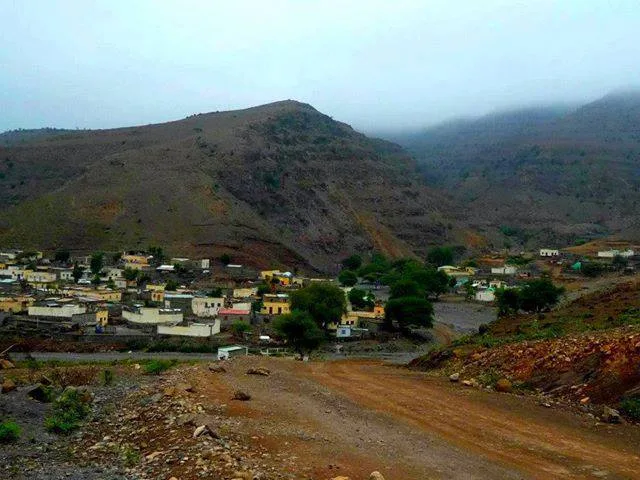
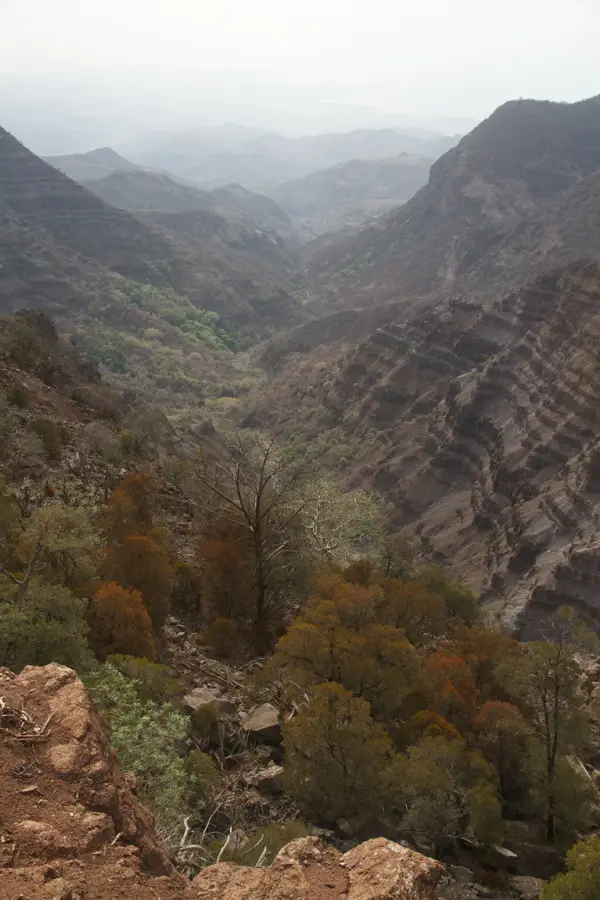
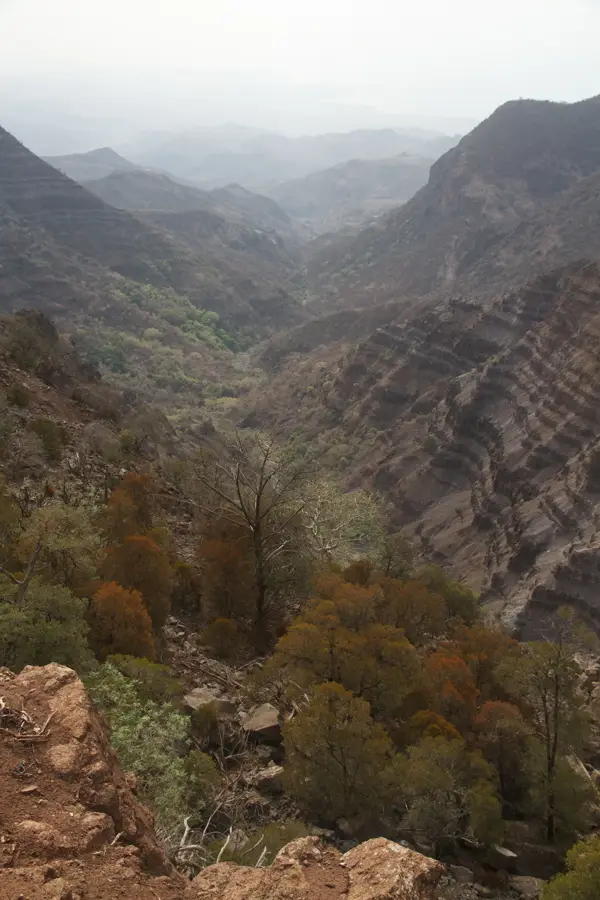
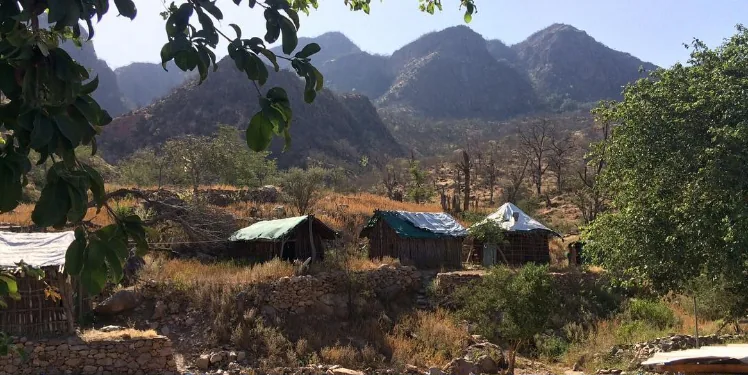
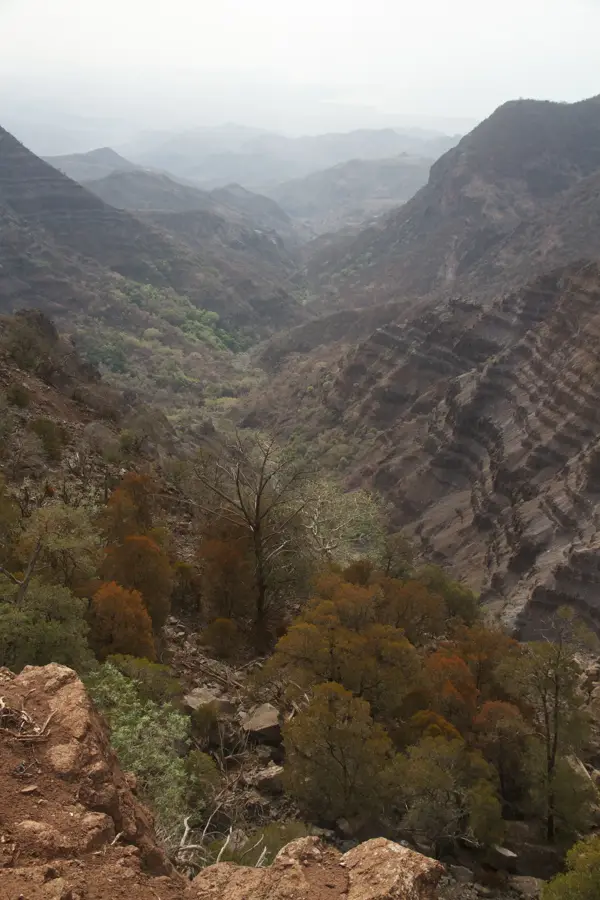
The Goda Forest, primarily known as the Day Forest National Park, is the most important terrestrial ecosystem in Djibouti, located within the Goda Mountains. It represents a relict forest that was once much more extensive across the Horn of Africa during wetter climatic periods thousands of years ago. The forest is situated at altitudes between 1.200 and 1,750 meters, where the increased moisture allows for the growth of East African Juniper, olive trees, and boxwood. It is the only place in the world where the critically endangered Djibouti francolin can be found in its natural habitat. Geologically, the forest sits on ancient volcanic soils that provide the necessary nutrients for this unique botanical island surrounded by desert. Historically, the area has been protected by the local Afar people through traditional customs, though it now faces significant threats from climate change and overgrazing.

Best time to visit & climate

The most pleasant time to visit is Jan, Feb, Dec.

JanFebMarAprMayJunJulAugSepOctNovDec
Avg °C222325273033323131272523
Rain mm9925583511466751231118

📋 Practical info

🧭
Getting there
This higher-altitude, notably greener refuge is typically reachable via unpaved and very winding mountain roads steadily climbing from the coastal town of Tadjoura; a highly stable 4x4 vehicle is absolutely essential for the steep ascents.
📅
Best season
A visit is overwhelmingly most pleasant during the visibly cooler winter months from November to February, when temperatures in the mountains are refreshingly moderate and sustained hikes among the unique flora are possible without heatstroke.
⛰️
Terrain & paths
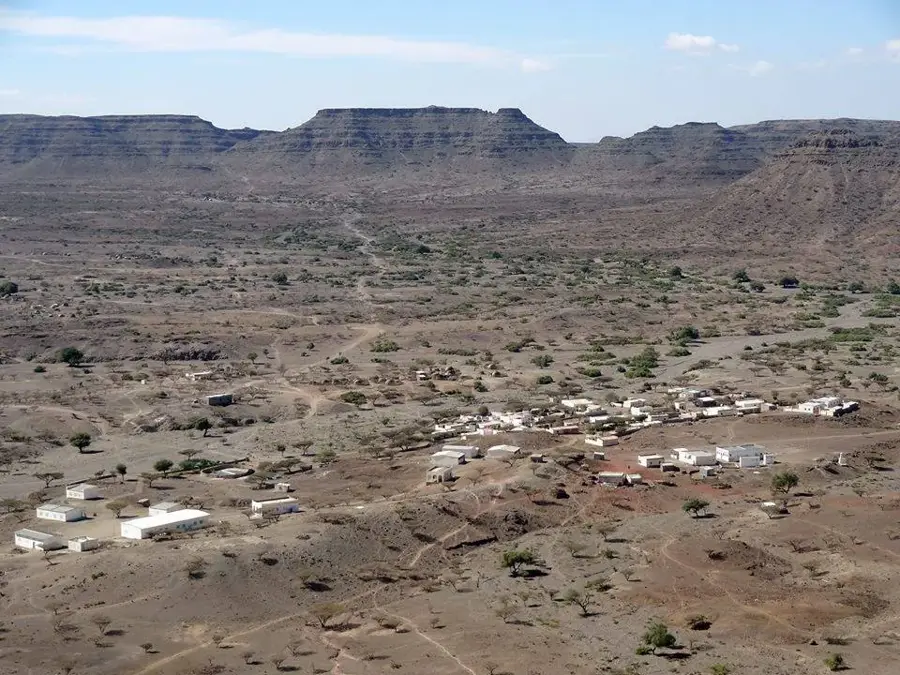
Unlike the brutally barren surrounding desert, the massif generously has rocky mountain paths and lushly vegetated, shady slopes; the trails are uneven, partially crisscrossed by large tree roots, and require constant walking attention.
🎒
What to bring
Despite the pleasant relative coolness, carrying ample water, a good hat, non-slip, ankle-high hiking boots for the rocky uphill terrain, and light clothing that adequately protects against insects and sharp branches are highly recommended.
🅿️
Parking
Visitors almost always park their rugged vehicles in the small, highly traditional mountain village of Day, which frequently serves as the logistical and cultural starting point for guided walks deeper into the surrounding pristine forest areas.
⚠️
Safety
Always stay close to your hired guide to avoid easily getting lost on the poorly marked forest paths, and completely respect the habitat of the rare animals, while constantly watching out for loose, rolling stones on the trails while hiking.
⏱️
Time needed
The steep drive from the sea into the mountains, the generous time for an extensive hike in the forest, and the eventual return journey normally add up beautifully to a fulfilling full-day trip of roughly six to eight hours in total duration.

Geography

Coordinates
11.82000, 42.72000

Facts

  • Day Forest National Park was established as a protected area in 1939.
  • The forest is located at elevations between 1,200 and 1,750 meters.
  • It is the only habitat for the critically endangered Djibouti francolin.
  • The primary canopy species is the East African Juniper (Juniperus procera).
  • Recent studies show a 95 percent decline in juniper forest cover.
  • Annual rainfall of 300-400 mm makes it the wettest place in Djibouti.

Explore nearby

Notable places around

Route planner — Car & Motorhome

Where do you start? We build the route here, with stops and country notes along the way.

Vehicle
Only stops with (optional):

© OpenStreetMap contributors · OpenRouteService

Sights in the town Goda Forest (3)

Haliblou🌿 nature

Haliblou is a shaded, forest-covered peak situated deeply within the ancient Day Forest ecosystem.

Sâroule🌿 nature

Sâroule is a towering highland peak harboring remnants of the rare juniper woodlands of the Goda Forest.

Am‘isso Dâba🌿 nature

Am‘isso Dâba is a rugged mountainous ridge surrounded by the dense, protected greenery of the Goda Forest.

Sights nearby

Frequently asked questions

What trees grow in the Goda Forest?
Dominant are ancient African juniper trees, which are often covered with lichens.
Is the forest protected?
Yes, it is part of the Forêt du Day National Park and is under special nature protection.
Can you see wild animals in the forest?
You can spot vervet monkeys, various species of antelope, and a variety of birds.
What is the temperature in the forest?
Due to altitude and shade, it's significantly cooler than in the plains, often around 20-25 degrees.
Are there accommodations near the forest?
There are some eco-lodges and simple camps in the Goda region.
Goda Forest: where is it located?
Goda Forest is located in Djibouti.
Goda Forest: what is there to see?
Highlights include Haliblou, Sâroule, Am‘isso Dâba.
Goda Forest: when is the best time to visit?
The most pleasant time to visit is Jan, Feb, Dec.
Goda Forest: why is it worth visiting?

The Goda Forest, primarily known as the Day Forest National Park, is the most important terrestrial ecosystem in Djibouti, located within the Goda Mountains.
View on map → The Top 50 Attractions → OpenStreetMap →
Africa
Explore with Plizio Discover more places in Africa
More places in Djibouti →

Nearby cities

History & landmarks
Nature
More places